Risk-based member reliability in structural design
Abstract
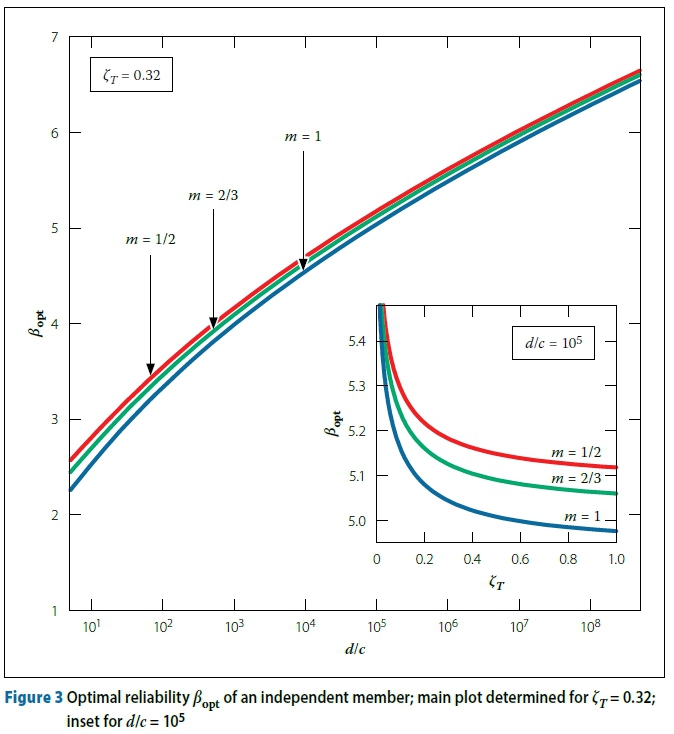
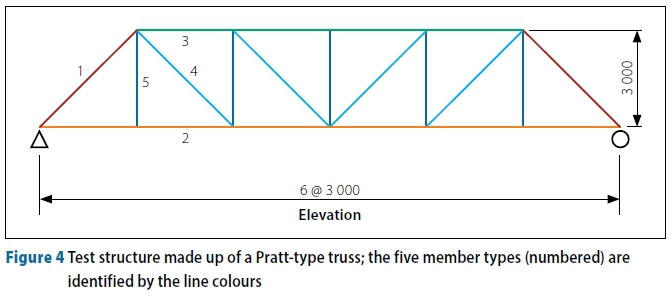
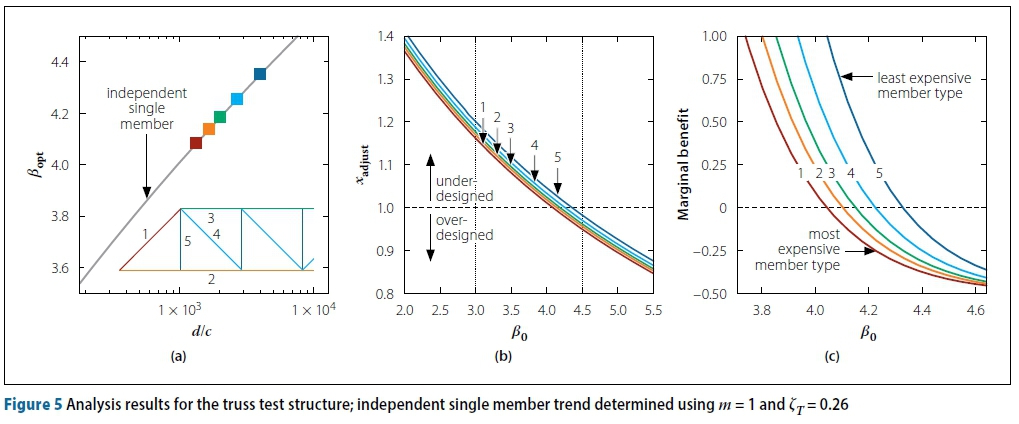
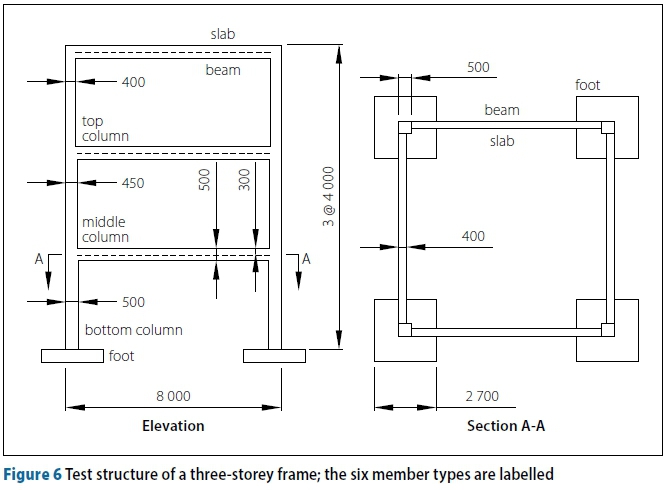
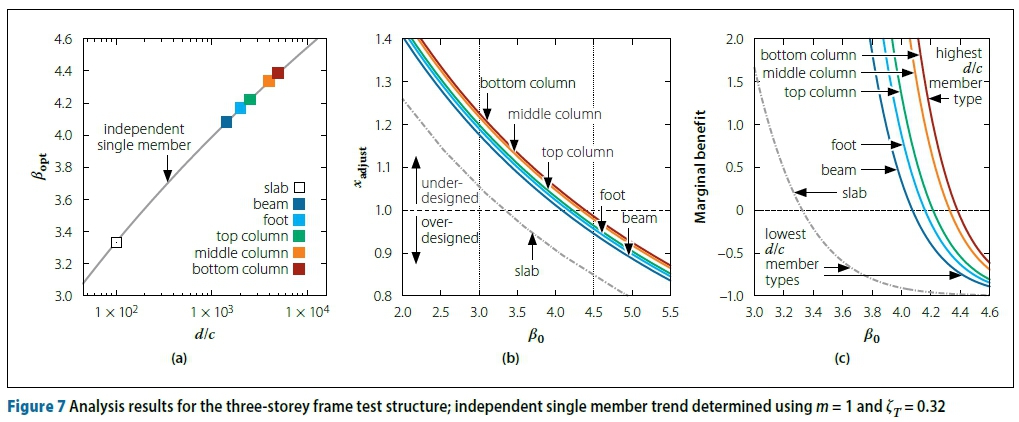
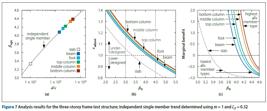
The balance between safety and economy in structural design was explored in the context of the member cost, liability and location in a structure. A model was developed giving the optimal reliability of a member, taking account of the tradeoff between cost and risk in maximising the long-term expected benefit derived from the structure. The model was first applied to a single independent member to derive a relationship which expresses the reliability required for optimal benefit as a function of the liability-cost ratio. Next the model was applied to two test structures: a determinate steel truss and a multi-storey reinforced concrete frame. Reliability analysis for both structures revealed that members can be treated as independent, and that marginal benefit is greatest for members with the highest liability-cost ratio values. It was shown that the relationship of liability-cost ratio versus optimal reliability provides a guideline for the improvement of existing structural design. Structures with reliabilities less than the optimal value can most effectively be improved by strengthening members with the highest liability-cost ratio values, while structures with reliabilities greater than optimal are improved by economising on members with the lowest liability-cost ratio values.
structural reliability; risk optimisation; reliability index; structural member design
 Thumbnail
 Thumbnail
 Thumbnail
 Thumbnail
 Thumbnail
 Thumbnail
 Thumbnail
 Thumbnail