Curriculum as a lived experience: A narrative visual analysis of Education for Sustainable Development in Geography teacher education in Eswatini
Abstract
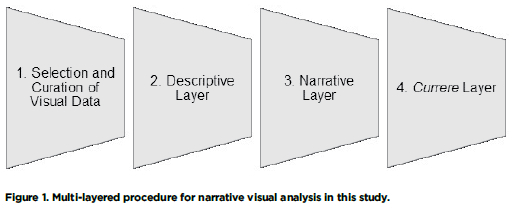
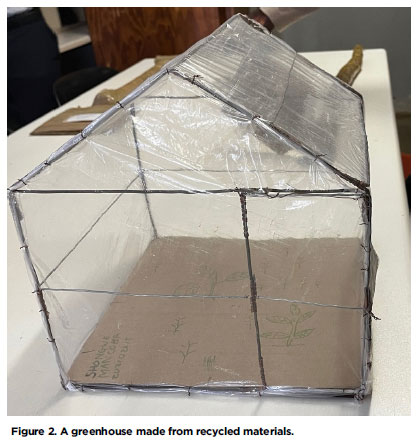
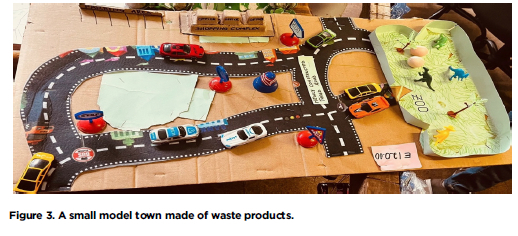
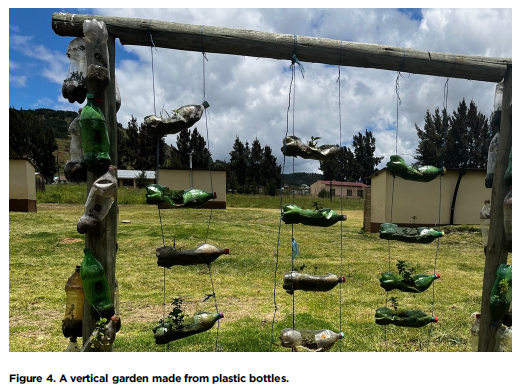
This study used a Geography module in the higher education context to exemplify how Education for Sustainable Development (ESD) can be integrated into a teacher education curriculum. The study identifies a gap in understanding how everyday material practices can reflect and shape sustainability learning. To address this, the study analysed teaching aids that teacher educators, pre-service teachers and school learners made from recycled materials during a UNESCO-supported Change Project at a university in Eswatini, as visual narratives of pedagogical change in Geography. Guided by currere theory, the study employed narrative visual analysis to interpret these artefacts as curriculum texts. The results showed that sustainability can be embodied in creative, place-based and reflective practices that promote systems thinking and critical engagement. These results highlighted the potential of teacher education to advance transformative learning and the potential of visual analysis for ESD in Geography teacher education. The key message is that ESD curriculum reform should prioritise imaginative, ethical and context-responsive approaches.
Currere; Education for Sustainable Development; Eswatini; Geography teacher education; Narrative visual analysis
 Thumbnail
 Thumbnail
 Thumbnail
 Thumbnail