How just is the global 'just energy transition'? Perspectives from the Global South
Abstract
The concept of a just energy transition (JET) aims to balance the urgent need for decarbonisation with soc equity. However, the implementation of this transition remains deeply uneven, particularly in the Global Sou Moreover, many developing countries face financial, infrastructural, and socio-economic barriers that ma this transition challenging. This paper critically examines whether the global JET is truly just, highlighting k disparities in financing, technology access, and policy frameworks. Using case studies from Africa, Latin Am ica, and South Asia, it explores how historical inequalities, geopolitical power dynamics, and climate finan gaps shape the transition. This study conducted a systematic literature review, following the PRISMA 20 guidelines, to critically analyse the current position of the JET in countries of the Global South. Following systematic identification, screening and eligibility assessment process, 14 studies were considered approprk for inclusion. The review found that while Global South nations have made progress towards a JET, an unj transition persists and presents its own geopolitical landscape. It also revealed challenges that still need to addressed, including optimising existing processes, addressing inequalities, and effectively utilising emergi technologies. The review recommends, among others, that access to information be improved, better coor nation be fostered to scaffold the transition, and specific investment needs, gaps, and funding mechanisms} the transition to just energy in the Global South be addressed. The study will assist developing countries benefit from the JET process and will contribute to the renewable energy transition body of knowledge.
climate change; funding mechanisms; green economy; renewable; inequality
1. Introduction
The global advocacy for a just energy transition (JET) has gained significant traction in recent years (Wang & Lo, 2021). This transition is framed as a necessity for both climate action and social justice, ensuring that vulnerable communities are not left behind (Biswas et al., 2022). However, the extent to which this transition is genuinely 'just' remains deeply contested, particularly from the perspectives of the Global South (Apergi et al., 2024). Historically, energy transitions have been driven by the interests of industrialised nations, often at the expense of resource-rich but economically disadvantaged regions (Feng et al., 2023). Hence, a need has arisen to scrutinise how policies whose objective is to decarbonise the economy can tackle the impacts and injustices associated with such a socio-energy transition (Abram et al., 2022). There are growing concerns regarding equity and injustice in the context of global decarbonisation and the transition to a green economy (Ciplet, 2022). While wealthier nations advocate for rapid decarbonisation, many developing countries emphasise the need for inclusive development, economic sovereignty, and historical accountability in climate negotiations (Prabhakar, 2025). Despite the growing literature on the just energy transition, important gaps remain in understanding how 'just' the transition is from the perspective of the Global South. Much of the existing discourse reflects the priorities and interests of the Global North, raising critical questions about fairness, inclusivity, and the real implications of the transition for developing nations.
On this basis, this study responds to concerns regarding the extent to which the JET is just and equitable. Is it rooted in equality and fairness? Is it equitable, and does it cause no harm? (García-García et al., 2020; Field, 2021). This article aims to complement the growing body of just energy literature that addresses JET perspectives from the Global South. It examines the economic, social, and political dimensions of the transition, focusing on issues such as funding inequalities, labour impacts, and the role of multinational corporations. By critically analysing these perspectives, the study seeks to highlight gaps in the current JET framework and to propose pathways towards a more equitable and context-specific energy transition that prioritises the needs of the Global South. To succeed, the transition must be just and socially inclusive, without excluding anyone (Manjon et al., 2022). The importance of 'just' concerns regarding the global transition to a green economy is conceptualised across the entire lifecycle of energy, from extraction to final consumption, to provide an analytically more accurate representation of the impacts of energy transition policies (Caineng et al., 2023). Two key areas are specifically identified: the concept of a 'just transition' and the role of the political economy of energy transitions.
Within this context, the literature highlights several structural inequalities that shape the implementation of the JET in the Global South. Despite commitments to equitable change, many developing nations face structural inequalities, financial constraints, and geopolitical power imbalances that hinder their ability to implement the JET equitably (Volodzkiene & Streimikiene, 2023). Differences in investment risks and market size, for example, imply that the least affluent nations face greater challenges and risks than more developed countries, both in the technology transfer and investment realms (Tyler & Mgoduso, 2022).
Key concerns identified in the literature include the following:
• Financing and debt burden: Wealthier nations and international institutions control the flow of climate finance, often in the form of loans rather than grants, increasing economic vulnerability in the Global South (Ciplet et al., 2022).
• Technological gaps and dependency: Renewable energy technologies and supply chains are largely concentrated in the Global North, limiting the capacity of developing nations to localise production and innovation (De La Peña et al., 2022).
• Employment and social impacts: While the transition aims to create green jobs, many fossil fuel-dependent economies in the Global South risk significant unemployment without adequate reskilling and support mechanisms (Sun et al., 2023).
• Resource extraction and environmental justice: Many renewable energy projects (e.g., lithium-mining for batteries and large-scale solar farms) perpetuate extractive practices that harm local communities and ecosystems (Weber & Cabras, 2021).
• Political and governance challenges: Energy policies in the Global South are often shaped by international agendas, limiting sovereignty in decision-making and implementation (Falcone, 2023).
Without addressing these disparities, the global JET risks deepening historical injustices and reinforcing global inequalities rather than delivering truly fair and inclusive outcomes (Sharma et al., 2025). These challenges reveal a clear research gap regarding how the JET is experienced in the Global South and the extent to which the transition can be considered equitable. To address this gap, the present study investigates the fairness and inclusivity of the JET in the Global South by examining the structural, financial, and socio-economic barriers that influence the transition. Four research questions were developed to guide the study:
i. What are the key challenges faced by Global South countries in transitioning to renewable energy?
ii. How do historical and structural inequalities affect the fairness of the JET?
iii. What are the gaps in climate finance and technology transfer that hinder an equitable energy transition for developing nations?
iv. What are the opportunities for JET in the Global South?
This study contributes to the literature by providing a systematic synthesis of recent research on the just energy transition from the perspective of the Global South, focusing specifically on structural barriers and enabling conditions shaping equitable transitions. By analysing the literature published between 2021 and 2025, this study identifies four interconnected themes that influence the fairness of the transition, namely finance constraints, technology transfer limitations, governance and participation challenges, and political economy dynamics. The analysis further highlights how these factors interact to influence the ability of Global South countries to participate in the global low-carbon economy. In doing so, the study provides new insights into the structural inequalities embedded in current transition pathways and highlights the policy, financial, and institutional conditions necessary to achieve a more equitable global energy transition.
The novelty of this study lies in its integrated examination of the just energy transition from the perspective of the Global South, where existing studies have often addressed finance, technology, governance and political economy factors separately. By systematically synthesising these interconnected dimensions, the study demonstrates how structural inequalities in finance, technology transfer, institutional capacity and participation collectively shape the fairness of the global energy transition. This integrated Global South perspective extends the existing literature by moving beyond assessments of renewable energy deployment to examine whether current transition pathways adequately address historical inequalities, development priorities and distributive justice. In doing so, the study provides a context-specific understanding of the conditions required for a more equitable and inclusive global just energy transition. The problem statement follows in the next section, followed by the theoretical framework, methodology, findings and discussion. The paper concludes with recommendations and suggestions for future research based on the knowledge generated and the research gaps identified.
2. Research methodology
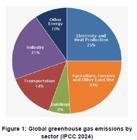
This study conducted a systematic literature review following the PRISMA 2020 guidelines to provide a comprehensive, transparent and systematic evaluation of previous studies. The PRISMA approach provided a structured process for identifying, screening, assessing the eligibility of and selecting relevant literature for inclusion in the review (Page et al., 2021). The inclusion criteria encompassed studies written in English and published between 2021 and 2025 to capture recent just energy transition narratives. Studies were required to focus on countries or regions within the Global South and address one or more of the following areas: energy justice, renewable energy, transition policies, equity, and climate justice. Peer-reviewed articles, policy papers, reports, case studies and dissertations that met these criteria were considered for inclusion. The literature search covered Scopus, Web of Science, JSTOR, ScienceDirect and Google Scholar, as well as grey literature from the United Nations Development Programme, the World Bank, International Renewable Energy Agency, the Climate Justice Alliance, World Resources Institute, governments and non-governmental organisations. Boolean operators were used to combine keywords and phrases, including ('Just energy transition' OR 'energy justice') AND ('Global South' OR 'developing countries' OR 'Africa' OR 'Latin America' OR 'Asia') AND (justice OR equity OR fairness OR inclusion OR 'climate justice'). Following the identification, screening and eligibility assessment process, 14 studies met the inclusion criteria and were included in the systematic literature review as shown in Figure 1 overleaf.
3. Theoretical perspective
3.1 Global inequalities resulting from uneven and combined development
Global inequalities in scientific, technological and industrial capabilities can be understood through the concept of uneven and combined development. This concept explains how different regions of the world develop at different speeds and under unequal conditions while remaining interconnected through global economic and political systems. Historically, industrialisation began in Western Europe and later expanded to North America during the eighteenth and nineteenth centuries (van Leeuwen et al., 2023). Colonial expansion enabled these early industrial powers to extract raw materials, labour and wealth from colonies across Africa, Asia and Latin America (Adam & Ahamat, 2023). The resources and surplus generated in these regions were largely transferred to imperial centres, supporting industrial growth, scientific research and technological innovation in the Global North (Hickel et al., 2022). At the same time, colonial policies often discouraged or actively suppressed industrial development in colonised regions, locking them into roles as suppliers of primary commodities (Banda, 2023). After independence, many countries in the Global South inherited economic structures dependent on exports of raw materials, limited technological infrastructure and weaker institutional capacity (Sylla, 2023). These historical dynamics produced a global system in which advanced economies accumulated technological expertise, research capacity and industrial capital, while many developing countries faced structural barriers to innovation and industrialisation (Fu & Shi, 2022). As a result, the uneven distribution of scientific and technological competence today reflects long-term historical processes rather than purely contemporary policy differences.
3.2 Stratification between the Global North and the Global South in world systems Within world-systems theory, the global economy is structured into hierarchical zones: the core, which comprises the Global North; the semi-periphery; and the periphery, which includes much of the Global South (Budhathoki, 2025). The Global North, which includes most high-income industrialised countries, occupies the core of the world system. These countries typically control advanced technologies, financial institutions and global governance structures. They dominate high-value sectors such as research and development, the manufacturing of advanced technologies, and international finance. As a result, they are often the primary producers and exporters of sophisticated technologies, including many renewable energy technologies (Lees, 2025). In contrast, many countries in the Global South occupy peripheral or semi-peripheral positions in the global system. Their economies are often characterised by reliance on commodity exports, limited industrial diversification, lower technological capacity and greater dependence on foreign capital and technology transfers from the Global North. This structural position limits their bargaining power in global markets and in international climate and energy negotiations (Hickel et al., 2022). These structural inequalities influence JET implementation. While Global North countries generally possess greater financial resources, technological capacity and institutional infrastructure to support decarbonisation, many Global South countries must pursue energy transitions while simultaneously addressing poverty, development needs and infrastructure deficits (Apergi et al., 2024). Consequently, the global energy transition risks reproducing existing inequalities unless deliberate mechanisms are implemented to redistribute finance, technology and capacity-building resources (Anjanappa et al., 2024).
3.3 Conceptual framework
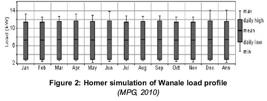
This study adopts a conceptual framework that integrates insights from the energy justice and just transition literature to examine how structural factors influence the fairness of the global energy transition from the perspective of the Global South. The framework links the research questions to four key analytical dimensions identified in the literature review and thematic analysis, namely finance, technology transfer and capacity building, governance and participation, and political economy dynamics (Figure 2).
3.4 Key challenges facing Global South countries in transitioning to renewable energy
The challenges to a just transition include vertically integrated systems, weak offtakers, a lack of local capital, small markets, high domestic costs, a lack of expertise, poor governance, inefficiencies, and inadequate procurement and planning regimes (Otlhogile & Shirley, 2023). The development of power infrastructure in the Global South is far below power demand due to rapid population growth, industrialisation and urbanisation (Ebhota & Taba-kov, 2022). There are various complex issues creating additional vulnerabilities to the transition, which reinforce the value of understanding what a just transition means and how it might be implemented (Lup et al., 2023). The development and deployment of renewable energy resources in the Global South are subject to several factors, including the four listed below.
3.4.1 Political unpredictability
Some countries in the Global South are politically precarious, which can negatively influence smooth transitions and development, as regional leadership and national governments tend not to work together to entrench the peace and political stability needed for development (Kramarz et al., 2021). The socio-economic and political context in many developing countries presents numerous challenges to the successful implementation of climate policy (Jaglin, 2023).
3.4.2 Institutional framework
Although some countries in the Global South have developed transition policies and frameworks, these need to be re-evaluated to ensure that the deliverables and goals are achieved. This involves the implementation, monitoring and appraisal of short-and long-term frameworks (Allam et al., 2022). A culture of transparency is not always established, and ambiguity in management and regulatory structures is prevalent, while the alignment of climate and development policies and goals remains critical in securing buy-in and coherence for just transitions (Nwankwo et al., 2023).
3.4.3 Adaptation of global best practices
The Global South does not fully take advantage of its substantial energy deficit when developing renewable energy infrastructure and innovation. New technologies are not sufficiently exploited and adopted to avoid obsolete energy systems (Ebhota & Tabakov, 2024). International climate finance is presently focused on implementing techno-eco-nomic transitions to low-carbon or climate-resilient practices, with little financial support for ensuring that the outcomes are socially, economically and environmentally just (Winkler et al., 2021).
3.4.4 Technical skills
The capacity in terms of technical personnel and manufacturing infrastructure to design, manufacture, operate and maintain renewable energy components and systems domestically is inadequate (George & Baskar, 2024). Skills and knowledge gaps can impair the low-carbon transition. It is challenging to maintain continuity in planning where there is only a small, emerging pool of local expertise regarding just transitions (Allais, 2022). Challenges include, among others, a lack of consideration regarding patterns of land and water use, a lack of conservation policy, environmental impact assessment and follow-up, patriarchal structures that exelude women's participation beyond household-level decision-making, and outdated grid infra-structure (Baker, 2023). Much of the labour market in the Global South is informal, as land rights are not always clearly defined, regulated or recognised in the Global South (Adedoyin et al., 2023). Access to natural resources, such as forests, is part of a community's metaphysical and cultural identity but is becoming more restricted due to large-scale economic activities (Temper et al., 2020). Developing countries are particularly vulnerable to the impacts of climate change, but those who need the most support are less aware of, or less able to access, such support due to a lack of data on the impacts of transition, for instance, on income, poverty and employment. This lack of data hinders dialogue and transition planning (Aguda, 2024).
3.5 How do historical and structural inequalities affect the fairness of the JET?
The fairness of the JET in the Global South cannot be adequately appraised without acknowledging the historical foundations of global inequality. Colonialism, economic dependency and uneven industrialisation have created structural asymmetries in wealth, infrastructure and capacity, deeply influencing how the costs and benefits of the energy transition are distributed (Sánchez Contreras et al., 2023). Colonialism fundamentally shaped the economic and political trajectories of many Global South countries (Parashar & Schulz, 2021). Colonial powers extracted natural resources and labour while suppressing local industrial development, creating economies structured around serving foreign interests rather than domestic needs (Dunlap, 2022). This historical dispossession laid the groundwork for enduring underdevelopment, as newly independent states inherited weak institutional structures, limited technological capacity and export-oriented economies vulnerable to global price shocks (Naseemullah, 2023). These legacies restrict the ability of these nations to invest in renewable energy infrastructure without external assistance (Nsude et al., 2024). This dependency is evident today in the energy transition, where solar panels, wind turbines and green technologies are primarily produced in the Global North or in emerging economies such as China (Maka & Alabid, 2022).
The asymmetrical control of green technology production reinforces the technological and financial dependence of the Global South, limiting local innovation and creating vulnerability to global market fluctuations and geopolitical tensions (Wang et al., 2021). While industrialised nations have already reaped the economic benefits of high-emissions development, many countries in the Global South remain in the early stages of industrial growth (Hickel et al., 2021). These countries face a development paradox: they must reduce emissions while also needing to expand energy access and economic opportunities (Hunjra et al., 2023). Developed countries benefited historically from fossil fuel-driven growth, contributing disproportionately to global greenhouse gas emissions, yet the Global South is now expected to leapfrog to cleaner alternatives without comparable financial or technological resources (Okereke & Coventry, 2016). This expectation places an unfair burden on less-industrialised nations, particularly when climate finance commitments from developed nations remain underfunded or tied to conditionalities (Nor & Mohamed, 2024). Thus, the historical context of colonisation, dependency and uneven industrialisation reveals that energy transitions are not occurring on a level playing field (Müller, 2024). These inequalities manifest not only in material terms, such as infrastructure and investment, but also in the power to shape global energy governance and negotiate climate policy (van Ryneveld et al., 2023).
Without addressing these historical imbalances, the JET risks perpetuating an injustice of shifting responsibility without recognising capacity or culpability (Biswas et al., 2022).
3.6 What are the gaps in climate finance and technology transfer that hinder an equitable energy transition for developing nations?
An equitable global energy transition requires sufficient financial resources and access to clean technologies (Ikevuje et al., 2023). However, developing nations often face persistent structural and systemic gaps in both climate finance and technology transfer that hinder their ability to transition effectively and fairly (Li et al., 2023). These gaps reinforce inequalities between the Global North and Global South and slow progress towards global climate goals (Bhandary et al., 2021).
3.6.1 Climate finance gaps
Insufficient funding: At the Conference of the Parties (COP15) in Copenhagen in 2009, developed countries committed to mobilising USD100 billion annually by 2020 for climate action in developing countries (Bos & Thwaites, 2021). This target has not been fully met, and the funds that are delivered often fall short of actual financial needs (Anozie, 2023).
Actual needs versus delivery: Estimates suggest that trillions, rather than billions, are needed annually to meet clean energy and climate adaptation goals in the Global South (Ramasubramanian & Ramakrishna, 2023).
Skewed distribution: Most available finance focuses on mitigation projects such as solar and wind farms, while adaptation, which is often more urgent for vulnerable countries, receives far less (Forino et al., 2023). Funds are also disproportionately directed towards middle-income countries with more developed financial systems, leaving least-developed countries and small island states underfunded (Kalaidjian & Robinson, 2022).
Complex access mechanisms: Navigating the bureaucracy of major climate finance mechanisms such as the Green Climate Fund can be overwhelming for countries with limited institutional capacity (Pillay et al., 2025). Lengthy proposal processes and stringent requirements can exclude local actors and governments lacking technical expertise or financial intermediaries (Falcone, 2023).
High-risk perception: Investors view many Global South countries as high-risk, deterring large-scale investment in clean energy despite potentially high returns and significant impact (Kalinowski, 2024).
3.6.2 Technology transfer gaps
Intellectual property barriers: Many clean energy technologies are protected by patents owned by companies in the Global North (Jiang et al., 2022). This creates high licensing costs or restricted access, making it difficult for developing countries to afford or adapt these innovations (Gao & Zhang, 2022).
Lack of local manufacturing and skills: Even when technologies are transferred, there is often a lack of local infrastructure, technical expertise and human capital to maintain, adapt or replicate them. This fosters dependence on foreign technology providers and limits the development of local green industries (Bray et al., 2022).
Inadequate support for innovation ecosystems: Few investments go towards building research institutions or innovation hubs in developing countries (Hosan et al., 2024).
Mismatch with local needs: Technologies developed in Global North contexts may not be suitable for the geographic, cultural or economic conditions of the Global South. For example, rural electrification in sub-Saharan Africa may require decentralised, off-grid solutions rather than only large-scale renewable infrastructure (Weko & Goldthau, 2022).
3.7 Opportunities for JET in the Global South
More effort is needed to achieve the aggressive yet necessary climate goals. In particular, Africa is in dire need of energy as rapidly and affordably as possible in order to develop (Bogdanov et al., 2021). This plainly raises the question of which technologies can achieve the best results, considering that renewables, unlike fossil fuels, are more readily available, can be deployed rapidly and at lower cost, and are extremely advantageous in sunny regions (Kabeyi & Olanrewaju, 2022). With global aid and supportive local economic policies, private capital can flow into the new opportunities introduced by the renewable energy era. Consequently, low- and middle-income countries in the Global South can rapidly gain access to secure and affordable energy (Cantarero, 2020). Renewables are cheaper than fossil fuels in the Global South, and their costs continue to decline over time. It is also quicker to deploy renewables than fossil fuels; for instance, there is evidence that solar is the fastest-growing energy technology in the renewable energy era (Afful-Dadzie et al., 2020). Renewable resources are widely available. For example, Africa has 39% of the global solar and wind resource and 4% of fossil fuel reserves (Contreras et al., 2023). India and China's renewable resources are larger than their respective energy demands (Bhat & Tantri, 2020).
Another available resource is private capital. Hence, the key priority is to create policies that encourage investment in the environment in order to enable large inflows of private capital into Africa and other low-energy-per-capita countries in the Global South (Dafermos et al., 2021). The global community can utilise these opportunities by using development capital as a guide to the realities of which technologies best serve these developments. For this purpose, multilateral development banks are needed to redirect their capital in order to accelerate the renewable energy era (Güngen, 2023). Although the transition is complex, renewables unlock new opportunities everywhere. As manufacturing becomes increasingly automated, the manufacturing pull moves from cheap labour towards cost-effective energy (Sarfraz et al., 2021). By 2030, Africa will have the potential to produce 5 000 mt of hydrogen per year, which is far more than the world needs, at less than USD2/kg, and has the potential to be at the cheapest end of that cost curve (Sadik-Zada, 2021). Renewables provide new jobs and already employ more people than fossil fuels; hence, many of the jobs of the future are likely to be in clean energy (Ram et al., 2020). The employment opportunity is also favourable for fossil fuel-dependent economies, as they can substitute fossil fuel imports with domestic clean energy jobs (Vivek et al., 2021). There is substantial capital flowing into clean energy, with 60% of global energy capital flows currently being invested in clean technologies, according to Goldthau et al. (2020). As the cost advantages of clean energy continue to increase, an even larger share of capital will flow towards it, and more developing-market net capacity additions will be in renewables, according to Aziz and Jahan (2023).
4. Results and discussions
The thematic synthesis in Table 1 highlights the main enablers and barriers in achieving equitable JETs.
The literature reviewed in this study indicates that an unjust transition currently exists and reveals four major themes that were discussed in the preceding sections, namely finance constraints, technology transfer limitations, governance and participation challenges, and the influence of political economy factors. These themes reinforce the concerns highlighted earlier in the literature review regarding the structural inequalities that shape the implementation of just energy transitions in the Global South. The findings confirm that the rapid deployment of clean energy technologies in parts of the Global South remains difficult (Sikwebu & Aroun, 2021). This observation aligns with earlier discussions in the literature review regarding disparities in technological capabilities and investment capacity between developed and developing economies. While China, officially still considered a developing country, has managed to upgrade its position within the global low-carbon technology value chain (Wang et al., 2021), most countries in the Global South continue to experience technology diffusion rather than technological upgrading (Hartley et al., 2019). As noted in the literature, this situation prevents developing countries from climbing the economic ladder and industrialising within a low-carbon development model (Lin & Li, 2022).
Furthermore, the findings reveal that structural inequalities in the global low-carbon economy may place the poorest and most unstable countries at an even greater disadvantage. Countries that are unable to participate in global low-carbon value chains or that fall outside them entirely face a significant risk of failing to transition effectively (Sokolowski & Heffron, 2022). This reinforces the argument presented earlier in the literature review that the current structure of the global energy transition may reproduce existing global inequalities rather than resolve them. The literature further suggests that technology diffusion patterns are not necessarily unusual in global technological transitions. It is common for wealthy countries to deploy new technologies first, while lower-income countries adopt these technologies later when they become more affordable (Fraser et al., 2023). However, the findings of this review highlight an important policy question regarding how this diffusion process can occur more rapidly and equitably in the Global South. The reviewed literature suggests that domestic policy frameworks play a key role in mobilising private capital and accelerating the adoption of clean energy technologies (Dafermos et al., 2021).
The findings also indicate that the challenge facing the Global South is not necessarily the absence of global capital, but rather the difficulty of unlocking and directing this capital towards energy transition investments. According to Dafermos et al. (2021), significant global capital is available for energy transition investments. However, the ability to access these financial resources depends largely on the strength and credibility of domestic policy environments. In this regard, the literature shows that effective policy frameworks can open the door to larger pools of private capital (Dafermos et al., 2021). Empirical evidence further supports this relationship between policy frameworks and investment flows. According to Sarkodie et al. (2020), emerging markets with stronger climate policy scores tend to attract more clean energy investment than markets with weaker policy environments. This relationship is also demonstrated by practical examples where supportive policy frameworks have facilitated rapid renewable energy deployment. For instance, Vietnam has experienced rapid renewable energy expansion through policy reforms and feed-in tariff programmes (Yu et al., 2022), while India has also successfully accelerated renewable energy development through supportive policy measures (Sawhney, 2021).
At the same time, the findings confirm that the scale and distribution of energy transition investments remain uneven across income groups. Although global capital exists and is available in many regions (Dafermos et al., 2021), the capital requirements for energy transition differ significantly depending on national income levels. In particular, substantial energy capital investment is still required in upper-middle-, lower-middle- and low-income countries to support meaningful energy transitions (Naeher & Narayanan, 2023). An important insight emerging from this review is that financial availability alone does not guarantee equitable transitions. Rather, the interaction between policy frameworks, technology access, institutional capacity and political economy dynamics determines whether countries in the Global South are able to mobilise capital effectively and participate meaningfully in the low-carbon economy. This synthesis therefore contributes to the body of knowledge by highlighting how structural inequalities in finance, technology diffusion and global value chains interact to shape the outcomes of the just energy transition in the Global South.
Table 2 highlights that, although countries across the Global South share common challenges in achieving a just energy transition, the nature and intensity of these challenges differ by region. African countries often face the most severe financing and institutional constraints, while parts of Asia demonstrate stronger industrial and technological capabilities that enable greater participation in global low-carbon value chains. Latin America occupies an intermediate position, where natural resource endowments create opportunities for renewable energy development but also raise concerns about governance and resource dependency. Overall, the findings suggest that achieving equitable just energy transitions requires not only financial resources and technological solutions but also policy environments that enable Global South countries to move beyond technology adoption towards technological upgrading, industrial participation and inclusive economic development within the emerging low-carbon economy.
5. Conclusion and recommendations
5.1 Conclusion
Countries across the Global South demonstrate clear evidence that the adoption of JET policies can positively influence national economic performance. From savings and cost reductions to job creation and improved financial performance, the JET shows promising potential to shape a sustainable economic future (Khan et al., 2020). The analysis revealed four key themes that shape the fairness of the transition in the Global South, namely financing constraints, limited technology transfer and capacity building, governance and participation challenges, and the influence of political economy factors. These findings show that, while the adoption of just energy transition policies can contribute to economic benefits such as cost reductions, improved financial performance, job creation and broader development opportunities, many countries in the Global South still face barriers that limit their ability to fully benefit from the transition. In particular, unequal access to finance, technological dependency and limited participation in global low- carbon value chains continue to constrain equitable outcomes. This study therefore concludes that the global energy transition has the potential to shape a more sustainable economic future for the Global South, but its current implementation does not yet fully reflect the principles of justice and equity that underpin the concept of a just energy transition. The main contribution of this study is the identification and synthesis of the structural barriers and enabling factors that influence the fairness of the transition in the Global South, thereby highlighting the need for more inclusive policies, stronger technology-transfer mechanisms and improved access to financing to support equitable energy transitions.
Overall, the findings demonstrate that the JET in the Global South is not yet fully just or equitable. The key challenges include inadequate financing, limited technological and institutional capacity, governance weaknesses and insufficient technical skills. Historical and structural inequalities further constrain the fairness of the transition by reinforcing disparities in access to finance, technology and participation in global low-carbon value chains. Climate finance gaps, restrictive technology transfer mechanisms and limited local manufacturing capacity continue to impede equitable transition pathways. Nevertheless, significant opportunities exist through abundant renewable energy resources, supportive policy frameworks, increased climate and development finance, technology transfer, skills development and greater mobilisation of private capital. Therefore, achieving a genuinely just energy transition requires these structural inequalities to be addressed alongside the expansion of renewable energy.
5.2 Recommendations
Bridging the financing, capacity and technological gaps required for a JET in the Global South requires coordinated action from development institutions, governments and international partners. The following recommendations are proposed:
5.2.1 Increase development bank financing
Development banks should address the JET financing gap in the Global South by increasing lending to middle- and low-income countries. Mobilising additional funds annually would significantly strengthen the capacity of these countries to implement renewable energy projects. With appropriate renewable energy policies in place, increased development bank lending by 2030 could also unlock additional private-sector financing.
5.2.2 Mobilise domestic and private capital
Greater domestic capital mobilisation is necessary to complement international financing. Policy frameworks that support renewable energy investments can help attract private financing and contribute to narrowing the JET funding gap.
5.2.3Strengthen renewable energy support systems International support should prioritise renewable energy initiatives to:
• improve procurement and planning systems;
• incentivise local capital investment; and
• facilitate the transfer of key technologies, particularly in countries facing severe energy transition challenges.
5.2.4 Build local capacity and skills
Investment in local capacity development is essential to ensure long-term sustainability. This includes:
• training future energy leaders;
• supporting technical and professional skills development; and
• strengthening innovation ecosystems within developing economies.
5.2.5 Reallocate development finance towards renewables
Development bank financing should be strategically redirected towards renewable energy projects to accelerate the transition and address existing investment imbalances.
5.2.6Improve access to climate finance Bridging existing financing gaps requires:
• fulfilling and exceeding global climate finance commitments; and
• simplifying and streamlining access procedures to make funding mechanisms more inclusive and less complex.
5.2.7 Promote technology access and knowledge sharing
Open-source or low-cost licensing of key clean energy technologies should be encouraged to ensure wider adoption in developing countries.
5.2.8 Foser global partnerships
Organisations in advanced economies should actively partner with institutions in emerging economies to advance JET initiatives. These collaborations should focus on verifiable, data-driven actions that directly address the energy transition challenges faced by the Global South.
5.2.9 Ensure an inclusive and equitable energy transition
Achieving an equitable JET requires democratising access to both finance and technology. A strong global commitment is essential to ensure that no country is left behind while enabling the Global South to leverage its renewable energy potential for sustainable development.
Declaration of interest
I, the author, assert that I do not have any known conflicting financial interests or personal connections that may appear to have influenced the work reported in this paper.
References
-
Abram, S., Atkins, E., Dietzel, A., Jenkins, K., Kiamba, L., Kirshner, J., Kreienkamp, J., Parkhill, K., Pegram, T. & Santos Ayllón, L.M. 2022. Just transition: A whole-systems approach to decarbonisation. Climate Policy, 22(8), 1033-1049. https://doi.org/10.1080/14693062.2022.2108365
» https://doi.org/10.1080/14693062.2022.2108365 -
Adam, B. & Ahamat, H. 2023. History of raw material export restriction by European powers: Revisiting colonial past. Cendekia: Jurnal Hukum, Sosial Dan Humaniora, 1(2), 92-106. https://doi.org/10.70193/cendekia.v1i2.23
» https://doi.org/10.70193/cendekia.v1i2.23 -
Adedoyin, F.F., Bekun, F.V., Hossain, M.E., Kwame Ofori, E., Gyamfi, B.A. & Haseki, M.I. 2023. Glasgow climate change conference (COP26) and its implications in Sub-Sahara Africa economies. Renewable Energy, 206(1), 214-222. https://doi.org/10.1016/j.renene.2023.02.054
» https://doi.org/10.1016/j.renene.2023.02.054 -
Afful-Dadzie, A., Mallett, A. & Afful-Dadzie, E. 2020. The challenge of energy transition in the Global South: The case of electricity generation planning in Ghana. Journal of Renewable and Sustainable Energy Reviews, 126(1), 1-15. https://doi.org/10.1016/j.rser.2020.109830
» https://doi.org/10.1016/j.rser.2020.109830 - Aguda, O.O. 2024. An examination of the impact of energy transition on marginalized communities in the Global South. East African Journal of Law, Policy and Globalization, 1(2), 1-23.
-
Allais, S. 2022. Skills for industrialisation in sub-Saharan African countries: Why is systemic reform of technical and vocational systems so persistently unsuccessful?. Journal of Vocational Education & Training, 74(3), 475-493. https://doi.org/10.1080/13636820.2020.1782455
» https://doi.org/10.1080/13636820.2020.1782455 -
Allam, Z., Bibri, S.E. & Sharpe, S.A. 2022. The rising impacts of the COVID-19 pandemic and the Russia-Ukraine war: Energy transition, climate justice, global inequality, and supply chain disruption. Resources, 11(11), 1-14. https://doi.org/10.3390/resources11110099
» https://doi.org/10.3390/resources11110099 -
Anjanappa, J., Samant, S. & Thakur, B. 2024. Bridging the gap: Addressing the unequal allocation of climate adaptation finance in Global South. Available at SSRN 4985851. http://dx.doi.org/10.2139/ssrn.4985851
» http://dx.doi.org/10.2139/ssrn.4985851 -
Anozie, C. 2023. Left behind: Funding climate action in the global South. Tex. A & M L. Rev., 11(1), 333-351. https://doi.org/10.37419/LR.V11.I2.2
» https://doi.org/10.37419/LR.V11.I2.2 -
Apergi, M., Eicke, L., Goldthau, A., Hashem, M., Huneeus, S., de Oliveira, R.L., Otieno, M., Schuch, E. & Veit, K. 2024. An energy justice index for the energy transition in the Global South. Renewable and Sustainable Energy Reviews, 192(1), 1-14. https://doi.org/10.1016/j.rser.2023.114238
» https://doi.org/10.1016/j.rser.2023.114238 -
Aziz, S. & Jahan, S.M. 2023. Determinants of international development investments in renewable energy in developing countries. Energy for Sustainable Development, 74(1), 215-230. https://doi.org/10.1016/j.esd.2023.04.008
» https://doi.org/10.1016/j.esd.2023.04.008 -
Baker, L. 2023. New frontiers of electricity capital: Energy access in Sub-Saharan Africa. New Political Economy, 28(2), 206-222. https://doi.org/10.1080/13563467.2022.2084524
» https://doi.org/10.1080/13563467.2022.2084524 -
Banda, G. 2023. The political economy of the African pharmaceutical sector's 'industrial underdevelopment' lock-in: The importance of understanding the impact of persistent colonial extractive institutions. Frontiers in Research Metrics and Analytics, 8(1), 1-15. https://doi.org/10.3389/frma.2023.1020588
» https://doi.org/10.3389/frma.2023.1020588 -
Bhandary, R.R., Gallagher, K.S. & Zhang, F. 2021. Climate finance policy in practice: A review of the evidence. Climate Policy, 21(4), 529-545. https://doi.org/10.1080/14693062.2020.1871313
» https://doi.org/10.1080/14693062.2020.1871313 - Bhat, V. & Tantri, M.L. 2020. Trade in renewable energy technologies. In The Rise of India and China: Social, Economic and Environmental Impacts (pp. 29-43). Philadelphia: Routledge.
-
Biswas, S., Echevarría, A., Irshad, N., Rivera-Matos, Y., Richter, J., Chhetri, N., Parmentier, M.J. & Miller, C.A. 2022. Ending the energy-poverty nexus: An ethical imperative for just transitions. Science and engineering ethics, 28(4), 1-19. https://doi.org/10.1007/s11948-022-00383-4
» https://doi.org/10.1007/s11948-022-00383-4 -
Bogdanov, D., Ram, M., Aghahosseini, A., Gulagi, A., Oyewo, A.S., Child, M., Caldera, U., Sadovskaia, K., Farfan, J., Barbosa, L.D.S.N.S. & Fasihi, M. 2021. Low-cost renewable electricity as the key driver of the global energy transition towards sustainability. Journal of Energy, 227(1), 1-12. https://doi.org/10.1016/j.energy.2021.120467
» https://doi.org/10.1016/j.energy.2021.120467 -
Bos, J. & Thwaites, J. 2021. A breakdown of developed countries' public climate finance contributions towards the $100 billion goal. In World Resources Institute (pp. 1-80). https://doi.org/10.46830/writn.20.00145
» https://doi.org/10.46830/writn.20.00145 -
Bray, R., Montero, A.M. & Ford, R. 2022. Skills deployment for a 'just' net zero energy transition. Environmental Innovation and Societal Transitions, 42(1), 395-410. https://doi.org/10.1016/j.eist.2022.02.002
» https://doi.org/10.1016/j.eist.2022.02.002 -
Budhathoki, D. 2025. Capitalism and global inequality: Core-periphery relations in the context of World System Theory. International Research Journal of MMC (IRJMMC), 6(4), 89-98. https://doi.org/10.3126/irjmmc.v6i4.85258
» https://doi.org/10.3126/irjmmc.v6i4.85258 -
Caineng, Z.O.U., Feng, M.A., Songqi, P.A.N., Qun, Z.H.A.O., Guoyou, F.U., ZHANG, G., Yichao, Y.A.N.G., Hao, Y.U., LIANG, Y., Minjie, L.I.N. & Ying, W.A.N.G. 2023. Global energy transition revolution and the connotation and pathway of the green and intelligent energy system. Petroleum Exploration and Development, 50(3), 722-740. https://doi.org/10.1016/S1876-3804(23)60423-9
» https://doi.org/10.1016/S1876-3804(23)60423-9 -
Cantarero, M.M.V. 2020. Of renewable energy, energy democracy, and sustainable development: A roadmap to accelerate the energy transition in developing countries. Journal of Energy Research & Social Science, 70(1), 1-15. https://doi.org10.1016/j.erss.2020.101716
» https://doi.org10.1016/j.erss.2020.101716 -
Ciplet, D. 2022. Transition coalitions: Toward a theory of transformative just transitions. Journal of environmental sociology, 8(3), 315-330. https://doi.org/10.1080/23251042.2022.2031512
» https://doi.org/10.1080/23251042.2022.2031512 -
Ciplet, D., Falzon, D., Uri, I., Robinson, S.A., Weikmans, R. & Roberts, J.T. 2022. The unequal geographies of climate finance: Climate injustice and dependency in the world system. Political Geography, 99(1), 1-12. https://doi.org/10.1016/j.polgeo.2022.102769
» https://doi.org/10.1016/j.polgeo.2022.102769 -
Contreras, J.S., Ruiz, A.M., Campos-Celador, A. & Fjellheim, E.M. 2023. Energy colonialism: A category to analyse the corporate energy transition in the Global South and North. Journal of Land, 12(6), 1-16. https://doi.org/10.3390/land12061241
» https://doi.org/10.3390/land12061241 -
Dafermos, Y., Gabor, D. & Michell, J., 2021. The Wall Street Consensus in pandemic times: What does it mean for climate-aligned development?. Canadian Journal of Development Studies, 42(1-2), 238-251. https://doi.org/10.1080/02255189.2020.1865137
» https://doi.org/10.1080/02255189.2020.1865137 -
De La Peña, L., Guo, R., Cao, X., Ni, X. & Zhang, W. 2022. Accelerating the energy transition to achieve carbon neutrality. Resources, Conservation and Recycling, 177(1), 1-12. https://doi.org/10.1016/j.resconrec.2021.105957
» https://doi.org/10.1016/j.resconrec.2021.105957 -
Dunlap, A. 2022. The politics of ecocide, genocide and megaprojects: Interrogating natural resource extraction, identity and the normalization of erasure. In The Genocide-ecocide nexus (pp. 57-80). Routledge: New York. https://doi.org/10.1080/14623528.2020.1754051
» https://doi.org/10.1080/14623528.2020.1754051 -
Ebhota, W.S. & Tabakov, P.Y. 2022. Renewable energy technologies in the Global South: Sub-Saharan Africa trends and perspectives. International Journal of Emerging Technology and Advanced Engineering, 12(1), 47-55. https://doi.org/10.46338/ijetae0622_08
» https://doi.org/10.46338/ijetae0622_08 - Ebhota, W.S. & Tabakov, P.Y. 2024. A retrospect of energy demand and potential of Sub-Saharan Africa: Leveraging energy deficit to attain clean energy hub region. ARID zone journal of engineering, technology and environment, 20(1), 261-294.
-
Falcone, P.M. 2023. Sustainable energy policies in developing countries: A review of challenges and opportunities. Energies, 16(18), 1-19. https://doi.org/10.3390/en16186682
» https://doi.org/10.3390/en16186682 -
Feng, Y., Hu, J., Afshan, S., Irfan, M., Hu, M. & Abbas, S. 2023. Bridging resource disparities for sustainable development: A comparative analysis of resource-rich and resource-scarce countries. Resources Policy, 85(1), 1-8. https://doi.org/10.1016/j.resourpol.2023.103981
» https://doi.org/10.1016/j.resourpol.2023.103981 -
Forino, G., Fraser, A. & Tandaric, N. 2023. Towards adaptive and transformative finance for urban areas? A framework to analyse the responsiveness of adaptation finance to urban challenges in the global South. Environment and Urbanization, 35(1), 200-219. https://doi.org/10.1177/09562478221143591
» https://doi.org/10.1177/09562478221143591 -
Fraser, T., Chapman, A.J. and Shigetomi, Y. 2023. Leapfrogging or lagging? Drivers of social equity from renewable energy transitions globally. Energy Research & Social Science, 98(1), 1-13. https://doi.org/10.1016/j.erss.2023.103006
» https://doi.org/10.1016/j.erss.2023.103006 -
Fu, X. & Shi, L. 2022. Direction of innovation in developing countries and its driving forces. World Intellectual Property Organization (WIPO) Economic Research Working Paper Series 69, (pp. 1-41). http://dx.doi.org/10.2139/ssrn.4422271
» http://dx.doi.org/10.2139/ssrn.4422271 -
Gao, X. & Zhang, Y. 2022. What is behind the globalization of technology? Exploring the interplay of multilevel drivers of international patent extension in the solar photovoltaic industry. Renewable and Sustainable Energy Reviews, 163(1), 1-12. https://doi.org/10.1016/j.rser.2022.112510
» https://doi.org/10.1016/j.rser.2022.112510 -
George, A.S. & Baskar, T. 2024. Repairing the future: The global fight for accessible fixes and sustainable tech. Partners Universal Innovative Research Publication, 2(2), 71-88. https://doi.org/10.5281/ze-nodo.10953185
» https://doi.org/10.5281/ze-nodo.10953185 - Goldthau, A., Eicke, L. & Weko, S. 2020. The global energy transition and the Global South. In The geopolitics of the global energy transition (pp. 319-339). Springer: Cham.
-
Güngen, A.R. 2023. New multilateral development banks and green lending: Approaching scalar complexities in the Global South. Journal of Development and Change, 54(2), 251-279. https://doi.org/10.1111/dech.12755
» https://doi.org/10.1111/dech.12755 -
Hartley, S., McLeod, C., Clifford, M., Jewitt, S. & Ray, C. 2019. A retrospective analysis of responsible innovation for low-technology innovation in the Global South. Journal of Responsible Innovation, 6(2), 143-162. https://doi.org/10.1080/23299460.2019.1575682
» https://doi.org/10.1080/23299460.2019.1575682 -
Hassan, Q., Viktor, P., Al-Musawi, T.J., Ali, B.M., Algburi, S., Alzoubi, H.M., Al-Jiboory, A.K., Sameen, A.Z., Salman, H.M. & Jaszczur, M. 2024. The renewable energy role in the global energy transformations. Renewable Energy Focus, 48(1), 1-16. https://doi.org/10.1016/j.ref.2024.100545
» https://doi.org/10.1016/j.ref.2024.100545 -
Heffron, R.J. 2022. Applying energy justice into the energy transition. Renewable and Sustainable Energy Reviews, 156(1), 1-9. https://doi.org/10.1016/j.rser.2021.111936
» https://doi.org/10.1016/j.rser.2021.111936 -
Hickel, J., Dorninger, C., Wieland, H. & Suwandi, I. 2022. Imperialist appropriation in the world economy: Drain from the Global South through unequal exchange, 1990-2015. Global environmental change, 73(1), 1-13. https://doi.org/10.1016/j.gloenvcha.2022.102467
» https://doi.org/10.1016/j.gloenvcha.2022.102467 -
Hickel, J., Sullivan, D. & Zoomkawala, H. 2021. Plunder in the post-colonial era: Quantifying drain from the Global South through unequal exchange, 1960-2018. New Political Economy, 26(6), 1030-1047. https://doi.org/10.1080/13563467.2021.1899153
» https://doi.org/10.1080/13563467.2021.1899153 -
Hosan, S., Sen, K.K., Rahman, M.M., Chapman, A.J., Karmaker, S.C., Alam, M.J. & Saha, B.B. 2024. Energy innovation funding and social equity: Mediating role of just energy transition. Renewable and Sustainable Energy Reviews, 197(1), 1-12. https://doi.org/10.1016/j.rser.2024.114405
» https://doi.org/10.1016/j.rser.2024.114405 -
Hunjra, A.I., Hassan, M.K., Zaied, Y.B. & Managi, S. 2023. Nexus between green finance, environmental degradation, and sustainable development: Evidence from developing countries. Resources Policy, 81(1), 1-8. https://doi.org/10.1016/j.resourpol.2023.103371
» https://doi.org/10.1016/j.resourpol.2023.103371 -
Ikevuje, A.H., Kwakye, J.M., Ekechukwu, D.E. & Benjamin, O. 2023. Energy justice: Ensuring equitable access to clean energy in underprivileged communities. Journal of Sustainable Energy, 45(4), 298-314. https://doi.org/10.30574/msarr.2023.8.2.0097
» https://doi.org/10.30574/msarr.2023.8.2.0097 -
Jaglin, S. 2023. Urban Electric Hybridization: Exploring the Politics of a just transition in the Western Cape (South Africa). Journal of Urban Technology, 30(2), 11-33. https://doi.org/10.1080/10630732.2022.2111176
» https://doi.org/10.1080/10630732.2022.2111176 -
Jiang, L., Zou, F., Qiao, Y. & Huang, Y. 2022. Patent analysis for generating the technology landscape and competition situation of renewable energy. Journal of Cleaner Production, 378(1), 1-21. https://doi.org/10.1016/j.jclepro.2022.134264
» https://doi.org/10.1016/j.jclepro.2022.134264 -
Kabeyi, M.J.B. & Olanrewaju, O.A. 2022. Sustainable energy transition for renewable and low carbon grid electricity generation and supply. Journal of Frontiers in Energy research, 9(1), 32-37. https://doi.org/10.3389/fenrg.2021.743114
» https://doi.org/10.3389/fenrg.2021.743114 -
Kalaidjian, E. & Robinson, S.A. 2022. Reviewing the nature and pitfalls of multilateral adaptation finance for small island developing states. Climate Risk Management, 36(1), 1-16. https://doi.org/10.1016/j.crm.2022.100432
» https://doi.org/10.1016/j.crm.2022.100432 -
Kalinowski, T. 2024. The Green Climate Fund and private sector climate finance in the Global South. Climate Policy, 24(3), 281-296. https://doi.org/10.1080/14693062.2023.2276857
» https://doi.org/10.1080/14693062.2023.2276857 -
Khan, S.A.R., Zhang, Y., Kumar, A., Zavadskas, E. & Streimikiene, D. 2020. Measuring the impact of renewable energy, public health expenditure, logistics, and environmental performance on sustainable economic growth. Journal of Sustainable development, 28(4), 833-843. https://doi.org/10.1002/sd.2034
» https://doi.org/10.1002/sd.2034 -
Kramarz, T., Park, S. & Johnson, C. 2021. Governing the dark side of renewable energy: A typology of global displacements. Energy Research & Social Science, 74(1), 1-11. https://doi.org/10.1016/j.erss.2020.101902
» https://doi.org/10.1016/j.erss.2020.101902 -
Lees, N. 2025. The concepts of North and South. In The International Relations of the North-South Divide (pp. 19-43). Bristol University Press. https://doi.org/10.51952/9781529241570.ch002
» https://doi.org/10.51952/9781529241570.ch002 -
Li, G., Wu, H., Jiang, J. & Zong, Q. 2023. Digital finance and the low-carbon energy transition (LCET) from the perspective of capital-biased technical progress. Energy Economics, 120(1), 1-15. https://doi.org/10.1016/j.eneco.2023.106623
» https://doi.org/10.1016/j.eneco.2023.106623 -
Lin, B. & Li, Z. 2022. Towards world's low carbon development: The role of clean energy. Applied Energy, 307(1), 1-8. https://doi.org/10.1016/j.apenergy.2021.118160
» https://doi.org/10.1016/j.apenergy.2021.118160 -
Lup, A.N.K., Soni, V., Keenan, B., Son, J., Taghartapeh, M.R., Morato, M.M., Poya, Y. & Montañés, R.M. 2023. Sustainable energy technologies for the Global South: Challenges and solutions toward achieving SDG 7. Environmental Science: Advances, 2(4), 570-585. https://doi.org/10.1039/D2VA00247G
» https://doi.org/10.1039/D2VA00247G -
Maka, A.O. & Alabid, J.M. 2022. Solar energy technology and its roles in sustainable development. Clean Energy, 6(3), 476-483. https://doi.org/10.1093/ce/zkac023
» https://doi.org/10.1093/ce/zkac023 -
Manjon, M.J., Merino, A. & Cairns, I. 2022. Business as not usual: A systematic literature review of social entrepreneurship, social innovation, and energy poverty to accelerate the just energy transition. Energy Research & Social Science, 90(1), 1-14. https://doi.org/10.1016/j.erss.2022.102624
» https://doi.org/10.1016/j.erss.2022.102624 -
Müller, F. 2024. Energy colonialism. Journal of Political Ecology, 31(1), 701-717. https://doi.org/10.2458/jpe.5659
» https://doi.org/10.2458/jpe.5659 -
Naeher, D. & Narayanan, R. 2023. Attracting private capital for development: Are poorer countries less efficient? Journal of International Economics and Economic Policy, 20(1), 1-26. https://doi.org/10.1007/s10368-022-00549-2
» https://doi.org/10.1007/s10368-022-00549-2 -
Naseemullah, A. 2023. The political economy of national development: A research agenda after neoliberal reform? World Development, 168(1), 1-15. https://doi.org/10.1016/j.worlddev.2023.106269
» https://doi.org/10.1016/j.worlddev.2023.106269 -
Nor, M.I. & Mohamed, A.A. 2024. Investigating the complex landscape of climate finance in least developed countries (LDCs). Discover Environment, 2(1), 1-22. https://doi.org/10.1007/s44274-024-00102-9
» https://doi.org/10.1007/s44274-024-00102-9 -
Nsude, C.C., Loraamm, R., Wimhurst, J.J., Chukwuonye, G.S.N. & Debnath, R. 2024. Renewables but unjust? Critical restoration geography as a framework for addressing global renewable energy injustice. Energy Research & Social Science, 114(1), 1-17. https://doi.org/10.1016/j.erss.2024.103609
» https://doi.org/10.1016/j.erss.2024.103609 - Nwankwo, N., Olaniyi, T.K. & Morgan, A. 2023. A just transition framework for oil rich Sub-Saharan Africa countries. International Journal of Sustainable Energy, 11(1), 533-543.
-
Okereke, C. & Coventry, P. 2016. Climate justice and the international regime: Before, during, and after Paris. Wiley Interdisciplinary Reviews: Climate Change, 7(6), 834-851. https://doi.org/10.1002/wcc.419
» https://doi.org/10.1002/wcc.419 -
Otlhogile, M. & Shirley, R. 2023. The evolving just transition: definitions, context, and practical insights for Africa. Environmental Research: Infrastructure and Sustainability, 3(1), 1-14. https://doi.org/10.1088/2634-4505/ac9a69
» https://doi.org/10.1088/2634-4505/ac9a69 -
Page, M.J., Moher, D., Bossuyt, P.M., Boutron, I., Hoffmann, T.C., Mulrow, C.D., Shamseer, L., Tetzlaff, J.M., Akl, E.A., Brennan, S.E. & Chou, R. 2021. PRISMA 2020 explanation and elaboration: Updated guidance and exemplars for reporting systematic reviews. Bmj, 372(1), 1-36. https://doi.org/10.1136/bmj.n160
» https://doi.org/10.1136/bmj.n160 -
Parashar, S. & Schulz, M. 2021. Colonial legacies, postcolonial 'selfhood'and the (un) doing of Africa. Third World Quarterly, 42(5), 867-881. https://doi.org/10.1080/01436597.2021.1903313
» https://doi.org/10.1080/01436597.2021.1903313 -
Pillay, K., Mohanlal, S., Dobson, B. & Adhikari, B. 2025. Evaluating institutional climate finance barriers in selected SADC countries. Climate Risk Management, 47(1 ), 1-11. https://doi.org/10.1016/j.crm.2025.100694
» https://doi.org/10.1016/j.crm.2025.100694 - Prabhakar, A. 2025. A sustainable and inclusive economic development: A global imperative. Journal of Recycling Economy & Sustainability Policy, 4(1), 1-16.
-
Ram, M., Aghahosseini, A. & Breyer, C., 2020. Job creation during the global energy transition towards 100% renewable power system by 2050. Journal of Technological Forecasting and Social Change, 151(1), 1-19. https://doi.org/10.1016/j.techfore.2019.06.008
» https://doi.org/10.1016/j.techfore.2019.06.008 -
Ramasubramanian, B. & Ramakrishna, S. 2023. What's next for the Sustainable Development Goals? Synergy and trade-offs in affordable and clean energy (SDG 7). Sustainable earth reviews, 6(1), 1-16. https://doi.org/10.1186/s42055-023-00069-0
» https://doi.org/10.1186/s42055-023-00069-0 -
Sadik-Zada, E.R. 2021. Political economy of green hydrogen rollout: A global perspective. Journal of Sustainability, 13(23), 1-14. https://doi.org/10.3390/su132313464
» https://doi.org/10.3390/su132313464 -
Sánchez Contreras, J., Matarán Ruiz, A., Campos-Celador, A. & Fjellheim, E.M. 2023. Energy colonialism: A category to analyse the corporate energy transition in the Global South and North. Land, 12(6), 1-15. https://doi.org/10.3390/land12061241
» https://doi.org/10.3390/land12061241 -
Sarfraz, M.S., Hong, H. & Kim, S.S. 2021. Recent developments in the manufacturing technologies of composite components and their cost-effectiveness in the automotive industry: A review study. Composite Structures, 266(1), 1-18. https://doi.org/10.1016/j.compstruct.2021.113864
» https://doi.org/10.1016/j.compstruct.2021.113864 -
Sarkodie, S.A., Adams, S. & Leirvik, T. 2020. Foreign direct investment and renewable energy in climate change mitigation: Does governance matter? Journal of Cleaner Production, 263(1), 1-11. https://doi.org/10.1016/j.jclepro.2020.121262
» https://doi.org/10.1016/j.jclepro.2020.121262 -
Sawhney, A. 2021. Striving towards a circular economy: climate policy and renewable energy in India. Journal of Clean Technologies and Environmental Policy, 23(1), 491-499. https://doi.org/10.1007/s10098-020-01935-7
» https://doi.org/10.1007/s10098-020-01935-7 -
Sharma, S.E., Das, R.R., Janzwood, A., Joshi, N., MacArthur, J.L. & Savvidou, G. 2025. Equity, diversity and inclusion promises, exclusive practices? How to move towards effective and just energy transitions. Energy Research & Social Science, 120(1), 1-8. https://doi.org/10.1016/j.erss.2025.103935
» https://doi.org/10.1016/j.erss.2025.103935 -
Sikwebu, D. & Aroun, W. 2021. Energy transitions in the Global South: The precarious location of unions. In The Palgrave Handbook of Environmental Labour Studies (pp. 59-81). Palgrave Macmillan: Cham https://doi.org/10.4324/9780367486457-9
» https://doi.org/10.4324/9780367486457-9 -
Sokolowski, M.M. & Heffron, R.J. 2022. Defining and conceptualising energy policy failure: The when, where, why, and how. Journal of Energy Policy, 161(1),1-10. https://doi.org/10.1016/j.en-pol.2021.112745
» https://doi.org/10.1016/j.en-pol.2021.112745 -
Sun, Z., Zhang, F., Wang, Y. & Shao, Z. 2023. Literature review and analysis of the social impact of a just energy transition. Frontiers in Sustainable Food Systems, 7(1), 1-13. https://doi.org/10.3389/fsufs.2023.1119877
» https://doi.org/10.3389/fsufs.2023.1119877 -
Sylla, N.S. 2023. Imperialism and Global South's debt: Insights from modern monetary theory, ecological economics, and dependency theory. In Imperialism and the Political Economy of Global South's Debt (pp. 193-222). Emerald publishing limited: Leeds. https://doi.org/10.1108/S0161-723020230000038008
» https://doi.org/10.1108/S0161-723020230000038008 -
Temper, L., Avila, S., Del Bene, D., Gobby, J., Kosoy, N., Le Billon, P., Martinez-Alier, J., Perkins, P., Roy, B., Scheidel, A. & Walter, M. 2020. Movements shaping climate futures: A systematic mapping of protests against fossil fuel and low-carbon energy projects. Environmental Research Letters, 15(12), 1-24. https://doi.org/10.1088/1748-9326/abc197
» https://doi.org/10.1088/1748-9326/abc197 - Tyler, E. & Mgoduso, L. 2022. Just energy transitions and partnerships in Africa: A South African case study. Journal of Meridian Economics, 10-18.
-
van Leeuwen, B., Bosma, U. & Wang, M. 2023. Industrial revolutions in a globalizing world, 1760-present. In Handbook of industrial development (pp. 18-36). Edward Elgar Publishing. https://doi.org/10.4337/9781800379091.00010
» https://doi.org/10.4337/9781800379091.00010 -
van Ryneveld, T.N. & Islar, M. 2023. Coloniality as a Barrier to Climate Action: Hierarchies of power in a coal-based economy. Antipode, 55(3), 958-981. https://doi.org/10.1111/anti.12907
» https://doi.org/10.1111/anti.12907 -
Vivek, C.M., Ramkumar, P., Srividhya, P.K. & Sivasubramanian, M. 2021. Recent strategies and trends in implanting of renewable energy sources for sustainability-A review. Materials today. Journal of Proceedings, 46(1), 1-5. https://doi.org/10.1016/j.matpr.2021.03.208
» https://doi.org/10.1016/j.matpr.2021.03.208 -
Volodzkiene, L. & Streimikiene, D. 2023. Energy inequality indicators: A comprehensive review for exploring ways to reduce inequality. Energies, 16(16), 1-28. https://doi.org/10.3390/en16166075
» https://doi.org/10.3390/en16166075 -
Wang, S., He, Y. & Song, M. 2021. Global value chains, technological progress, and environmental pollution: Inequality towards developing countries. Journal of Environmental Management, 277(1), 1-14. https://doi.org/10.1016/j.jenvman.2020.110999
» https://doi.org/10.1016/j.jenvman.2020.110999 -
Wang, X. & Lo, K. 2021. Just transition: A conceptual review. Energy Research & Social Science, 82(1), 1-11. https://doi.org/10.1016/j.erss.2021.102291
» https://doi.org/10.1016/j.erss.2021.102291 -
Wang, Y., Wang, Z. & Zameer, H. 2021. Structural characteristics and evolution of the 'international trade-carbon emissions' network in equipment manufacturing industry: International evidence in the perspective of global value chains. Journal of Environmental Science and Pollution Research, 28(1), 1-20. https://doi.org/10.1007/s11356-021-12407-w
» https://doi.org/10.1007/s11356-021-12407-w -
Weber, G. & Cabras, I. 2021. Environmental justice and just transition in the EU's sustainability policies in third countries: The case of Colombia. The International Spectator, 56(3), 119-137. https://doi.org/10.1080/03932729.2021.1946262
» https://doi.org/10.1080/03932729.2021.1946262 -
Weko, S. & Goldthau, A. 2022. Bridging the low-carbon technology gap? Assessing energy initiatives for the Global South. Energy policy, 169(1), 1-10. https://doi.org/10.1016/j.enpol.2022.113192
» https://doi.org/10.1016/j.enpol.2022.113192 -
Winkler, K., Fuchs, R., Rounsevell, M. and Herold, M., 2021. Global land use changes are four times greater than previously estimated. Nature communications, 12(1), 1-10. https://doi.org/10.1038/s41467-021-22702-2
» https://doi.org/10.1038/s41467-021-22702-2 -
Yu, Y., Yamaguchi, K., Thuy, T.D. and Kittner, N., 2022. Will the public in emerging economies support renewable energy? Evidence from Ho Chi Minh City, Vietnam. Journal of Renewable and Sustainable Energy Reviews, 169(1), 1-8. https://doi.org/10.1016/j.rser.2022.112942
» https://doi.org/10.1016/j.rser.2022.112942