Decarbonisation and the transport sector: A socio-economic analysis of transport sector futures in South Africa
Abstract
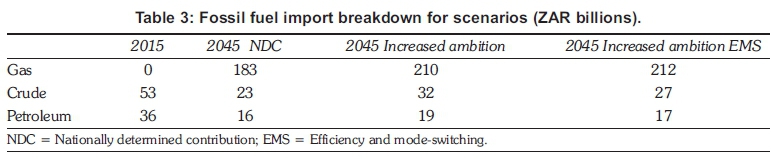
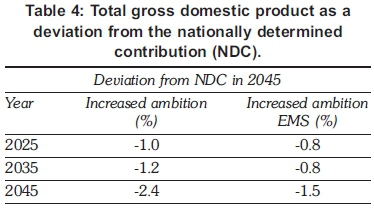
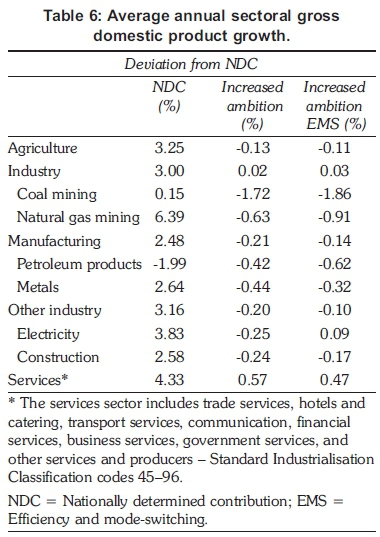
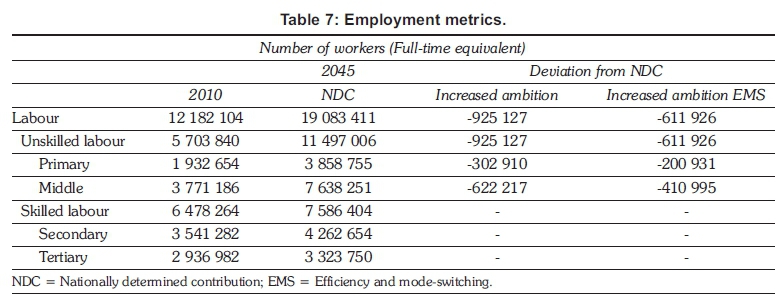
Globally, governments are investigating transport solutions that not only reduce their national emissions but also decrease their reliance on energy imports and increase clean air in cities and towns. A transition in the transport sector is seemingly inevitable considering these priorities. This study outlines some key socio-economic implications of a transition in South Africa's transport system, building on work previously done. The focus was on a rapid decarbonisation of the South African economy and the potential impacts of implementing efficiency improvements in the transport sector, including mode-switching. The overall finding was that a more ambitious decarbonisation target would have marginal impact on the economy relative to South Africa's nationally-determined contribution. It was further found that the implementation of efficiency improvements and changes in behaviour (decreased mileage, increased occupancy, increased rail use and increased use of public transport) could significantly reduce the burden on the economy of a higher GHG emission reduction target.
computable general equilibrium (CGE); energy transition; mitigation; electric vehicles; efficiency
 Thumbnail
 Thumbnail
 Thumbnail