Modelling emissions from Eskom's coal fired power stations using Generalised Linear Models
Abstract
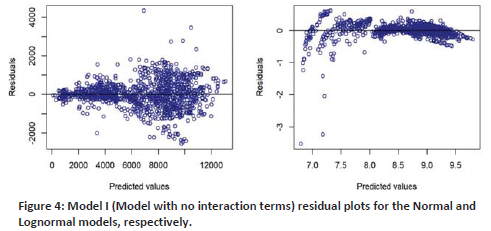
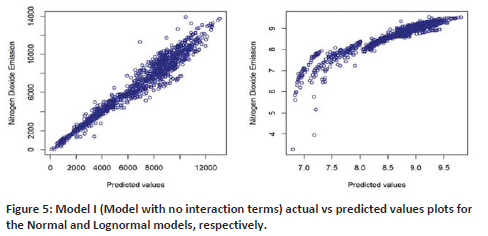
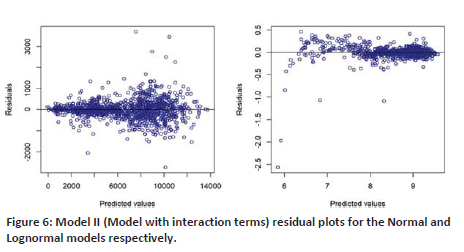
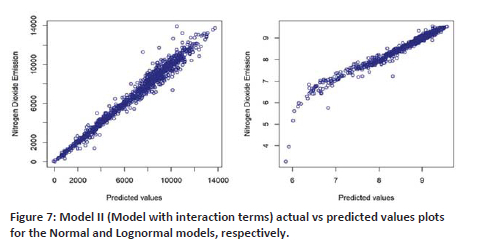
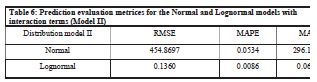
The aim of this paper is to determine if a Generalised Linear Model (GLM) is a better model over the traditional simple linear regression when fitted to nitrogen dioxide (N02) emitted into the atmosphere during the production ol electricity from 13 Eskoms coal fuelled power stations. GLMs have flexibilities of allowing the variance to vary as a function of the mean (non-constant variance), and have the advantage of keeping the data in its original scale. Unlike regression, the models do not assume a linear relationship between the response variable and the explanatory variables, and instead the link function is used. The data also need not be Normally distributed. Group-lasso interaction network (glintemet) was used in variable selection for the GLM models. A similar model using regression analysis was fitted foi comparison. The results show that a GLM can be used to predict and explain NO2 emissions from coal fired electricity stations in South Africa. The Lognormal model was found to be the better model by diagnostic measures including plots that showed improved variance behavior in the residuals. Various variables such as amount of electricity sent oui (in GWhs), age of power station (in years), power station used, and interaction terms such as electricity and station, Age and station can be used in describing and predicting NO2 emissions (in tons) from Eskoms coal fuelled powei stations.
Eskom; generalised linear modelfs) (GLM); linear regression; lognormal distribution; nitrogen dioxide (NO2) emissions
 Thumbnail
 Thumbnail
 Thumbnail
 Thumbnail
 Thumbnail
 Thumbnail
 Thumbnail