The energy transition patterns of low-income households in South Africa: An evaluation of energy programme and policy
Abstract
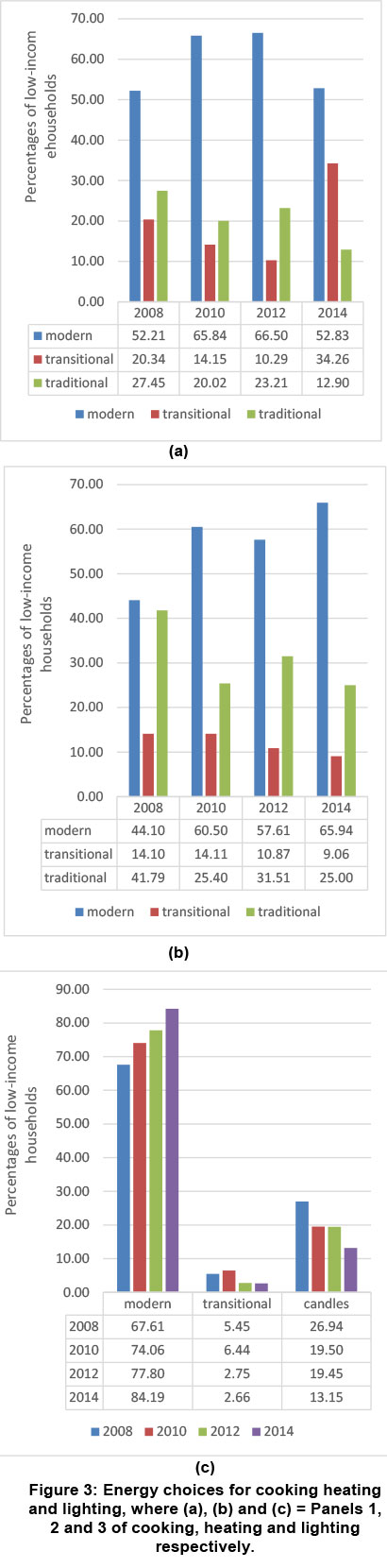
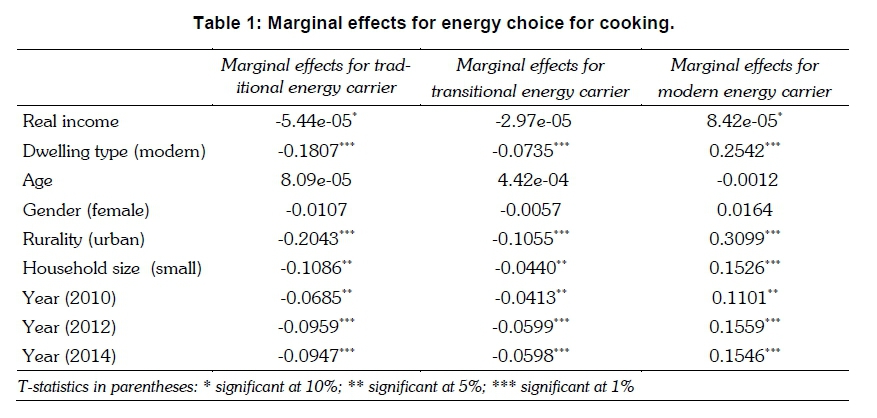
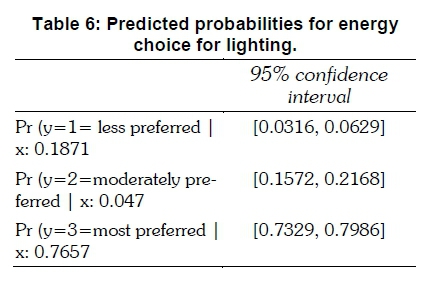
The transition to modern energy carriers like elec- poverty; electricity tricity is an important way to achieve to eradicate energy poverty. This study investigated energy transition patterns and trends in low-income South African households. The marginal effects of the different determinants on the probability of choosing a specific energy carrier were computed and the influence of some endogenous characteristics in transitioning to modern energy carriers was explored. It was found that energy ladder behaviour exists for cooking while energy stacking was most likely for space heating and the pattern for lighting tended towards energy stacking. Dwelling type, household size and geographical location were among the key determinants of the energy transition pattern. Policies to reduce energy poverty need a multi-pronged approach and not only a focus on electricity access.
energy ladder; energy stacking; energy
 Thumbnail