The nexus between energy poverty, social capital and well-being in Gauteng, South Africa
Abstract
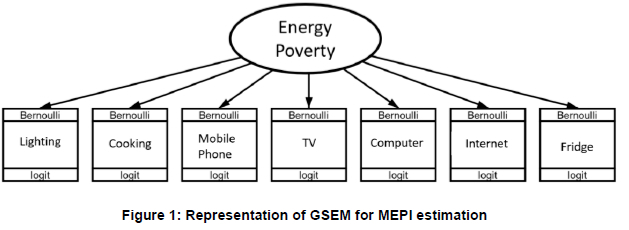
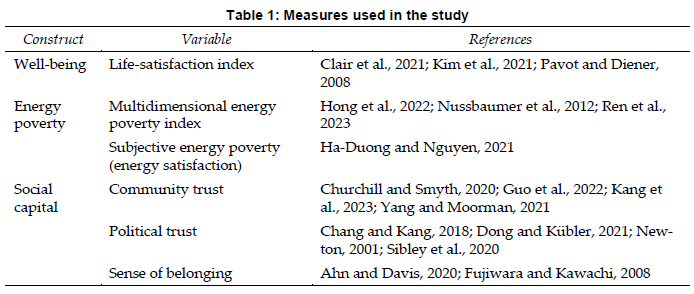
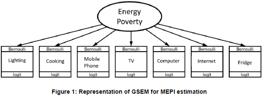
The paper reports on an investigation into the impact of energy poverty and social capital on well-being, comparing individuals from below- and above-poverty line households. A multidimensional energy poverty index (MEPI) was constructed using a generalised structural equation modelling approach to measure the effect of energy poverty on well-being. We found that that higher levels of energy poverty, measured objectively as an MEPI, or subjectively as energy satisfaction, affected well-being negatively, while higher levels of social capital increased well-being. However, the effects varied by household income: MEPI only had a negative effect on well-being for low-income household respondents, and subjective energy poverty only had a negative effect on low-income and middle-income household respondents. Similarly, social capital's impact varied by household income: for both groups, the strongest source of higher well-being was a sense of belonging, whereas the impact of political trust was stronger for higher-income groups. The findings suggest that policies which decrease energy poverty would improve well-being, but should take into account specific household and community characteristics. Further, fostering neighbourhood social capital is essential, especially for the poorest of the poor.
multidimensional energy poverty index; subjective energy poverty; sense of belonging; community trust; political trust; income level; life satisfaction index
 Thumbnail