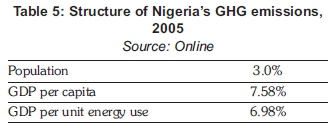
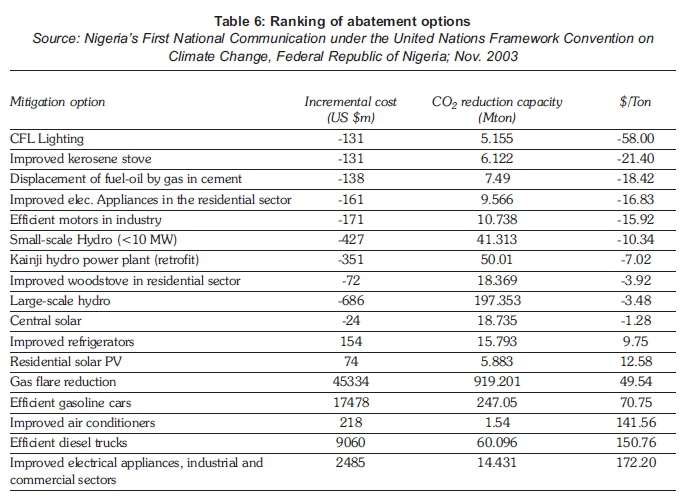
Impact of renewable energy deployment on climate change in Nigeria
It is well known fact that the rate of industrial growth of any country is a function of the amount of energy available in that country and the extent to which this energy is utilized. The burning of fossil fuels to generate energy is a dirty process. Greenhouse gas (GHG) emissions result when fossil fuels are produced and consumed and these emissions contribute to climate change. Nigeria as a country is highly vulnerable to the impacts of climate change because its economy is mainly dependent on income generated from the production, processing, export and/or consumption of fossil fuels and its associated energy-intensive products. Hence, it is on this premise that this paper is researched to review the energy sources being used in Nigeria and investigate its impact to climate change. Findings reveal Nigeria's over-dependence on fossil-generated energy with associated adverse environmental effects, among other things. Recommendations for the integration of renewable energy into Nigeria's energy mix, beyond other measures, have been offered, especially with reference to the salient environmental benefits that accrue to it.
Climate change; fossil fuels; GHG emissions; renewable energy
 Thumbnail
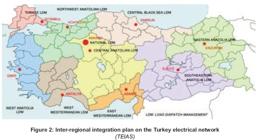 Thumbnail
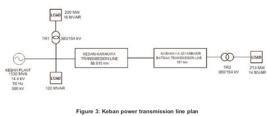 Thumbnail
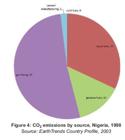 Thumbnail
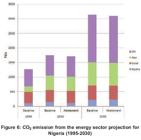 Thumbnail
 Thumbnail