Energy improvement in induction furnace using foaming slag with variation of carbon injection
Abstract
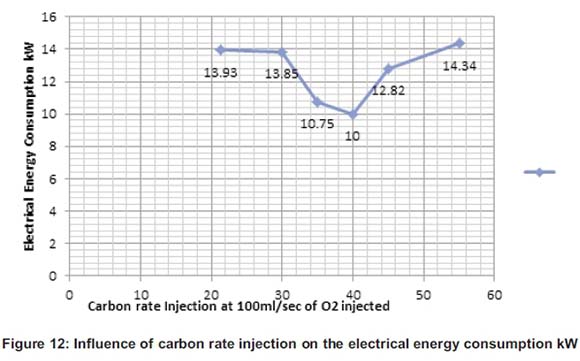
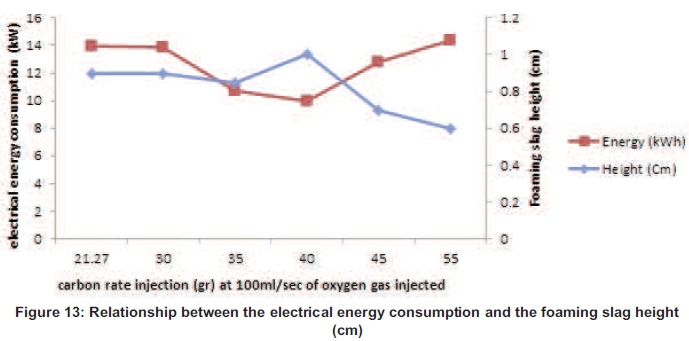
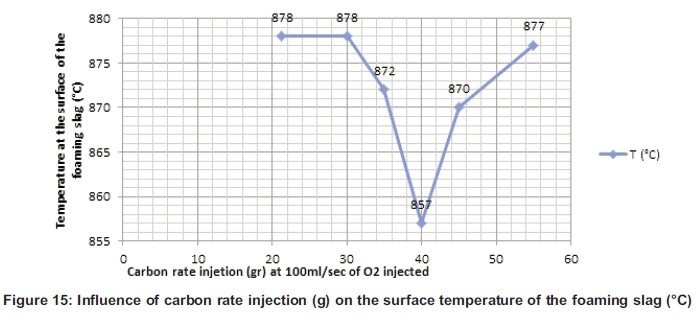
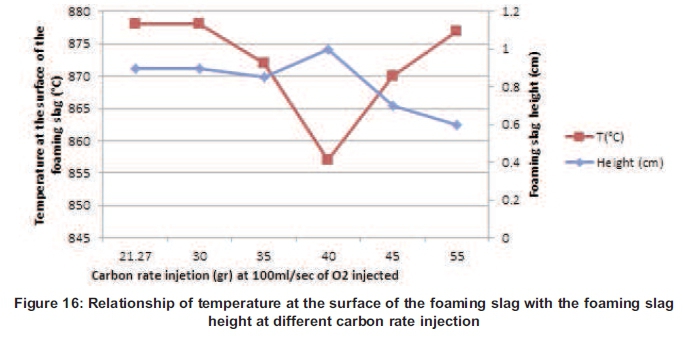
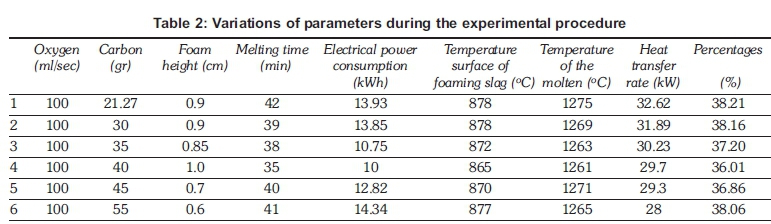
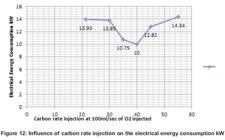
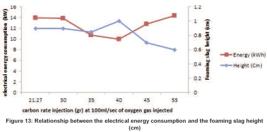
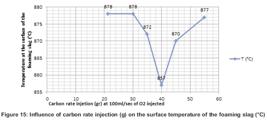
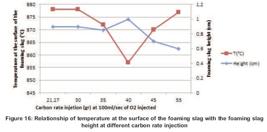
Energy efficiency is nowadays one of the biggest concerns worldwide. It has become one of the critical matters to any country and industry particularly in South Africa. Because of the complexities and challenges found in industries and especially in foundry, many strategies have been established to measure and regulate more efficiently the energy. Many studies have been conducted in steelmaking process and electrical arc furnace using foaming slag to reduce energy consumption. As such, in this case study, the experiment will be conducted in a small foundry metal casting laboratory using an Induction Furnace (IF), which will reduce energy usage by using the foaming slag and as well pointing out the importance and the impact of carbon rate change on the foaming creation. After experiments all results show that the melting time can be reduced from 42min to 35 min, which is 20% time saving, the electrical energy consumption also has been reduced from 13.93kWh to 10kWh which is 39.3% saving. On the other hand, the foaming slag optimum height was reached at 1 cm. Therefore, a simple modelling has been designed and calculations have been made on heat transfer at the surface opening of the Induction Furnace and temperature loss has been reduced from 878°C to 870°C, with heat transfer loss reduced from 27.99kW to 26.38kW which was 6.10% of energy saving.
energy efficiency; foaming slag; induction furnace; foundry metal casting
 Thumbnail
 Thumbnail
 Thumbnail
 Thumbnail
 Thumbnail
 Thumbnail
 Thumbnail
 Thumbnail
 Thumbnail
 Thumbnail
 Thumbnail
 Thumbnail
 Thumbnail
 Thumbnail
 Thumbnail
 Thumbnail
 Thumbnail
 Thumbnail