Dirt analysis on the performance of an engine cooling system
Abstract
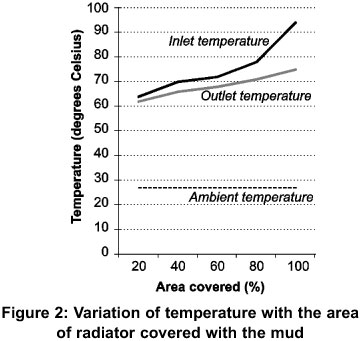
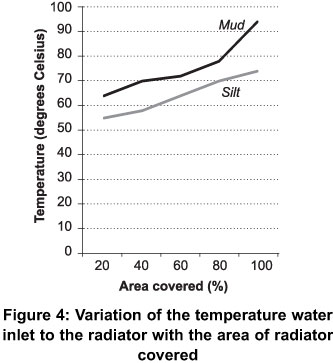
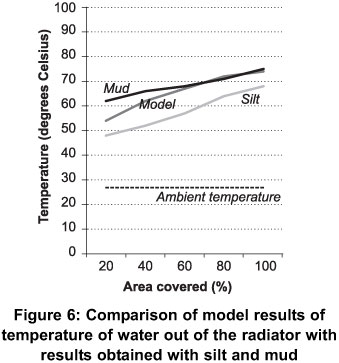
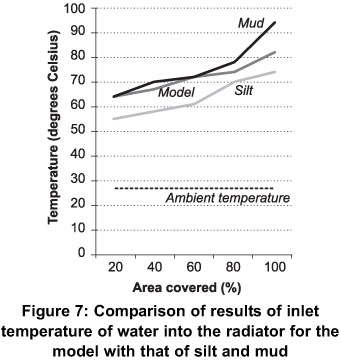
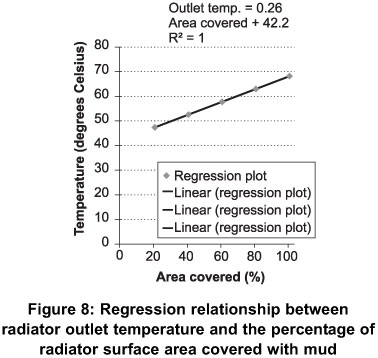
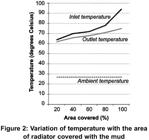
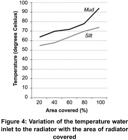
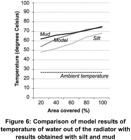
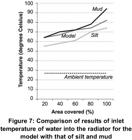
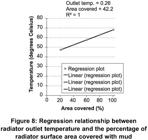
This present work looked at the effect of sand blocking the heat transfer area of the radiator and its effect on the engine coolant through the conduct of experiments and a mathematical model developed. The results indicated that the percentage area covered resulted in a proportional increase of the inlet and outlet temperatures of the coolant in the radiator. The mathematically model developed also predicted the experimental data very well. Regression analysis pointed out that every 10% increase area of the radiator covered with silt soil resulted in an increase of about 1.7oC of the outlet temperature of the radiator coolant. Similarly, using mud as a cover material, 10% of the area covered of the radiator resulted in an increase of about 2oC of the outlet temperature of the radiator coolant. Statistical analysis pointed to the fact that the result obtained for mud, silt and the mathematical model were not significantly different. Thus, irrespective of the type of material that blocks the radiator surface area, the coolant rises proportional of the radiator covered.
radiator; silt; mud; coolant
 Thumbnail
 Thumbnail
 Thumbnail
 Thumbnail
 Thumbnail
 Thumbnail
 Thumbnail
 Thumbnail