Transient stability control by means of under-frequency load shedding and a hybrid control scheme
Abstract
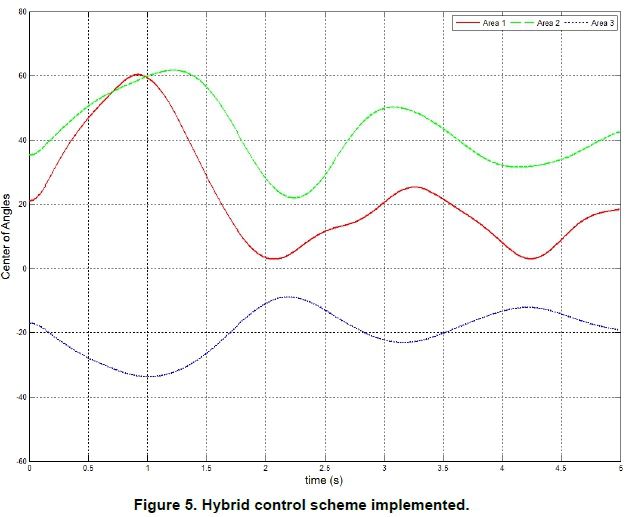
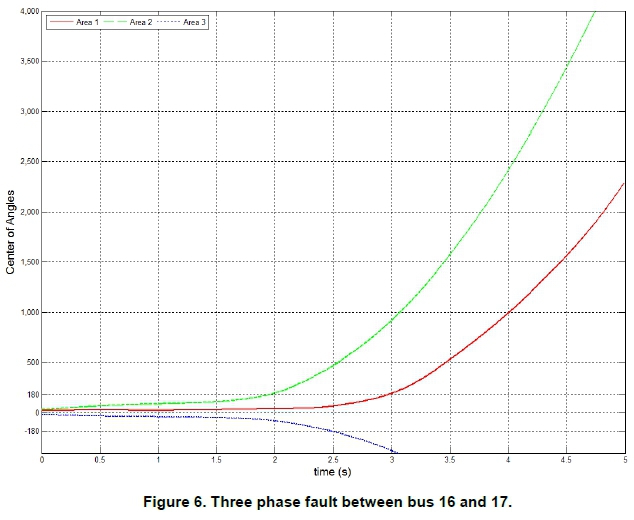
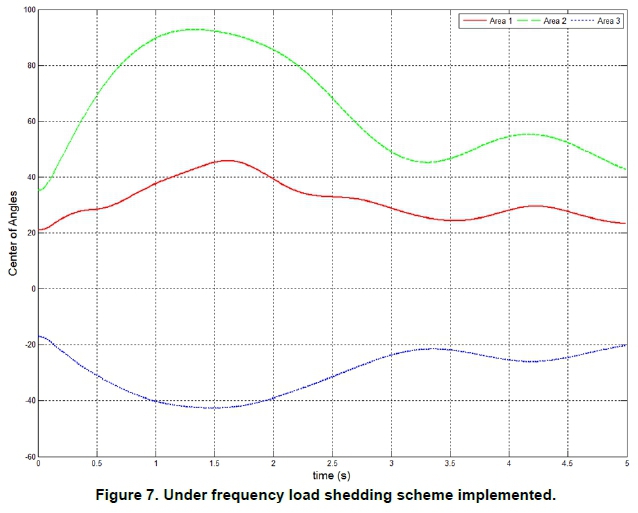
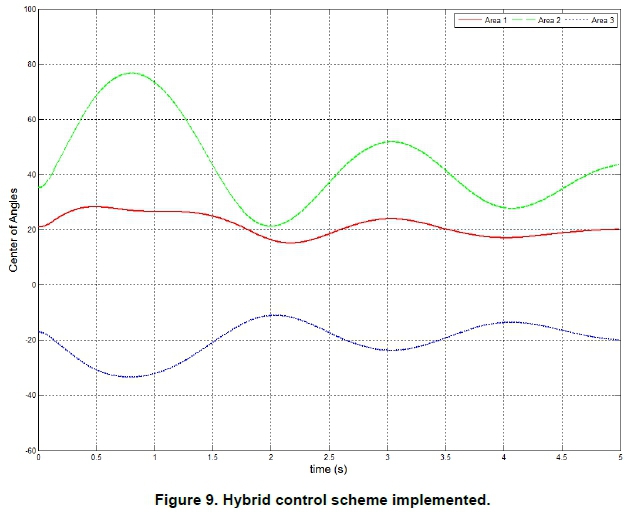
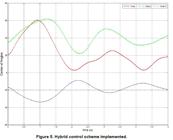
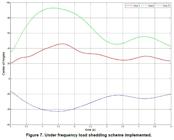
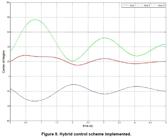
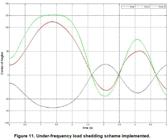
An electrical network constantly faces unforeseen events such as faults on lines, loss of load and loss of generation. Under-frequency load shedding and generator tripping are traditional methods used to stabilise a network when a transient fault occurs. These methods will prevent any network instability by shedding load or tripping the most critical generator at a calculated time when required. By executing these methods, the network can be stabilised in terms of balancing the generation and the load of a power system. A hybrid control scheme is proposed where the traditional methods are combined to reduce the stress levels exerted on the network and to minimise the load to be shed.
transient disturbances; centre of inertia (COI)-referred frame index; power system stability
 Thumbnail
 Thumbnail
 Thumbnail
 Thumbnail
 Thumbnail
 Thumbnail
 Thumbnail
 Thumbnail
 Thumbnail
 Thumbnail