The vulnerability of the South African electricity transmission network infrastructure to weather and climate: A review
Abstract
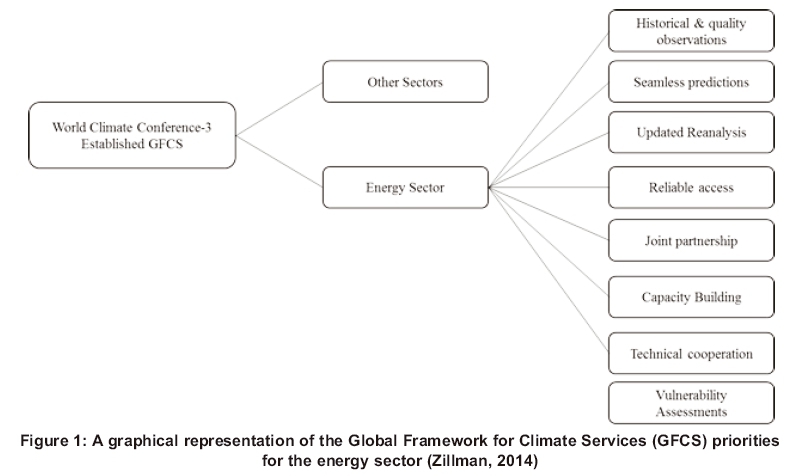
Meteorological factors have an influence on global energy systems. This study reviewed some of the latest research contributions from other global studies on climate change impacts, energy transportation and international collaboration in the energy-meteorology sector. It is a summary of relevant South African research on energy demand, forecasting and vulnerability to extreme meteorological conditions. International weather-energy partnerships are growing fast, while the Global Framework for Climate Services has provided a global framework for scientific collaboration across sectors to assist with climate-related risk management and decision-making. The uptake of weather-energy partnerships in developing regions has remained slow, however, particularly in Africa, where basic requirements such as meteorological observations are still sought. This review found that studies on the impact that future projections of climate change and variability might have on the South African electricity transmission network were inadequate. A deeper understanding of such impacts on the electricity infrastructure would assist considerably with risk management and decision-making; consequently contributing to the sustainable provision of electricity in South Africa.
electricity supply; climate change; extreme weather events; electrical faults
 Thumbnail