A systematic decision support system to objectively evaluate retrospective energy efficiency modelling options
Abstract
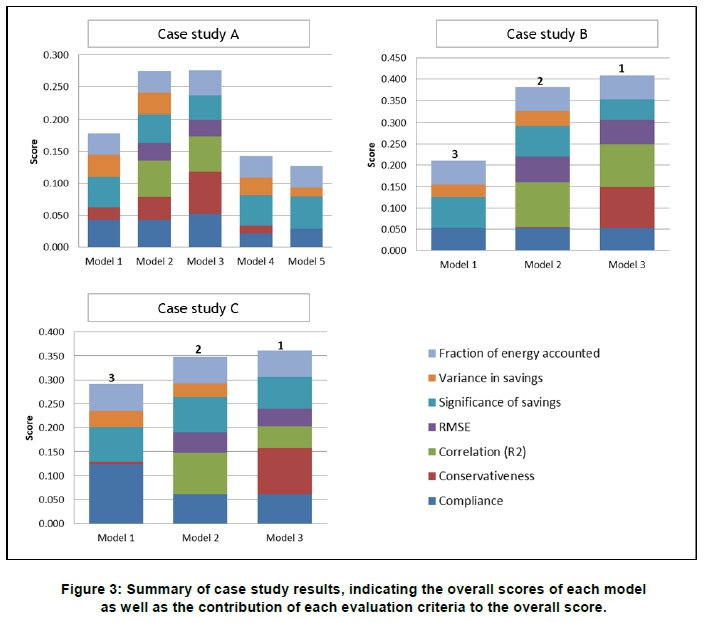
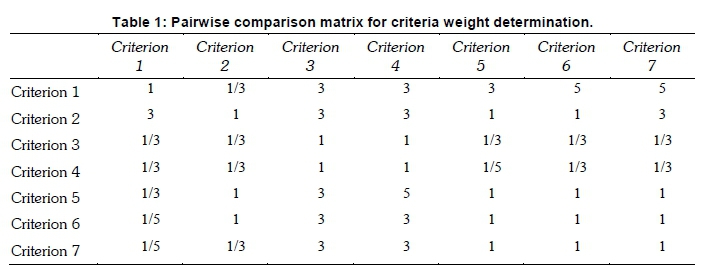
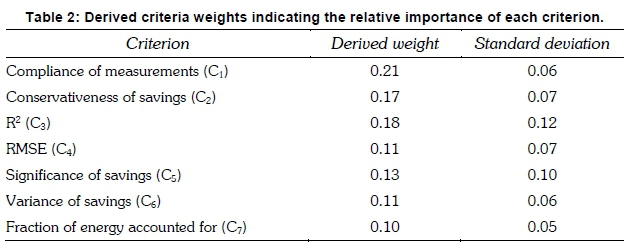
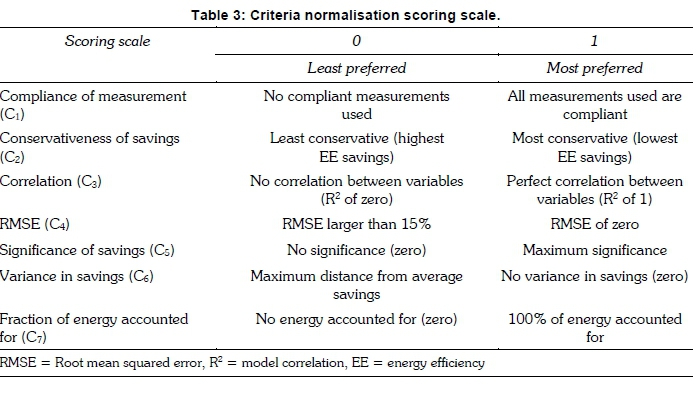
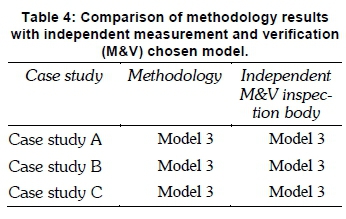
Tax incentives are one of the methods used by the South African government to incentivise energy efficiency. One of these incentives is Section 12L of the Income Tax Act (1962), which allows a significant tax deduction as a result of quantifiable energy efficiency (EE) savings. The associated EE savings are calculated by means of baseline models and must be in accordance with the national standard for measurement and verification, i.e. SANS 50010, which is based on international practice. The present study developed a methodology that assists EE projects with incentive applications to objectively evaluate potential modelling options and ultimately select a final model. This methodology is based on the weighted sum method. It is verified by applying it to three actual case studies and is further validated by comparing the results obtained from the case studies to independent results of formal and successful incentive applications. The methodology allows for a transparent selection of a modelling option that is compliant with the relevant tax incentive regulatory requirements and untainted by personal bias.
tax incentives; baseline models; transparent; measurement and verification
 Thumbnail
 Thumbnail
 Thumbnail