The quote or paraphrase conundrum: Towards a unified theoretical and practical framework
Abstract
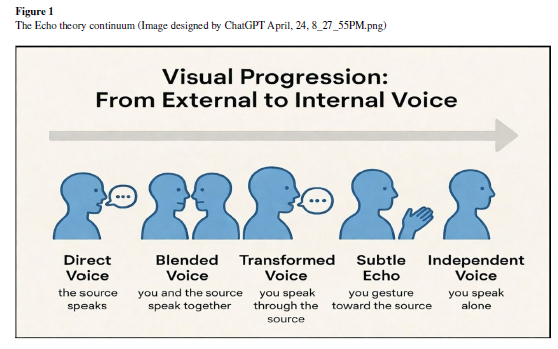
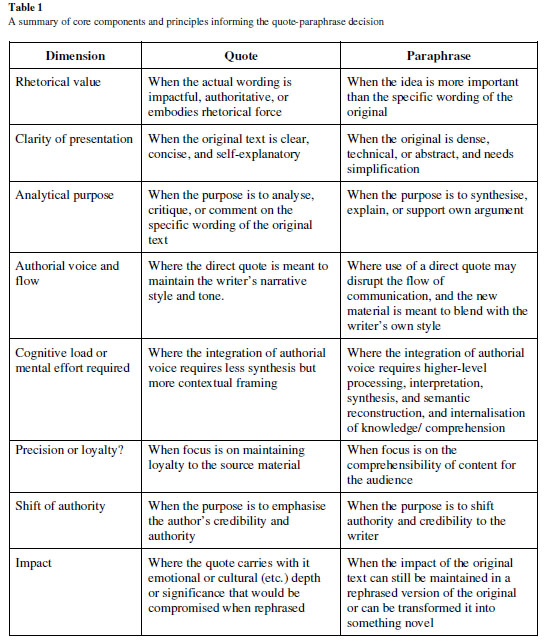
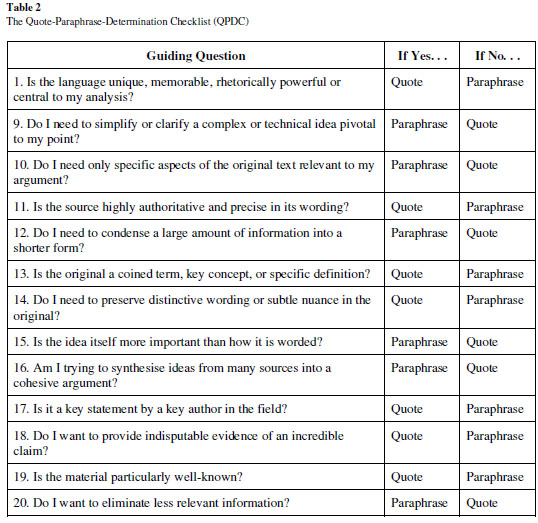
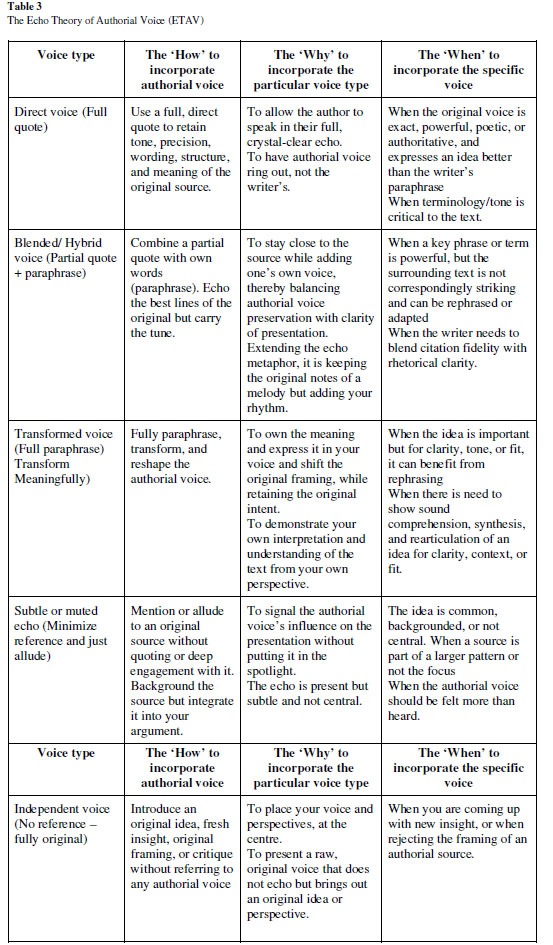
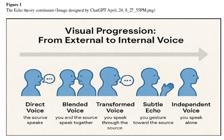
In this paper, I examine the often-overlooked theoretical, rhetorical, and referential dimensions of quoting and paraphrasing in scholarly writing, beyond their reductive treatment as mere technical, stylistic, and mechanical practices for satisfying ethical obligations. I discuss the flawed and sound justifications for quoting or paraphrasing, highlighting the educational, rhetorical, ethical, ideological, and persuasive consequences of the choice. I draw on several fragmented theoretical positions to demonstrate how the seemingly technical decision to quote or paraphrase is a cognitive, rhetorical, context- and genre-sensitive decision with significant implications for the writer's engagement with authorial voice in bolstering their own arguments. I challenge writing teachers to go beyond the rule-based pedagogy of quoting and paraphrasing, to enable students to construct knowledge, take a stance, and engage in scholarly discourse. In the absence of a targeted theoretical framework for quote-paraphrase practices, I propose a five-level continuum metaphor-based theoretical framework, and a quote-paraphrase decision checklist as a practical heuristic to aid writers in strategic decisions about source integration informed by their rhetorical goals. I recommend a more thoughtful, deliberate, and principled approach to integrating sources in scholarly writing that transcends the traditional and technical conception of quoting and paraphrasing, in favour of a more empowering approach.
authorial voice; paraphrasing; quoting; scholarly writing; source integration
 Thumbnail