Discipline and control: A Foucauldian perspective on discipline as a tool for creating docile bodies
Abstract
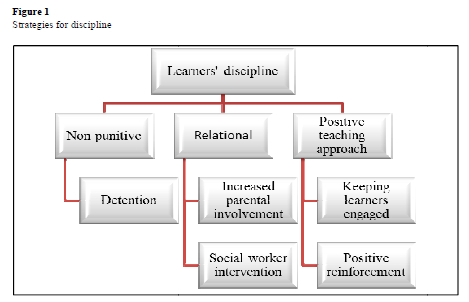
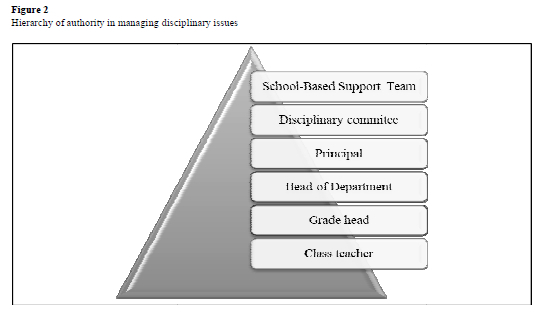
Discipline as a thorny issue has been a global challenge, and the South African education system is not spared. Section 10 of the South African Schools Act banned corporal punishment in schools. Nevertheless, recent studies suggest that educators link the rising problem of indiscipline in many schools to the ban on corporal punishment and the absence of effective alternative disciplinary approaches. This qualitative case study explores the intricacies of discipline in the post-apartheid classroom. This paper is anchored in Foucault's disciplinary techniques as described in his book, Discipline and Punish and argues that discipline as an expression and tool creates docile bodies through the effect of power. In Foucauldian thinking, the bodies of individuals are controlled to produce docile bodies whilst contributing to abating or curbing disciplinary challenges. The findings reveal that alternatives to corporal punishment at the case study school control learners' behaviour and mindset without inflicting pain. Drawing on the case study findings and Foucault's understanding of discipline, I argue that the disciplinary measures in both the apartheid and post-apartheid eras control individual's bodies to obey school rules and regulations.
control; corporal punishment; discipline; docile bodies; punishment
 Thumbnail
 Thumbnail