Promoting healthy eating habits through the provision of traditional foods in preschools: The case of Mogoditshane Village, Botswana
Abstract
This article uses a qualitative case study design to explore the role of preschools in instilling healthy eating habits by providing traditional foods. The study was carried out in Mogoditshane Village, Botswana. Data were drawn from face-to-face interviews with three purposively selected preschool principals who make decisions regarding meal planning and partnering with food suppliers. Nine preschool teachers and three cooks with long work experience in the preschools were also engaged in face-to-face interviews. Three focus group discussions were conducted with parents of the learners during school open days. Researcher observations on meals, teaching, and learning activities were done to verify the strategies used by the preschool centres to promote healthy eating habits through traditional foods. To analyse the data, a thematic approach was used, where data from participants were summarised and coded into themes for the presentation, interpretation, and discussion of the results. The study findings revealed that there is considerable awareness of the need to integrate traditional foods in preschool diets. Nonetheless, preferences for Western culture over African culture has led to the neglect of traditional foods in favour of junk food and other industrially processed foods. The paper recommends a change of perception through a consideration of traditional foods for the improvement of the health and well-being of the learners.
traditional foods; junk foods; preschool; healthy eating habits; unhealthy eating habits
Introduction
Although traditional food-eating habits are vital to learners' health, well-being, and holistic development, studies show that the globalisation shift to processed and convenient foods has contributed to the erosion of traditional food systems (Food and Agriculture Organization of the United Nations [FAO] et al., 2021; Ghosh et al., 2023; Kasimba et al., 2019; Saavedra, 2022). This has, in turn, contributed to poor eating habits in educational settings, negatively affecting learners' well-being. A study by Kasimba et al. (2019) indicates that Botswana's healthy diet is being replaced by high-energy, dense foods of poor nutritional quality, which leads to high micronutrient deficiencies among preschoolers. As a result, there is an alarming rise in non-communicable diseases linked to unhealthy eating habits characterised by high levels of fatty processed meats, saturated fats, refined grains, and sugar.
Dietary intake at school has a strong impact on health and eating habits, and schools are crucial sources of education that help shape what to eat, how much of it, when to eat; how learners ought to eat from early years throughout their childhood (Masse et al., 2014). Dudley et al. (2015) further argue that teachers are key agents in promoting healthy eating habits because learners spend significant time in schools. Learners are likely to consume a variety of meals in preschool centres.
A healthy lifestyle is attainable through the consumption of healthy food (Saskirana et al., 2024). Promoting healthy eating habits in preschools requires deliberate strategies. Literature has indicated that in order to promote healthy eating, preschool caregivers could use techniques such as instructional methods, role modelling, and stakeholder engagement, among other factors (Dudley et al., 2015). However, there is a lack of a comprehensive, pragmatic approach that enables preschool caregivers to integrate traditional foods into preschool diets to foster healthy eating habits. Accordingly, this study explored eating habits that prevail in Mogoditshane preschools in comparison with local traditional foods, factors influencing children's acceptance or rejection of traditional foods, strategies and challenges associated with integrating traditional foods. The study then proposes measures for promoting healthy eating habits through the provision of traditional foods.
The theoretical underpinning of this study is guided by the food systems conceptual framework adapted from the High Level Panel of Experts on Food Security and Nutrition (HLPE, 2017) and Rozin's (1990) model of food choice. Food systems are composed of interconnected drivers, elements, and activities that affect the production, distribution, accessibility, and consumption food (Dekeyser et al., 2020). Studies identify biophysical and environmental, innovation, political and economic, socio-cultural, and demographic drivers as key determinants of dietary outcomes, including healthy eating habits (Dekeyser et al., 2020; HLPE, 2017).
Biophysical and environmental drivers consist of climate change, seasonality, and drought. These factors influence the production and availability of traditional foods that, in turn, increase exposure and familiarity with these foods (HLPE, 2017). Innovation and technological drivers focus on the adoption of ideas and the use of technology to improve food production, processing, and preparation. Assan (2023) asserts that innovation improves food safety and preserves the nutritional and commercial value of traditional foods. This highlights the relevance of the food systems framework in creating environments that promote the provision of healthy foods.
Political and economic drivers concentrate on issues such as the development of policies and regulations to guide dietary practices, food prices, supply, and restrictions (HLPE, 2017). Kennedy et al. (2022) indicate that food prices and supply can promote or limit the provision of traditional foods. Furthermore, policies could attempt to restrict unhealthy food availability and reduce the prices of traditional foods to promote their consumption (FAO, 2021).
Socio-cultural drivers include cultural beliefs, norms, and values, caregiver influence, and family practices that influence children's eating habits (HLPE, 2017). Caregivers and teachers can shape children's attitudes towards, and acceptance of traditional foods. Demographic drivers focus on population growth, urbanisation, and migration among other factors. Molotoks et al. (2021) indicate that urbanisation and high population density may lead to limited access and availability of traditional foods. Therefore, demographic drivers may transform food systems, thereby influencing eating habits in preschools.
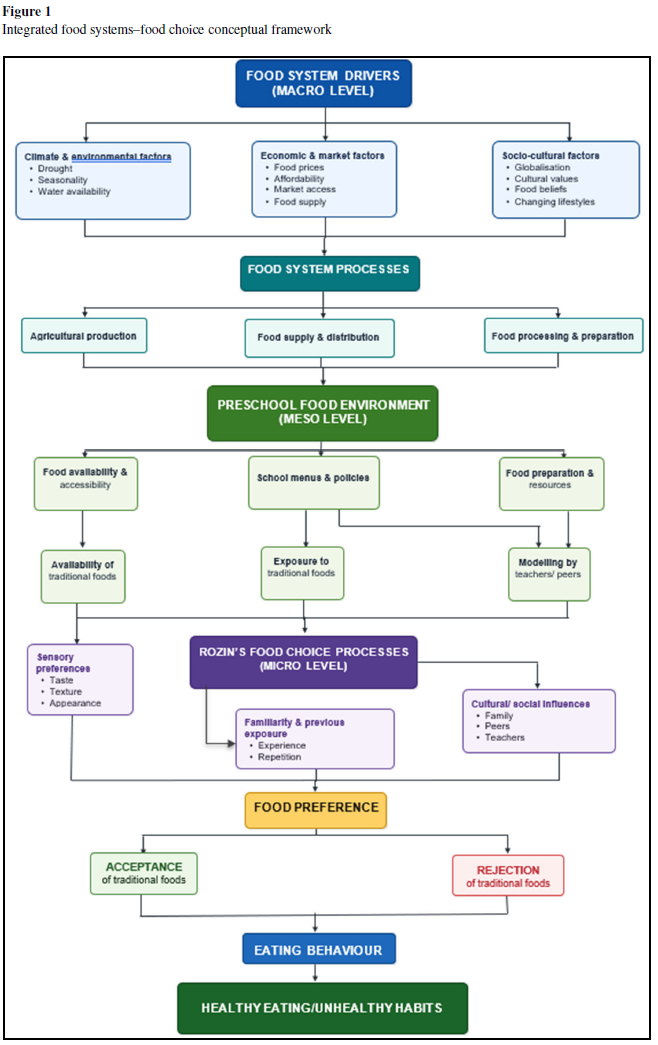
Rozin's (1990) model of food choice explains how individual and sociocultural factors such as the availability of food and its cost, sensory appeal, modelling, and cultural and learned preferences influence eating habits. Rozin asserts that the biggest determinant of what one eats is availability and cost. Thus, people may choose food because it is cheap and readily available. Going further, Rozin argues that exposure through culture and early food experiences frequently leads to assimilation. Thus, learners may accept new foods due to exposure, and reject traditional foods to which they have been previously exposed. Regarding social influence, Rozin argues that young learners develop eating habits through observation and imitation. When significant others express a cheerful outlook toward, and a liking for certain foods, learners do the same. Lastly, Rozin maintains that food acceptance and rejection are determined by sensory properties. These properties include taste, smell, and appearance (Rozin, 1996, 2015). In view of Rozin's theory, children's preference for junk, sugary, and processed foods can be explained by sensory appeal. Linking the two frameworks indicates that eating habits in preschools are not about food choices but an interaction between two systems. Figure 1 shows the proposed integrated framework influencing eating habits in preschools.
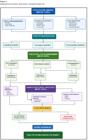
This framework indicates that healthy eating habits in preschools are influenced by macro- and meso-level food-system drivers, while food choice is shaped by micro-level drivers. Food system drivers determine whether preschools can afford and access traditional foods through the production, supply, and preparation processes. The food system processes, in turn, influence eating habits through exposure, school menus, policies, and modelling, among other factors. Under food choice, children may reject or accept traditional foods due to cultural beliefs, food appeal, and taste. The acceptance of traditional foods leads to healthy eating habits whereas rejection promotes unhealthy eating. This integrated framework has been proposed because one approach is insufficient to explain how complex food systems interact with individual and socio-cultural influences on food choice. The framework illustrates how interconnected systems can promote or hinder preschools in promoting healthy eating habits through the provision of traditional foods.
Methodology
The study adopted a qualitative approach using a multiple case study design. An inductive qualitative approach enables the researchers to study participants in their natural settings (Ernest et al., 2023; Eyisi, 2016). The researchers therefore immersed themselves in the Mogoditshane community to gain a deeper understanding of the traditional healthy eating habits practised in the local preschools. Three preschools were purposively selected, focusing on their willingness to participate in the study, location, and implementation of the feeding programme. The selection represented distinct characteristics of preschool contexts to capture activities and practices on promoting healthy eating habits. The study participants were also purposively selected to provide data for this study, considering their experience and length of service in preschool feeding practices in Mogoditshane. They included three principals, with one principal from each school; nine teachers, with three teachers from each school; three cooks, with one cook from each school; and eighteen parents, with six parents from each school.
Three focus group discussions (FGDs), each lasting one hour, were conducted with six parents participating in each group. This method allowed participants to interact and share different opinions on the importance of promoting healthy eating habits through the provision of traditional foods. The FGDs were organised in liaison with school authorities, while the school development association chairperson helped the researchers with the purposeful selection of group participants. The basis for the selection of participants was that they form part of the local private preschool education system. Their role provided them with relevant knowledge and experience of preschool feeding practices, including the provision and consumption of traditional foods.
Face-to-face, 30-minute, semi-structured interviews with principals, cooks, and teachers were conducted using interview schedules that explored, among other factors, (1) participants' understanding of healthy eating habits, (2) existing dietary practices among preschool learners, (3) control factors on the selection of foods in preschool settings, (4) cultural significance of traditional foods in Mogoditshane, (5) encounters of caregivers (good and bad) when promoting healthy eating habits, (6) barriers to integrating traditional foods into preschool menus, (7) scrutiny of existing policies related to nutrition in preschools, and (8) recommendations for policy enhancement to support traditional diet integration into preschool diets. Dewi (2021) emphasises that semi-structured interviews encourage debate and probe for further explanation. Thus, the researchers were able to capture different views and experiences on eating habits in the preschools.
Furthermore, non-participant observations on traditional feeding practices and classroom activities that promote healthy eating habits were conducted to verify data from interviews and FGDs. These observations focused on the following: existing dietary practices, behaviour of learners and teachers during mealtimes, practices that promote acceptance or rejection of traditional foods, and physical environment in relation to the provision of traditional foods. Through observation, researchers were able to document food-related practices in preschools.
After approval was obtained from Baisago University, the researchers sought permission to conduct the study from the preschool principals. Informed consent was obtained, focusing on the importance of the study, procedures that included the right not to participate, and confidentiality. The signing of consent forms by participants further indicated their commitment to participate and allowing researchers to collect data. The participants comprised three principals (P1-P3), with each participant representing one of the three schools. Principal 1 (P1) represented School 1 (PS1), P2 represented PS2, and P3 represented PS3. The study also included nine teachers (T1-T9), with T1-T3 from PS1, T4-T6 from PS2, and T7-T9 from PS3. In addition, three cooks (C1-C3) participated, C1 represented PS1, C2 was from PS2, and C3 drawn from PS3. Eighteen parents participated in the FGDs. PS1 comprised Participants 1-6, PS2 comprised Participants 7-12, and PS3 comprised Participants 13-18. To guarantee the privacy of learners and minimise disruptions in teaching and learning, the teachers, cooks, and principals suggested convenient times for interviews and observations.
To ensure trustworthiness in the study, the researchers considered credibility, confirmability, and transferability. Tajik et al. (2024) recommend the use of purposive sampling for enhancing the credibility of research findings because it enables researchers to select participants with relevant knowledge and experiences. In this study, selected participants had experience in Botswana preschool feeding practices, teaching, and learning. Furthermore, researchers enhanced the credibility of the findings through triangulation. Christensen et al. (2015) emphasise that comparing information obtained through different methods enables researchers to identify consistencies and differences across various data sources. The process strengthened the credibility and accuracy of the findings by providing a more comprehensive understanding of the participants' experiences, hence reducing reliance on information obtained from a single data source.
In addition, non-participant field observations were carried out to enable researchers to check and compare data from diverse sources. Chand (2025) recommends the use of non-participant observation because it minimises the researcher's influence on participants' behaviour, thereby enhancing validity and study outcomes. Lastly, FGDs and interviews were audio-recorded and transcribed to obtain accurate responses. Braun and Clarke (2021) note that verbatim quotations, and documenting recorded data through coding improves confirmability. The process enabled participants' views to be accurately documented and traced throughout the analysis process.
Following the in-depth interviews, FGDs, and observations conducted with purposively chosen respondents, data were analysed using a thematic approach. Researchers read the collected data to understand the participants' views. Initial codes were then generated by noting texts addressing the promotion of healthy eating habits through the provision of traditional foods in preschools. Key sentiments were coded and grouped into themes and used to deduce opinion patterns (Braun & Clarke, 2019). In cases where participants' responses contradicted each other on the same question, researchers evaluated these differences by comparing data from various sources. Contradictory views were not removed because they provided different perspectives on preschool eating habits. This process enhanced the credibility and richness of the findings by ensuring that both similar and different views from participants were accurately reported.
Study findings
The findings show that eating habits in Mogoditshane Village are influenced by the interconnection of social-cultural, economic, and environmental drivers, which lead to the decline of traditional food consumption in the preschools. Modernisation, among other factors, has contributed to shifts from traditional foods to Western processed foods. Findings indicate that parents, children, and teachers in Mogoditshane increasingly associate Western and processed foods with modernity, convenience, and higher social status, while traditional foods are often perceived as old-fashioned or associated with poverty. The shift to processed foods has not only raised health concerns but undermined the acquisition of knowledge and practices related to traditional foods.
Economically, findings highlight challenges such as scarcity and high cost that have reduced the affordability and accessibility of traditional foods. Such economic pressures force preschools to rely on readily available and cheaper processed foods. On environmental factors, results indicate that seasonal availability of traditional crops affected by climate change contributes to limited traditional menus in preschools. These findings link with the integrated food systems-food choice conceptual framework, which indicates that interconnected drivers influence children's food choices and consumption.
Profile of diets in Mogoditshane
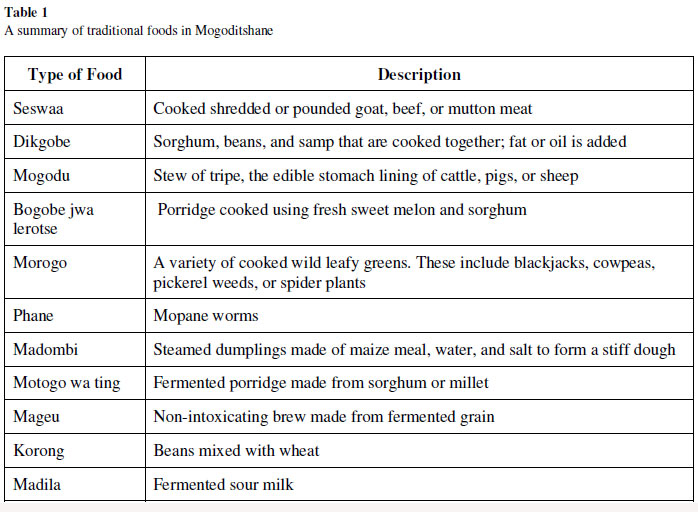
Following the interviews, FGDs, and field observations, field notes were analysed to generate a summary of traditional foods in Botswana in general, and Mogoditshane, in particular. Table 1 shows a summary of the foodstuffs of the Mogoditshane community.
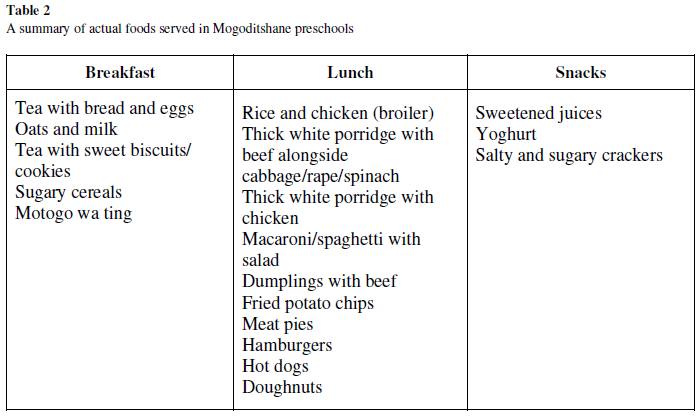
The data show that while these items were stated as being the traditional foods of the Mogoditshane community, not all of them were regularly prepared and universally preferred throughout the studied communities. Traditional foodstuffs such as bogobe jwa lerotse and mageu were reportedly quickly replaced by their highly processed industrial substitutes. Rather than serving the original, traditionally prepared cuisines, these were being replaced with modern packaged products from industrial suppliers. The researchers further established the specific diets that preschool authorities are providing to their learners. The results of the inquiry are summarised in Table 2.
A significant difference was noted between the two diet packages; that is, what was reported as Botswana's traditional diet versus what the majority of the preschools offered to their learners to eat. The majority of the diet components were observed to be industrially processed commodities. However, observations also indicated that few teachers consume traditional foods during mealtimes. For example, T2 in preschool A brought motogo wa ting (fermented porridge from sorghum). Another teacher (T5) in preschool B was also reported to frequently bring dikgobe (sorghum, beans, and samp cooked together). It was noted that most of the teachers often ate junk foods that included hot dogs, fried chips, and fizzy drinks.
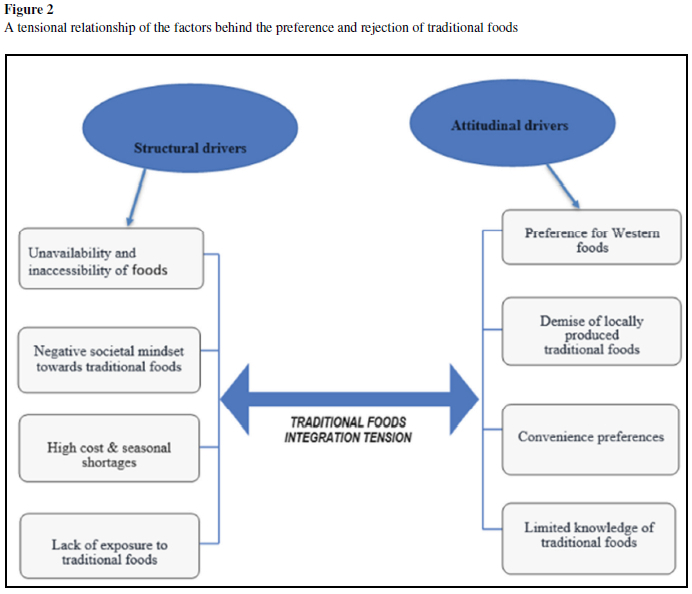
Thus, the authors noted a tension between two forces: firstly, that which promotes high junk food consumption and, secondly, that which promotes a low consumption of traditional foods. This was deduced from insights shared in the interviews and FGDs, later complemented by field observations. Figure 2 was drawn to reflect the tension between the factors behind the promotion and reduction of consumption of traditional foods.
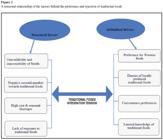
Figure 2 illustrates two environmental forces that constrain or support the provision of traditional foods in Mogoditshane preschools. A high junk food culture is largely driven by the excessive availability of processed foods that are readily accessible, leading to the rejection of traditional foods. On the other hand, attitudinal drivers such as the societal mindset that views junk and processed foods as a wealth symbol normalises its consumption. Again, the low traditional food culture is influenced by structural drivers such as high cost and seasonality, leading to the decline in locally produced traditional foods. These are worsened by poverty stigmatisation and lack of knowledge, which causes people to view traditional foods as outdated. In comparison, processed and junk foods are supported by structural drivers such as availability, affordability, and accessibility, while attitudinal drivers, including perceptions of convenience and social desirability, further encourage their consumption. Traditional foods are constrained by structural drivers such as seasonal shortages, limited production, and poor supply, as well as attitudinal drivers such as perceptions of being old-fashioned. The interaction of these drivers creates a tension that constrains the provision and acceptance of traditional foods, thereby limiting the promotion of healthy eating habits in preschools.
Strategies to promote healthy eating habits through traditional foods
Although participants acknowledged they use different measures to promote healthy eating habits, several strategies were reported by the teacher fraternity. These include the use of songs and storytelling aimed at promoting traditional foods. For instance, T1 had this to say: "Young learners like playing; most of the time we sing songs and play games related to healthy eating habits." Likewise, P3 and P1 corroborated this by indicating that they encourage teachers to involve learners in activities that promote traditional food habits, whilst P2 emphasised integrating traditional foods alongside modern foods. The researcher noted that in some songs, learners mentioned traditional foods repeatedly for knowledge acquisition and understanding.
The researcher further observed preschoolers engaging in different food games that included puzzles. Professionally designed food games reflect different traditional foods that expose preschoolers to different healthy habits through engagement. T4 stated that "engaging learners in games allows them to gain experience about traditional foods and celebrate their diversity." T6 echoed that view: "The challenge with games is that learners might withdraw from engaging when they realise that their traditional foods are excluded from the game." This was evidenced by observations that indicated that food puzzle cards, in most classes, did not adequately feature traditional foods.
On the use of charts, T3 shared: "I display pictures of traditional foods so that learners can identify and describe them during the teaching and learning process." That was echoed by most of the interviewed teachers in all three visited schools (PS1-PS3). Observations clearly showed the teachers' efforts to promote healthy eating habits through multiple teaching and learning activities. For example, in PS1, a number of charts with traditional Botswana foods were displayed. The teacher referred to the charts in several instances, reinforcing the importance of traditional foods in promoting healthy eating habits. Although most teachers acknowledged that pictures and charts are key in promoting healthy eating habits, observations indicated that some of the charts and pictures did not represent traditional foods in Botswana. When asked why this was so, T2, T6, and T9 concurred that this is a syllabus requirement and, therefore, they had to teach it.
The majority of the preschool principals and cooks emphasised the importance of cultural days in promoting healthy eating habits. For instance, P2 stated, "During cultural events, we serve learners with cultural foods." P3 claimed that: "At times we buy foods like vegetables, beans, and maize direct from local farmers." C3 had this to say: "When I decide to make traditional dishes, I add spices and serve them in small portions so that learners can finish them." The general view of the responses indicates that the provision of plain traditional foods is not enough to attract the young to eat them unless they are spiced with modern flavours.
Challenges in promoting healthy eating habits through traditional foods
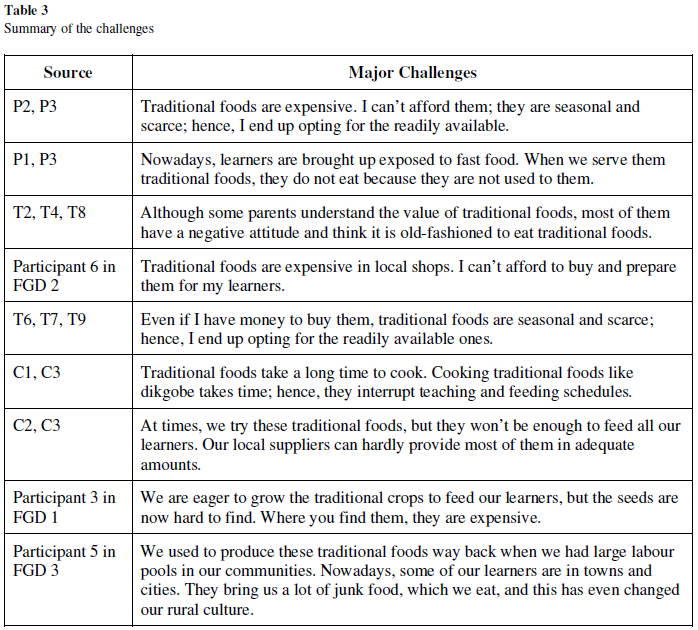
Many challenges were listed by participants. In cases where views were repeatedly expressed, the authors summarised them, selecting the participants who most clearly expressed these. Table 3 provides a summary of the key challenges drawn from the interview sessions, FGDs, and researcher observations.
In the three selected preschools, birthday celebrations were viewed as key activities for learners and caregivers. Observations further revealed instances where learners were being served with junk and sugary foods, such as cakes, snacks, sweets, burgers, chocolates, and fizzy drinks during celebrations. The study findings indicated that preschool authorities are aware of the need to serve their learners with traditional foods. Equally, most of the parents also understand the value of traditional foods for their children's health. However, some hold negative attitudes and think it old-fashioned to eat traditional foods.
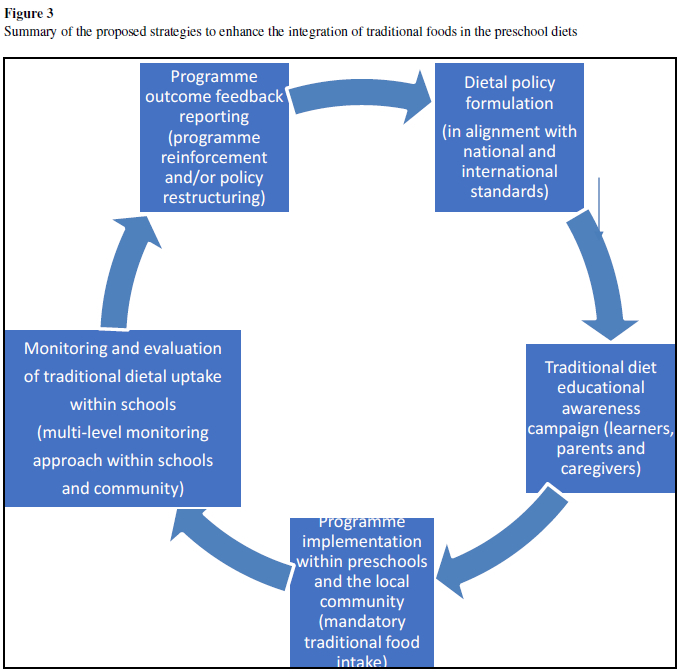
Most parents opt to pack junk food for their learners to eat so they do not eat the traditional food served at school. Teachers play their part in terms of educating the learners on what to include in their diets. Nonetheless, it is a daunting task to undo the culture planted in the learners by their home backgrounds. Based on the study findings, this paper advances an array of proposed strategies aimed at promoting the integration of traditional foods in preschool diets. Figure 3 provides a summary of the ideas.
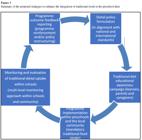
Given the cultural wave that has promoted them, modern foods cannot be removed abruptly from meal programmes, and cannot be taken off the menu right away. However, a gradual integration of traditional foods would eventually transform the food intake culture in young learners, as pointed out by Tosca (2023), who argues that culture is built on repetitive practices. When people are educated on certain practices, they eventually make sense of the subject. Parents are not left out of the traditional food intake discourse. Through the existing policy structures on food and health, they are educated so that, in turn, they educate their learners. Learners learn better when they are informed by their parents, their primary caregivers. A constant review of communities' and schools' responses to dietary recommendations could ensure a transition to the adoption of traditional foodstuffs.
Discussion
The theoretical findings of the study can be interpreted using the integrated food systems-food choice conceptual framework. Botswana still has a myriad of traditional foods being consumed. Like other countries, Botswana has several policies that restrict or regulate food consumption in preschools. The study findings resonate with literature suggesting that preschools may try to adhere to these national policies (Aarestrup et al., 2014; FAO, 2021). However, the main challenge is that environmental drivers such as seasonality and cost determine the availability of traditional foods. Kennedy et al. (2022) argue that food prices and supply can promote or limit the provision of traditional foods. This resonates with Rozin's (1990) cost and availability dimension. Therefore, preschools resort to cheap, fast, and readily available processed foods, reducing children's exposure to traditional foods and thereby limiting acceptance. Shiji & Beela (2024) suggest that school-based gardens can improve the availability and affordability of traditional foods, offering a potential strategy for addressing the shortages and expense that limit the provision of traditional foods in preschools. Such recommendations could be adopted by preschool centres to address the shortages and expense that limits healthy eating habits in preschools.
The fact that teachers in Mogoditshane schools consumed junk, processed, and healthy traditional foods resonates with Rozin's (2015) idea of caregiver influence, under the social influence dimension. The theory states that food preferences are transmitted by caregivers because learners observe and imitate. For example, learners at PS1, PS2, and PS3 showed signs of imitating what their caregivers ate. As noted, some caregivers modelled healthy traditional food habits and, in some instances, traditional foods such as motogo wa ting and dikgobe were served. Likewise, studies have indicated that young learners observe and imitate the healthy eating habits of their caregivers and peers (De Cosmi et al., 2017; Wang & Taylor, 2025). This was echoed by Sirasa et al. (2020), who argue that caregivers influence the desire for food choices. Role modelling positive eating behaviours influences learners' healthy eating habits. This demonstrates the impact of socio-cultural drivers on food choice, rejection, and acceptance. Consequently, caregivers need to model healthy traditional food-eating habits for preschoolers to emulate.
Most of the noted means to promote the integration of traditional diets in Mogoditshane preschools are in line with the literature. Key observed strategies in promoting healthy eating habits include activities, such as games, songs, and the use of charts. The use of games aligns with the idea of cultural and learned experiences by Rozin (1990). Consistent with this view, a study conducted by Riasatian et al. (2023) found that preschoolers may select healthy eating behaviours after engaging in food games, suggesting that play activities influence children's food choices. However, due to learners' diverse cultural backgrounds, teachers might find it challenging to design inclusive games that represent these diverse backgrounds (Chow et al., 2020). This is confirmed by observations made by the researchers, that learners were mostly engaged in Eurocentric games. However, research has shown that traditional games motivate and sharpen young learners' memory (Alotaibi, 2024; Isaxanova & Xujanazarova, 2020). Therefore, through games, learners can reinforce knowledge and develop positive attitudes towards traditional foods.
Furthermore, song and dance are known to be highly influential drivers of cultural trends. A study by Kabataş (2021) revealed that musical songs are a fundamental driver in developing healthy eating habits in young learners. Kyangchat & Joseph (2023), in their research, equally reason that jingle songs have short persuasive messages that lead to positive behaviour change in relation to healthy eating habits. However, the observed challenge was that most songs in the Mogoditshane preschools were not particularly relevant to promoting traditional food habits. Consequently, engaging young learners in traditional food songs that are aligned with healthy eating habits could assist in addressing unhealthy eating habits.
The fact that some Mogoditshane learners resist change because of what they have already been exposed to is not a unique experience. Studies also indicate that both the physical and the social environment influence learners to engage in unhealthy eating habits (Chopera et al., 2022; Kasimba et al., 2019; Utami, 2020). Therefore, preschools should create supportive environments by providing traditional foods, and help teachers, cooks, and parents understand the importance of traditional foods in promoting healthy eating habits.
Food systems links the consumption of food, processing, and preparation to culture (HLPE, 2017). Rozin (1990) further argues that food choices are influenced by cultural exposure. A study by Chege et al. (2015) shows that some cultural and dietary practices prohibit the consumption of meat, milk, and certain vegetables. Thus, through exposure to family beliefs and feeding practices, learners may reject or accept traditional foods. This becomes a key barrier for preschools to promote healthy eating habits and, therefore, calls for parental education to maintain consistency in healthy eating habits.
Rozin (1990, 2015) further contends that food acceptance and rejection are determined by sensory properties. As indicated by the findings, learners' selection of food clearly linked with food taste, texture, and appearance. For example, they showed interest in junk and sugary, colourful foods such as cakes, snacks, sweets, burgers, among other foods, and rarely showed interest in traditional foods such as dikgobe, madombi, and korong, although they have the best nutritional value. Guiné et al. (2021) note that innovation in the preparation and presentation of traditional foods promotes acceptance and consumption while retaining nutritional value. Thus, innovation can help parents, teachers, and learners overcome negative perceptions of traditional foods by improving their sensory appeal and presentation.
Conclusions and recommendations
The findings of the study provide a clear understanding of how healthy eating habits are promoted through the provision of traditional foods in Mogoditshane Village. Efforts by the government, non-governmental agencies, and other practitioners have enlightened many communities on the need to consider the inclusion of traditional diets. Challenges such as the tendency towards Western culture, easy availability of industrial foodstuffs, and excessive costs of traditional foods are key limiting factors. The negative attitudes of some parents, and the exposure of learners to junk and processed foods have implications for learners' health and development. The study therefore has the following recommendations.
Findings indicate that appreciation of traditional foods is shaped by exposure. Preschools are therefore encouraged to consistently prepare traditional meals to support healthy eating habits. Cultural initiatives such as traditional food days would also strengthen exposure to traditional foods. Study observations further show that caregivers model eating habits during mealtimes; hence, there is a need to provide in-service training for teachers, cooks, and principals. Training and awareness would equip caregivers with the skills and knowledge to understand the importance of traditional foods to effectively promote healthy eating habits. Since the preparation of meals is determined by the availability and seasonality of traditional foods, preschools are encouraged to partner with local farmers to provide local and seasonal foods. Preschools could further establish school gardens to grow vegetables and crops locally. Given that culture and parental attitudes influence learners' eating habits, awareness activities on the value of traditional foods could help to reinforce healthy eating habits in learners. Preschools should further tap into knowledge on traditional food preparation.
Limitations of the study
Although conclusions and recommendations have been suggested, the study has some limitations. Because the study was conducted in three private preschools in Mogoditshane Village, it fails to reflect a large-scale exploration of how healthy eating habits are promoted through the provision of traditional foods. Furthermore, the study does not capture the views of all preschool stakeholders because it focused on teachers, principals, parents, and cooks. Field observations were also limited to specific feeding and teaching times; hence, they may not reflect practices that do promote healthy eating habits. Despite these limitations, the study findings could benefit preschools in similar contexts.
Acknowledgments
The researchers acknowledge the use of ChatGPT (OpenAI) to guide in developing headings for some of the diagrams. All final headings were reviewed and edited for proper presentation.
References
- Aarestrup, A. K., Krølner, R., Jørgensen, T. S., Evans, A., Due, P., & Tjørnhøj-Thomsen, T. (2014). Implementing a free school-based fruit and vegetable programme: Barriers and facilitators experienced by pupils, teachers and produce suppliers in the Boost study. BMC Public Health, 14(1), Article 146. https://doi.org/10.1186/1471-2458-14-146
- Alotaibi, M. S. (2024). Game-based learning in early childhood education: A systematic review and meta-analysis. Frontiers in Psychology, 15(1), 1-15. https://doi.org/10.3389/fpsyg.2024.1307881
- Assan, N. (2023). Socio-cultural, economic, and environmental implications for innovation in sustainable food in Africa. Frontiers in Sustainable Food Systems, 7, 1192422. https://doi.org/10.3389/fsufs.2023.1192422
- Braun, V., & Clarke, V. (2019). Reflecting on reflexive thematic analysis. Qualitative Research in Sport, Exercise, and Health, 11(4), 589-597. https://doi.org/10.1080/2159676X.2019.1628806
- Braun, V., & Clarke, V. (2021). To saturate or not to saturate? Questioning data saturation as a useful concept for thematic analysis and sample-size rationales. Qualitative Research in Sport, Exercise and Health, 13(2), 201-216. https://doi.org/10.1080/2159676X.2019.1704846
- Chand, S. P. (2025). Methods of data collection in qualitative research: Interviews, focus groups, observations, and document analysis. Advances in Educational Research and Evaluation, 6(1), 303-317. https://doi.org/10.25082/AERE.2025.01.001
- Chege, P. M., Kimiywe, J. O., & Ndungu, Z. W. (2015). Influence of culture on dietary practices of learners under five years among Maasai pastoralists in Kajiado, Kenya. International Journal of Behavioral Nutrition and Physical Activity, 12(1), Article 131. https://doi.org/10.1186/s12966-015-0284-3
- Chopera, P., Zimunya, P. R., Mugariri, F. M., & Matsungo, T. M. (2022). Facilitators and barriers to the consumption of traditional foods among adults in Zimbabwe. Journal of Ethnic Foods, 9(1), Article 5. https://doi.org/10.1186/s42779-022-00121-y
- Chow, C. Y., Riantiningtyas, R. R., Kanstrup, M. B., Papavasileiou, M., Liem, G. D., & Olsen, A. (2020). Can games change children's eating behaviour? A review of gamification and serious games. Food Quality and Preference, 80(9), Article 103823. https://doi.org/10.1016/j.foodqual.2019.103823
- Christensen, L. B., Johnson, R. B., & Turner, L. A. (2015). Research designs, method, and analysis (12th ed.). Pearson Education.
- Dekeyser, K., Rampa, F., D'Alessandro, C., & Bizzotto Molina, P. (2020). The food systems approach in practice: Our guide for sustainable transformation (Discussion Paper No. 278). European Centre for Development Policy Management. https://www.ecdpm.org/dp278
- Dewi, I. G. A. A. O. (2021). Understanding data collection methods in qualitative research: The perspective of interpretive accounting research. Journal of Tourism Economics and Policy, 1(1), 23-34. https://doi.org/10.38142/jtep.v1i1.105
- Ernest, N., Fonkem, N., & Jude, S. (2023). Qualitative research methodology in social sciences. International Journal of Scientific Research and Management (IJSRM), 11(09), 1431-1445. D10.18535/ijsrm/v11i09.sh01
- Eyisi, D. (2016). The usefulness of qualitative and quantitative approaches and methods in researching problem-solving ability in science education curriculum. Journal of Education and Practice, 7(15), 91-100. https://files.eric.ed.gov/fulltext/EJ1103224.pdf
- Food and Agriculture Organization of the United Nations, International Fund for Agricultural Development, United Nations Children's Fund, World Food Programme, & World Health Organization. (2021). The state of food security and nutrition in the world 2021: Transforming food systems for food security, improved nutrition and affordable healthy diets for all. Food and Agriculture Organization of the United Nations. https://doi.org/10.4060/cb4474en
- Ghosh, S., Meyer-Rochow, V. B., & Jung, C. (2023). Embracing tradition: The vital role of traditional foods in achieving nutrition security. Foods, 12(23), Article 4220. https://doi.org/10.3390/foods12234220
- Guiné, R. P., Florença, S. G., Barroca, M. J., & Anjos, O. (2021). The duality of innovation and food development versus purely traditional foods. Trends in Food Science & Technology, 109, 16-24. https://doi.org/10.1016/j.tifs.2021.01.010
- High Level Panel of Experts on Food Security and Nutrition. (2017). Nutrition and food systems: A report by the High Level Panel of Experts on Food Security and Nutrition of the Committee on World Food Security, 152. https://www.fao.org/3/a-i7846e.pdf
- Kabataş, M. (2021). A study on healthy eating children's music lessons and school performance. African Educational Research Journal, 9(1), 112-120. https://doi.org/10.30918/AERJ.91.20.226
- Kasimba, S., Covic, N., Motswagole, B., Laubscher, R., & Claasen, N. (2019). Consumption of traditional and indigenous foods and their contribution to nutrient intake among learners and women in Botswana. Ecology of Food and Nutrition, 58(3), 281-298. https://doi.org/10.1080/03670244.2019.1598980
- Kennedy, G., Wang, Z., Maundu, P., & Hunter, D. (2022). The role of traditional knowledge and food biodiversity to transform modern food systems. Trends in Food Science & Technology, 130, 32-41. https://doi.org/10.1016/j.tifs.2022.09.011
- Kyangchat, S. M., & Joseph, A. B. (2023). Radio jingles and the development of healthy eating habits among university students. Journal of Language and Pragmatics Studies, 2(3), 245−252. https://doi.org/10.61424/ijmhr.v1i1.1
- Molotoks, A., Smith, P., & Dawson, T. P. (2021). Impacts of land use, population, and climate change on global food security. Food and Energy Security, 10(1), e261. https://doi.org/10.1002/fes3.261
- Rozin, P. (1990). Acquisition of stable food preferences. Nutrition Reviews, 48(2), 106-113. https://doi.org/10.1111/j.1753-4887.1990.tb02912
- Rozin, P. (1996). The socio-cultural context of eating and food choice. In H. L. Meiselman & H. J. H. Mac Fie (Eds.), Food choice, acceptance, and consumption (pp. 83-104). Springer. https://doi.org/10.1007/978-1-4613-1221-5_2
- Rozin, P. (2015). Food preferences, psychology, and physiology of. In J. D. Wright (Ed.), International encyclopedia of the social & behavioral sciences (2nd ed., Vol. 9, pp. 296-299). Elsevier.
- Saavedra, J. M. (2022). The changing landscape of children's diet and nutrition: New threats, new opportunities. Annals of Nutrition and Metabolism, 78(Suppl. 2), 40-50. https://doi.org/10.1159/000524328
- Shiji, N., & Beela, G. K. (2024). The role of garden-based nutrition education in enhancing healthy eating habits and cognition among preschoolers. Journal of Applied Life Sciences International, 27(5), 22-39. https://doi.org/10.9734/jalsi/2024/v27i5657
- Sirasa, F., Mitchell, L., Silva, R., & Harris, N. (2020). Factors influencing the food choices of urban Sri Lankan preschool children: Focus groups with parents and caregivers. Appetite, 150, Article 104649. https://doi.org/10.1016/j.appet.2020.104649
- Tajik, O., Golzar, J., & Noor, S. (2024). Purposive sampling. International Journal of Education and Language Studies, 2(2), 1-9. https://doi.org/10.22034/ijels.2025.490681.1029
- Tosca, S. (2023). Sameness and repetition in contemporary media culture. Emerald Publishing. https://doi.org/10.1108/9781804559529
- Utami, F. B. (2020). The implementation of eating healthy program in early childhood. JPUD-Journal Pendidikan Usia Dini, 14(1), 125-140. https://doi.org/10.21009/141.09
Accepted: 16 August 2026