Metaphors of becoming: A collaborative self-study of hope and affirmative ethics in times of educational polycrisis
Abstract
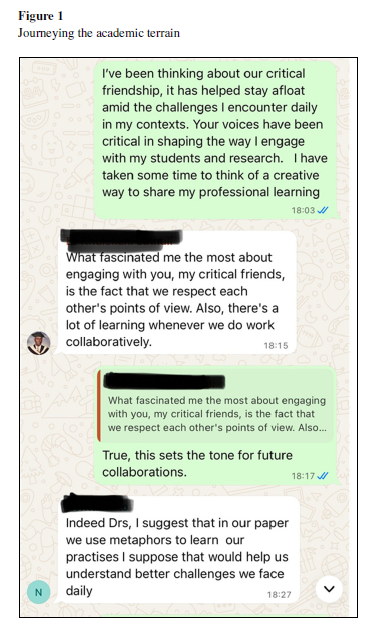
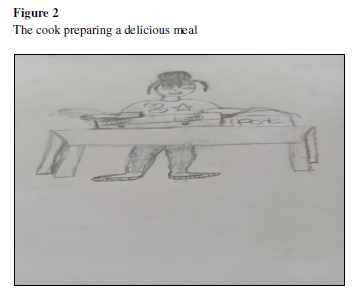
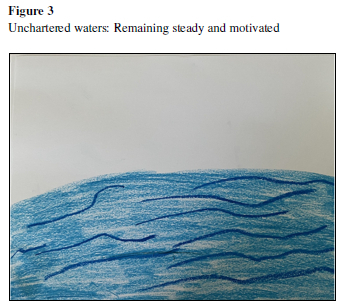
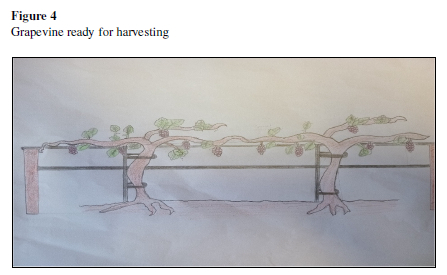
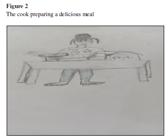
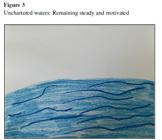
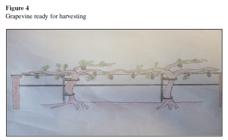
Education systems globally are navigating a polycrisis marked by curriculum reform, institutional uncertainty, emotional labour, and intensified accountability demands. This collaborative self-study by South African teacher educators and researchers explores how metaphor and reflexive inquiry can support meaning-making, professional agency, and hope amid educational complexity. Drawing on journal entries and three metaphoric drawings, we question: "How do collaborative self-study and metaphor-based reflection enable teacher educators/researchers to make meaning of their professional experiences within conditions of educational polycrisis?" The metaphors of a cook navigating curriculum reform, a ship sailing uncharted doctoral waters, and a grapevine cultivated through collaborative school leadership serve as analytic lenses for examining experiences of teaching, research, and leadership. Informed by a sociocultural perspective, the findings show that collaborative reflexivity fosters ethical responsibility, emotional resilience, professional learning, and agency. Hope emerges not as individual resilience or heroic endurance, but as a relational and negotiated practice sustained through critical friendship, care, and collaboration. The study argues that metaphor-based self-study offers an affirmative response to educational polycrisis by legitimising emotional, embodied, and contextual knowledge and creating possibilities for educators to navigate uncertainty while cultivating hopeful educational futures.
self-study; polycrisis; metaphoric reflexivity; professional learning; sociocultural theory
 Thumbnail
 Thumbnail
 Thumbnail
 Thumbnail