Distinguishing Dyslexia from foundational delay: Post-Covid reading outcomes in a high-needs South African school
Abstract
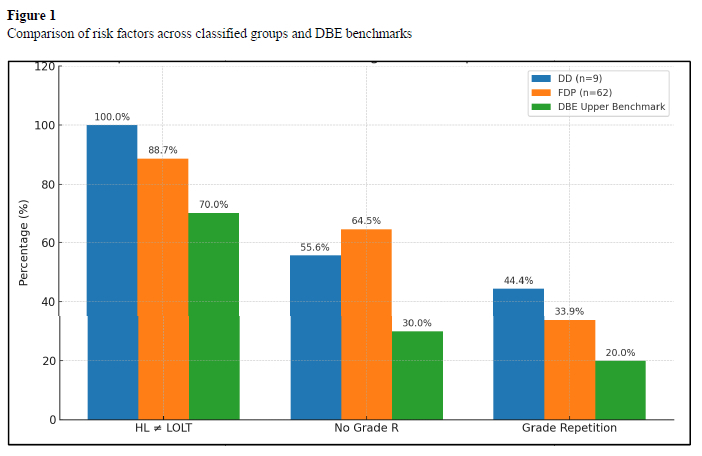
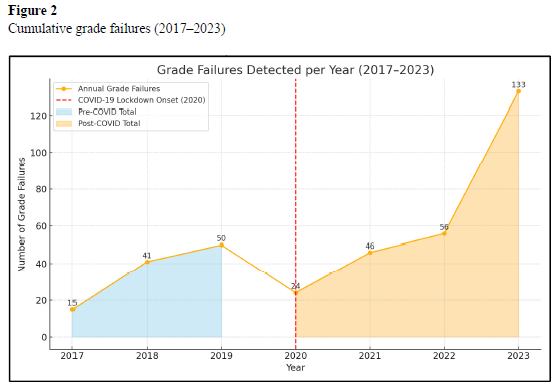
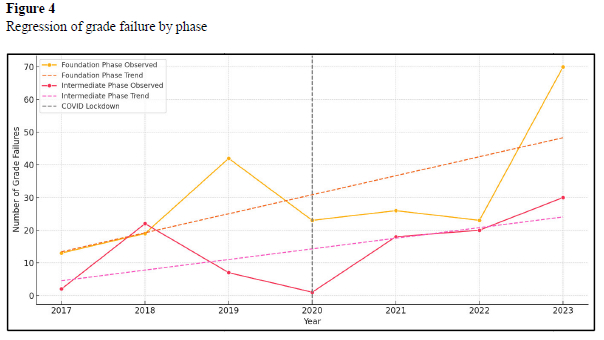
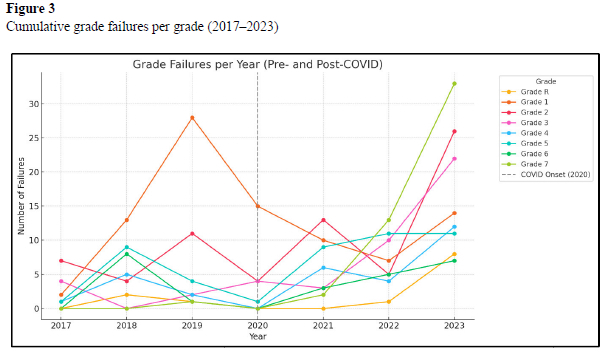
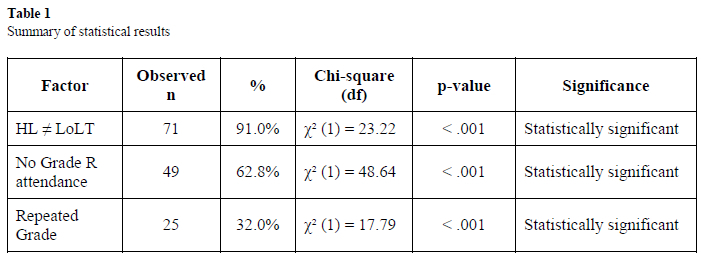
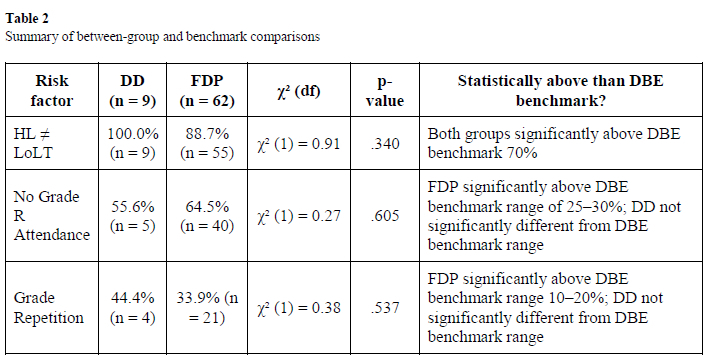
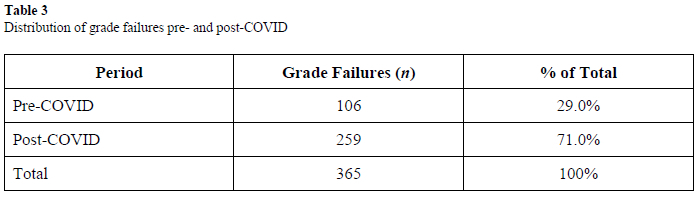
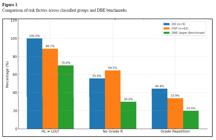
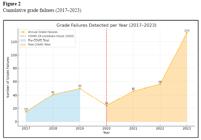
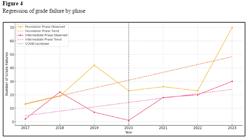
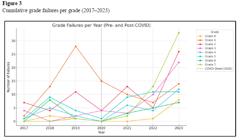
In this study we investigated reading proficiency outcomes in 78 learners at risk of grade failure in a high-needs South African school following the COVID-19 lockdowns. The primary objective was to determine whether reading difficulties reflected neurodevelopmental disorders, such as Developmental Dyslexia (DD), or were better explained by external, context-specific factors, individually conceptualised as Foundational Delay Phenomenon (FDP). Analyses revealed that most of the learners' reading difficulties were linked to FDP rather than DD. Three contributory factors-home language and language of learning mismatch, non-attendance of Grade R, and grade repetition-were examined in and across diagnostic groups. Longitudinal trends in grade repetition before and after the COVID-19 lockdowns were also analysed to assess the broader impact on academic progression. These findings highlight that reading difficulties in this context stem primarily from disrupted early education and limited instructional exposure rather than intrinsic cognitive deficits. The study underscores the importance of distinguishing between DD and FDP to guide accurate diagnosis, targeted intervention, and post-pandemic educational policy in high-risk school environments.
reading difficulties; foundational delay; exclusionary factors; COVID-19 lockdowns; high-needs school; South Africa
 Thumbnail
 Thumbnail
 Thumbnail
 Thumbnail