How engineering students use STEM e-textbooks
Abstract
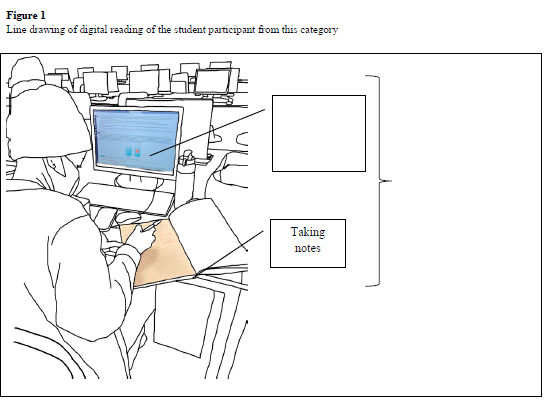
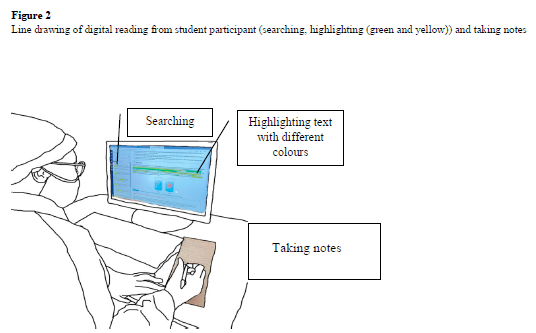
Higher education in South Africa has undergone a significant transformation in bringing unique challenges to both students and lecturers. One such challenge concerns the integration of digital technologies, particularly e-textbooks, into the teaching and learning process. In this study, I focus on first-year engineering students from two departments at a South African University of Technology. I employed a qualitative case study approach, drawing on data from fourteen students through individual semi-structured interviews, focus group discussions, classroom observations, and think-aloud protocols. Guided by the affordances framework, the analysis examined patterns of interaction with e-textbooks and the utilisation of their features. Findings reveal that, while students valued e-textbooks for accessibility and multimedia resources, many still relied on handwritten notes, thus reflecting prior schooling practices and limited digital literacy development. I conclude by emphasising the need for universities to provide targeted digital literacy training.
digital literacy practices; reading e-textbooks for learning; affordances; patterns of interaction; engineering education
 Thumbnail
 Thumbnail