Mentorship as a professional development tool: Addressing early childhood female teachers' lived experiences and perceptions
Abstract
In this article, I explore mentorship as a crucial professional development tool for novice teachers in Early Childhood Education (ECE), focusing on its role in identifying challenges and highlighting the lived experiences and perceptions of novice teachers, as well as those of school principals. I explore how structured mentorship and induction can provide essential support to novice teachers, particularly in a developing, inclusive, diverse, and transformative professional development program to support the contexts in which mentorship frameworks are inconsistent. Grounded in the Positioning Theory, Bosadi Theory, and in Ubuntu Theory, I report on how power dynamics, hierarchical structures, and collective responsibility shape mentorship experiences of novice teachers in ECE. I use a triangulation of the Positioning Theory to help explain how novice teachers navigate professional identity and relationships with mentors and school leadership, the Ubuntu Theory to emphasise the importance of communal support and shared responsibility in teacher development, and Bosadi Theory to narrate the lived experiences of female novice teachers in ECE. I used a qualitative methodology in an interpretivist paradigm, so the semi-structured interviews with six novice ECE teachers and two principals provided insights into their professional experiences. The findings reveal significant challenges related to mentorship; issues such as work overload, power dynamics, time management, and emotional support or the lack thereof emerged as critical. This article contributes to the limited South African literature on novice teacher support, and it advocates for formal mentorship programmes rooted in equity, collaboration, and collective growth. The findings also hold global relevance, in emphasising the need for structured, community-driven mentorship to improve teacher retention worldwide.
mentorship; induction; professional development; novice teachers; early childhood education
Introduction
The transition from initial teacher education to full-time in-service classroom practice is often a challenging experience for novice teachers, particularly in Early Childhood Education (ECE) (Jung et al., 2021). In South Africa, where schools face varying levels of resources, support, and mentorship structures, the Professional Development (PD) of novice teachers is critical to ensuring quality teaching and learning in the early years of schooling (Bertram, 2023). In this paper, I explore the significance of mentorship as a key component of professional development for ECE novice teachers, examining how mentorship practices influence their experiences, challenges, and overall integration into the teaching profession (Hooper et al. 2023). According to Darling-Hammond and McLaughlin (2011), professional development should be continuous, collaborative, and practice-based, allowing teachers to develop skills that enhance their instructional effectiveness. In the South African education system, the need for structured professional development is particularly pressing because of the diverse contexts in which teachers operate, including rural and under-resourced schools.
Mentorship is key to supporting the professional development of novice teachers. Research indicates that effective mentorship provides pedagogical guidance, emotional support, and professional socialisation, helping new teachers navigate the complexities of the classroom (Ingersoll & Strong, 2011). However, the effectiveness of mentorship depends on school structures, mentor-mentee relationships, and the extent to which novice teachers are positioned as active participants in their own learning rather than passive recipients of knowledge (Stewart & Jansky, 2022). Positioning Theory (Harre & van Langenhove, 1999) provides a valuable perspective from which to analyse how novice teachers are situated in mentorship relationships, to understand whether they are empowered to grow or merely expected to follow hierarchical directives.
Novice teacher experiences are often shaped by their access to support systems, workload expectations, and institutional culture (Krasnoff, 2014; Van Tonder & Fourie, 2015). Globally, research located within the niche of ECE shows that new teachers frequently struggle with classroom management, curriculum adaptation, challenges in workplace dynamics, difficulty relating to senior colleagues, the financial burden of teaching, socio-emotional and workplace adaptation challenges, and administrative demands, leading to high levels of stress and attrition among many other challenges (Curry, 2025; Neo Austein V Flores, 2025; Schaack et al., 2022). In South Africa, where schools vary significantly in the provision of mentorship, some novice teachers receive structured guidance, while others are left to navigate their roles independently. This disparity highlights the need for intentional, well-structured mentorship programmes that provide both practical and emotional support to help novice teachers transition successfully into the profession (Dyosini, 2024; Njiru & Odundo, 2024a). In this article I examine the impact of mentorship on the experiences of ECE novice teachers in South Africa, with a particular focus on power dynamics, workload distribution, and the effectiveness of mentorship structures. By analysing qualitative data from novice teachers and ECE principals, I provide insights into how mentorship can be improved to enhance professional development and teacher retention. The findings contribute to the broader discourse on mentorship as a transformative tool for teacher empowerment in emphasising the need for policies and practices that equip novice teachers with the confidence and competence to thrive. By fostering agency, mentorship enables new teachers to make adaptive decisions, a crucial skill in navigating the complexities of the profession (Ramrathan & Mzimela, 2016). The objectives of this research were to:
•• Examine how mentorship and induction shape novice ECE teachers' professional identity, practice, and well-being. This was done using Positioning Theory and Ubuntu Theory to interpret power dynamics, workload/time pressures, and emotional/psychological support needs from the perspective of teachers and principals.
•• Propose an evidence-based, multilevel mentorship model (district coaching, peer Communities of Practice, school-based induction aligned with the South African Council of Educators (SACE)) with clear roles, timelines, and evaluation indicators to standardise PD in the South African context.
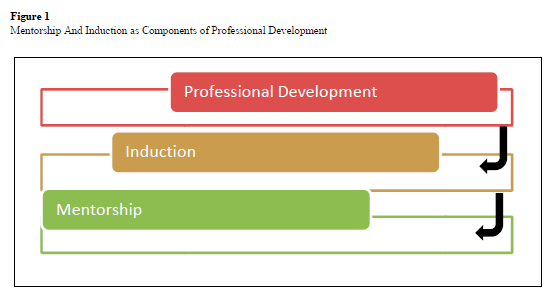
Figure 1 illustrates that induction is a component of mentorship which is, in turn, a component of professional development. Mentorship and induction are often referred to interchangeably or as a joint effort, but they are two distinct components of PD that play different roles in supporting teachers. Induction is the structured process of supporting and integrating novice teachers into the profession, helping them transition from pre-service initial teacher education to in-service teaching over a limited period of time (Bell, et al., 2022; Haidusek-Niazy, et al., 2023; Hellsten, et al., 2009; Ingersoll & Strong, 2011; Njiru & Odundo, 2024a; Wilcoxen & Steiner, 2022). Mentorship refers to ongoing support to enhance teaching effectiveness, confidence, and retention over an extended period of time (Bell, et al., 2022; Haidusek-Niazy et al., 2023; Hellsten et al., 2009; Ingersoll & Strong, 2011). In this article, I argue that professional development is the foregrounding support structure for novice teachers, especially in early childhood education (ECE) since as they enter the teaching profession, they transition into their specific communities of practice. Livingstone and Naismith (2018) affirmed that the South African education system lacks the formality of providing a standardised policy and mandatory structure for induction and mentorship as components of PD for novice teachers in the ECE as a developing country. Consequently, Ndebele & Legg-Jack (2022) noted that the key to bridging the gap between theory and practice for teachers is mentorship. Botha and Hugo (2021) as well as Bowman (2014) suggested that teachers who receive mentorship support can experience greater job satisfaction and, consequently, become more committed to the profession. Moreover, framed through Bosadi Theory, this research recognised novice female ECE teachers' lived experiences as ethically significant sites of knowledge and agency in calling for mentorship that affirms seriti, a Sesotho concept that translates to dignity in English, along with relational care, and shared responsibility (Masenya, 2005).
A gendered representation of early childhood teaching is linked to societal perceptions that frame this as a nurturing and caregiving profession, since such roles are traditionally associated with women (Mncanca et al., 2021). The absence of male teachers in the participating schools highlights the need for diversity in the ECE workforce. Encouraging men to enter and remain in the field could help to challenge entrenched stereotypes, provide balanced role models for young children, and enhance the professional identity and status of the ECE sector overall (Mailula, 2024).
A review of mentorship in the context of education
Mentorship as a component of professional development is a worldwide phenomenon, and the concept of mentorship is described in various ways. Ongoing global literature defines mentorship in teacher education as a complex set of social interactions during which mentor teachers and learner teachers construct and negotiate professional goals collaboratively in response to contextual factors (Fairbanks et al., 2000; Haidusek-Niazy et al., 2023). Similarly, Hiiffman and Leak (1986) emphasised that mentorship serves as a critical support system for novice teachers, particularly during their early years in the profession in that veteran teachers provide guidance, attention, and support in helping to facilitate the mentee's transition into the teaching profession. This definition further highlights the importance of mentorship as a foundational mechanism for professional development in the early stages of a teacher's career. In addition, Smith (2007) defined mentorship as a unique mode of learning where the mentor not only provides support but also challenges the mentee in ways that foster professional growth. This definition aligns with the goals of this research in emphasising a reciprocal relationship where both mentor and mentee engage in mutual learning, challenging each other to grow and progress in their teaching practice (Njiru & Odundo, 2024a; Smith, 2007). Although the research by Smith (2007) was conducted almost two decades ago, it remains valuable in its definition of mentorship. However, more recent literature, such as that by Mullen and Fallen (2022), highlighted the importance of mentorship as a reciprocal and collaborative relationship that fosters professional growth. She noted that effective mentoring involves guiding and supporting mentees while also engaging in mutual learning, which is similar to Smith's (2007) point of view. Wallace (2024) stated that mentorship is a professional relationship during which an experienced teacher, or mentor, offers guidance, support, and assistance to a less-experienced teacher, or mentee. It involves sharing expertise, providing advice, and helping the mentee grow professionally while adapting to the teaching profession to enhance their preparedness to teach (Mullen & Fallen, 2022; Njiru, & Odundo, 2024b; Wallace, 2024). Ndebele and Legg-Jack (2022) argued that mentorship is crucial to bridging the gap between theory and practice for teachers. This view highlights the importance of mentorship in enabling novice teachers to apply theoretical knowledge to real-world classroom settings whose challenges often necessitate practical problem-solving skills. Mentorship can provide a structured environment in which new teachers are supported in navigating these challenges, ultimately making the transition from theory to practice smoother and more effective (Njiru & Odundo, 2024a). These views support my argument that teachers require support to be well-prepared (Ndebele & Legg-Jack, 2022; Njiru & Odundo, 2024a). Similarly, Botha and Hugo (2021) suggested that mentorship can enhance job satisfaction and increase commitment to the profession. This perspective is grounded in the idea that mentorship provides emotional, professional, and practical support, which can alleviate the stress and challenges associated with teaching. This can be related to the idea of a philosophy for teachers that emphasises creating time and a safe emotional arena in which teachers can discuss their feelings without judgement, as suggested by Orchard et al. (2020). As novice teachers feel more supported and capable, they are more likely to develop greater self-confidence in their role and expertise (Dyosini, 2022; Peciuliauskiene & Kaminskiene, 2022)
However, while these perspectives emphasise the positive impact of mentorship, we must consider the variability in mentorship quality. Not all mentorship experiences are equally beneficial since the effectiveness of mentorship depends on factors such as the mentor's experience, the quality of the relationship, and the context in which the mentoring takes place (Qureshi & Ünlü, 2024). Additionally, there is a risk that mentors may become overwhelmed by their responsibilities or lack sufficient training in their role. Without adequate preparation or support, mentorship may not lead to the anticipated improvements in teacher satisfaction or professional development. Thus, while mentorship holds great potential, its impact is contingent on how it is implemented and the resources provided to both mentors and mentees and it may be ineffective at times (Qureshi & Ünlü, 2024). A smooth transition into the profession has long-term, positive benefits for novice teachers and their learners. However, despite the fundamental importance of early professional development for novice teachers, support is often non-existent or insufficient because of the lack of research-based evidence to justify funding and guide more effective processes for novice teacher induction.
Novice teachers face a constant flow of distinct challenges in their initial years of teaching. According to Kozikoglu (2017), factors that make the first few years of teaching difficult are quite peculiar to this experience. These include career changes with new demands and responsibilities, learner, parent, and peer aspirations and changes in interpersonal relationships. The switch from learner to teacher is seen as a challenge by some novice teachers since they must adjust to new and unfamiliar workplace situations (Akkerman & Bruining, 2016).
Lack of support resulting from ineffective or non-implementation of a novice teacher induction and mentorship process is acknowledged as one of the primary reasons that novice teachers leave the teaching profession (Qureshi & Ünlü, 2024; Warsame & Valles, 2018). A substantial number of novice teachers quit the teaching profession quickly, mainly because they are experiencing challenges that are hard to manage (Olsen, 2016). Ronfeldt and Mcqueen (2017) suggested that because of the non-implementation of the induction process about 40% of novice teachers leave the profession within the first few years of teaching. These early years are a critical and demanding time because they either reinforce teachers' beliefs that they will grow to be self-directed teachers, or they result in teachers quitting their job because they cannot cope with the pressure (Farrell, 2022). Knowledge and experience obtained from teaching practice initiated by various tertiary institutions is not sufficient to assist novice teachers in becoming fully competent and self-directed professionals (Hine & Thai, 2019).
The average pre-service teacher approaches the in-service stage with high expectations of competence in professional expertise, based on the theoretical frameworks/experience gained during their teacher-training programme (Darling-Hammond, 2006; Goodwin et al., 2014). Novice teachers gradually learn in the real-world environment that teaching is a complex and dynamic profession, in which lifelong learning and a great deal of preparation are necessary. Researchers have found that novice teachers' higher education training and work-integrated learning activities seldom speak to each other as the theory may not always reflect in practice (Craig, 2013; Van Tonder & Fourie, 2015). Research on challenges faced by novice teachers has reflected that they experience a fight or-flight feeling (Van Tonder & Fourie, 2015).
The reason for such a feeling arises from: isolation; dissatisfaction and feelings of failure; a limited understanding of what is expected of them; excessive workloads and extra tasks that they are incapable of managing; and an absence of assistance from experienced teachers or mentors (Van Tonder & Fourie, 2015). Krasnoff (2014, p. 5) stated that "teachers most frequently cite excessive workloads and high stakes testing, disruptive learner behaviour, poor leadership and administration [in] schools and views of teaching as a temporary profession" as being among the challenges. Lack of induction and mentorship lead not only to a detrimental feeling of isolation but also result in a lack of self-efficacy and a feeling of anxiety in novice teachers (Qadhi et al., 2020). Based on this feeling, novice teachers develop self-doubt, lack confidence in their abilities, and feel incompetent to fulfil the professional requirements.
Theoretical framework
This research is framed by Positioning Theory and Ubuntu Theory, both of which offer critical insights into the mentorship experiences of novice ECE teachers. Positioning Theory (Harré & Van Langenhove,1999) explains how individuals position themselves and others in professional and social contexts. For novice teachers, this theory highlights the power dynamics in mentorship, where, for example, they may be positioned as passive learners rather than active professionals. Mentors and school leadership can either empower novice teachers through collaborative learning or reinforce hierarchical barriers that limit their professional growth and agency as teachers (Ramrathan & Mzimela, 2016). Ubuntu Theory, rooted in African philosophy, emphasises communal interconnectedness, mutual support, and shared learning (Sefotho & Letseka, 2024). It challenges traditional top-down mentorship models by advocating for reciprocal learning, where both mentors and mentees contribute to the professional development process (Harre & Van Langenhove, 1999; Sefotho & Letseka, 2024). By integrating these two theories, I examine how mentorship can either perpetuate isolation and power imbalances or serve as a transformative tool that fosters a sense of belonging, resilience, and sustainable professional development for novice ECE teachers in South Africa.
Methodology
I adopted a qualitative research approach within an interpretivist paradigm (Poni, 2014) to explore the lived experiences and perceptions of novice teachers and principals regarding mentorship in ECE. I used a phenomenological design to capture the essence of their professional journeys and relationships. I chose this because it focuses on describing and interpreting the lived experiences of individuals to understand the essence of a phenomenon (Creswell & Poth, 2016; Giorgi & Giorgi, 2003). In this case, the phenomenon under investigation was the mentorship experiences of novice ECE teachers and principals in their professional communities of practice. This design was appropriate because it enabled me to understand the emotional, professional, and relational dimensions of mentorship as experienced by the participants, rather than merely identifying surface-level trends. In addition, phenomenology allowed the participants to share their stories in their own voices through rich narrative descriptions, reflecting the relational and value-driven aspects of mentorship aligned with Ubuntu.
I collected data through semi-structured interviews with six novice ECE teachers from inner-city schools in Gauteng and two school principals. Purposive sampling ensured that participants had relevant experience and insight into mentorship practices (Campbell et al., 2020). The interview format encouraged rich, narrative responses reflecting both personal and professional experiences (Smith, 1995). Lastly, I analysed data using thematic content analysis (Braun & Clarke, 2006) to identify recurring themes and patterns related to mentorship, professional identity, and development in the interpretivist framework.
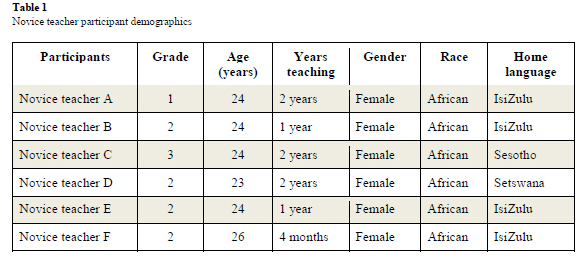
Biographic information of the participantsNovice Teacher Participant Demographics
The participants in this research were six novice ECE teachers who share several demographic similarities. All participants were African females aged between 23 and 26 years and this reflects their early-career stage. Their teaching experience ranged from four months to two years, with three participants (Novice Teachers A, C, and D) having had two years of experience, two participants (Novice Teachers B and E) had one year, and one participant (Novice Teacher F) had just four months of experience. Most participants taught Grade 2 (Novice Teachers B, D, E, and F), while one taught Grade 1 (Novice Teacher A) and another Grade 3 (Novice Teacher C). Linguistically, their home languages included IsiZulu spoken by Novice Teachers A, B, E, and F, Sesotho by Novice Teacher C, and Setswana by Novice Teacher D. This linguistic and cultural diversity reflected the multilingual context of South African schools.
The group demographic homogeneity in gender and race was uniform (all female and all African), thus reflecting a broader demographic trend in early-career teachers in the ECE in South Africa. In addition, the novice teacher participants' varying levels of experience provided valuable insight into how mentorship needs may differ by career stage. Additionally, the prevalence of IsiZulu speakers could have shaped their mentorship experiences and expectations. The novice teacher participant profiles reflect a group of young, early-career African female teachers working in linguistically and culturally diverse ECE contexts. Their limited teaching experience highlighted the importance of tailored mentorship and professional support to help them navigate the challenges of their early teaching years. The overlap in home and school languages may also have played a role in shaping their experiences and expectations in the mentorship process.
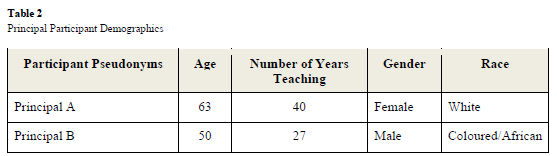
Principal Participant Demographics
Principal A was a 63-year-old white female with 40 years of teaching experience and offered a wealth of knowledge and expertise in education. Principal B, a 50-year-old male of Coloured/African descent, had had 27 years of teaching experience. While both principals had extensive experience, Principal A's longer tenure may have influenced her approach to leadership and decision-making (Conde et al., 2025; Stoker, 2008). The difference in racial backgrounds between the two participants may have shaped their educational leadership styles through distinct cultural insights and lived experiences. In South Africa's post-apartheid education system, racial identity continues to influence leadership philosophies, communication patterns, and relationships with staff, learners, and communities (Lumby & Heystek, 2012; Naicker, 2013).
Principal A's background, shaped by perceived privilege and access in historically advantaged schooling systems, may have reflected leadership approaches grounded in structure, accountability, and institutional continuity (Bush & Glover, 2016). In contrast, Principal B's lived experiences as a Coloured/African male teacher navigating transformation in education may have fostered a more relational, inclusive, and socially responsive leadership style. His leadership may have been informed by Ubuntu values that emphasise community, empathy, and shared growth (Mabovula, 2011; Msila, 2015) while also addressing issues of equity and representation in the school (Lumby & Heystek, 2012). These contrasting yet complementary perspectives contributed to the diverse educational leadership practices that enrich school culture. Their collaboration could have promoted mutual learning, cultural sensitivity, and responsiveness to the varied needs of learners and teachers in a multicultural educational environment (Walker & Qian, 2017). However, according to the findings both the principal participants said that they did not serve as formal mentors to the novice ECE teachers mentioned above. Only five of the six novice teachers indicated that they had had mentors.
Data analysis
The interview process was essential for generating rich data and meaningful interpretations of participants' responses. Interviews were audiotaped for transcription and to capture tone, emotion, repetition, and emphasis, all of which aided in a deeper understanding of responses.
Data was analysed using Giorgi's phenomenological method (Giorgi & Giorgi, 2003), which involved the following steps.
1. Reading transcripts for an overall understanding.
2. Identifying meaningful units of experience.
3. Removing redundancies and establishing connections.
4. Translating participants' language into scientific terms.
5. Synthesising insights into a comprehensive description of leadership practices.
Each interview was transcribed and analysed using thematic content analysis across participant categories. Redundant information was eliminated, and relevant data was integrated into the analysis chapter. Insights were linked to existing literature to enhance interpretation and understanding leadership practices (Braun & Clarke, 2006; Giorgi & Giorgi, 2003).
Presentation of the findings
The findings are presented below based on key themes that emerged from the data, using verbatim quotations from the participant novice teachers and principals in relation to the existing literature that validates them. These verbatim accounts highlight the participants' perceptions of mentorship in the ECE and its role in supporting novice teachers in the South African education system. The data revealed that mentorship is crucial to helping novice teachers navigate the challenges of the profession, particularly in adapting to classroom management, curriculum delivery, and administrative expectations. However, the power dynamics in schools influence the effectiveness of mentorship programmes. Experienced teachers and school leaders hold authoritative roles, which can either facilitate or hinder meaningful support, depending on how mentorship is structured. This is linked to the chosen theoretical framework. Positioning Theory examines how individuals position themselves and others in social and institutional interactions. This framework is particularly useful for understanding the power dynamics in mentorship and how novice teachers navigate their roles in school settings. Ubuntu Theory promotes the importance of shared responsibility, empathy, and holistic professional development in mentorship practices. Applying Ubuntu Theory to mentorship means that ideally mentors and novice teachers should engage in reciprocal learning. In addition, another theme that emerged is the unequal distribution of responsibilities, where novice teachers, given their lack of seniority, are often assigned additional tasks that do not necessarily contribute to their professional growth. This workload imbalance, particularly in rural and under-resourced schools, can lead to burnout and impact the retention of new teachers. The participants emphasised that effective mentorship should provide structured guidance, emotional support, and practical teaching strategies rather than simply reinforcing hierarchical power structures. The findings further suggest that mentorship programmes should promote collaborative learning and shared professional growth rather than operate as top-down directives. Creating a culture in which novice teachers feel comfortable seeking guidance without fear of judgment is essential for fostering the development of their self-confidence and competence in the classroom. Schools must ensure that mentorship is intentional, structured, and sustainable, and that it integrates reflective practice and continual feedback to support novice teachers in their transition into the profession.
Principals' and teachers' perspectives on novice teachers' professional development needs
The importance of structured mentorship for novice teacher retention
According to Kruger and Nel (2019) a lack of mentors leaves novices exposed and doubting their own abilities and this is why intentional, formalised, and structured mentorship is key to retaining novice teachers in ECE. In responding to the question asked about how novice teacher challenges can be addressed by the principal, Principal A1 responded by saying,
I think that it needs to be quite a formal process, formal in a more structured way, I think there needs to be time set aside specifically for the mentorship programme and everything is planned. It should be planned in the year plan where it will state that on this day at this time, you know exactly what you are going to be doing. The first year of teaching makes or breaks the novice teacher and you will see after they have a bad experience that after three years, they are moving out of the teaching profession.
This highlights the critical role of structured mentorship in supporting novice teachers' professional growth, particularly in early childhood education. Kruger and Nel (2019) argued that the absence of mentors leaves new teachers vulnerable, fosters self-doubt and increases the likelihood of attrition. High attrition rates among novice teachers highlight the urgent need for structured mentorship and induction programmes as essential components of professional development support (Dyosini, 2024). Research indicates that teachers' intention to leave the teaching profession is associated with their professional wellbeing and job satisfaction in their first five years (Canobi et al., 2024; Kozikoglu, 2017), while in South Africa, the attrition rate stands at 6% of teachers leaving the profession (Bennell, 2023). However, a more alarming statistic reveals that 30% of South African teachers express a desire to leave the profession within the next five years (Nkosi, 2020), signalling deeper systemic challenges such as stress, low remuneration, and overcrowded classrooms.
Principal A emphasised that mentorship should be an intentional and structured process, integrated into the school's year plan to ensure consistency and effectiveness. A key issue raised is that the first year of teaching is a decisive period that significantly impacts a novice teacher's career trajectory. Without adequate support, the challenges of classroom management, curriculum adaptation, and administrative responsibilities can overwhelm a new teacher, leading to burnout, frustration, and eventual departure from the profession as affirmed by Capone & Petrillo (2020). This aligns with broader research indicating that high turnover rates among novice teachers is often linked to inadequate induction support (Ingersoll & Strong, 2011). From a critical perspective, the lack of formal mentorship structures in many South African schools reflects systemic shortcomings in teacher development policies. While experienced teachers and principals may recognise the need for mentorship, the absence of institutionalised frameworks often results in inconsistent or informal support, which may not adequately address the unique struggles of novice teachers in what Wenger (2011) calls various communities of practice. This further exacerbates the power imbalance between novice teachers and the more experienced teachers, since the former may hesitate to seek help for fear of being perceived as being incompetent.
Need for emotional and psychological support
The transition from ITE to in-service teaching presents a significant emotional and psychological challenge for novice ECE teachers. Their lived experiences, as reflected in their responses, highlight a pressing need for structured and intentional emotional and psychological support, particularly through mentorship programmes. The absence of such support leads to emotional distress, feelings of isolation, and an overwhelming sense of inadequacy, all of which impact the professional development and retention of novice teachers (Orchard et al., 2020).
The participants shared their lived experiences in response to the question: What are your professional expectations with regard to professional support through mentorship as a novice teacher?
Novice Teacher C said:
I don't have a mentor at the moment, I do have someone I can go to for guidance, whether it can be emotional or just to help me with my resources, how to actually teach certain concepts. But then still it wouldn't necessarily be a mentorship if you haven't agreed as both parties that they are going to help you or maybe you know they can.
Despite the recognition of mentorship as a valuable form of professional support, Novice Teacher C's experience indicates that informal guidance cannot replace a structured mentorship program. Without clearly defined roles and agreements, support remains sporadic and inconsistent. The lack of formal mentorship arrangements diminishes the potential benefits of having an experienced teacher guide a novice through the challenges of ECE. Emotional and psychological support needs to be embedded in mentorship structures to ensure that novice teachers have access to reliable guidance and reassurance in moments of self-doubt and professional uncertainty (Orchard et al., 2020).
Novice Teacher B explained,
I already made up this fantasy story in my head about how teaching is supposed to be like. So, when I came here it broke me, because it is not what I anticipated. For example, it is so hard, it is hard to have 28 different personalities in the classroom. No one tells you that, we all look at it like they're just kids, but it is literally 28 people who have different personalities, different family backgrounds, different manners. You are teaching them from scratch, you are refilling this tank, into this empty container, that is literally what you are doing. Teaching is something extremely difficult, I have to deal with kids who have ADD.
Novice Teacher B's response reveals the contrast between expectations and reality in the teaching profession. Many novice teachers enter the teaching industry with idealised perceptions of classroom management, learner behaviour, and instructional effectiveness. However, the reality of handling a diverse group of learners in their early years, each with unique needs, backgrounds, and challenges which can be mentally and emotionally exhausting. The pressure to cater to diverse learning needs while also navigating administrative expectations leads to stress and potential burnout. Novice Teacher B's statement about feeling "broken" emphasises the emotional distress that can arise from the mismatch between pre-service training and real-world classroom experiences (Bull et al., 2024).
Novice Teacher D stated,
You need people to be available for you. To say you have a mentor is not enough, what I found was that my mentor was not too keen, she was a very nice lady but she was very overwhelmed. She was not too keen on being there every time I needed help, which was constantly, especially in my first year where I needed someone who is there like all the time. But other people are also busy with their own classrooms.
Novice Teacher D's concerns about mentor availability highlight another critical issue that mentorship cannot merely be a concept; it must be an accessible and consistent relationship. When mentors are overwhelmed with their own responsibilities, they may be unable to provide the level of support that novice teachers require. The unpredictability of mentor availability can exacerbate stress for novice teachers, who may feel as though they are imposing rather than receiving the help they need (Orchard et al., 2020). Structured mentorship programmes should include scheduled interactions and a culture of openness where seeking support is encouraged rather than viewed as an inconvenience.
Challenges associated with being a novice teacher
Time management
The first challenge is grounded in the fact that teachers struggle with time management according to the findings. Given the fact that teachers do not necessarily manage their time well, they do not have enough time to complete their marking requirements/quotas in time, which accounts for the second challenge. The third challenge is related to feeling that they do not fit in with the older more experienced teachers and lack a sense of belonging with teachers who are now out of touch with having been a novice teacher.
Novice Teacher D said,
. . . I would also say availability. I know if I need help, I have this time where I can go speak to my mentor or whatever. Because it was just literally anytime that I am free and anytime that I think she is free. There was no time that I was like okay, I'll find this person. Some days you go there, and the person is in a bad mood because they are not expecting you to be there. I think also teachers who aren't like out of touch with like being a new teacher.
Power dynamics in mentorship and institutional hierarchies
Principal A highlighted key power dynamics in mentorship programmes and institutional structures, particularly in relation to how authority, experience, and workload distribution influence novice teachers. Power in educational institutions is inherently hierarchical; experienced professionals hold greater decision-making authority while less experienced individuals, such as first-year teachers, are often positioned in subordinate roles.
Principal A said,
There is very much a hierarchy in power of different positions, and often the tasks that others don't want to do. She's the first year so you know, so they sometimes get overloaded on some of the things. I find that here, more on the sports a younger teacher is fitter and they are allocated those duties, which is probably in hindsight is not helpful for them.
One significant aspect of power at play here is the notion of knowledge as power. The mentor's role is to guide the mentee by anticipating questions and providing structured support, yet the mentee's hesitance to ask questions reflects an implicit power imbalance. New teachers may fear exposing their lack of experience, which can hinder their learning and professional growth. This dynamic reinforces the idea that experience equates to competence, positioning novice teachers as passive recipients rather than active participants in their professional development. Additionally, the hierarchical structure influences task allocation and workload distribution, often in ways that reinforce inequitable labour divisions. Principal A acknowledges that younger, less experienced teachers are frequently given undesirable or physically demanding tasks, such as supervising sports, based on assumptions about their capacity rather than pedagogical considerations. This delegation of tasks based on perceived ability rather than professional development needs not only overloads new teachers but may also prevent them from gaining experience in areas critical to their career progression. Furthermore, this practice can be seen as a form of institutionalised power imbalance, where those with more authority shift responsibilities downward, reinforcing existing hierarchies rather than fostering equitable professional growth. Such dynamics can lead to burnout, resentment, and a lack of agency among novice teachers, all of which ultimately affects teacher retention and overall school culture.
While mentorship is intended to empower novice teachers, unaddressed power hierarchies can create barriers to meaningful development. Effective mentorship should not only transfer knowledge but also challenge structural inequalities by ensuring fair workload distribution and encouraging open, non-hierarchical dialogue between mentors and mentees. A shift towards a more collaborative and equity-driven approach to mentorship would mitigate the negative impacts of these power dynamics and foster a more sustainable and supportive professional environment.
As revealed by Principal A,
There is very much a hierarchy in power of different positions, and often the tasks that others don't want to do - she's the first year so you know, so they sometimes get overloaded on some of the things. I find that here, more on the sports a younger teacher is fitter, and they are allocated those duties, which is probably in hindsight is not helpful for them.
Work overload
In alignment with the power dynamics that teachers experience, work overload is a significant issue faced by novice early childhood teachers, often worsened by power dynamics in schools. The hierarchical nature of educational institutions can lead to inequitable task distribution, where new teachers are assigned excessive responsibilities beyond their teaching duties.
Principal A's observation highlights how younger teachers, particularly first-year teachers, are disproportionately burdened with additional tasks, including extracurricular activities, because of their perceived physical ability and lower status in the school hierarchy. This practice raises concerns regarding fairness, professional development, and teacher retention.
Principal B said,
The major challenge is discipline, they lack classroom management, and it is like they want to please the children and get them on their side; and what they need to understand is that the children are very manipulative. The novice teacher sometimes fails to get the children in class when the ring bells.
Classroom management is a crucial yet challenging aspect of teaching, particularly for novice teachers. Principal B's observation highlights the need for structured training and support systems that equip new teachers with the skills to establish authority while maintaining positive learner relationships. By prioritising mentorship, ongoing professional development, and strong school-wide discipline policies, schools can empower novice teachers to manage classrooms effectively, ultimately enhancing the learning experience for both learners and teachers.
Discussion
These research findings highlight the complexities of mentorship in ECE in the South African education system in emphasising its crucial role in novice teacher support. While this paper aligns with broader literature on teacher professional development and retention it also reveals systemic challenges related to power dynamics, workload distribution, and emotional support (Bull et al., 2024). Mentorship is widely acknowledged as a key factor in teacher retention, with structured programmes significantly reducing attrition rates (Bennell, 2023; McFarland & Miller, 2024; Nkosi, 2020). However, inconsistencies in mentorship quality across schools point to the need for national policies that standardise support structures and ensure equitable access to mentorship (Mullen & Fallen, 2022; Ndebele & Legg-Jack, 2022).
A critical concern emerging from the findings is the impact of power dynamics on the effectiveness of mentorship. Hierarchical structures in schools often create barriers to open communication, leaving novice teachers hesitant to seek help for fear of being perceived as incompetent (Ingersoll & Strong, 2011; Njiru & Odundo, 2024a). Additionally, disparities in workload distribution, particularly in under-resourced schools, further exacerbate inequities, with novice teachers frequently burdened with non-teaching tasks (Krasnoff, 2014; Van Tonder & Fourie, 2015). This contradicts the principles of Ubuntu, which advocates for shared responsibility and collective professional growth (Letseka, 2016; Sefotho & Letseka, 2024). Novice teachers need a more flexible, transformative, diverse and inclusive mentorship model, where mentorship is reciprocal rather than hierarchical that could foster a culture of collaboration and support.
Beyond professional guidance, the findings also highlight the need for emotional and psychological support in teacher mentorship (Orchard et al., 2020). Both principals recognised the importance of structured, multi-level professional support systems to help novice teachers negotiate and strengthen their professional identities, mental health, and wellbeing in their communities of practice. Their reflections highlight the value of mentorship, collaboration, and policy-driven standardisation to ensure consistent and supportive professional growth for novice teachers. Principal A emphasised the need for district-level mentorship and coaching frameworks, in suggesting that
within the district, there should be somebody who goes around to schools and works with a group of schools and supports those novice teachers in a structured programme.
She elaborated that coaching should help teachers "through the tasks, and the little nuances that come out of every school because schools are different." This highlights the importance of localised mentorship that is responsive to each school's unique context.
Principal A further noted the value of peer collaboration and collective reflection in saying,
What I find quite helpful is a whole group all in the same boat and just talking about their experiences, because even as a principal, the most valuable meetings that we have are when you are with people in the same boat.
This aligns with the concept of communities of practice, where shared experiences and peer learning enhance professional identity formation. She also called for greater preparation at university level, adding that
university needs to prepare novices for the reality that teachers' school year ends the week after they close formally for the students... unless we change it so that teachers come in a week before schools start.
This suggests a need to bridge the theory-practice gap in pre-service teacher education.
Moreover, Principal B reinforced these views by highlighting the necessity for policy-driven standardisation of novice teacher induction and professional development. He stated that every teacher must go and register with the South African Council of Educators (SACE) for a license to teach in a classroom," and that "there are programmes that aim to teach teachers to understand their roles as professionals within the school and in the community.
He further suggested that
it will really assist... if we can have a standard policy for all to say this is the structure and this is what all novices should be going through when they enter the system for them to understand what the work entails.
His perspective highlights the potential for collaboration between SACE, districts, and schools to ensure uniform, ethically grounded mentorship systems.
Theoretical engagement related to the interpretation of the findings
The interpretation of the findings in this research was strengthened through the integration of Positioning Theory and Ubuntu Theory, which together provided perspectives on understanding the complex relational and structural dimensions of mentorship in ECE. From the perspective of Positioning Theory, the findings revealed how novice teachers and principals construct and negotiate their professional identities in hierarchical school contexts. This theoretical framing illuminated how discourse, authority, and institutional norms shape teachers' positioning as either empowered agents or subordinated newcomers in mentorship relationships. Conversely, Ubuntu Theory offers an Afrocentric philosophical framework that emphasises interdependence, empathy, and collective growth. Applying Ubuntu principles to the interpretation of the data highlighted the moral and relational dimensions of mentorship, advocating for reciprocal learning and shared responsibility rather than hierarchical, task-driven support. Together, these frameworks contextualised the participants' lived experiences, highlighting that effective mentorship in ECE should not only address professional skill development but also cultivate relational ethics, inclusivity, and emotional well-being. The integration of these theories thus enabled a more nuanced understanding of how mentorship can transform from a hierarchical process into a collaborative, community-based practice rooted in care and mutual respect.
Ethical considerations
Ethical approval was obtained from the University's Ethics Committee and the Gauteng Department of Education (GDE), ensuring compliance with institutional and provincial research standards. All participants provided informed consent and were assured of their right to withdraw without consequence, with confidentiality, anonymity, and non-maleficence strictly maintained (Gunawan, 2015). Verbatim quotes and pseudonyms were used to ensure transparency and protect participants' identities, while detailed contextual descriptions supported the transferability of findings despite the limits of qualitative generalisation (Noble & Smith, 2015).
Limitations
It is important to acknowledge that none of the participating schools employed male ECE teachers, which presents a limitation of this research. All six novice teacher participants were female, reflecting the broader national and global trend of the ECE sector being highly feminised (Msiza, 2025). Furthermore, the research's small sample size in comprising only eight participants limits the extent to which the findings can be generalised to all ECE contexts. In addition, my sample was limited to six novice ECE teachers and two principals from inner-city primary schools in the Gauteng Province. This means that the findings cannot be generalised to all novice teachers across South Africa, particularly those in rural or differently resourced contexts. Instead, the results offer context-specific insights that may be transferable to similar educational settings.
Conclusion
I conclude that structured mentorship and induction are not merely supplementary supports but essential mechanisms for teacher professional development, retention, and empowerment in ECE. By embedding mentorship within a framework grounded in Ubuntu and Positioning Theory, schools can transform hierarchical mentorship into collaborative, compassionate, and contextually responsive practice. Implementing a national, standardised mentorship model that is supported by SACE and district-level coordination and will ensure equitable access to guidance, emotional support, and professional growth opportunities for novice teachers. Ultimately, such a system strengthens teacher identity, well-being, mental health and enhances job satisfaction, as well as contributing to a more resilient and sustainable ECE workforce in South Africa.
Disclosure statement
No potential conflict of interest was reported by Thokozane Princess Dyosini.
Funding
This research was a part of doctoral research that was supported by The National Research Foundation (NRF).
References
- Akkerman, S., & Bruining, T. (2016). Multilevel boundary crossing in a professional development school partnership. Journal of the Learning Sciences, 25(2), 240-284. https://doi.org/10.1080/10508406.2016.1147448
- Bell, J., Wilcoxen, C., & Steiner, A. (2022). Mentoring and coaching through induction to develop reflective practices in beginning teachers. The New Educator, 18(4), 281-305. https://doi.org/10.1080/1547688X.2021.1928380
- Bennell, P. (2023). Limits to growth? Key enrolment trends for UK transnational higher education, 2002-2021. Higher Education, 86(1), 81-97. https://doi.org/10.1007/s10734-022-00917-8
- Bertram, C. (2023). A systems approach to understanding novice teachers' experiences and professional learning. Journal of Education, 90, 11-31. https://doi.org/10.17159/2520-9868/i90a02
- Botha, R. J., & Hugo, J. P. (2021). Effective mentoring to improve job satisfaction among teachers at South African primary schools. Research in Social Sciences and Technology, 6(3), 64-81. https://doi.org/10.46303/ressat.2021.30
- Bowman, M. (2014). Teacher mentoring as a means to improve schools. BU Journal of Graduate Studies in Education, 6(1), 47-51.
- Braun, V., & Clarke, V. (2006). Using thematic analysis in psychology. Qualitative Research in Psychology, 3(2), 77-101. https://doi.org/10.1191/1478088706qp063oa
- Bull, R., McFarland, L., Cumming, T., & Wong, S. (2024). The impact of work-related wellbeing and workplace culture and climate on intention to leave in the early childhood sector. Early Childhood Research Quarterly, 69, 13-24. https://doi.org/10.1016/j.ecresq.2024.01.003
- Bush, T., & Glover, D. (2016). School leadership and management in South Africa: Findings from a systematic literature review. International Journal of Educational Management, 30(2), 211-231. https://doi.org/10.1108/IJEM-07-2014-0101
- Campbell, S., Greenwood, M., Prior, S., Shearer, T., Walkem, K., Young, S., & Walker, K. (2020). Purposive sampling: Complex or simple? Research case examples. Journal of Research in Nursing, 25(8), 652-661. https://doi.org/10.1177/1744987120927206
- Canobi, K. H., Eadie, P., Murray, L., Levickis, P., Page, J., & McFarland, L. (2024). Profiles of professional wellbeing and turnover intentions among Australian early childhood educators. Early Education and Development, 35(5), 1063-1079. https://doi.org/10.1080/10409289.2023.2225657
- Capone, V., & Petrillo, G. (2020). Mental health in teachers: Relationships with job satisfaction. Health Psychology Open, 7(2). https://doi.org/10.1177/2055102920977174
- Chun, H. Y. Y., Whiteley, W. N., Dennis, M. S., Mead, G. E., & Carson, A. J. (2018). Anxiety after stroke: The importance of subtyping. Stroke, 49(3), 556-564. https://doi.org/10.1161/STROKEAHA.117.018415
- Conde, R., Dinulescu, C., & Pointer, L. (2025). Multi-level leadership interactions in sales: Exploring gender, performance and tenure effects. Journal of Business & Industrial Marketing, 40(4), 1008-1026. https://doi.org/10.1108/JBIM-05-2023-0247
- Craig, C. J. (2013). Coming to know in the 'eye of the storm': A beginning teacher's introduction to different versions of teacher community. Teaching and Teacher Education, 29, 25-38. https://doi.org/10.1016/j.tate.2012.08.003
- Creswell, J. W., & Poth, C. N. (2016). Qualitative inquiry and research design: Choosing among five approaches. SAGE.
- Curry, C. L. (2025). Teachers' perspectives on teacher retention in early childhood programs [Doctoral dissertation, Walden University].
- Darling-Hammond, L., & McLaughlin, M. W. (2011). Policies that support professional development in an era of reform. Phi Delta Kappan, 92(6), 81-92. https://doi.org/10.1177/003172171109200622
- Dyosini, T. (2022). Mentorship and induction practices with novice foundation phase teachers [Doctoral dissertation, University of the Witwatersrand].
- Dyosini, T. P. (2024). Professional development of teachers: Perceptions and challenges of foundation phase teachers. South African Journal of Childhood Education, 14(1), 1572. https://doi.org/10.4102/sajce.v14i1.1572
- Fairbanks, C. M., Freedman, D., & Kahn, C. (2000). The role of effective mentors in learning to teach. Journal of Teacher Education, 51(2), 102-112. https://doi.org/10.1177/002248710005100204
- Farrell, T. S. (2022). Insights into professional development in language teaching. Castledown Publishers.
- Giorgi, A. P., & Giorgi, B. M. (2003). The descriptive phenomenological psychological method. In Qualitative psychology (pp. 243-273).
- Goodwin, A. L., Smith, L., Souto-Manning, M., Cheruvu, R., Tan, M. Y., Reed, R., & Taveras, L. (2014). What should teacher educators know and be able to do? Perspectives from practicing teacher educators. Journal of Teacher Education, 65(4), 284-302. https://doi.org/10.1177/0022487114535266
- Gunawan, J. (2015). Ensuring trustworthiness in qualitative research. Belitung Nursing Journal, 1(1), 10-11. https://doi.org/10.33546/bnj.4
- Haidusek-Niazy, S., Huyler, D., & Carpenter, R. E. (2023). Mentorship reconsidered: A case study of K-12 teachers' mentor-mentee relationships during the COVID-19 pandemic. Social Psychology of Education, 26(5), 1269-1288. https://doi.org/10.1007/s11218-023-09769-6
- Harré, R., & Van Langenhove, L. (1999). Positioning theory. Blackwell.
- Hellsten, L. A. M., Prytula, M. P., Ebanks, A., & Lai, H. (2009). Teacher induction: Exploring beginning teacher mentorship. Canadian Journal of Education, 32(4), 703-733.
- Hooper, A., Potts, C., & Walton, M. (2023). Novice early childhood teachers' perceptions of their professional development experiences: An interpretive phenomenological approach. Journal of Early Childhood Teacher Education, 44(3), 310-329. https://doi.org/10.1080/10901027.2021.2004802
- Ingersoll, R. M., & Strong, M. (2011). The impact of induction and mentoring programs forbeginning teachers: A critical review. Review of Educational Research, 81(2), 201-233. https://doi.org/10.3102/0034654311403323
- Jung, J., Recchia, S., & Ottley, J. (2021). Transitioning from primary-grade classrooms to infant/toddler rooms: Early childhood preservice teachers' growth and challenges. Journal of Early Childhood Teacher Education, 42(3), 245-264. https://doi.org/10.1080/10901027.2019.1707921
- Krasnoff, B. (2014). Teacher recruitment, induction, and retention. Education Northwest.
- Kruger, M., & Nel, H. (2019). The development of women and young professionals in STEM careers: Tips and tricks. CRC Press.
- Letseka, M. M. (2016). The nexus between Open Distance Learning (ODL), African philosophy and Ubuntu. In M. Letseka (Ed.), Open Distance Learning (ODL) (pp. 31-41). Nova Science Publishers.
- Livingstone, N., & Naismith, N. (2018). Faculty and undergraduate student perceptions of anintegrated mentoring approach. Active Learning in Higher Education, 19(1), 77-92. https://doi.org/10.1177/1469787417721365
- Lumby, J., & Heystek, J. (2012). Leadership identity in ethnically diverse schools in SouthAfrica and England. Educational Management Administration & Leadership, 40(1), 4-20. https://doi.org/10.1177/1741143211420615
- Mabovula, N. N. (2011). The erosion of African communal values: A reappraisal of the African Ubuntu philosophy. Inkanyiso, 3(1), 38-47.
- Mailula, T. K. (2024). Stakeholders' perspectives of male practitioners in early childhood education [Master's dissertation, University of Johannesburg].
- Masenya, M. (2005). An African methodology for South African biblical sciences: Revisiting the Bosadi (womanhood) approach. Old Testament Essays, 18(3), 741-751.
- McFarland, S., & Miller, J. (2024). The inefficient effects of non-clinical factors on healthcare costs. Health Economics, Policy and Law, 1-15. https://doi.org/10.1017/S1744133123000452
- Mncanca, M., Ramsaroop, S., & Petersen, N. (2021). Foundation phase teachers' views of the involvement of male caregivers in young children's education. South African Journal of Childhood Education, 11(1). https://doi.org/10.4102/sajce.v11i1.914
- Msila, V. (2015). Ubuntu. eBook Partnership.
- Msiza, V. (2025). Male teachers' perceptions of gender equality in the foundation phase. Journal of Research in Childhood Education, 39(1), 118-127. https://doi.org/10.1080/02568543.2023.2245308
- Mullen C. A., & Fallen M. S. (2022). "Navigating uncharted waters": New teacher mentoring and induction. Research in Educational Administration & Leadership, 7(4), 751-785. https://doi.org/10.30828/real.1165667
- Njiru, J. I., & Odundo, P. (2024a). Teacher training and professional development in implementing competency-based curriculum for early childhood. Journal of Arts and Humanities, 1(4), 21-39. https://iajournals.org/articles/iajah_v1_i4_21_39.pdf
- Njiru, J. I., & Odundo, P. (2024b). ECDE teacher preparedness and professional development for Competency-Based Curriculum adoption in Kenyan higher education institutions. International Academic Journal of Social Sciences and Education, 2(3), 327-344. https://iajournals.org/articles/iajsse_v2_i3_327_344.pdf
- Nkosi, B. (2020, October 1). Many SA teachers want to quit profession due to stress, report says. The Star. https://iol.co.za/the-star/news/2020-10-01-many-sa-teachers-want-to-quit-profession-due-to-stress-report-says/
- Noble, H., & Smith, J. (2015). Issues of validity and reliability in qualitative research. Evidence-Based Nursing, 18(2), 34-35. https://doi.org/10.1136/eb-2015-102054
- Olsen, B. (2016). Teaching for success: Developing your teacher identity in today's classroom. Routledge.
- Orchard, J., Heilbronn, R., & Winstanley, C. (2020). In philosophical conversation with new and beginning teachers. In A. Fulford, G. Robinson & R. Smith (Eds.), Philosophy in, and with, the community: Theories, practices, and possibilities (pp. 145-162). Bloomsbury Academic. https://www.bloomsbury.com/uk/philosophy-and-community-9781350073425/
- Peciuliauskiene, P., & Kaminskiene, L. (2022). Lithuanian science teachers' self-confidence in teaching and their innovative work activities. Journal of Turkish Science Education, 19(2), 577-593. https://doi.org/10.36681/tused.2022.131
- Poni, M. (2014). Research paradigms in education. Journal of Educational and Social Research, 4(1), 407. https://doi.org/10.5901/jesr.2014.v4n1p407
- Qadhi, S., Hendawi, M., Mohammad, E. G., Ghazi, I., Al-Dosari, N., & Du, X. (2020). The impact of teacher preparation programs on professional teaching competencies. Universal Journal of Educational Research, 8(1), 168-174. https://doi.org/10.13189/ujer.2020.080120
- Qureshi, H. A., & Ünlü, Z. (2024). Mentoring communication in higher education: A qualitative exploration. International Journal of Mentoring and Coaching in Education, 13(2), 145-160. https://doi.org/10.1108/IJMCE-06-2023-0081
- Ramrathan, L., & Mzimela, J. (2016). Teaching reading in a multigrade class: Teachers' adaptive skills and teacher agency. South African Journal of Childhood Education, 6(2), 1-8. https://doi.org/10.4102/sajce.v6i2.391
- Schaack, D. D., Donovan, C. V., Adejumo, T., & Ortega, M. (2022). To stay or to leave: Factors shaping early childhood teachers' turnover and retention decisions. Journal of Research in Childhood Education, 36(2), 327-345. https://doi.org/10.1080/02568543.2021.1939438
- Smith, A. A. (2007). Mentoring for experienced school principals: Professional learning in a safe place. Mentoring & Tutoring, 15(3), 277-291. https://doi.org/10.1080/13611260701202032
- Smith, J. A. (1995). Semi-structured interviewing and qualitative analysis. In J. A. Smith, R. Harre & L. Van Langenhove (Eds.), Rethinking methods in psychology (pp. 9-26). SAGE. https://doi.org/10.4135/9781446221792
- Stewart, T. T., & Jansky, T. A. (2022). Novice teachers and embracing struggle: Dialogue and reflection in professional development. Teaching and Teacher Education: Leadership and Professional Development, 1, 100002. https://doi.org/10.1016/j.tatel.2022.100002
- Stoker, J. I. (2008). Effects of team tenure and leadership in self-managing teams. PersonnelReview, 37(5), 564-582. https://doi.org/10.1108/00483480810891699
- Van Tonder, D., & Fourie, E. (2015). The effect of job demands and lack of job resources on South African educators' mental and physical resources. Journal of Social Sciences, 42(1), 65-77.
- Walker, A., & Qian, H. (2017). Deciphering Chinese school leadership: Conceptualisation, context and complexities. Routledge.
- Wallace, J. (2024). Examining the role of mentoring in new teacher retention in Central Mississippi schools [Doctoral dissertation, Mississippi College].
- Warsame, K., & Valles, J. (2018). An analysis of effective support structures for novice teachers. Journal of Teacher Education and Educators, 7(1), 17-42. https://www.jtee.org/
Accepted: 19 November 2025