The impact of fourth industrial revolution technology innovation on STEM higher education students through flipped classrooms
Abstract
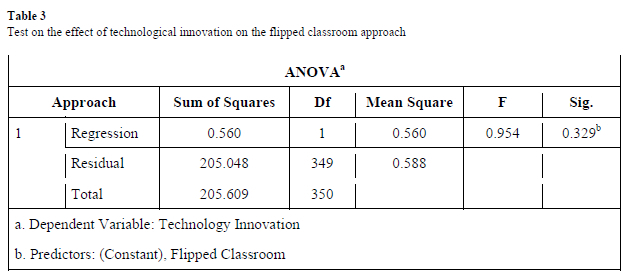
Our study explores the integration of Fourth Industrial Revolution technological innovations into the flipped classroom model in STEM higher education contexts. Using a mixed-methods sequential explanatory design, the research draws from quantitative survey data of 362 first-year engineering students and qualitative semi-structured interviews with 24 participants. The study is anchored in the Unified Theory of Acceptance and Use of Technology, examining constructs such as Effort Expectancy, Performance Expectancy, Facilitating Conditions, and Social Influence. Quantitative findings revealed high internal consistency in scales measuring technology innovation and perceptions of the flipped classroom approach, yet no significant relationship was found between technological innovation and academic outcomes. Qualitative insights highlighted both benefits, such as enhanced time management, self-directed learning, and collaborative engagement and challenges, including technical failures, inequities in resource access, and the impersonality of online interactions. Therefore, by critically addressing both affordances and limitations, the study advances a nuanced understanding of technology integration's impact on student experiences. It concludes with practical recommendations for fostering more equitable, resilient, and learner-centred flipped classrooms in the digital era.
flipped classroom; fourth industrial revolution (4IR); STEM education; technology integration; UTAUT; self-directed learning