Empowering future generations for global change: Using digital technologies to promote sustainable development in mathematics teacher education
Abstract
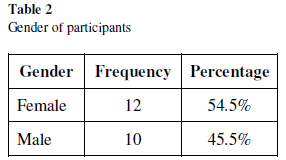
Incorporating the principles of sustainable development into mathematics higher education is necessary for preparing future teachers to respond to global challenges. This study explores how mathematics encourages critical thinking, problem-solving, and innovation to foster the Sustainable Development Goals. Moreover, this study explores the use of digital technologies, collaborative pedagogy, and real-world applications in developing mathematical proficiencies that promote sustainability. The study was conducted at one teacher training university in KwaZulu-Natal, South Africa. It involved the participation of lecturers, curriculum developers, and postgraduate students who are also mathematics teachers at schools. The sample size for the study was 22 participants (five lecturers, two curriculum developers and 15 postgraduate students). Framed by Systems Thinking Theory (STT), the study follows a mixed-methods explanatory sequential design. Questionnaires were administered first, followed by semi-structured interviews with purposively selected participants to acquire deeper perceptions. Quantitative data were analysed using Excel, and qualitative data were analysed using thematic analysis framed by STT. The findings emphasise the importance of curriculum reform, teacher training, and policy alignment to bridge the gap between theory and sustainable practice.
digital technologies; global change; mathematics teacher education; pedagogy; sustainable development
 Thumbnail