Mentoring matters: Exploring pre-service teachers' experiences and identity development during teaching practice
Abstract
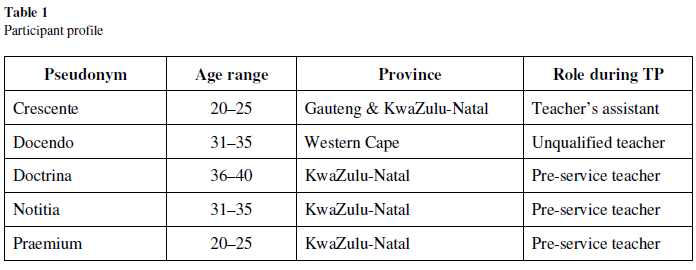
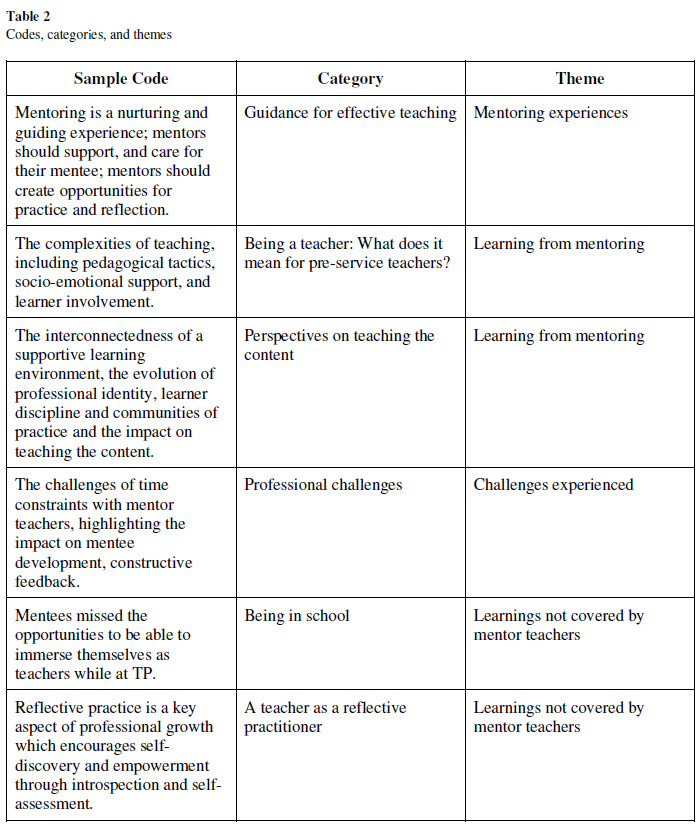
Teaching Practice (TP) plays a pivotal role in pre-service teachers' professional learning and identity development, particularly within distance-learning contexts where mentoring becomes the primary source of support. This qualitative narrative inquiry explores the mentoring experiences of five distance-learning Foundation Phase pre-service teachers enrolled at a private higher education institution in South Africa. Guided by Social Cognitive Theory and the distinction between planned and lived curriculum, the study draws on digital collages and unstructured interviews to illuminate how mentoring shaped participants' pedagogical growth, self-efficacy, emotional resilience, and emerging teacher identities across four years of TP. Findings reveal significant variability in mentoring quality, ranging from nurturing, transformative support to minimal or absent guidance. The study highlights mentoring as a critical mediator between theory and practice and underscores the need for more structured, equitable mentoring frameworks to support distance-learning pre-service teachers during TP.
teaching practice; pre-service teachers; mentor teachers; higher education institution; initial teacher education