Cultural influences on self-directed learning among African students: An Ubuntu-informed educational inquiry
Abstract
In South Africa's culturally diversified higher-education system, traditions emphasising communal values shape learning in ways that defy individualist interpretations of self-directed learning (SDL). Many self-directed learning scholarships interpret autonomy as individual self-sufficiency, offering limited conceptual guidance for independent agency. In this conceptual study, we employ an interpretive integrative review of peer-reviewed literature (2000-2025) sourced from African Journal, EBSCOhost, Google Scholar, and Web of Science to explore how African cultural factors influence self-directed learning processes among African students in South African higher education. We developed an Ubuntu-informed interpretive framework and themes from a theory-driven narrative synthesis of SDL processes (goal setting, resource identification, self-monitoring, and evaluation judgment) and cultural mechanisms (relational accountability, mediational access, and evaluation standards). Ubuntu and collectivist values may facilitate SDL through relational scaffolding and accountable support, while hierarchical power that suppresses learner voice may hinder it. We propose an Ubuntu-informed SDL framework that reconceptualises autonomy as socially situated and that promotes a shift from epistemic inclusion towards epistemic transformation.
culture; influences; self-directed learning; African students; Ubuntu
Introduction
Self-directed learning (SDL), in signifying a crucial lifelong skill to navigate increasingly complex and uncertain social and professional contexts (Morris, 2024), has become a central element of modern education. Knowles (1975) clarified that students engage in SDL when they determine, with the assistance of others or alone, what they need to learn, develop a strategy to meet that need, and evaluate their learning outcomes. A more recent proposal to define SDL places an emphasis on it as learner-centred, socially constructed learning that occurs in multifaceted cultural and social contexts (Nasri & Mansor, 2016).
Berrezoug (2021) underscored that SDL is a notion intricately rooted in Western ideology, developed in democratic frameworks that promote individualism. Its implementation in non-Western nations, such as South Africa, requires a thorough analysis of cultural factors that may affect its efficacy (Du Toit-Brits et al., 2021). Berrezoug (2021, p. 228) advocated for "glocalization", which involves adapting global concepts to local cultures to localise the practice of SDL and develop a regional interpretation of Knowles's (1975) framework.
Despite the adoption of SDL in nationally referenced quality assurance and curriculum discourse in policy reforms across institutions in South Africa (Council on Higher Education, 2021), these frameworks often fail to reflect the communal epistemologies embedded in African communities (Du Toit-Brits et al., 2021). This tension brings up important inquiries about the cultural mismatch between the hypothetical foundations of SDL and African realities that is endangering the inclusiveness and transformative efficacy of higher education. As a result, in this paper we provide an Ubuntu-based conceptual inquiry in synthesising previous literature on the topic, to explain a) how certain cultural processes influence SDL enactment and b) how SDL can be addressed to reconcile autonomy and interdependence in South African higher education. The value that we provide is a mechanism-conditional explanation of how Ubuntu, collectivism, and indigenous knowledge systems in Africa inform SDL through relational accountability, mediational resources, evaluation standards, and a number of theoretically oriented design implications on curriculum, pedagogy, and assessment.
When applied in the South African higher education context, the term African students may be understood as students from the African continent and in reference to the different population groups in South Africa. These population group classifications often include Black African, Coloured, Indian/Asian, and White students, in line with the national reporting standards established by the Department of Higher Education and Training (2023). We recognise the equal dignity and worth of all demographic groups, but our focus here is limited to students of Black African identity. This categorisation is methodological and contextual, rather than comparative or evaluative. In this study, the term African students is used specifically to refer to Black African students in the South African higher education context, without references to nationality or broader continental identity. This distinction is intended to maintain conceptual clarity and consistency in analysing the relationship between culture and SDL.
Recent literature suggests that certain cultural practices may conflict with conventional SDL concepts of autonomy, freedom, and personal initiative, particularly when SDL is understood from individualistic perspectives. However, Ubuntu offers a relational perspective that may support African students in becoming more accountable, collaborative, and socially conscious as they engage in SDL collectively (Ngubane, 2023) and, as a result, contribute to the success of SDL by reframing self-direction as a relational responsibility rather than an instance of solitary independence. The most basic definition of Ubuntu signifies that individuals exist because of their relationships with others. Ubuntu, when operationalised in curriculum, pedagogy, and assessment rather than invoked only as a statement of value, can do more than just enable students to rediscover and honour their indigenous heritage and values; it can also foster unity, tolerance, cooperation and respect among them (Ngubane & Makua, 2021).
Conversely, when SDL is theorised and assessed primarily through individualistic notions of autonomy, it can marginalise African social knowledge systems, thereby perpetuating epistemological coloniality in the literature on SDL, where learner autonomy is defined in ways that marginalise African social knowledge systems (Du Toit-Brits et al., 2021). As Waghid (2020) contended, a meaningful transformation in higher education requires learning itself to be reimagined through Afrocentric relationality, not merely adapted to Western norms (Du Toit-Brits et al., 2021). The following research question guides this paper:
How do African cultural factors influence the processes of SDL among African students in South African higher education?
We propose that having Ubuntu-informed framing principles would lead to more contextually responsive SDL in South African higher education.
Problem statement
In this conceptual paper, we address the problem consequent upon the dominant SDL frameworks and evaluation logics in South African higher education remaining insufficiently aligned with Ubuntu-informed relational conceptions of learning agency. Although SDL in higher education is regarded as a key graduate attribute (Botha et al., 2025), it remains operationalised and theorised through Western assumptions of agency that privilege individual autonomy over relational accountability and collaboration (Servant-Miklos & Noordegraaf-Eelens, 2021). In this paper, therefore, we synthesise prior scholarship to clarify the cultural mechanisms through which SDL is enabled or constrained for African students, and to develop an Ubuntu-informed reframing of SDL that treats autonomy as relationally constituted and compatible with interdependence.
For African students whose educational experiences are shaped by indigenous knowledge systems and social structures of the community, this discrepancy may create a gap between theory and practice in how autonomy is defined, taught, and evaluated (Du Toit-Brits et al., 2021; Mosweunyane, 2013). Learning practices grounded in Ubuntu and communal responsibility emphasise socially mediated forms of agency rather than purely individual autonomy. When SDL is framed primarily through individualistic notions of autonomy, these culturally grounded learning orientations are insufficiently theorised and often marginalised in formal curriculum pedagogy and assessment practices. Therefore, SDL should be re-envisioned as both an autonomous and socially grounded process that recognises African cultural dimensions and fosters shared academic achievement (Du Toit-Brits et al., 2021).
Despite policy-level uptake, SDL assessment logics in South African higher education remain misaligned with relational, community-embedded learning epistemologies. Such a misalignment is significant since it determines what is considered legitimate learner agency and good learning in institutional settings. Relational learning practices of African students may be interpreted mistakenly as dependency instead of a culturally grounded competence when the notion of autonomy is implicitly equated with self-sufficiency. The result is not only a potential misalignment between learning support and evaluation, but also a broader concern for equity because a mismatch between institutional expectations and students' knowledge traditions risks reproducing epistemic exclusion and undermining the transformative agenda of higher education.
Methodology
We used an interpretive paradigm and a conceptual research design to explore how African cultural factors influence the implementation of SDL among African students in South African higher education. A conceptual study is appropriate in diverse academic settings when the emphasis is on integration and theoretical advancement rather than on empirical validation (Jaakkola, 2020). In this study, since the primary purpose is to generate a theoretically grounded, Ubuntu-informed conceptual framework that extends the dominant understanding of SDL to support this conceptual aim, we drew on an integrative review as a theory-building strategy. Integrative reviews are well-suited for conceptual inquiry since they allow for the synthesis of empirical and theoretical bodies of knowledge across disciplinary boundaries, thus fostering identification of patterns, conflicts, and gaps in a field (Torraco, 2016). Our employment of an integrative review in this study was not meant to provide a systematic mapping of the literature, but, rather, to support our conceptual development through selective and analytically focused engagement with relevant sources.
The literature search was conducted using the electronic databases: African Journals; EBSCO Host; Google Scholar; and Web of Science, including publications from 2000 to 2025 to capture continual developments and ongoing discourse related to Ubuntu, collectivism, and African indigenous knowledge systems in education. The search terms included cultural factors, cultural perspectives, cultural values, SDL, autonomous learning, independent learning, self-regulated learning, African students, African learners, African education, South African students, ubuntu philosophy, ubuntu pedagogy, Ubuntu in education, community-based learning, collaborative learning, Indigenous knowledge systems, and African indigenous knowledge systems. Boolean operators and database filters were used to enhance the results.
Source selection prioritised conceptual relevance and theoretical contribution rather than methodological uniformity. The included studies encompass peer-reviewed empirical studies and conceptual and theoretical studies that explicitly engaged with SDL in relation to cultural, socio-cultural, and contextual factors in the African education environment. Studies that focused solely on the skills-based dimension of SDL, lacked cultural or contextual involvement, non-academic publications, and studies conducted outside educational settings were excluded.
We analysed the selected literature using a theory-driven narrative synthesis, through which recurring conceptual patterns, areas of convergence and divergence, and points of theoretical tensions were identified. The analysis focused on how cultural assumptions about autonomy, authority, knowledge, and learning were conceptualised across the literature and how these assumptions shaped interpretations of SDL. We maintained reflective analytical notes throughout the synthesis process to support interpretive rigour and minimise conceptual bias.
This interpretive, theory-driven engagement with the literature informed the development of an Ubuntu-informed conceptual framework for SDL, foregrounding relational autonomy, collective critical inquiry, and epistemological plurality as key constructs for understanding SDL in the higher education context.
Theoretical foundations
We adopted an Ubuntu-informed socio-cultural perspective; SDL constitutes the phenomenon under study. In contrast, Vygotsky's socio-cultural theory provides a primary explanatory framework for understanding learner autonomy and mediation, supported by a constructivist epistemological orientation.
Culture and SDL
Although the etymology is useful as background, for analytical purposes, we treat culture as a dynamic, contested system of shared meaning and practices that shape (and are shaped by) learning, identity, and power relations in specific contexts. Keegan et al. (2010) asserted that culture is a unique lifestyle cultivated by a community of individuals and transmitted across generations. Culture unites human knowledge, beliefs, and behaviours (Mafela, 2012). We conceptualise culture not as a comprehensive lifestyle, but as a collection of socially structured norms and cognitive expectations that influence perceptions of learning, authority, and autonomy, particularly in higher education settings. Although African cultures are diverse, they emphasise universally the significance of relationships, respect for authority, and community responsibility (Sargeant & Smallwood, 2021). All these factors are essential to any comprehension of the functioning of SDL in relation to autonomy and learning agency.
For the SDL analysis of this paper, culture is operationalised through: a) normative expectations about authority, hierarchy, and legitimate knowledge; b) socially patterned learning practices such as communal problem solving, apprenticeship, and peer accountability; and c) epistemic values regarding what counts as understanding, competence, and responsibility. This operationalisation allows us to examine not only cultural traits but the mechanisms through which cultural expectations become embedded in curriculum, pedagogy, and assessment. It also provides an analytical bridge between culture and SDL by specifying where culture enters, as it were, SDL processes. This framework also avoids treating culture as a proxy for race or nationality and focuses instead on how cultural meanings are negotiated in institutional and historical power relations in South African higher education. Given our concern with epistemic inclusion, culture is treated additionally as an epistemological question, i.e., which knowledge systems are legitimised and assessed in university? We recognise the need to link culture to debates on epistemic justice and decoloniality and to clarify the evaluation standards through which SDL is recognised and rewarded.
Self-directed learning theory
In line with constructivist learning theory that emphasises the active participation of learners in their education, Simons (2000) argued that SDL should be acknowledged as a socially engaged, culturally produced, self-regulating, and reflective process. To strengthen theoretical alignment, in this review we treat SDL simultaneously as a) an individual capacity for initiative and regulation and b) a socially mediated practice shaped by cultural norms, authority relations, and access to learning resources. This dual positioning is important because our central claim is that autonomy is constituted relationally rather than being equivalent to self-sufficiency. Conceptually, we distinguish SDL (as a learner-initiated direction of learning goals, resources, and evaluation) from self-regulated learning, which focuses more narrowly on the regulation of cognition, motivation, and behaviour in learning tasks. We are of the opinion that this distinction matters because Ubuntu-informed relational supports may shape both direction (SDL) and regulation (self-regulated learning) in different ways.
Furthermore, goals, process and attribute are the three ways in which SDL can be interpreted: as an outcome or aim; as a set of learning processes; and as a learner attribute (Baumgartner, 2003). SDL seeks to empower students by fostering transformational learning and emancipatory learning, as well as social action (Merriam & Caffarella, 1999). However, we believe that these emancipatory claims require careful contextualisation when SDL is transferred into settings where relational obligations and communal epistemologies shape what the notion of agency means and how it is enacted.
The SDL process involves an "individual taking the initiative, with or without the help of others, to diagnose their learning needs, formulate goals, identify human and material resources for learning, choose and implement appropriate learning strategies, and evaluate learning outcomes" (Knowles, 1975, p. 17). In this paper, we treat SDL as an interaction between student capabilities and socio-cultural institutional contexts, allowing Ubuntu-informed relationality to be theorised as a constitutive condition for SDL enactment rather than as an external add-on. This frame also aligns our review with the mechanism-based approach of the article in that culture is analysed in terms of how it shapes SDL processes, not as a fixed trait of students.
Garrison (1997) delineated three interconnected dimensions (self-management, self-monitoring, and motivation) that are the basis of the personality approach in SDL. Voskamp et al. (2020) explained that self-management in learning occurs when students plan and manage learning conditions and resources, adjusting them as necessary to achieve their learning objectives. Self-monitoring encompasses cognitive and metacognitive processes that involve overseeing one's learning tactics and the ability to reflect (Zhu & Bonk, 2019). Given the inadequacy of the internal monitoring of students in promoting cognitive advancement, Garrison (1997) advocated that teachers improve student self-monitoring with external stimuli, a point that aligns with Ubuntu-informed relational supports such as mentoring and structured peer accountability. Learning requires motivation and intrinsic and extrinsic factors. Extrinsic motivation comes from incentives, while intrinsic motivation comes from activity value (Adib et al., 2019). In the framework of this document, motivation is thus treated as culturally mediated rather than purely individual; what is thought of as worth learning and what counts as success can be co-defined through relational obligations, collective goals, and community-recognised forms of achievement.
The principles of individualistic cultures are reflected in the SDL's dependence on personal autonomy. An argument against Knowles's (1975) SDL perspective is that it ignores the historical impact of society and culture in shaping an individual (Rogers, 2002). Because some SDL frameworks underplay the collaborative and contextual aspects of learning, they may be ill-suited to address structural constraints and epistemic inequities in higher education (Servant-Miklos & Noordegraaf-Eelens, 2021). In many indigenous African education traditions, according to Mosweunyane (2013), learning was oriented toward meeting collective social needs through forms of training that could be group-based or individual but remained socially accountable. Therefore, Ngubane (2023) has called for a pedagogical change towards merging the pedagogies of SDL and ubuntu to promote both individual initiative and collaboration. In this paper, we theorise Ubuntu as a relational ontology that reframes autonomy as interdependence and as a design principle for curriculum, pedagogy, and assessment. Clearly, the theoretical task is not merely to add Ubuntu to SDL, but to explore how Ubuntu may offer alternative understandings of legitimate autonomy, responsible agency, and evaluative judgement in SDL in South African higher education.
A critical synthesis of SDL and Ubuntu offers the possibility of reconceptualising student autonomy as relational autonomy, where agency is understood as co-constructed through interdependence, dialogue, and mutual accountability. Such a framework may hold transformative potential for decolonising higher education by foregrounding African knowledge systems more centrally in teaching, learning, and knowledge production.
Vygotsky's socio-cultural theory
The concept of socio-cultural theory presented by Vygotsky (1978) can be used to explain the cultural factors that influence SDL in African students in South Africa. The theory highlights that it is social interaction, culture, and historical situation, and not individual cognition, that influences learning and cognitive development (Scott & Palincsar, 2013). This view is more applicable, especially in post-colonial countries like South Africa, where education is influenced by the historical inequalities, linguistic variations, and socio-economic disparities. In his work, Vygotsky (1978) thus contradicts universalistic approaches to learning established in many Western pedagogical theories by showing that the process of cognition cannot be considered without culture and social relations.
The socio-cultural theory centres on the zone of proximal development (ZPD), which is a gap between what the learners can do by themselves and what they can do under the guidance of more knowledgeable people (Vygotsky, 1978, as cited in Masaki, 2023). The concept is highly applicable in the development of learning throughout one's lifespan, even though it is applied commonly to children. In the context of higher education, ZPD emphasises the development of autonomy based on socially mediated assistance and not as an inherent characteristic. In SDL terms, this implies that under some guidance of participation, self-direction may be developed as the students progressively take up the roles of goal setting, choice of strategy, and evaluative verdict as the supportive aid is phased away.
The concept of scaffolding, which can be defined as guided assistance in the form of interactions, tools, or strategies that allow learners to perform tasks that they cannot do, is closely related to the ZPD (Pathan et al., 2018; Polly et al., 2017). From an Ubuntu-informed viewpoint, scaffolding may be perceived as relational responsibility and reciprocal support that helps learners to become more self-directing in re-packaging the help of others not as a form of dependence but as a culturally valid means to independence.
The next important concept of the socio-cultural theory is the notion of mediation, which is the influence of cultural tools and social resources on the learning processes (Vygotsky, 1978). Mediation tools in higher education are language, academic discourse practices, assessment conventions, digital bases, and peer advice. These tools may influence the accessibility of knowledge by learners, the choice of learning strategies, and self-assessment. Language-mediated mediation may be particularly significant in multilingual contexts like South Africa, since the ability of students to engage in SDL can be shaped by their access to academic discourse and feedback practices, and linguistically inclusive learning environments (Rahmatirad, 2020).
When combined, ZPD, scaffolding, and mediation may allow for the development of a theoretical perspective on SDL in terms of culturally mediated autonomy rather than self-sufficiency. This view aligns with relational worldviews such as Ubuntu, in which learning is embedded in social relationships and community responsibility. In our paper, therefore, the socio-cultural theory serves as a possible point of convergence for integrating SDL with communal epistemologies, while also providing a conceptual basis for considering how Ubuntu-informed pedagogies such as structured peer learning, mentoring, and collaborative inquiry, might function as deliberate scaffolds that support SDL in relational learning contexts.
African cultural factors that influence self-directed learning
In this section, each factor is analysed in terms of how it can enable or constrain specific SDL processes (e.g., goal setting, resource identification, self-monitoring, and evaluation judgement) through identifiable socio-cultural mechanisms (e.g., authority norms, peer accountability, and access to mediational tools). Therefore, this section treats culture as a mechanism (not a trait). It shapes how students frame problems, mobilise resources, sustain monitoring, and justify evaluations under institutionally recognised standards.
Ubuntu and self-directed learning
Ubuntu, a Southern African philosophical tradition, emphasises relationality, communal interdependence, and social solidarity (Mpofu & Sefotho, 2024). The concept originates from the Nguni expression "umuntu ngumuntu ngabantu" commonly translated as "a person is a person through others" (Letseka, 2014, p. 548). Similarly, the Setswana phrase "motho ke motho ka batho" conveys the idea that human identity and personhood are constituted through relationships with others (Mangwegape, 2022, p. 17). In the Ubuntu worldview, humanness is realised through ethical relations characterised by compassion, care, respect, kindness, sharing, and mutual responsibility (Broodryk, 2006). Ubuntu therefore positions human existence as relational rather than purely individualistic, emphasising that individuals develop their identities through reciprocal engagement with their communities and social environment (Oviawe, 2016). However, contemporary scholars caution against presenting Ubuntu as simply the opposite of individualism, arguing that such binary framings risk essentialising African societies and overlooking the dynamic coexistence of individuality and communal belonging with African lived realities. Instead, Ubuntu reflects a relational conception of personhood in which autonomy and interdependence are mutually constitutive rather contradictory. Through community, cooperation, and collaboration, Ubuntu fosters social cohesion, belonging, and collective wellbeing (Ébalé et al., 2023, cited in Mpofu & Sefotho, 2024).
Ubuntu encourages individuals to recognise that human actions have relational consequences that extend beyond the self and affect the broader community. In this philosophical framework, ethical conduct is grounded in humanness, mutual care, compassion, and social responsibility, with the aim of fostering more just, equitable, and socially cohesive communities. However, despite its philosophical significance and growing institutional recognition, the application of Ubuntu in contemporary institutions remains complex and at times contradictory. While scholars argue that Ubuntu-informed values can contribute positively to areas such as education, healthcare, and social justice (Letseka, 2014), the practical institutionalisation of Ubuntu may also present tensions in contemporary systems shaped by individualism, social inequality, and bureaucratic structures. Furthermore, although Ubuntu has gained increasing scholarly attention, there appears to be limited context-specific empirical research examining how it is operationalised in diverse educational contexts. This highlights a need for more context-sensitive and critically grounded studies that explore how Ubuntu is interpreted, enacted, and experience in contemporary learning environments.
When embraced, Ubuntu can reconnect South African African students with their indigenous values, heritage and cultures, according to Ngubane and Makua (2021). This ideology may also promote coexistence, social co-empowerment, and inclusivity among students of different ethnicities and cultures. Waghid (2020) argued that Ubuntu's emphasis on dignity, inclusivity, and shared humanity can help African higher education decolonise and transform teaching and learning. Ndwambi et al. (2022) noted that integrating Ubuntu values into tutor-student interactions promotes inclusive pedagogies, reduces exclusion, and promotes intellectual and mental wellness, thus leading to greater academic achievement. This can improve academic performance, a sense of belonging, and social coherence in higher education.
Recent research in South Africa has demonstrated that the promotion of Ubuntu principles influences various aspects of SDL positively in the African environment. A study by Du Toit-Brits et al. (2021) highlighted the positive impact of the African philosophy of Ubuntu on the promotion of SDL. By defining and justifying what makes a connection between Ubuntu values and SDL characteristics, Du Toit-Brits et al. (2021) laid the groundwork for this relationship. Conversely, their work also reveals the need for deeper theoretical engagement beyond alignment, towards the reconstruction of SDL from African epistemological foundations. In their final remarks, they emphasised Ubuntu's significance in promoting SDL, both in Africa and around the world. Ubuntu pedagogy, they contended, can help advance SDL by encouraging teachers to cultivate "habits of mind" (p. 23) that are conducive to learning and teamwork among students from various backgrounds.
A study by Ngubane (2023, p. 25) advocated the amalgamation of two pedagogical principles, "self-directed learning and Ubuntu pedagogy," to empower students to assume responsibility for their education while simultaneously fostering the education of their peers. The study revealed the potential advantages of incorporating SDL with Ubuntu Pedagogy, specifically in fostering self-awareness, establishing positive relationships, promoting collective learning, cultivating creative thinking, and nurturing care for oneself and others. Ngubane concluded by stressing the need for higher institutions to urgently adopt educational methods that facilitate students to master the art of collaborative learning and flourishing, thus fostering personal and communal development. These results indicate a move away from individualistic understandings of agency toward a relational view, in which students are simultaneously self-directed and responsible to others.
Iline and Higgs (2019) argued that Ubuntu serves as the cohesive element that unifies and interconnects individuals in cooperative learning and self-directed learning contexts. Similarly, Johnson and Johnson (2009), through Social Interdependence Theory, underscored the importance of collaboration, positive interdependence, and supportive relationships in fostering inclusive educational environments. Although they do not explicitly refer to Ubuntu, their emphasis on cooperation and mutual support aligns with Ubuntu principles of interconnectedness, collective responsibility, and shared growth. Ngubane and Makua (2021) argued that African students can rediscover their African value systems through learning in the framework of the fundamental values of Ubuntu, which include their existence, the spirit of solidarity, compassion, respect, and honour.
The findings of the studies featured in this section suggest that Ubuntu, in the SDL framework, has the potential to transform learning into a collaborative, supportive, and social process rather than an individual and competitive one. This is supported by the research done by Du Toit-Brits et al. (2021) on the interconnection between SDL and Ubuntu. This observation lends credence to the conclusions drawn by Hlela (2018) and Letseka (2014), both of whom found that the Ubuntu ideology encourages group learning by viewing learning as a relational activity rather than an individual one. Nevertheless, collectivist learning environments may unintentionally suppress dissent or critique, particularly when hierarchical respect overrides epistemic curiosity (Ali et al., 2018). SDL must therefore be culturally grounded, but also reflexive enough to avoid reproducing cultural authority structures that inhibit learner voice (Du Toit-Brits et al., 2021), and, instead, highlight the need for a critical Ubuntu-informed SDL that balances communal belonging on the one hand, with dialogical engagement, critical inquiry, and intellectual autonomy on the other.
Collectivism and self-directed learning
Culture defines the perception of learning and autonomy among students, and the concept of individualism and collectivism find a lot of application in explaining the difference in education practices across countries (Ali et al., 2018). The cultures are classified into individualistic and collectivistic: the former culture focuses on individualism and self-sufficiency, and the latter focuses on the unity, collective responsibility, and social dependence of the group (Hofstede, 2001, as cited in Van Hoorn, 2015). In most African settings, such as the South African regions, there is a collective responsibility, and the educational experiences are shaped by communal values and extended family systems (Taylor, 1995). The same orientations may be helpful in cooperative learning and social accountability but also prevent independence or critical interaction when respect for authority and conformity are valued (Ali et al., 2018; Tinmaz & Ozturk, 2022). In turn, collectivism should not be considered as permitting or preventing SDL. Instead, collectivist norms may facilitate SDL by supporting relational interdependence and holding students accountable to others, while also inhibiting SDL when hierarchical power restricts learner voice, agency, or the risk-taking associated with epistemic expertise.
There are strong collectivist traditions in South Africa where the society is strengthened by values like humility, generosity, respect for elders, and the sharing of resources so that the community and society learn together (Jonas, 1996). The norms have the potential to influence SDL in terms of setting autonomy in the context of collective objectives and joint accountability. In SDL terms, from a collectivist perspective, collectivist expectations could help sustain persistence and self-monitoring because peer demands stimulate follow-up and self-accountability and cannot stop independent goal-setting and evaluative judgement because conformity pressures deter questioning of official knowledge.
Comparative studies also demonstrate the fact that these dynamics are contextual. As an illustration, Berrezoug (2021) discovered that Algerian collectivist socio-cultural norms restricted the SDL adoption because of a lack of strong integration of its core values of individualisation and democratic participation in the educational culture of the nation. We bring this research in at this point as an example to suggest that SDL effectiveness may be influenced by the ways in which cultural authority relations and institutional practices are organised. Equally, a study of first-year African engineering students in a South African project-based learning programme found that SDL was not well accepted, even though the positive reliance was associated with project success (Swart, 2018). Among the challenges, cultural diversity and mediational learning tools, including role-play and concept mapping, were named. These observations imply that the mediation accessibility and validity of learning resources can have an impact on the way cultural diversity determines SDL in a common curriculum.
Existing literature presents contradictory findings regarding the interaction between collectivist values and SDL readiness. For example, Ahmad and Majid (2010) discovered moderate levels of SDL readiness among Malay adult learners, but no significant association between the cultural dimensions and SDL adoption. Similarly, studies cited by Wang et al. (2021) suggested that, in certain contexts, the cultural background of adult learners may constrain SDL abilities. These mixed findings indicate that collectivism may influence SDL indirectly in functioning as a mediating factor rather than a direct predictor of SDL readiness or outcomes.
African indigenous knowledge systems and self-directed learning
African Indigenous Knowledge Systems (AIKS) are the wisdom that settles in a community over time given the engagement of the community with the physical and social spaces (Murwira & Higgs, 2023; Sefa Dei, 2020). This wisdom contains practices, technologies, skills, and belief systems that help communities to live sustainably in their settings (Mbatha, 2013). In contrast to the assumption that indigenous knowledge is fixed, AIKS has been historically shaped by the various social and environmental changes, which demonstrates its applicability to modern educational settings. The traditionally used methods of transmitting AIKS are participatory and experiential, that is, storytelling, community meetings, observation, and imitation (Kaya & Seleti, 2013). These strategies focus on collaborative inquiry and practice-based learning, which is in line with the SDL principle that promotes active involvement of learners in knowledge, resources, and problem-solving steps.
Nevertheless, because of the swift social, economic, and technological changes, many AIKS are being eroded, while external knowledge systems that are not oriented towards sustainable community practices continue to be prioritised (Mbatha, 2013). In response, Higgs & Van Niekerk (2002) advocated for recognition and integration of African and Western knowledge systems in higher education to promote epistemological balance and inclusivity. In the case of SDL, this leads to an urgent dilemma in relation to curriculum and assessment: how can various epistemic traditions be identified without decomposing AIKS to a case of symbolic incorporation or collapsing the various knowledge systems to one criterion of assessment? The integration of AIKS in higher education can promote meaningfulness by positioning students as a central node of knowledge holders and producers. Furthermore, the involvement of community elders and knowledge bearers in the educational process supports intergenerational learning and the preservation and continuity of cultural knowledge (Battiste, 2002, cited in Kaya & Seleti, 2013).
Further empirical studies in South Africa indicate the ways in which AIKS can be used to aid SDL. For example, De Beer (2016) incorporated indigenous knowledge into teacher development programmes in which participants engaged in self-directed inquiry into local cultural practices, identified relevant learning resources, and participated in inquiry-based learning activities. These activities promoted the elements of SDL such as goal setting, reflection, and professional growth. However, the integration of AIKS into education should be approached critically rather than superficially. Pedagogical strategies like storytelling can extend beyond moral teaching to encourage reflexivity, argumentation, and application of contextual knowledge. In this way, AIKS may serve as an active epistemic tool that enables learners to compare perspectives, challenge assumptions, and deepen their understanding.
Collectively, Ubuntu, collectivism, and AIKS may influence SDL through three major cultural processes. First, they shape relational accountability, which can influence the way in which learners track their progress and are accountable to their learning communities. Second, they structure resource ecologies by influencing what are considered legitimate sources of knowledge and mediational tools in the process of learning. Third, they inform evaluative norms that shape how autonomy, participation, and learning progress are understood and assessed in educational contexts. Therefore, a culturally responsive SDL model should recognise when relational structures function as supportive forms of scaffolding and when they become constraining hierarchies that may limit learner agency, critical thinking, and voice in interdependent learning environments.
Discussion
Based on the theoretical overview (Section 2) and cultural conditions discussed in Section 3, this discussion advances the argument that SDL in African higher education cannot be understood adequately through individualistic notions of autonomy alone but instead should be viewed as a culturally mediated practice. From this perspective, learner agency may be shaped by culturally informed forms of accountability, mediational resources, and diverse evaluative practices that influence student goal setting, resource use, progress monitoring, and assessment processes (Nasri & Mansor, 2016). Ubuntu provides a relational ethic that redefines autonomy as interdependent agency grounded in mutual responsibility and social relationships. In this framing, SDL may be reinforced through peer accountability, mentoring networks, and shared evaluative judgement, positioning learning as a group effort and not a purely individual process. Although Ahmad & Majid (2010) found no significant direct relationship between cultural dimensions and SDL adoption among adult Malay learners, their findings suggest that culture may interact with SDL in more complex and indirect ways. In this regard, institutional cultures that prioritise competition and individual performance may constrain the practical implementation of Ubuntu-informed pedagogies.
Similarly, collectivist orientations embedded in many African contexts may frame learning as socially embedded rather than purely individualistic (Ngubane & Makua, 2021). In such contexts, persistence, collaborative problem-solving and reflective monitoring may be strengthened through collective responsibility and relational engagement (Thompson, 2013). Nonetheless, certain collectivist contexts may also constrain SDL when expectations of conformity, command, or submissiveness to authority restrict critical dialogue, learner initiative, or epistemic risk-taking (Hesborn et al., 2024). Collectivism should therefore be understood as a context-dependent facilitator of SDL: it may support SDL when peer obligations function as a form of relational scaffolding yet constrain it when hierarchical authority suppresses learner voice and agency.
AIKS may also support SDL by foregrounding situated problem-framing, culturally legitimate resource practices, and context-based forms of evaluation (Saka et al., 2024). These practices align with core SDL processes such as goal setting, resource identification, strategy selection, and evaluative judgement. AIKS promote contextually relevant and social forms of learning by positioning students as active participants in knowledge construction rather than passive recipients of knowledge (Gotavade, 2024). Collectively, the discussion shows that culture neither universally facilitates nor limits SDL. Rather, its influence is mediated through identifiable social and institutional processes. Culture may enable SDL when relational structures provide scaffolding, access to mediational resources, and supportive forms of accountability. Conversely, SDL may be constrained when hierarchical authority structures supress learner voice, criticism, and the framing of problems independently. Recognising those conditional dynamics allows SDL to be reconceptualised not merely as an individual psychological capacity, but as a socially mediated practice shaped by institutional and cultural contexts.
Collectively, these cultural processes imply that the conceptualisation of SDL in African higher education should not be understood solely as an individual psychological capacity, but, rather, as a socially and culturally mediated practice shaped by relational responsibility, access to mediational resources, and culturally grounded evaluative practices. From this perspective, autonomy does not arise but is embedded in culturally situated learning relationships that foster learner agency, accountability, and shared responsibility.
An Ubuntu-based pedagogy may thus be comprised of learning circles grounded in dialogic engagement, community-based inquiry, mentorship structures and collaborative assessment practices in which learning outcomes are negotiated and shared collectively. This pedagogical orientation aligns with Freirean dialogics in which learners are active subjects in their liberation (McAuley, 2011), thus echoing African philosophies of relationalities and interdependence. Such a reconceptualising of SDL moves beyond superficial inclusion of culture towards epistemic transformation, in which African knowledge systems are recognised as central rather than peripheral in educational processes (Du Toit-Brits et al., 2021). Positioning SDL in relational cultural frameworks validates the identities and lived experiences of African students and may contribute towards more inclusive and socially responsive educational practices. Furthermore, culturally grounded SDL frameworks may provide higher education institutions with opportunities to recognise students not only as autonomous learners, but also as relational beings capable of producing knowledge that can transform both themselves and their communities (Bidokhta & Assarehb, 2011). Ultimately, culturally grounded SDL frameworks may encourage institutions of higher learning to rethink learner agency, curriculum, and assessment practices in ways that recognise relational agency and epistemic plurality.
An Ubuntu-informed self-directed learning framework
To integrate African cultural norms into the SDL, we must shift away from educational concepts that are rooted in individualism. This change calls for a move away from decontextualised traditions of learning toward frameworks that recognise student agency as socially, culturally, and historically situated. More specifically, it involves going beyond psychological and individualistic models of SDL to include relational, context-dependent, and socially mediated understandings of student agency. We offer a conceptual framework based on culture that views SDL uniquely from the perspective of relationships and communities. In contrast to dominant SDL frameworks that emphasise personal goal-setting and self-regulation, this framework highlights relational responsibility, collaborative exploration, and many ways of knowing. Rather than centring on individual cognition and autonomy, it understands SDL as a process that is grounded in social relationships and shaped by cultural contexts.
This framework is founded on three pillars: Ubuntu; collectivism; and AIKS. These have been interpreted as mutually supporting cultural and epistemic platforms, which affect autonomy, knowledge, and learning in African contexts. By centring African ontologies and students lived experiences, this approach places epistemic justice as the main principle of educational change. Integrating the Afrocentric pedagogical values, it relies on the socio-cultural theory of Vygotsky to offer an alternative interpretation of the concept of freedom in its entirety. The framework, therefore, theorises SDL as a socially situated process, with cultural influences, and with its foundations on ethical considerations, as opposed to a more individual form of cognitive process. It also goes a step further towards SDL in shaping autonomy as relational accountability and in recognising culturally informed possibilities that may be used to guide the design and assessment of pedagogy in African higher education.
The framework presented in Figure 1 is dynamic and cyclical rather than linear. It is depicted in a circular and concentric form to bring out its interactive, relational, and developmental nature. The framework is divided into four layers that are interconnected and include: 1) cultural and epistemic foundations, 2) pedagogical processes, 3) student capabilities, and 4) transformative outcomes. These layers are interconnected through the reciprocity of feedback loops that depict how cultural foundations shape this pedagogical strategy, which in turn shapes student capabilities and, in the long term, learning results. It conceptualises the three cultural pillars, Ubuntu, collectivism, and AIKS as mutually reinforcing pillars upon which culturally grounded SDL practices are based. These pillars overlap with pedagogical processes that include dialogue, collaboration, reflection, and inquiry, which subsequently foster and develop students' SDL capabilities and /or skills. The outermost ring of the framework represents the transformative outcomes of education, such as social responsibility, relational autonomy, and epistemic agency.
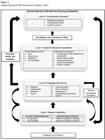
Based on this, the framework is developmental and iterative, meaning that SDL unfolds and transforms because of the continuous interaction between and among culture, pedagogy and student identity. By so doing, it is both a conceptual and practical instrument that informs curriculum design, teaching, and assessment development in South African higher education.
As mentioned in the previous section, the framework is based on three pillars. Culturally situating SDL through these pillars shows how Ubuntu brings a relational ethic which redefines the concept of student autonomy, making the latter interdependent with others. In this context, autonomy is conceptualised as relational, dialogical, and responsible, and not as an individual, self-contained attribute. When you collaborate with Ubuntu, SDL welcomes you to a shared journey in which individuals develop collectively, with a sense of empathy, responsibility, and mutual caring of one another. Ubuntu does not promote individual learning among students; it encourages dialogue, in which students manage a learning group. This orientation is in line with socio-cultural and dialogical theories of learning that emphasise mediation, participation, identity formation, and the co-construction of knowledge. Some practices may include dialogic learning circles, peer mentoring, collaborative goal setting, and structured group reflection and feedback. As an example, the students can establish the learning outcomes collectively and evaluate each other progressively in a manner that anticipates care in advance, responsibility, respect for each other, and personal and collective growth.
Under collectivism, SDL is transformed because it focuses on the generation of knowledge that is common and can be used by all. Collectivism perceives learning as a social process and knowledge as a creation of many, not the property of an individual. This challenges the European-American concept of autonomy as being detached from authority. Rather, it confirms a model of relational autonomy, which is also present in a community where norms, values, and social ties are especially strong. At the same time, it is necessary to observe collectivist settings so that they do not discourage critical thinking and unquestioning support of the hierarchy (Ali et al., 2018). Otherwise, collectivist learning environments can stimulate conformity unconsciously and shut out alternative modes of knowing without the presence of critical mediation. In response to this, the model combines systematic critical discussion, rotating leadership, and full participation in such a way that group learning does not deaden the opposition, nor does it settle power. Together, these strategies, combined, cultivate a sense of belonging and long-lasting critical thinking, as well as stimulating the idea of a democratic engagement, reflective awareness of power dynamics, and socially responsible choices.
AIKS link SDL to longstanding, community-based ways of knowing. It means that sharing stories, transmitting oral traditions, and having students learn through hands-on experience are all valid methods of teaching. These methods foster context-based thinking, hands-on learning, identity formation, and culturally attuned approaches to problem-solving. Educators must adapt these systems thoughtfully to support students in learning how to argue, reflect on their own thinking, and apply their knowledge across different contexts. Consequently, the framework prioritises critical engagement, methodological integration, and reflexive dialogue over a tokenistic or surface-level incorporation of indigenous knowledge. For instance, storytelling can serve as a problem-based learning method in which students examine community issues, propose solutions, and reflect critically on what they have learned. Similarly, community-oriented inquiry projects and collaboration with knowledge holders foster experiential learning and support SDL that is grounded in local contexts.
This may result in the culturally situated SDL that is not only a shift in the Western paradigms but also a shift in thinking that puts an African student in the centre as both a consumer and a producer of new information. Culturally situated SDL plays the role of the central mediating construct between cultural underpinnings, instructional practices, and transformative learning results. In this context, culturally situated SDL refers to a type of socially mediated learning which has its basis in certain situations and is ethically guided by the welfare of communities. The framework does not regard students as passive consumers of information, but as active contributors and creators of knowledge in relationally culturally significant learning environments. Based on this perspective, we believe that three significant competencies become clear.
a) Socially Situated Autonomy is the type of freedom that involves the necessities of other people and responsibility towards the community. This includes the ability to manage oneself in the process of learning, and to be accountable to others, to mentors, and to the collective objectives of the community. It also incorporates negotiation, co-regulation, and the shared responsibility involved in collaborative learning settings. An example is a joint research project in which students take accountability for various aspects of the research, and, at the end of the research, they gather to discuss the findings and their ethical implications. Through this, autonomy is shifted from individual independence to a kind of relational accountability.
b) Collective critical inquiry is a learning method that involves referring to real life, inviting people to discussion, and prompting them to contemplate what they know. This is done through dialogic participation problem solving and reflecting on a critique of existing and emerging knowledge structures. It can be in the form of formulated discussions, participatory research, communal research of an issue, and collective discourse. For example, the students could be put together in well-structured groups to investigate social or local community issues. In these discussions, they challenge assumptions and evaluate the validity of various knowledge claims and examine different perspectives. By so doing, they acquire skills in critical thinking and a sense of social responsibility.
c) Epistemological pluralism refers to the concept that there are alternatives to knowing things that are not confined to a single field. This principle encourages the students to bring together scientific, Indigenous, experiential, and community types of knowledge, thus fostering mental flexibility, creativity, and culturally based approaches to solving problems. It requires critical assessment, contextualisation, and dialogue among the various knowledge traditions and not just blind acceptance of them. As an example, students might explore how oral stories, lived experience, and academic research can each make a unique contribution to the understanding of complex issues.
We propose three key design principles to put the framework into practice: (1) relational pedagogies (with a focus on dialogue and care); (2) context-responsive learning (with a connection between academic content and local conditions); and (3) reflective and critical approaches (with nurturing metacognition and ethical sensitivity, and a sense of social responsibility). The principles can be used to provide tangible advice on how to develop the curriculum, assessment strategies, and policies at the institutional level. An example of such assessment may be collaborative portfolios, peer review, community-based projects, reflective journals, and participatory forms of assessment.
The term inclusion, in this case, should be replaced with the term transformation: schooling in Africa should not just impart culture but should alter the fundamental concepts of what it takes to be self-directed. Therefore, the framework demands structural and epistemic change so that the African knowledge systems are viewed as relational ontologies and part of teaching, learning, and assessment, as opposed to being mere peripheral additions. However, this requires institutional shifts, including redesign of the curriculum, continued professional development, and formal acknowledgement of the diverse knowledge practices. The framework can also be used to conduct empirical studies as well as to create context-sensitive measures to assess relational autonomy, collective inquiry, and epistemic plurality in higher education. Without this kind of systemic change, a culturally based approach to SDL risks remaining merely rhetorical instead of being genuinely transformative.
Conclusion
We contend that African cultural factors have the potential to influence SDL both positively and negatively, depending on how they are mediated in specific higher education contexts. The integration of Western SDL principles with South African cultural values may enhance African students' educational experiences when autonomy is understood not as self-sufficiency, but as a culturally supported and relationally constituted form of agency. In this framing, Ubuntu foregrounds collaborative and socially embedded learning, thus strengthening SDL through peer accountability, mentoring, and shared evaluative judgement. Similarly, the integration of AIKS may enable African students to engage more meaningfully in learning by supporting situated problem-framing, culturally relevant knowledge practices, and contextually grounded forms of evaluation.
In this paper, we make two conceptual contributions to SDL scholarship. First, we propose a three-pillar Ubuntu-informed SDL framework that integrates Ubuntu, collectivism, and AIKS to reconceptualise SDL beyond dominant assumptions of learner self-sufficiency and individual autonomy. Second, we argue for a shift from epistemic inclusion towards epistemic transformation emphasising the need to rethink the evaluative logics, pedagogical practices, and assumptions that structure SDL in South African higher education. Accordingly, higher education institutions should develop SDL approaches that align curriculum, pedagogy, and assessment with relational autonomy, culturally mediated forms of scaffolding, and epistemic plurality, while simultaneously safeguarding learner agency, voice and critical engagement.
Limitations
This study is conceptual in nature and does not include empirical data; it does not capture the lived experiences of African students directly. The analysis heavily relied on existing literature, which may reflect uneven representation across contexts and remains shaped partly by Western SDL traditions. These limitations highlight the need for future empirical studies that examine culturally grounded SDL practices in a specific South African higher education institution setting. Since the study focused on African students in a specific historical, cultural, and educational context, the proposed Ubuntu-informed SDL framework may require contextual adaption before being applied to other student populations or institutional settings.
References
- Adib, M., Ghiyasvandian, S., Varaei, S., & Roushan, Z. A. (2019). Relationship between academic motivation and self-directed learning in nursing students. Journal of Pharmaceutical Research International, 30(5), 1-9. https://doi.org/10.9734/jpri/2019/v30i530281
- Ahmad, B. E., & Majid, F. A. (2010). Cultural influence on SDL among Malay adult learners. European Journal of Social Sciences, 16(2), 252-266.
- Ali, R., Khurshid, K., Shahzad, A., Hussain, I., & Bakar, Z. A. (2018). Nature of conceptions of learning in a collectivistic society: A qualitative case study of Pakistan. Eurasia Journal of Mathematics, Science and Technology Education, 14(4), 1175-1187. https://doi.org/10.29333/ejmste/81867
- Berrezoug, H. (2021). The socio-cultural impress on the promotion of self-directed learning in Algerian Universities. Arab World English Journal, 12(3), 216-231. https://doi.org/10.24093/awej/vol12no3.15
- Bidokht, M. H., & Assareh, A. (2011). Life-long learners through problem-based and self-directed learning. Procedia Computer Science, 3, 1446-1453. https://doi.org/10.1016/j.procs.2011.01.028
- Botha, A., du Toit-Brits, C., & Blignaut, J. H. (2025). Charting new pathways: Unleashing the potential of self-directed learning and the transformative role of teachers in education. Education Sciences, 15(5), 524. https://doi.org/10.3390/educsci15050524
- Broodryk, J. (2006). The philosophy of Ubuntu: Some management guidelines. Management Today, 22(7), 52-55.
- Council on Higher Education. (2021). Reimagining the future of higher education in South Africa post-COVID. https://www.che.ac.za/publications/research/reimagining-future-higher-education-south-africa-post-covid
- De Beer, J. (2016). Re-imagining science education in South Africa: The affordances of indigenous knowledge for self-directed learning in the school curriculum. Journal for New Generation Sciences, 14(3), 34-53. https://doi.org/10.10520/EJC-6ceea187c
- Department of Higher Education and Training. (2023). Statistics on post-school education and training in South Africa. https://www.dhet.gov.za/Information%20Systems%20Management/Statistics%20on%20PostSchool%20Education%20and%20Training%20in%20South%20Africa%2C%202023.pdf
- Du Toit-Brits, C., Blignaut, H., & Mzuza, M. K. (2021). The promotion of self-directed learning through the African philosophy of Ubuntu. In E. Mentz, D. Laubscher & J. Olivier (Eds.), Self-directed learning: An imperative for education in a complex society (pp. 1-24). AOSIS.
- Garrison, D. R. (1997). Self-directed learning: Toward a comprehensive model. Adult Education Quarterly, 48(1), 18-33. https://doi.org/10.1177/074171369704800103
- Gotavade, T. S. (2024). Artificial intelligence ecosystem for automating self-directed teaching [Preprint]. arXiv. https://doi.org/10.48550/arXiv.2411.07300
- Higgs, P., & Van Niekerk, M. P. (2002). The programme for indigenous knowledge systems (IKS) and higher educational discourse in South Africa: A critical reflection. South African Journal of Higher Education, 16(3), 38-49. https://doi.org/10.4314/sajhe.v16i3.25215
- Jaakkola, E. (2020). Designing conceptual articles: Four approaches. AMS Review, 10(1), 18-26. https://doi.org/10.1007/s13162-020-00161-0
- Jonas, P. J. (1996). Collectivism and mission in a South African context. Missionalia: Southern African Journal of Mission Studies, 24(1), 78-90. https://doi.org/10.10520/AJA02569507_772
- Kaya, H. O., & Seleti, Y. N. (2013). African indigenous knowledge systems and relevance of higher education in South Africa. The International Education Journal: Comparative Perspectives, 12(1), 30-44.
- Keegan, P. J., Jones, A., & Brown, G. T. L. (2010, September 24-26). Indigenous language and culture education for mainstream teacher education: Students' knowledge and attitudes [Conference session]. 14th Annual Conference of the Foundation for Endangered Languages, Vienna, Austria.
- Knowles, M. (1975). Self-directed learning: A guide for learners and teachers. Cambridge Adult Education.
- Letseka, M. (2014). Ubuntu and justice as fairness. Mediterranean Journal of Social Sciences, 5(9), 544-551. https://doi.org/10.5901/mjss.2014.v5n9p544
- Mafela, M. J. (2012). Literature: A vehicle for cultural transmission. South African Journal of African Languages, 32(2), 189-194. https://doi.org/10.2989/SAJAL.2012.32.2.11.1148
- Mangwegape, B. (2022). Exploring selected Setswana drama texts as the principle of Ubuntu/Botho in educational context. In Education and New Developments, 2022 (pp. 17-20). Science Press. https://doi.org/10.36315/2022v1end004
- Masaki, F. (2023). Self-regulation from the sociocultural perspective-A literature review. Cogent Education, 10(2), 2243763. https://doi.org/10.1080/2331186X.2023.2243763
- Mbatha, B. (2013). Unpacking four sequential modes of knowledge conversion in managing indigenous knowledge. Indilinga: African Journal of Indigenous Knowledge Systems, 12(2), 171-187. https://doi.org/10.10520/EJC149935
- McAuley, S. J. (2011). Unveiling the authoritative voice: The effect of a dialogic stance in a technical college composition class [Doctoral dissertation, University of Georgia]. University of Georgia Repository. https://getd.libs.uga.edu/pdfs/mcauley_susan_j_201108_phd.pdf
- Merriam, S. B., & Caffarella, R. S. (1999). Learning in adulthood: A comprehensive guide. Jossey-Bass.
- Morris, T. H. (2024). Four dimensions of self-directed learning: A fundamental meta-competence in a changing world. Adult Education Quarterly, 74(3), 236-254. https://doi.org/10.1177/07417136231217453
- Mosweunyane, D. (2013). The African educational evolution: From traditional training to formal education. Higher Education Studies, 3(4), 50-59. https://doi.org/10.5539/hes.v3n4p50
- Mpofu, J., & Sefotho, M. (2024). The relationship between the philosophy of Ubuntu and the principles of inclusive education. Perspectives in Education, 42(2), 128-144. https://doi.org/10.38140/pie.v42i2.7338
- Ndwambi, M., Hlabane, S., Motlhabane, D., & Malgas, A. (2022). Incorporating Ubuntu principles in a tutor training programme to promote academic success and wellbeing. Scholarship of Teaching and Learning in the South, 6(1), 138-147. https://doi.org/10.36315/sotls.v6i1.206
- Ngubane, N. R. (2023). Self-directed learning and the collective approach of Ubuntu pedagogy. In D. W. Mncube & M. C. Maphalala (Eds.), Advancing self-directed learning in higher education (pp. 25-42). IGI Global. https://doi.org/10.4018/978-1-6684-6772-5.ch003
- Ngubane, N., & Makua, M. (2021). Ubuntu pedagogy-transforming educational practices in South Africa through an African philosophy: From theory to practice. Inkanyiso: Journal of Humanities and Social Sciences, 13(1), 1-12. https://doi.org/10.4102/ink.v13i1.9
- Pathan, H., Memon, R. A., Memon, S., Khoso, A. R., & Bux, I. (2018). A critical review of Vygotsky's socio-cultural theory in second language acquisition. International Journal of English Linguistics, 8(4), 232-236. https://doi.org/10.5539/ijel.v8n4p232
- Polly, D., Allman, B., Casto, A., & Norwood, J. (2017). Sociocultural perspectives of learning. In R. E. West (Ed.), Foundations of learning and instructional design technology. Pressbooks. http://lidtfoundations.pressbooks.com/
- Rahmatirad, M. (2020). A review of socio-cultural theory. SIASAT, 5(3), 23-31. https://doi.org/10.33258/siasat.v5i3.66
- Rogers, E. M. (2002). Diffusion of preventive innovations. Addictive Behaviors, 27(6), 989-993. https://doi.org/10.1016/S0306-4603(02)00300-3
- Sargeant, K., & Smallwood, C. D. (2021). Building trust and enhancing resiliency: A case study on the Greater Columbus Community Trust. National Civic Review, 110(1), 16-25. https://doi.org/10.1002/ncr.30635
- Scott, S., & Palincsar, A. (2013). Sociocultural theory. The Gale Group. http://www.education.com/reference/article/sociocultural-theory
- Sefa Dei, G. J. (2020). Elders' cultural knowledges and African indigeneity. In J. M. Abidogun & T. Falola (Eds.), The Palgrave handbook of African education and indigenous knowledge (pp. 279-301). Springer International. https://doi.org/10.1007/978-3-030-38277-3_14
- Servant-Miklos, V., & Noordegraaf-Eelens, L. (2021). Toward social-transformative education: An ontological critique of self-directed learning. Critical Studies in Education, 62(2), 147-163. https://doi.org/10.1080/17508487.2019.1577284
- Simons, P. R. J. (2000). Towards a constructivistic theory of self-directed learning. In G. A. Straka (Ed.), Conceptions of self-directed learning: Theoretical and conceptual considerations (pp. 155-169). Waxmann. https://dspace.library.uu.nl/handle/1874/6994
- Swart, A. J. (2018). Engaging African engineering students with problem-based learning by using the disassembly-assembly technique. International Journal of Electrical Engineering Education, 55(3), 244-257. https://doi.org/10.1177/0020720918767052
- Taylor, C. A. (1995). Cooperative learning in an African context. International Journal of Educational Research, 23(3), 239-253. https://doi.org/10.1016/0883-0355(95)93611-X
- Thompson, L. W. (2013). Individualistic teacher, collectivistic student. In M. Boucouvalas (Ed.), Proceedings of the 2013 International Pre-Conference (pp. 204-214). Commission for International Adult Education (CIAE) of the American Association for Adult and Continuing Education (AAACE). https://eric.ed.gov/?id=ED547262
- Tinmaz, H., & Ozturk, Y. E. (2022). Analysis of student attitudes towards cooperative learning in a collectivist culture: A case of South Korea. Higher Education, Skills and Work-based Learning, 12(6), 1154-1168. https://doi.org/10.1108/HESWBL-12-2021-0237
- Torraco, R. J. (2016). Writing integrative literature reviews: Using the past and present to explore the future. Human Resource Development Review, 15(4), 404-428. https://doi.org/10.1177/1534484316671606
- Voskamp, A., Kuiper, E., & Volman, M. (2020). Teaching practices for self-directed and self-regulated learning: Case studies in Dutch innovative secondary schools. Educational Studies, 48(6), 772-789. https://doi.org/10.1080/03055698.2020.1814699
- Vygotsky, L. S. (1978). Mind in society: The development of higher psychological processes. Harvard University Press.
- Waghid, Y. (2020). Towards an Ubuntu philosophy of higher education in Africa. Studies in Philosophy and Education, 39(3), 299-308. https://doi.org/10.1007/s11217-020-09709-w
- Wang, Q., Xiong, C., & Liu, J. (2021). Does culture or self-directed learning drive online performance? International Journal of Educational Management, 35(6), 1077-1098. https://doi.org/10.1108/IJEM-06-2020-0327
Accepted: 31 March 2026