Micro-credentials and job readiness among office management students at universities of technology
Abstract
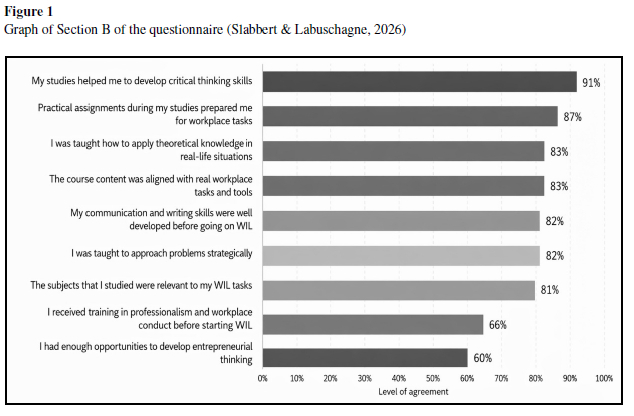
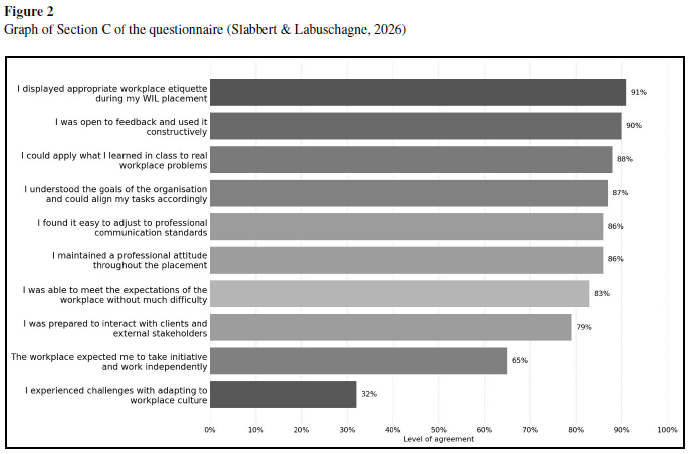
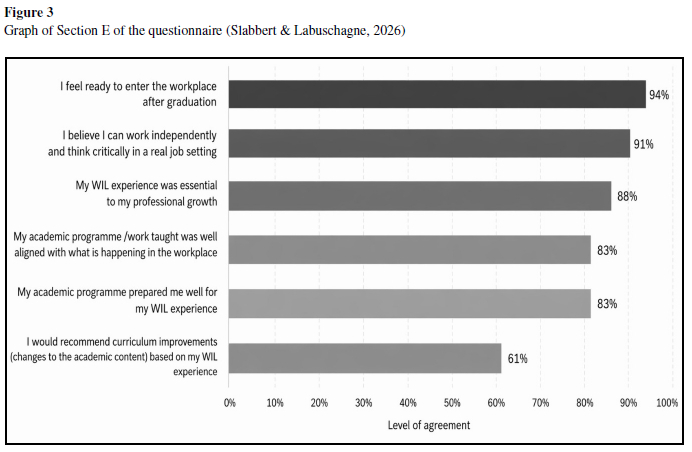
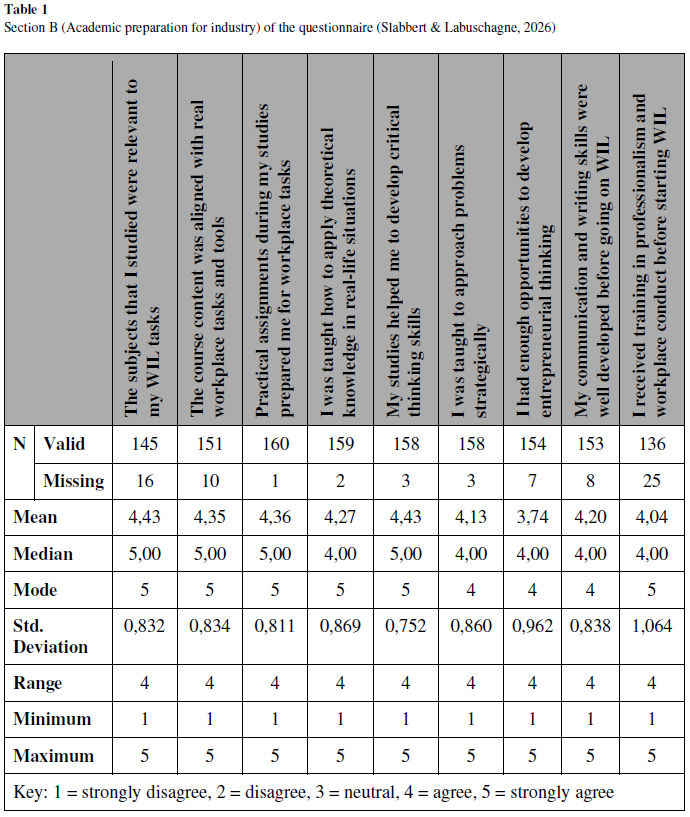
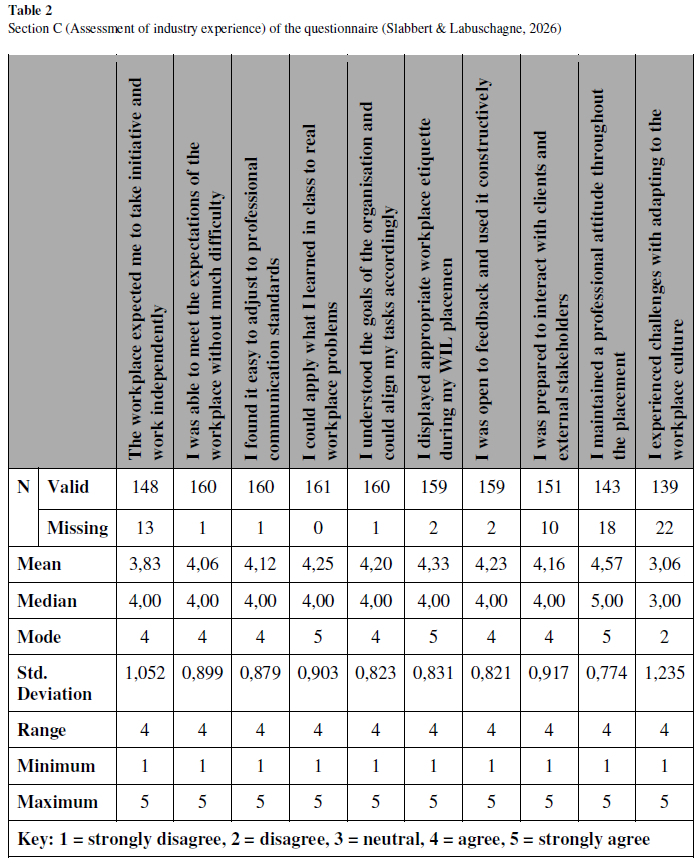
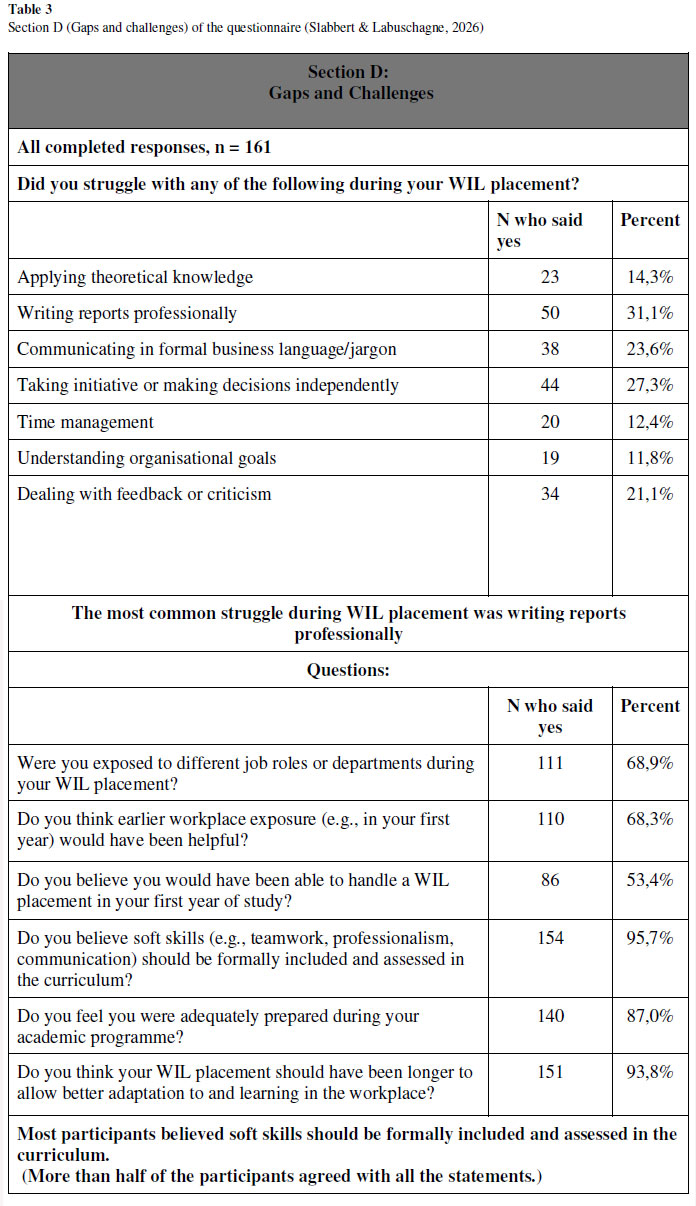
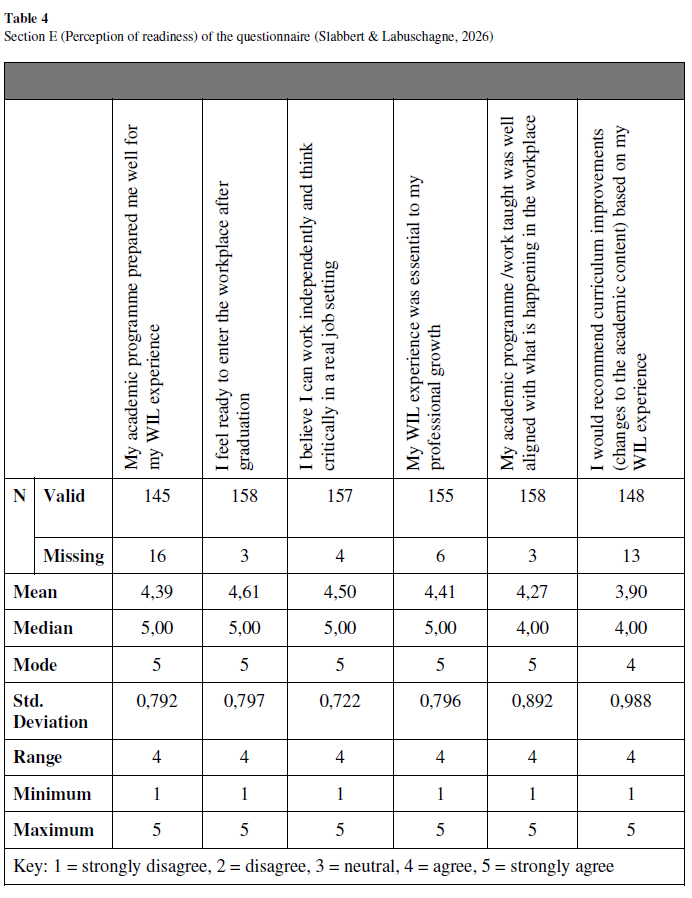
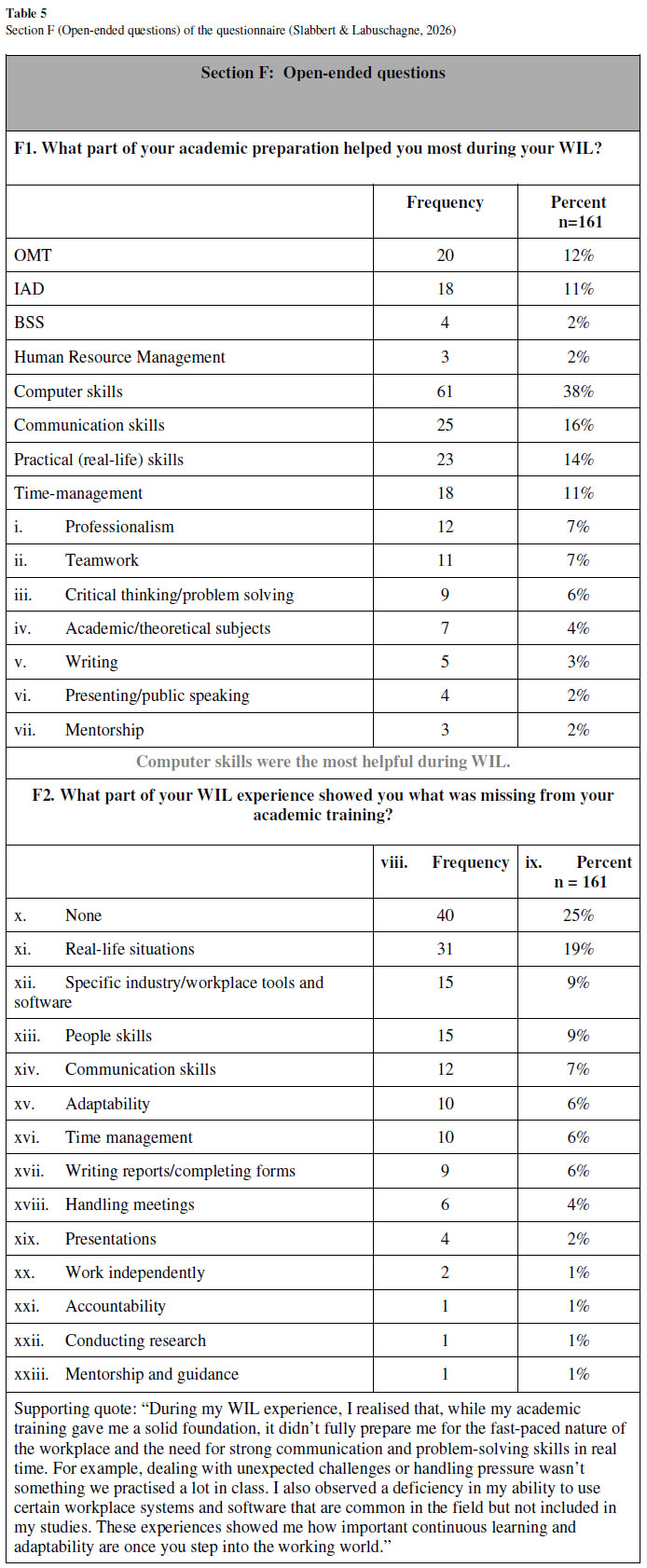
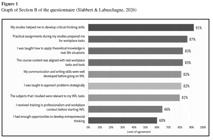
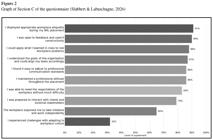
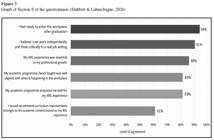
The workplace is changing faster than ever, which means that higher education institutions must demonstrate that their graduates are truly ready to work. Micro-credentials have developed as focused, competency-oriented learning modules that authenticate transversal skills and facilitate adaptable, lifelong education. This mixed-methods study evaluates the workplace readiness of undergraduate office management students at a South African university of technology, and explores the potential of micro-credentials to address discrepancies between academic training and labour-market demands. Based on employers' feedback on weaknesses in critical thinking, initiative, professionalism, and communication, a survey of 161 final-year students found that they generally thought the academic work was useful; however, they still struggled to apply theory to practice, communicate professionally, and understand how organisations operate. Triangulated findings indicate that micro-credentials, when aligned with industry requirements and integrated into curricula, can more effectively develop and signal essential competencies for future employability.
micro-credentials; employability; workplace readiness; work-integrated learning; office management; curriculum alignment; critical thinking; professional communication; entrepreneurial thinking
 Thumbnail
 Thumbnail
 Thumbnail