Construct validity in AI-mediated assessment of student teachers' paragraph writing
Abstract
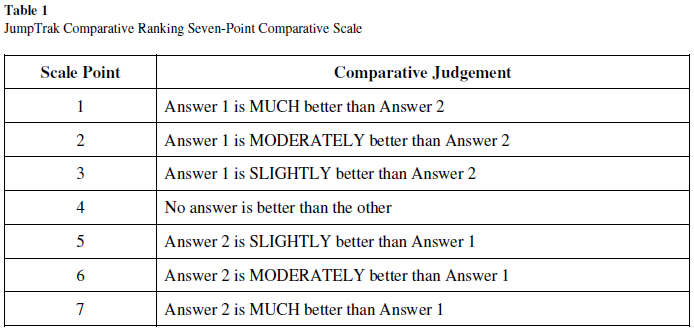
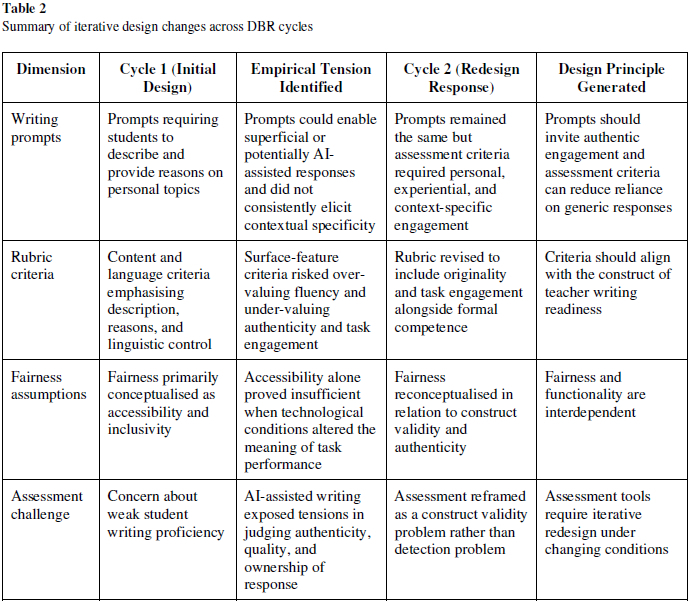
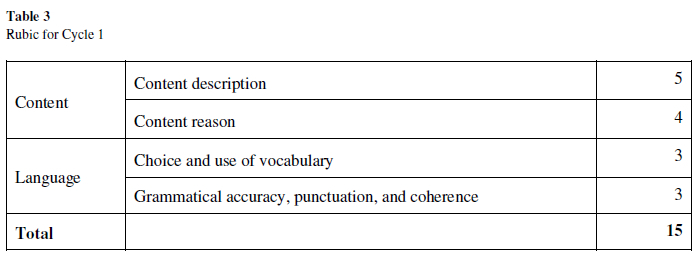
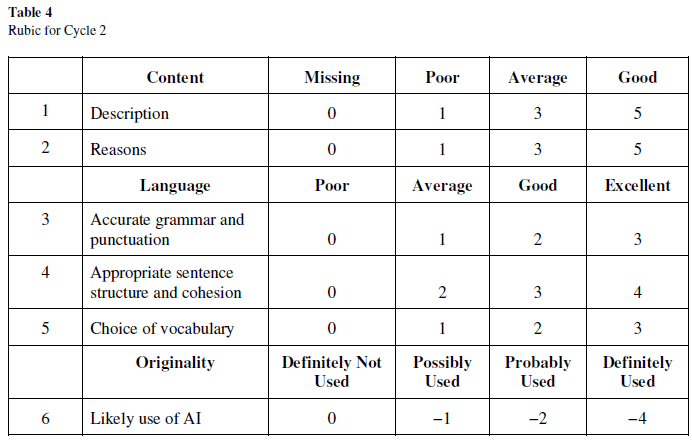
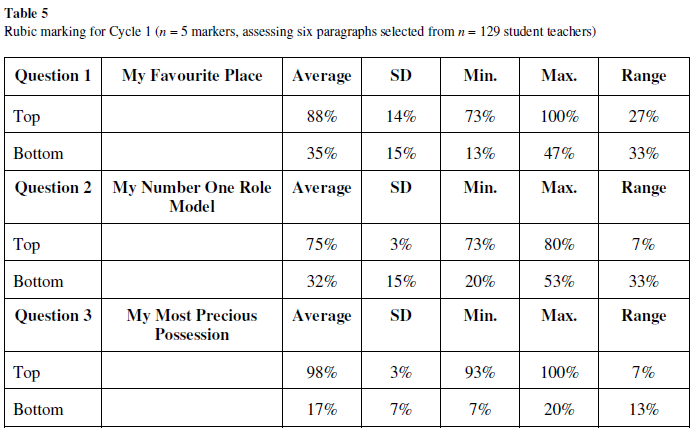
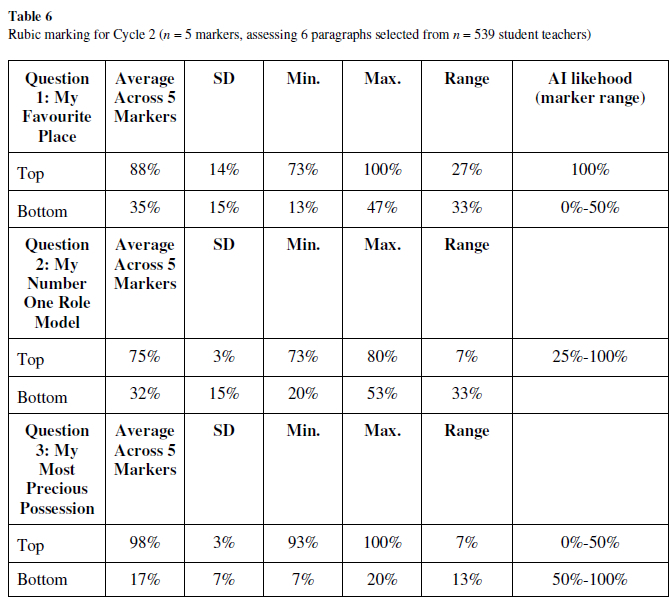
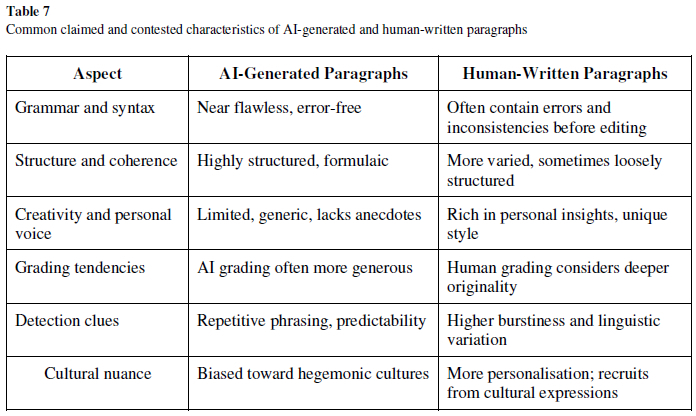
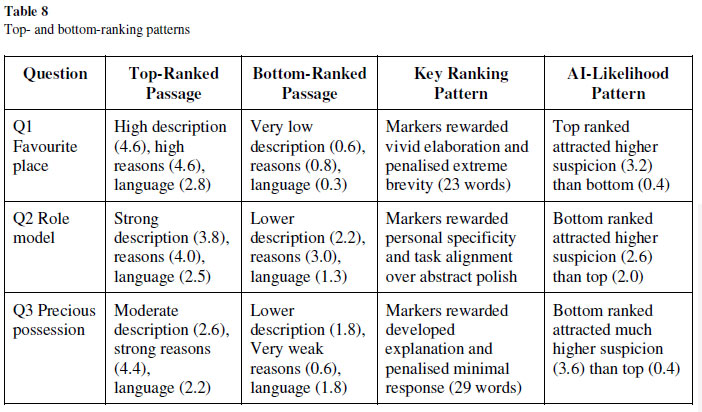
To teach writing effectively, South African student teachers need to be proficient writers in English themselves. But paragraph-writing tasks used to assess their proficiency can no longer be assumed to measure what they claim to measure with the advent of AI-assisted writing tools. This paper reports on the PrimTEd English Assessment Project, in which student teachers' paragraphs and the accompanying marking rubrics were refined. In Cycle 1, 129 paragraphs, of which three were top-ranked, and three bottom-ranked by the Jumptrak ranking tool using the input of the researchers, informed rubric redesign. In Cycle 2, 539 paragraphs were comparatively ranked and independently marked using a revised rubric that incorporated originality, task engagement, and estimated AI use. Analysis therefore rests on purposefully selected anchor scripts and the study is best read as an illustrative pilot. Expert markers consistently prioritised task adherence, adequacy of development, and perceived authenticity, while their estimates of AI use varied widely and did not align with quality judgements. AI-assisted writing is therefore best understood as a threat to the construct validity of writing assessment rather than merely a detection or academic integrity problem.
artificial intelligence; construct validity; design-based research; assessment of writing; initial teacher education; paragraph writing