Exploring challenges around integrating music and mathematics for fraction understanding: A task-design experiment
Abstract
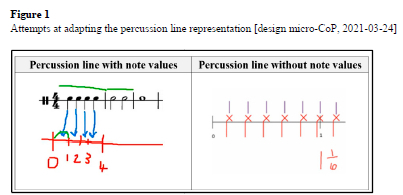
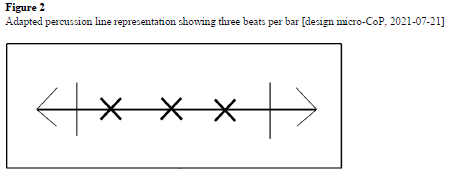
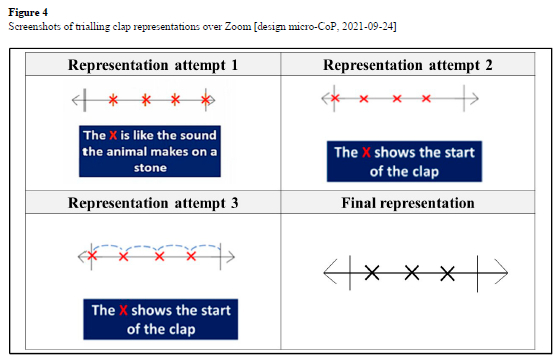
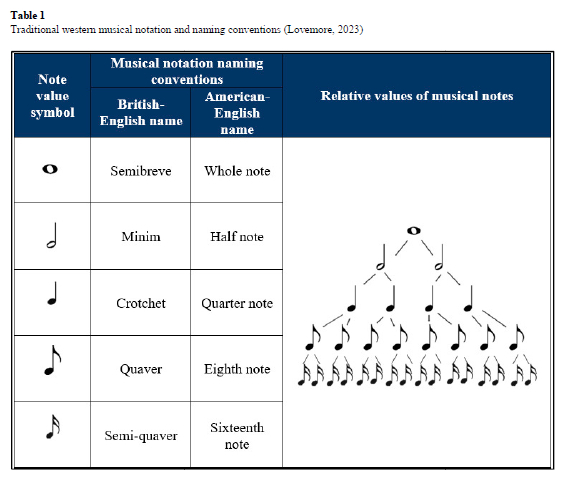
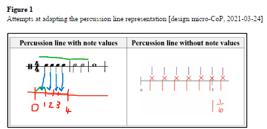
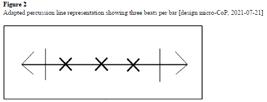
In this article, I discuss a task-design experiment of integrating music and mathematics for teaching primary school fractions in response to challenges in fraction teaching and learning, and low mathematics achievement in South Africa specifically. I answer the research question, "What obstacles might task-designers face when integrating music and mathematics for fraction understanding, and how can they be resolved?". Data consists of recordings of Zoom meetings of the three task-designers, including myself, which were analysed thematically. Framed by Realistic Mathematics Education theory and curriculum integration, findings exemplify the process of task-design relating to limitations of musical notation and alignment of mathematical and musical linear representations. Implications include the selection of key representations, maintaining the fidelity of both subjects, designing practical tasks for implementation, and the need for careful planning by a team. This example may resonate with other teachers, task-designers, and researchers looking to trial integrating arts with mathematics, thus suggesting guidelines for making curriculum integration more accessible to teachers and learners.
curriculum integration; music and mathematics integration; fractions; task-design; design research; realistic mathematics education
 Thumbnail
 Thumbnail
 Thumbnail
 Thumbnail