Unveiling the Voices and Examining the Phases of Reportage in Online News Stories of the Coronavirus Pandemic in Ghana
Abstract
This article examines media coverage of the coronavirus pandemic in Ghana, specifically focusing on four selected Ghanaian news portals (myjoyonline. com, citinewsroom.com, peacefmonline.com and gna.org.gh) from 12 March 2020 to 24 March 2021. The study underpinning the article examined news sources, attributions and reportage phases. The study was guided by the Agenda Setting and Framing theories within a content analysis approach that sampled and analysed 208 news stories. The findings highlight the central role of various sources, including government officials and politicians, medical experts, health organisations, affected communities, corporate executives and international media in shaping the media narrative about the pandemic. These sources provided information, insights and perspectives that informed the media's reporting and helped disseminate crucial information to the public. In addition, the study underpinning the article unveiled a five-phased approach adopted by the media, from early responsiveness to resilience and recovery, each marked by different frames such as political, public health crisis, social, economic and on-the-brighter-side frames. This dynamic approach allowed the media to adapt to the evolving nature of the pandemic and cater to the diverse information needs of the audience. This research contributes to a deeper understanding of media coverage during health crises and offers valuable insights for media professionals, policymakers and the public.
Coronavirus pandemic; media reportage; news attributions; news sources; online media
INTRODUCTION
Ghana first detected the virus on 12 March 2020 and within two months the nation recorded over 7,000 cases with an estimated 34 deaths (Aduhene & Osei-Asseibey, 2020). Following the World Health Organization's (WHO) recommendations, Ghana implemented precautionary measures against the coronavirus. These included lockdowns, mandatory use of masks and health protocols. From January 2020 Ghana's borders were closed and only flights were permitted. Many media reports heralded the government for its seriousness in the fight against the virus (Long et al., 2020). Undoubtedly, the media in Ghana played a significant role in the nation's efforts to combat the pandemic and effectively recover from the damages it had caused (Antwi-Boasiako et al., 2021).
In Ghana, as in many other nations, the media played a pivotal role in shaping public understanding and perception of the pandemic. The media's portrayal of the virus influenced the national response, individual behaviours and overall public sentiment during various phases of the pandemic. Central to this influence is the concept of media framing, which refers to how news outlets select, emphasise and present specific aspects of an issue to shape public perception (Sikanku, 2013). Understanding how the Ghanaian media framed the pandemic during its various phases is crucial to understanding the broader public response and adherence to health guidelines.
Media framing not only is about how a story is told but also involves the selection of sources that inform the narrative (Thomas et al., 2020). In the case of the coronavirus pandemic, sources such as government officials, health experts and international organisations played a significant role in shaping the media narrative. In addition, media framing and coverage of health issues are greatly influenced by the different phases the health issues often adopt (Antwi-Boasiako et al., 2021). Thus, how the media reports on issues when the health crisis emerges through to how media captures issues when the crisis heightens and eventually capsizes has a significant influence on human behaviour during a global health crisis (Hirneisen, 2020). Essentially, phased media coverage of health issues and information sources that the media pay attention to are two critical things that are of relevance to health reporting (Amara et al., 2020; Hirneisen, 2020).
The way media outlets in Ghana used these sources and how their framing evolved across the different phases of the pandemic offer valuable insight into the role of news media in health crisis communication (Antwi-Boasiako et al., 2021). The study underpinning this article sought to analyse how the Ghanaian media framed the coronavirus pandemic, focusing on the sources of news and the phases of coverage.
The relevance of the media in dealing with pandemics such as the coronavirus pandemic is evidenced in numerous studies that have researched how the media aided the effective mitigation of the pandemic globally (Apuke & Omar, 2021; Matthews et al., 2023). Thomas et al. (2020) note that the media were even more critical as the WHO was dealing with the emergence of an infodemic, which clouded the effectiveness of prevention and mitigation measures. The role of the media during the pandemic can, therefore, not be understated as they were essential in dealing with the pandemic and fighting issues of misinformation during the pandemic. Essentially, the media's educational role has been identified as one of the main enablers that aided effective prevention and mitigation strategies across the world (Hirneisen, 2020).
Studies of Ghanaian origins have contributed to understanding the pandemic and its diverse impact in many ways (Antwi-Boasiako et al., 2021; Issahaku & Abu, 2020; Karpati, 2021). Furthermore, studies on how the media covered the pandemic in Ghana have been produced to some considerable length. However, most of these studies pay little attention to critical issues such as news sources and media coverage phases, among other issues. Meanwhile, studies such as those of Leask et al. (2010), Zafri et al. (2021) and Hirneisen (2020) argue that media engage in a phase-by-phase approach to covering critical health issues. Thus, media tend to cover health issues, focusing on different events that characterise the emergence, rise and decline of health issues. Hence, media engage in a step-by-step event-based approach to covering many health issues. Aboagye (2020) argues that this approach is essential to improving public understanding of critical issues during coverage of a health problem. Nyarko (2019) also notes that a phased approach to covering some health issues sustains public interest and attention to those issues.
Furthermore, WHO (2020) notes that one core means of dealing with the pandemic effectively is by ensuring access and use of the right sources of information for media coverage. The study underpinning this article was focused on investigating the core sources of news that the Ghanaian media engaged in while reporting on the pandemic, as well as the different phases of reportage that were engaged during coverage of the pandemic in the country.
Investigating key information is relevant to ascertain which key players the media focused on and, by extension, how the media sought to frame the health issues and how they set the agenda on different issues regarding the health issue (Aboagye, 2020; Nyarko, 2019). Furthermore, investigating the phases of coverage is crucial to understanding the various contexts relevant to media coverage of the pandemic, the key events it focused on and how the media framed and highlighted key issues (Aboagye, 2020; Asante & Tenkorang, 2021).
THE GHANAIAN CONTEXT OF THE CORONAVIRUS PANDEMICSince the emergence of the pandemic in 2019, the devastating effects have been experienced by many African nations. Some studies have shown that the relatively late emergence of the disease in the African region enabled African governments enough time to mitigate the pandemic on the continent as it emerged (Nyadera et al., 2021). Thus, the Ghanaian government was able to put measures in place even before the first cases of the disease were recorded in the country (Sibiri et al., 2021).
Regardless of early prevention strategies, the pandemic severely affected Ghana (Aduhene & Osei-Assibey, 2020). According to Ofori et al. (2022), over 1,300 deaths were recorded in the country by January 2022. Lockdown regulations led to the imposition of restrictions that affected socio-economic activities to varying degrees (Owusu et al., 2023). Many authors applauded the efforts of the media as well as Ghanaian efforts in dealing with the pandemic and curtailing its implications on life and socio-economic activities in Ghana (Issahaku & Abu, 2020). The Ghana Health Service (GHS) and Ministry of Health spearheaded efforts to educate the public on safety protocols, such as wearing face masks, hand washing and social distancing. The government's response included a mix of health interventions and economic support measures, such as the "Coronavirus Alleviation Programme" which provided financial aid to businesses and vulnerable groups affected by the pandemic (Long et al., 2020). This proactive approach helped limit the early spread of the virus despite challenges such as inadequate healthcare infrastructure and the need to balance public health with economic concerns (Sibiri et al., 2021).
The pandemic exposed Ghana's public health system limitations, including limited healthcare infrastructure and unequal access to resources, and highlighted socio-economic disparities. Despite these, Ghana's response was effective in public health communication (Ofori et al., 2022; Sibiri et al., 2021).
Ghana's media landscape played a crucial role in disseminating information about the virus, government measures and public health guidelines (Antwi-Boasiako et al., 2021; Ofori, 2022). Traditional media outlets, including television, radio, newspapers, digital platforms and social media, became key channels for informing the public and combating misinformation (Antwi-Boasiako et al., 2021). Media framing of the pandemic in Ghana was influenced by the sources of information that were most accessible to journalists. The framing of the pandemic evolved through different phases, from the initial outbreak and early response to vaccine distribution and efforts to return to normalcy (Ofori et al., 2022).
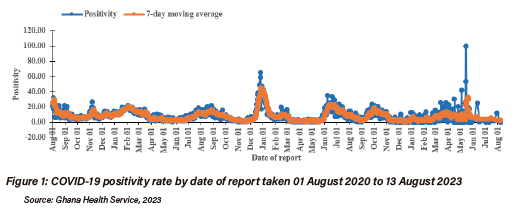
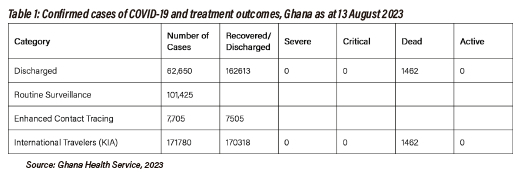
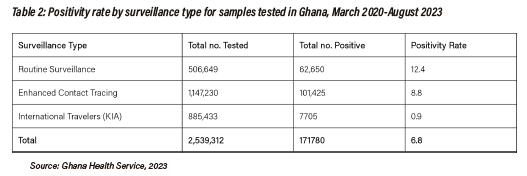
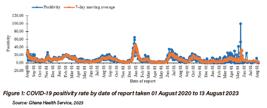
The testing regime was one of the most highlighted protocols in the management of the disease. From Table 2, 2,539,312 COVID-19 tests were conducted, with 171,780 positive (Ghana Health Service, 2023). There were 170,318 recoveries and 1,462 fatalities out of 171,780 samples tested (Table 1). In August 2023, the GHS reported no new cases, demonstrating the effectiveness of government response efforts. The statistics illustrate Ghana's ongoing efforts to control the COVID-19 pandemic via the 3Ts strategy and vaccination campaigns (Owusu et al., 2023). According to Owusu et al. (2023) the 3Ts strategy covers governments efforts to trace, test and treat probable infected persons. This approach proved to be helpful in dealing with spread of the virus in the country.
This article is premised on two critical objectives: First, it examines the key information sources the media in Ghana used during the coverage of the pandemic and, second, it examines the phases the media in Ghana adopted in covering the pandemic. The selected media organisations were chosen based on Alexa rankings and their general relevance in the country's media landscape. Gna.org, for instance, was selected because the website represents the online wing of the state-owned national news aggregator. The other three news platforms were selected because they comprised three of the most visited news websites in Ghana, according to Alexa rankings, making them the most popular online news platforms in Ghana.
Reportage of health issues in Ghana
The focus of media coverage on pandemics is mainly directed towards subjects such as the prevalence of infections (Husemann & Fischer, 2015), strategies for prevention (Liu et al., 2020; Zafri et al., 2021) and instances of death. Media coverage of severe illnesses and epidemics such as HIV/AIDS (Halabi et al., 2013), cholera (Donkor & Namaitijiang, 2019), meningitis (Smith & Tietaah, 2017), Ebola virus disease (Seidu, 2018) and the recent COVID-19 pandemic have been the subject of numerous studies. The results of these investigations also demonstrate the use of diverse news sources and imply an apparent proactive approach in Ghanaian media coverage of global health issues. Studies such as those of Appiah et al. (2022), Asamoah et al. (2017) and Sano et al. (2016) have noted the relevance of media coverage of diverse health issues, focusing on how the media is essential to enforcing positive health behaviours among media consumers.
In Ghana, media coverage of health issues often follows patterns influenced by public health priorities, government policies and global health trends. Ankomah and Agyei (2020) note that there is significant focus on reporting on communicable diseases such as malaria, tuberculosis and HIV/AIDS with an occasional emphasis on epidemics, pandemics and global health crises. Sesenu (2016) studied how the media covered and framed HIV/AIDS in Ghana. The study found that between 2000 and 2015, the media adopted a rise-peak-decline approach to express the pattern the media focused on while reporting on malaria issues in Ghana within the study period. The study found further that the media adopted an issues-based framing approach while reporting on HIV/AIDS. The study further found that the prevention frame dominated media coverage of AIDS in Ghana. However, the study also found that over time, the use of the prevention frame declined while other frames emerged, such as transmission, political, impact and funding, and became more dominant. Oppong and Adu-Gyamfi (2021) found in their study on how the media covered issues concerning malaria that the media in Ghana often focused on prevention methods while reporting on the disease. As most studies in the literature suggest, Oppong and Adu-Gyamfi also found that multiple frames are often used to cover malaria in Ghana effectively. Nyarko (2019) found, while studying a similar phenomenon, that the coverage of malaria is often event driven, with the media increasing coverage in line with infection spikes and outbreaks and focusing on other issues, such as donor support and campaigns, when infection rates are lower.
Mensah and Boateng (2022) also found that malaria, like other communicable diseases, is predominantly covered using the prevention frame to shape perceptions towards positive behaviours among media users. Hence, the literature points to issues relevant for describing media coverage of critical health problems in Ghana. First, multiple frames are adopted, with prevention frames emerging as the dominant frame. Second, the framing and coverage approaches assume an events-based approach with more focus on outbreaks and infection spike periods.
The literature highlights a significant focus on communicable health diseases, with relatively little attention given to non-communicable diseases. Oppong and Adu-Gyamfi (2021) note further that non-communicable diseases such as diabetes, hypertension and cancer receive limited media attention, although these diseases are quite prevalent in Ghana.
Some studies have extended the discussions on media coverage of health issues from the framing approach to investigate the nature and focus of media coverage. Diedong (2013), for instance, studied health portrayal in Ghanaian media. They found that media have focused on political matters and that health coverage has been primarily descriptive with little interpretation. Diedong (2013) found that the news coverage of health concerns in Ghanaian newspapers mainly consisted of straight news items. A significant proportion of the stories focused on symptoms, aetiology and therapeutic interventions. Diedong (2013) also found that a significant proportion of the stories were from government officials, with smaller contributions from the media, professionals, interest groups, non-governmental organisations, people and scientific research. This suggests that media have a wide range of news sources about health problems, with varying degrees of accuracy.
Smith and Tietaah (2017) found that media coverage of the Ebola virus was unimpressive. The study noted that very little attention was paid to issues concerning the pandemic. The study further found that government officials and health experts were the most accessed news sources during the coverage. Thompson and Ofori-Parku (2021) note that media are selective of their sources while also favouring some sources over others.
Amu et al. (2018) have shown that the Ghanaian media not only emphasises illness reporting but also places significance on health-related policy formation and execution. Mensah and Boateng (2022) show that media coverage of health policies is event based as the media focuses more keenly on health policies during illness outbreaks, the emergence or inception of the health policy or its failure. Oppong and Adu-Gyamfi (2021) argue that media coverage of health issues is often contextualised within the remit of economic and political frames. For instance, Nyarko (2019) found that the Free Maternal Healthcare Initiative policy was framed through political lenses with a keen focus on partisan political connotations. Ankomah and Agyei (2020) found that the National Health Insurance Scheme was also covered in line with the policy's economic ramifications for Ghanaians.
Therefore, Ghanaian media coverage of health issues focuses on various issues connected with illness, health delivery and policy issues in Ghana. More importantly, framing of health issues often relies on the use of multiple frames with more emphasis on prevention frames.
Phases of media reportage on the coronavirus pandemic
There is limited research that addresses the topic of phased media coverage of the COVID-19 pandemic. Zafri et al. (2021) and Hirneisen (2020) highlight the different stages of the COVID-19 epidemic and focus on media reporting during the pandemic. Zafri et al's (2021) study in Bangladesh identifies a four-stage methodology: readiness, response, recovery and implementation. Media coverage centres on creating awareness and disseminating potential solutions in the readiness phase. The response phase encompasses government actions, healthcare systems, testing, tracing and isolation measures. The recovery phase evaluates the efficacy of response measures, while the implementation phase emphasises drug research, immunisation, education and capacity-building efforts.
Hirneisen (2020) describes a three-stage media portrayal of health crisis circumstances. In the alarm phase, the media's primary role is to raise public awareness about the pandemic. The second phase focuses on national preparedness, security systems, assistance to heavily affected countries and the spread of the illness. Phase three highlights disease containment efforts, medical and pharmaceutical advancements, and strategies to mitigate illness transmission.
Both studies contribute to understanding how the media approached and framed the COVID-19 pandemic in different phases, emphasising the importance of disseminating accurate information, evaluating government responses and promoting containment measures. These findings reflect a broad trend in global media coverage during the pandemic.
Information sources in media coverage of the coronavirus pandemic
The sources of information that the media use while reporting on health crises and pandemics are often diverse and depend on perspectives from political, economic and scientific specialists. For instance, Holland et al. (2014) posit that the Australian media prioritised specialist news sources, making them primary actors in the coverage of pandemics that had hit the country in the past. Kato et al. (2016) observed that expert sources continued to be the primary information providers within the media at the peaks of different pandemics. Matthews et al. (2023) note that individuals engaging with media during pandemics tend to use a diverse range of platforms, including radio and television broadcasts and Internet sources. Essentially, coverage of different pandemics in the media tends to focus on more specialist news sources amid the use of other critical information sources.
Media coverage of the coronavirus pandemic is observed to have followed similar suit in some studies (Amara et al., 2022; Umeta et al., 2022). Thus, several studies provide a comprehensive overview of the various sources used by the media throughout their coverage of the pandemic. Morani et al. (2020) conducted a study using a mono-source methodology to examine media's usage and incorporation of health professionals in their reporting on the pandemic. As a result, the research showed that single news sources were media's most important news information sources. Research conducted by Apuke and Omar (2021) using a multi-source methodology revealed that media outlets used diverse sources rather than relying on a single source while reporting on the pandemic in Nigeria. The study looked at fake news and information sources during the pandemic and found that the media relied on multiple information sources. This limited the spread of fake news in the mainstream media in Nigeria. Apuke and Omar (2021) suggest that the news sources used by the media exhibit politicisation and division based on media ownership. According to them, Nigerian media relied on many key sources for information on the coronavirus pandemic, including government officials, the Centre for Disease Control, COVID-19 patients, specialist technicians, the WHO and the health agency.
Mach et al. (2021) assert that news sources accessed during the pandemic in the United States of America were either scientific knowledge based or sensational sources. The scientific news sources included the perspectives of specialists, health professionals and affected persons. Conversely, sensational news sources were identified as being influenced by partisan politics and government agendas. Matthews et al. (2023) aver that news sources accessible in the United Kingdom during the pandemic exhibited a division between expert and political sources. The study revealed that media outlets covered more political news sources than expert news sources. Mellado et al. (2021) also emphasise coverage from political news sources in Latin America.
Dahal and Khatri (2021) investigated the key information sources Nepalese media focused on while covering the pandemic. The two newspapers examined by Dahal and Khatri (2021) (The Kathmandu Post and The Rising Nepal) focused on migrant workers, political leaders, government officials, company owners and managers, women and children, and health professionals. The existing literature suggests that media coverage of the virus covered diverse sources of news. However, the literature seems to focus more keenly on traditional and broadcast media platforms in establishing the news sources that the media focused on. There appears to be little attention to online media platforms, although these media forms were some of the most used sources of information for media users during the pandemic (Nelson & Lewis, 2022; Tkacova et al., 2023). The study underpinning this article, then, fills this gap by highlighting the dynamics regarding the news sources that online news media focused on during coverage of the coronavirus pandemic. This is essential in highlighting how online media covered the pandemic and to improve the literature in this regard.
THEORETICAL AND METHODOLOGICAL UNDERPINNINGSThe study underpinning this article was guided by the media framing theory. The media framing theory is one of the most widely used theories within media studies. Notably, researchers have adopted the theory to evaluate media framing of the coronavirus pandemic in different dimensions (Milutinović, 2021; Misganaw, 2020; Sikanku, 2019). The media framing theory suggests that media reports shape society's situations and events, with more profound implications on how audiences perceive the events they report on (Scheufele, 1999; Sikanku, 2013). Ervin Goffman originally developed the framing theory in his book Frame Analysis. However, its application to media studies has been attributed to the efforts of Robert Entman (1993) (Sikanku, 2013). Entman (1993:52) defines "framing" as selecting "some aspect of a perceived reality and making them more salient in a communicating text in a way that can promote a certain definition, interpretation, moral evaluation or treatment recommendation".
Thus, media framing theory posits that media actively select or ignore some aspects of issues and events for the event or issues to be portrayed somehow (Sikanku, 2019). Media portrayals often make certain issues or events more salient, leading audiences to pay more attention to these portrayals. Entman (2007) and Scheufele (1999) state that media engage in framing issues because it increases the likelihood that audiences digest information faster and remember it more easily (Kostopoulos, 2020). Sikanku (2019) argues that framing places news stories in some social contexts. These contextualisations make stories easier for audiences to understand and remember
The media framing theory aids in understanding the pandemic reporting process in Ghana, enabling a phase-by-phase approach and revealing news source selection processes. The framing theory is relevant as it provides the framework for understanding how narratives in the news stories project the different phases of media coverage of the pandemic and how media consumers should perceive them. The theory is also essential to highlighting why media chose particular news sources and covered the pandemic from their perspectives.
METHOD
An interpretivist paradigm, consistent with a qualitative research approach (Landi, 2023), underpinned the data collection and analysis of the study underpinning this article. This philosophical stance informed the choice to employ qualitative content analysis as the research design to help understand how the coronavirus pandemic was covered and framed in online media.
To achieve this, the study found 3,819 news stories about the coronavirus published on four prominent websites: myjoyonline.com, citinewsroom.com, peacefmonline.com and gna.org.gh. These online news portals were selected because they comprised Ghana's most visited news media platforms, according to Alexa rankings at the time data was collected for the study (Alexa Rank Checker, 2023). The study adopted a systematic sampling approach that included critical inclusion and exclusion criteria to sample news stories from this population.
The data collection period spanned 12 March 2020 to 24 March 2021. The study focused on this period mainly because 12 March 2020 marked the date of the first entry of the virus into Ghana, while 24 March 2021 marked exactly a year after the virus had entered Ghana. This period provides an adequate time frame to collect enough data in order to properly analyse how the media reported on the pandemic in the country. The study engaged an extensive data search using a dual approach. The study sourced news articles through a dual approach comprising a cursory search within the selected Ghanaian online news portals and utilisation of the Google Advanced search tool.
Furthermore, the news search systems that the selected online news organisations provided were also used to identify stories for the investigation. Keywords such as COVID-19, pandemic, coronavirus and coronavirus pandemic were used to search for and identify stories. An inclusion and exclusion criteria system was adopted to ensure rigour in the selection of the stories. First, the study sought news stories that highlighted only coverage of the pandemic. Second, only stories published between 12 March 2020 and 24 March 2021 were included.
Furthermore, only text-based news articles were selected. Stories that did not concern Ghana as a primary area of concern were excluded. This approach, which was applied through a systematic sampling process, provided 208 news stories (2,719 paragraphs) considered for analysis for this study. Essentially, only 2,719 news paragraphs were accepted for analysis. Paragraphs contain complete thoughts and represent the basic meanings of messages a writer wants to put across (Bengtsson, 2016). It was, hence, essential to focus on paragraphs to access detailed messages encoded within the sampled news stories.
The selected articles were then organised into individual Microsoft Word documents, and content analysis was adopted to analyse the news stories selected for the study (Macnamara, 2018). The stories were put into categories, each containing the article's headline, publication date and author's name, if available, which facilitated efficient identification and analysis. The individual units of analysis (paragraphs) were analysed with a codebook. This was done manually by the researcher to ensure that all codes, patterns and themes were tracked effectively. The codebook included a guide developed by the researcher to identify the dominant news source in each news story. Distinct tag names were given to the identified news sources in the stories to help identify and develop patterns and themes. For instance, the researcher included the name "nurse" or "doctor" in instances where the news story was sourced mainly from a doctor or nurse. The individual tags were then merged into themes based on their patterns and similarities. Hence, stories tagged "nurse" or "doctor" were themed "Health Expert" and tag names that carried indications of government officials were themed "Government Officials" (Klarin, 2024).
Furthermore, the themes were given numeric identifiers to aid the researcher in tracking their frequency of appearance in the news stories. The thematic approach was used to draw out patterns in the central ideas of the news stories in investigating the phases of coverage (Kiger and Varpio, 2020). Thus, the researcher looked out for news stories that focused on the emergence of the disease, its spread, vaccination events and the decline of the pandemic as core underpinnings of the news stories to draw out the phases. Unique identifiers were developed to mark out these distinct events (Leask et al., 2010). The identifiers were merged based on their similarity and patterns to form themes that are discussed as the result of the study.
The subsequent section of this article presents these themes and provides a comprehensive qualitative interpretation of the findings. The decision to use a qualitative research approach was considered the most suitable method to address the study's research question effectively.
RESULTS AND DISCUSSION
This section discusses the findings of a qualitative content analysis of news articles from Ghanaian news portals myjoyonline.com, citinewsroom.com, peacefmonline.com and gna.org.gh, from 12 March 2020 to 24 March 2021, using data reduction and thematic analysis techniques, and contextualising them within relevant theories and literature. This section commences with the presentation and discussion of results pertaining to the primary news sources used by the selected media portals in their coverage of the coronavirus pandemic.
Who are the major sources behind news stories about the coronavirus pandemic?
The media plays a crucial role in disseminating essential information during pandemics and health crises and in providing accurate and timely updates, with individuals heavily relying on media during such times (Hwang et al., 2021; Matthews et al., 2023). Government officials, health experts, communities directly affected, corporate leaders and international media are some of the primary sources that media consult when reporting on pandemics (Amara et al., 2022; Umeta et al., 2022). The study reveals that Ghana's media frequently engaged with government officials, health experts, corporate organisations and international media during the pandemic, emphasising the importance of understanding these sources in shaping media narratives.
News source one: Government officials and politicians
The study revealed that government officials and politicians were the most accessed news sources, primarily through interviews, to convey the government's efforts in combating the pandemic:
Deputy Sports Minister, Perry Okudzeto, believes that the idea of the Ghana Premier League being played behind closed doors is one that could be explored. (Owuraku Ampofo, myjoyonline.com, 24 May 2020)
The category for government officials and politicians also included prominent figures from Ghana's two major political parties, namely the National Democratic Congress (NDC) and the ruling New Patriotic Party (NPP). These political leaders, significant newsmakers in the country, were frequently consulted by myjoyonline.com, citinewsroom.com, peacefmonline.com, and gna.org.gh for information, critiques and updates on the management of the pandemic. Interestingly, the study findings align with those of Matthews et al. (2023) who observed a similar pattern in the United Kingdom, where politicians received more media attention than health experts. This resulted in the reporting of various claims and counterclaims that were attributed to politicians and politically affiliated individuals and groups during the pandemic:
HEADLINE: Gov't Responds to Minority Claims on Covid-19 Response Plan. (gna.org.gh, 8 and 13 May 2020)
News source two: Medical experts and health organisations
The study found that medical experts comprised the second most accessed news source. Journalists from the selected news platforms engaged with medical professionals to gather information for their pandemic-related reports. This pattern aligns with the findings of Kato et al. (2016) in their study of the H1N1 pandemic in Japanese media, emphasising the prominence of expert sources. Contrary to Chapman (2007), who highlights concerns about unethical media practices hindering medical professionals from sharing sensitive information, this study indicates that medical experts, health organisations such as WHO and GHS, as well as local health institutions, were essential sources for media guidance during the pandemic, a trend consistent with previous research (Niederdeppe et al., 2010):
The World Health Organization (WHO) has classified this coronavirus variant, first found in India last year, as a "variant of global concern'! (Kwaku Asante, myjoyonline.com, 21 June 2020)
The viewpoints and ideas of medical experts such as doctors, epidemiologists, urologists and researchers were also sought to provide accurate information and updates about the coronavirus, its transmission and preventive measures. Below is a selected excerpt on the media's use of these sources:
As an immunologist, somebody who has studied the virus, we all understand how quickly we need to deploy because the virus is constantly changing. If we are too slow, the virus will change, and we will have to transfigure things all over again. (Miriam A. Cobblah, myjoyonline.com, 13 February 2021)
News source three: Affected communities
While a prior study by Smith and Tietaah (2017) focusing on meningitis outbreaks in Ghana revealed that media organisations primarily emphasised government officials and health experts, with limited attention to affected individuals, the news portals examined in this study took a different approach. They actively highlighted the challenges and experiences of vulnerable individuals and communities impacted by the pandemic, sourcing information from a broader spectrum of "Affected Communities", including businesses, infected persons and their relatives, thus providing them a voice in the media coverage:
HEADLINE: A physically challenged trader tells the story of how she lost her capital to the coronavirus. (Fred Quame Asare, myjoyonline.com, 22 September 2021)
News source four: Corporate executives
The media relied on corporate executives and leaders as key sources of information when communicating the efforts of corporate organisations to address the challenges posed by the pandemic to their operations and finances. In addition, the media highlighted acts of corporate social responsibility, with businesses and organisations being given a platform to explain their forms of support and motivations for assisting affected individuals and pandemic victims:
Diana Owusu-Kyereko, CEO of the company, said, "We are proud to partner with relevant authorities to help fight against COVID-19 and support our communities which continue to support us" (myjoyonline.com, 25 March 2020)
News source five: International media
International media and other sources, including social media, religious leaders and economists, collectively contributed 9% of the news attribution in the pandemic coverage. The selected Ghanaian news portals actively monitored and reported valuable information from international media outlets such as the BBC and CNN to provide their readers with a broader perspective on the pandemic, allowing for comparisons with the local situation in Ghana. In addition, they kept a close eye on social media platforms to track public discussions, emerging trends and noteworthy issues related to the pandemic:
"Data shows clearly that B.1.1.7 (first reported in the UK) is now the predominant strain driving local transmission in Ghana," the Director of the WACCBIP, Dr Gordon Awandare, said in a Facebook post. (Nii Larte Lartey, citinewsroom.com, 6 February 2021)
What were the various phases of the media's coverage of the pandemic, and what news frames characterised each phase?
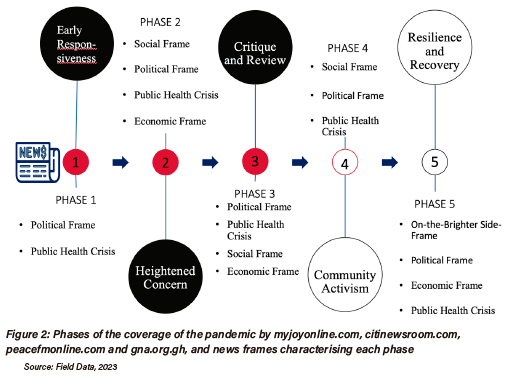
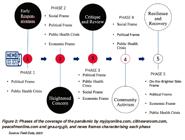
Downs (2016) explains the media's "issue-attention cycle" strategy, covering social, political and economic subjects in phases. Recent journalism practices have become event based, prioritising event coverage over sustained issues reporting. In the context of the coronavirus pandemic in Ghana, this study examined various phases adopted by myjoyonline.com, citinewsroom.com, peacefmonline.com and gna.org.gh in their coverage, aligning with the concept of issue-attention cycles. The study identified five distinct stages: early responsiveness, heightened concern, criticism and review, community activism, and resilience and recovery, corroborating prior literature on the phased nature of media coverage during health crises.
Phase one: Early responsive
In adopting the Political and Public Health Crisis frames, the initial phase of the pandemic coverage by the media organisations under study was distinguished as "early responsiveness" During this phase, the media played a crucial role in creating awareness about the virus by using the public health frame and disseminating information about its symptoms, transmission and global prevalence. They also reported on the origins of the virus in China and its global spread. Concurrently, the media covered the government's initial actions to curb the spread of the virus in Ghana. This phase resembled Downs' (2016) "problem identification phase", where the media drew public attention without comprehensive information. In addition, the political frame came into play during this stage, with media stories focusing on the government's responses and interventions, particularly about stranded Ghanaians abroad, which sparked political debates regarding their evacuation:
A few weeks ago, the government was described as "bankrupt" and "expired" the repetitive call of the Minority in Parliament and the National Democratic Congress (NDC) on the government to fly back home Ghanaians who are stranded in other countries as a result of the Covid-19 pandemic (Peacefmonline.com, 29 May 2020)
At this phase, there were stories about governments' efforts to prevent the virus from entering Ghana: "The coming week will be crucial in Ghana's war against coronavirus." In this story, myjoyonline.com described how the government had set up a committee whose mandate was to ensure the virus did not enter the country.
President Akufo-Addo set up the National Technical Coordinating Committee to ensure the virus was not imported into Ghana or, at best, that it was detected early and contained if it entered the country. (Fred Kuukua Smith, myjoyonline.com, 22 March 2020)
During this phase, the media covered initial government interventions in response to the pandemic. A citinewsroom.com report on 17 March 2020, highlighting government directives aimed at controlling the virus's spread and featuring the President's quotes prominently in the story, serves as an example of how the President's periodic national addresses had established themselves as a significant and trustworthy source of news and information for the media:
As of April 15, 2021, the country's active COVID-19 cases are 1,334, with 89,604 recoveries. (Kenneth Awotwe Darko, MyJoyOnline.com, 1 April 2021)
Phase two: Heightened concern
Agenda setting theory suggests that media influences public perception and priorities by consistently emphasising specific issues or stories rather than reflecting audience preferences. Editors and gatekeepers focus on these issues, which shapes what dominates the public sphere (McCombs, 2004). Through framing, the media can influence how the audience perceives the severity of the pandemic by selecting and presenting certain events (Jibrin, 2019). The media's framing is crucial in shaping the public's perception of the pandemic's severity. As the pandemic progressed, media outlets such as myjoyonline.com, citinewsroom.com, peacefmonline.com and gna.org.gh shifted their focus to highlight local impacts. This approach allowed them to report on how the virus profoundly affected the socioeconomic lives of Ghanaians, as evidenced by a news story on myjoyonline.com that highlighted the pandemic's detrimental impact on the income and employment of millions of Ghanaians, based on a survey by the Ghana Statistical Service. This finding was evidenced by Hirneison (2020) and Jibrin (2019), who highlight how the media localised the implications of the pandemic to show the need for attention and concern:
The Ghana Statistical Service (GSS) has revealed that about 22 million Ghanaians out of the projected 31 million population have experienced a drop in income since March 16, when various restrictions due to coronavirus were introduced. (myjoyonline.com, 3 August 2020)
News stories at this phase also focused on congestion in the mortuaries because of the numerous deaths and how relatives of the deceased refused to bury them because of the ban on mass gatherings. In some instances, mass burials had been undertaken by the city and health authorities to decongest the mortuary and create space for more dead bodies:
The Sunyani city authorities have buried 33 unclaimed bodies to decongest the Sunyani Regional Hospital morgue, which was congested due to the government's directive on public gatherings to stem the spread of the Coronavirus disease (COVID-19). (Peacefmonline.com, 28 April 2020)
The media used political frames to highlight governmental interventions and health authorities' actions taken to address the pandemic, including lockdown measures, increased testing, isolation facilities, personal protective equipment (PPE) provision and incentive packages. Strict enforcement of safety protocols was also reported:
An Accra Circuit Court on Thursday sentenced 10 persons, including a journalist, to a fine of ¢12,000 each for not complying with the Covid-19 restriction orders. In default, they would each serve a four-year jail term. (Jonas Nyabor, myjoyonline.com, 5 June 2020)
Using the Public Health Crisis Frame, this phase was also characterised by disseminating information about preventive measures, new guidelines and updates on the latest scientific developments related to the pandemic, as seen in the excerpts below:
Dr Bernard Toboh, a Consulting Urologist at the Korle-Bu Teaching Hospital, says the claim that some men who recovered from Coronavirus infection are experiencing erectile dysfunction is real. (Peacefmonline.com, January 2021)
HEADLINE: Covid-19 virus does not spread fast in buses - Ghana Health Service boss
During this phase, there was a noticeable increase in news stories addressing the issue of fake news and misinformation regarding the pandemic, along with efforts to counter such false information by providing accurate and educational content to the public. This educational approach included intensifying efforts to encourage people to get tested and eventually receive vaccines, emphasising the critical role of effective communication in the fight against pandemics. This is emphasised by Siddiqua et al's (2020) argument that communication, alongside vaccines, is a crucial weapon in combating pandemics, and it is achieved through the media's framing of pandemic-related issues.
Phase three: Critique and review
This phase was characterised by critiques and reviews from the media and other bodies. The media scrutinised the government's response to the pandemic, evaluating its effectiveness, personal protective equipment and restrictions. Reports praised the government's management, while critics criticised decisions such as school re-opening and lifting restrictions despite rising cases. Furthermore, the media highlighted the pandemic's socio-economic and political impacts, highlighting weak health, economy and education systems, including congested classrooms, inadequate hospital beds and PPE shortages.
The phase provided a balanced evaluation of the government's response, highlighting its benefits and drawbacks, including the negative impact on businesses, especially tourism and hospitality, and the challenges faced by the educational sector:
Mr Quaye has revealed that due to the abrupt closure of educational institutions, the salary payments of members have not been paid. "Our main source of income is school fees and once children have gone home, parents are not working as of now so nobody will come to pay school fees," he said. (Seraphine Akua Dogbey, myjoyonline.com, 28 April 2020)
The study also found that the critique and review phase was characterised by political elements, with the media focusing on political connotations. Thus, a prominent part of the critique and review phases was engraved in media coverage of political opposition to significant decisions from the government. In the extract below, for instance, one of the key opposition political parties was captured criticising some of the government's decisions during the pandemic.
If there is nothing wrong with praise, there should be nothing wrong with criticizing.., others can feel free to praise, others should also feel free to criticize. If you want to say criticizing amounts to politicking, then what would you say of praising? (Delali Adogla -Bessa, Citinewsroom.com, 9, May, 2020)
Another story titled "GH¢12m Spent on Hot Meals" and published on one of the media platforms further exacted the nature of the critique and review phase of media's coverage of the pandemic. The story presented a critique of the government for spending a considerable amount of money on hot meals to be provided to citizens during the lockdown period in the country. The story focused on a lack of transparency by the government in their expenditures during the pandemic. Stories of such a nature speak to the finding that phase three of the media's coverage of the pandemic was focused on critiquing and reviewing critical issues during the pandemic.
Phase four: Community activism
The media highlighted grassroots responses to the pandemic, encouraging self-defence, preventive measures and philanthropic assistance. Religious institutions and groups supported safety precautions, which highlighted effective communication and preventing COVID-19 spread:
The training was to build the capacity of participants to understand community engagement as a health promotion and disease prevention strategy and expose them to challenges in community engagement. (gna.org.gh, 7 August 2020)
In addition to education, the media highlighted efforts to provide individuals and communities with essential safety tools and equipment, such as hand sanitisers and face masks, particularly for those who could not afford them. An example cited was the Rotary Club of Accra-East's distribution of protective items to residents of Tabora Santana, including face masks, hand sanitisers, vitamin C and educational flyers on COVID-19. This support not only enabled communities to adhere to safety protocols but also fostered a sense of collective responsibility, leading Ghanaians to become critical of individuals who intentionally violated COVID-19 rules, as seen in the case of Deputy Minister for Trade and Industry Carlos Ahenkorah, whose breach of protocols led to public outrage and calls for his resignation:
A Deputy Minister for Trade and Industry, Carlos Ahenkorah, has resigned from his position. This comes after he admitted breaching COVID-19 protocols by visiting a registration centre despite being aware that he had tested positive for the virus. (Jonas Nyabor citinewsroom. com, 3 July, 2020)
Phase five: Resilience and recovery
In the resilience and recovery phase of the media's coverage of the pandemic in Ghana, which can be likened to Pan and Meng's (2016) post-crisis stage, the focus shifted to how communities and individuals were coping with ongoing challenges and recovering from the pandemic's effects. The media used the On-the-Brighter-Side Frame to highlight efforts towards recovery, including addressing the financial burden of the pandemic, returning to normalcy and initiatives aimed at building a more resilient future. Media reports also showcased innovative approaches adopted by individuals and businesses to adapt to the pandemic, such as virtual schooling and online church services. These stories emphasised the importance of resilience and adaptation in navigating the pandemic's impact. The quote below buttresses this:
We have practically lost a semester because the academic calendar usually starts from August to the end of July, but now the school will be reopening in January. So, that requires some sort of alteration to the calendar and due to Covid-19, it might not be prudent to have all the students on campus within that same period" (Daisy Palinwinde Jacobs, Citinewsroom.com, 2 January, 2021)
At this stage, the media also focused on the financial support offered to businesses to help them to revive their businesses and continue their contributions to the total economic revival of the country. "US$100m Fund to Fight COVID-19 Ready, GHS1bn For SMEs-Ofori-Atta" was the title of a story published by peacefmonlie.com in which the finance minister, Ken Ofori-Atta, confirmed the receipt of a US$100 million fund that would be disbursed to businesses to help them build back. Below is an excerpt from the story that explain the government's motive behind the support:
The President is determined to cushion the economic and social difficulties this coronavirus is visiting Ghanaian businesses and people. (peacefmonline.com, 30 March 2021)
The media reported on the potential impact of tax impositions and policies on businesses and individuals. For instance, see the extract below:
The deputy minister-designate for Finance, Abena Osei-Asare, emphasized the importance of new tax policies in generating additional revenue to compensate for pandemic-related losses.
According to a deputy minister-designate for Finance, Abena Osei-Asare, government seeks to introduce several tax policies between 2021 and 2023 aimed at raising the needed resources to offset the deficit created by the novel coronavirus. (Abednego Asante, myjoyonline.com, 2 June 2021)
This phase also saw media reporting on the government's effort to put in measures to make Ghana pandemic proof. There have been reports on suggested policies and measures to be taken by the government to revive the economy. Stories have also been published on how the two leading political parties hope to bring the country back to the path of progress after the pandemic. On 30 October 2020, the Ghana News Agency published two publications, both on how the ruling NPP and the opposition NDC planned to revive the country when voted for in the 2020 general election. Excerpts of both stories have been cited below:
The New Patriotic Party Post-Covid plan tagged: "The Ghana Covid Alleviation and Revitalization of Enterprises" (Ghana CARES) Programme is Ghana Beyond Aid in Action. The NPP in its Election 2020 Manifesto, explained that the implementation of the Ghana CARES programme would restore growth to Pre-COVID-19 levels. (gna.org.gh, 30 October 2020)
The media used the Public Health Crisis Frame to raise awareness about coronavirus vaccines, addressing concerns about efficacy, safety and accessibility, and promoting trust in vaccination. This phase is very similar to the third of four phases identified by Zafri et al. (2021), where Bangladeshi newspapers focused on mitigation strategies adopted by the government to curb the pandemic's spread.
CONCLUSION
This study examined the coverage of the coronavirus pandemic by Ghanaian media portals such as myjoyonline.com, citinewsroom.com, peacefmonline.com and gna.org.gh from 12 March 2020 to 24 March 2021. The study revealed the media's primary sources and coverage phases, noting a critical emphasis on the use of diverse news sources to cover the pandemic in the country. This essentially implies that the Ghanaian online media observed an expansive approach to covering the pandemic through the use of a wide array of different news sources. The study findings highlight the role of government officials, medical professionals, health organisations, affected communities, corporate executives and international media in shaping the media narrative. The study found a five-phased approach, from early responsiveness to resilience and recovery, each marked by different frames. The findings have critical implications for understanding how the media engaged pre-crisis, crisis and post-crisis framing approaches to cover the pandemic. This provides crucial insights into understanding that the media engaged distinct framing techniques for covering each of Ghana's different phases of the pandemic. This dynamic approach allowed the media to adapt to the pandemic's evolving nature and cater to diverse audience needs. It is recommended that online media organisations follow the use of a multi-framing approach to ensure objectivity and accuracy of reportage when reporting on health crises such as epidemics and pandemics. Furthermore, the study emphasises, as has been noted by other studies such as Pan and Meng (2016), that engaging a phases-to-phase approach to framing global health issues and crisis impacts audience comprehension and further sets the agenda for policy discussions.
REFERENCES
- Aboagye, J. (2020). Countering misinformation in Ghana's digital media space: The role of journalism. African Journal of Media Studies, 12(3):45-63.
- Aduhene, D.T. & Osei-Assibey, E. (2021). Socio-economic impact of COVID-19 on Ghana's economy: Challenges and prospects. International Journal of Social Economics, 48(4):543-556.
-
Alexa Rank Checker. (2023). Alexa Rank Checker - Check Alexa Website Ranking OR Traffic Rank. https://smallseotools.com/alexa-rank-checker/
» https://smallseotools.com/alexa-rank-checker/ - Amara, P.S., Platt, J.E., Raj, M. & Nong, P., 2022. Learning about COVID-19: Sources of information, public trust, and contact tracing during the pandemic. BMC public health, 22(1):1348.
- Amu, H., Dickson, K.S., Kumi-Kyereme, A. & Darteh, E.K.M. (2018). Understanding variations in health insurance coverage in Ghana, Kenya, Nigeria, and Tanzania: Evidence from demographic and health surveys. PloS one, 13(8):e0201833.
- Ankomah, P., & Agyei, D. (2020). Patterns of media coverage of health issues in Ghana: A content analysis approach. Ghanaian Journal of Communication, 14(1):32-50.
- Antwi-Boasiako, J., Abbey, C.O A., Ogbey, P., & Ofori, R A. (2021). Policy responses to fight COVID-19; the case of Ghana. Revista de Administração Pública, 55(1):122-139.
- Appiah, F., Fenteng, J.O.D., Darteh, A.O., Dare, F., Saah, J.A., Takyi, M., ... & Ameyaw, E. K. (2022). Association between mass media exposure and endorsement of HIV-infected female teachers' teaching: Insight from 2014 Ghana Demographic and Health Survey. BMC Women's Health, 22(1):121.
- Apuke, O.D. and Omar, B. (2021). Television news coverage of COVID-19 pandemic in Nigeria: Missed opportunities to promote health due to ownership and politics. Sage Open, 11(3):21582440211032675.
- Asamoah, C.K., Asamoah, B.O. & Agardh, A. (2017). A generation at risk: A cross-sectional study on HIV/AIDS knowledge, exposure to mass media, and stigmatizing behaviors among young women aged 15-24 years in Ghana. Global Health Action, 10(1):1331538.
- Asante, B. & Tenkorang, E. (2021). Bridging the knowledge gap: The need for specialized training in health journalism in Ghana. Journalism and Society, 9(1):77-92.
- Bengtsson, M. (2016). How to plan and perform a qualitative study using content analysis. NursingPlus open, 2:8-14.
- Chapman, J. (2007). India's Narmada dams controversy: Interdisciplinary examples of global media advocacy. Journal of International Communication, 13(1):71-85.
- Dahal, S. & Khatri, B.B. (2021). Media framing of COVID-19: A content analysis of Nepali newspapers. Nepalese Journal of Development and Rural Studies, 18(01):35-47.
- Diedong, A.L. (2013). Covering health issues: The role of newspapers in Ghana. International Journal of Humanities and Social Science, 3(12):46-51.
- Donkor, A.G. & Namaitijiang, M. (2019). The cholera outbreak in Ghana. EstüdamHalkSağlığıDergisi, 4(3):371-376.
- Downs, A. (2016). Up and down with ecology: The "issue-attention cycle'. In Agenda Setting. Routledge, 27-33.
- Entman, R. M. (1993). Framing: Toward clarification of a fractured paradigm. Journal of Communication, 43(4):51-58.
-
Ghana Health Service. (2023). COVID-19 Updates. Accra, Ghana. https://ghanahealthservice.org/covid19/archive.php.
» https://ghanahealthservice.org/covid19/archive.php - Halabi, S., Smith, W., Collins, J., Baker, D. & Bedford, J. (2013). A documentary analysis of HIV/AIDS education interventions in Ghana. Health Education Journal, 72(4):486-500.
- Hirneisen, M. (2020). The New York Times and media framing during the coronavirus pandemic. Media Framing and Covid-19, 1(1):1-33.
- Holland, K., Sweet, M., Blood, R.W. & Fogarty, A. (2014). A legacy of the swine flu global pandemic: Journalists, expert sources, and conflicts of interest. Journalism, 15(1):53-71.
- Husemann, S. & Fischer, F. (2015). Content analysis of press coverage during the H1N1 influenza pandemic in Germany 2009-2010. BMC Public Health, 15:1-9.
- Hwang, J., Borah, P., Shah, D. & Brauer, M. (2021). The relationship among COVID-19 information seeking, news media use, and emotional distress at the onset of the pandemic. International Journal of Environmental Research and Public Health, 18(24):13198.
-
Issahaku, H., & Abu, B.M. (2020). COVID-19 in Ghana: Consequences for poverty, and fiscal implications. AERC, 29 November. https://publication.aercafricalibrary.org/handle/123456789/1265
» https://publication.aercafricalibrary.org/handle/123456789/1265 - Jibrin, R. (2019). Media framing of the Ruga settlement initiative of the federal government of Nigeria and its implication on government interest. Media and Communication Currents, 3(2):33-47.
-
Kato, M. & Ishikawa, H. (2016). Media coverage of a global pandemic in Japan: Content analysis of A/H1N1 influenza newspaper articles. Journal of Mass Communication & Journalism, 6(01). https://doi.org/10.4172/2165-7912.1000293
» https://doi.org/10.4172/2165-7912.1000293 - Karpati, J., Elezaj, E., Cebotari, V. & de Neubourg, C. (2021). Primary and secondary impacts of the COVID-19 pandemic on children in Ghana. PLOSONE.
- Kiger, M.E. & Varpio, L. (2020). Thematic analysis of qualitative data: AMEE Guide No. 131. Medical Teacher, 42(8):846-854.
- Klarin, A. (2024). How to conduct a bibliometric content analysis: Guidelines and contributions of content co-occurrence or co-word literature reviews. International Journal of Consumer Studies, 48(2):e13031.
- Kostopoulos, C. (2020). Framing and power influences of the media: A multi-level political economy approach. In Journalism and austerity. Emerald Publishing Limited, 33-79.
- Landi, D. (2023). Thinking qualitatively: Paradigms and design in qualitative research. In Qualitative research and evaluation in physical education and sport pedagogy. Jones & Bartlett Learning, 31-47.
- Leask, J., Hooker, C. & King, C. (2010). Media coverage of health issues and how to work more effectively with journalists: A qualitative study. BMC Public Health, 10:1-7.
- Liu, L., Xie, J., Li, K. & Ji, S. (2020). Exploring how media influence preventive behavior and excessive preventive intention during the COVID-19 pandemic in China. International Journal of Environmental Research and Public Health, 17(21):7990.
- Long, B., Brady, W.J., Koyfman, A. & Gottlieb, M. (2020). Cardiovascular complications in COVID-19. The American Journal of Emergency Medicine, 38(7):1504-1507
- Mach, K.J., Salas Reyes, R., Pentz, B., Taylor, J., Costa, C.A., Cruz, S.G., Thomas, K.E., Arnott, J.C., Donald, R., Jagannathan, K. & Kirchhoff, C.J. (2021). News media coverage of COVID-19 public health and policy information. Humanities and Social Sciences Communications, 8(1).
- Macnamara, J. (2018). Content Analysis. Mediated Communication, 7:191.
- Matthews, J., Zhao, X., Jackson, D., Thorsen, E., Mellado, C., Abuali, Y. & Glück, A. (2023). Sourcing UK COVID-19 news: An analysis of sourcing patterns of 15 UK news outlets reporting on COVID-19 across Facebook, Twitter, and Instagram. Health Communication, 1(1):1-10.
- Matthews, J., Zhao, X., Jackson, D., Thorsen, E., Mellado, C., Abuali, Y. & Glück, A. (2023). Sourcing UK COVID-19 news: An analysis of sourcing patterns of 15 UK news outlets reporting on COVID-19 across Facebook, Twitter, and Instagram. Health Communication: 1-10.
- McCombs, B.L. (2004). The learner-centered psychological principles: A framework for balancing academic achievement and social-emotional learning outcomes. In Building academic success on social and emotional learning: What does the research say. Teachers College Press, 23.
- Mellado, C., Hallin, D., Cárcamo, L., Alfaro, R., Jackson, D., Humanes, L., & Ramos, A. (2021). Sourcing pandemic news: A crossnational computational analysis of mainstream media coverage of COVID-19 on Facebook, Twitter and Instagram. Digital Journalism, 1-46,
- Mensah, S. & Boateng, J. (2022). Investigative journalism and public health accountability: Lessons from malaria drug procurement in Ghana. African Media Review, 19(2):58-75.
- Milutinović, I. (2021). Media framing of COVID-19 pandemic in the transitional regime of Serbia: Exploring discourses and strategies. Media, Culture & Society, 43(7):1311-1327.
- Misganaw, A.M. (2020). Communicating health: media framing of COVID-19 pandemic in Sub-Saharan African countries. International Journal of Media and Information Literacy, 5(2):110-122.
- Morani, M., Cushion, S., Kyriakidou, M. & Soo, N. (2022). Expert voices in the news reporting of the coronavirus pandemic: A study of UK television news bulletins and their audiences. Journalism, 23(12):2513-2532.
- Nelson, J.L. & Lewis, S.C. (2022). The structures that shape news consumption: Evidence from the early period of the COVID-19 pandemic. Journalism, 23(12):2495-2512.
- Niederdeppe, J., Fowler, E.F., Goldstein, K. & Pribble, J. (2010). Does local television news coverage cultivate fatalistic beliefs about cancer prevention? Journal of Communication, 60(2):230-253.
- Nyadera, I.N., Jaieth, M.I., & Otieno, M. (2021). African Development Bank and coronavirus disease: Imagining a new role. Journal of African Transformation Revue des mutations en Afrique, 205.
- Nyarko, M. (2019). Access to health information in Ghana: Challenges and opportunities for journalists. Journal of Media Ethics, 6(2):101-119.
- Ofori, S.K., Schwind, J.S., Sullivan, K.L., Cowling, B.J., Chowell, G. & Fung, I.C.H. (2022). Transmission dynamics of COVID-19 in Ghana and the impact of public health interventions. The American Journal of Tropical Medicine and Hygiene, 107(1):175.
- Oppong, C. & Adu-Gyamfi, B. (2021). Malaria media coverage and public perception in Ghana: Analyzing trends and impacts. Public Health Communication Journal, 5(3):88-104.
- Owusu, I., Adu, C., Aboagye, R.G., Mpangah, R.A., Acheampong, G.K., Akyereko, E., Bonsu, E.O. & Peprah, P. (2023). Preparing for future outbreaks in Ghana: An overview of current COVID-19, monkeypox, and Marburg disease outbreaks. Health Promotion Perspectives, 13(3):202-211.
- Pan, P.L. & Meng, J. (2016). Media frames across stages of health crisis: A crisis management approach to news coverage of flu pandemic. Journal of Contingencies and Crisis Management, 24(2):95-106.
- Sano, Y., Sedziafa, A. P., Amoyaw, J. A., Boateng, G. O., Kuuire, V. Z., Boamah, S. & Kwon, E. (2016). Exploring the linkage between exposure to mass media and HIV testing among married women and men in Ghana. AIDS Care, 28(6):684-688.
- Scheufele, D.A. (1999). Framing as a theory of media effects. Journal of Communication, 49(1):103-122.
- Seidu, I. (2018). And Ghana was scared: Media representations of the risk of an ebola outbreak in Ghana. Online Journal of Public Health Informatics, 10(2).
-
Sesenu, A.Y. (2016). The pattern and frames of HIV/AIDS press coverage in Ghana: A content analysis of the Daily Graphic and the Daily Guide Newspapers from 2000 to 2015. M Phil thesis. Legon: University of Ghana. https://doi.org/10.1145/18683661868368.
» https://doi.org/10.1145/18683661868368 - Sibiri, H., Prah, D. & Zankawah, S.M. (2021). Containing the impact of COVID-19: Review of Ghana's response approach. Health Policy and Technology, 10(1):13.
- Siddiqua, A., Shabir, G., Ashraf, A. & Khaliq, A. (2020). Media framing of pandemics: A case study of the coverage of Covid-19 in elite newspapers of Pakistan. Journal of Business and Social Review in Emerging Economies, 6(4):1267-1275.
- Sikanku, G. E. (2013). Barack Obama's identity construction and international media representations during the 2008 presidential election: A discursive and comparative framing analysis. The University of Iowa.
- Sikanku, G. E. (2019). Global political campaign communication: Framing analysis of Elizabeth Warren and John Mahama's presidential primary announcement videos. Ghana Social Science, 16(2), 84-114.
- Smith, M.S. & Tietaah, G.K. (2017). Online media surveillance: Coverage of meningitis outbreaks in Ghana. Athens Journal of Health, 4(4):303-319.
- Thomas, T., Wilson, A., Tonkin, E., Miller, E.R. & Ward, P.R. (2020). How the media places responsibility for the COVID-19 pandemic - An Australian media analysis. Frontiers in Public Health, 8:483.
- Thompson, E.E. & Ofori-Parku, S.S. (2021). Advocacy and mobilizing for health policy elchange: Ghanaian news media's framing of a prescription opioid crisis. Health Communication, 36(14):1909-1920.
- Tkáčová, H., Maturkanić, P., Pavlíková, M. & Nováková, K.S. (2023). Online media audience during the Covid-19 pandemic as an active amplifier of disinformation: Motivations of University students to share information on Facebook. Communication Today 14(2): 154-167.
- Umeta, B., Mulugeta, T., Mamo, G., Alemu, S., Berhanu, N., Milkessa, G., Mengistu, B. & Melaku, T. (2022). An analysis of COVID-19 information sources. Journal of Pharmaceutical Policy and Practice, 15(1):49.
-
World Health Organization (WHO). (2020), September 23). Managing the COVID-19 infodemic: Promoting healthy behaviours and mitigating the harm from misinformation and disinformation, 23 September. https://www.who.int/news/item/23-09-2020-managing-the-covid-19-infodemic-promoting-healthy-behaviours-and-mitigating-the-harm-from-misinformation-and-disinformation
» https://www.who.int/news/item/23-09-2020-managing-the-covid-19-infodemic-promoting-healthy-behaviours-and-mitigating-the-harm-from-misinformation-and-disinformation - Zafri, N.M., Afroj, S., Nafi, I.M. & Hasan, M.M.U. (2021). A content analysis of newspaper coverage of COVID-19 pandemic for developing a pandemic management framework. Heliyon, 7(3):1-11.
Accepted April 2025