Modelling Organizational Performance in Kenya's Construction Sector: A Canonical Correlation Approach
Abstract
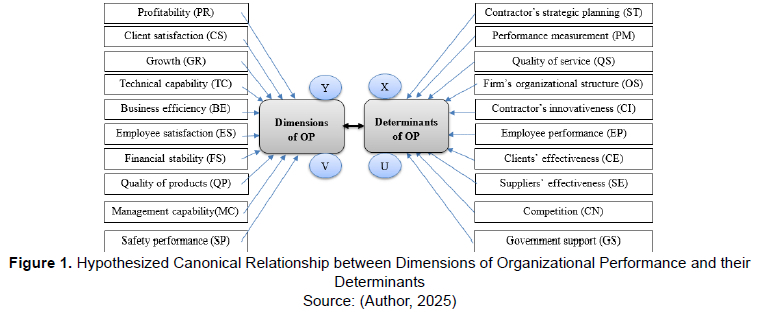
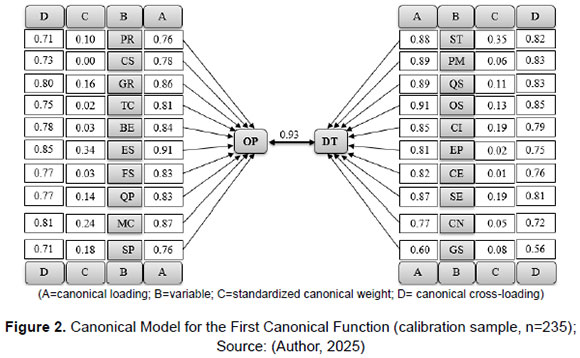
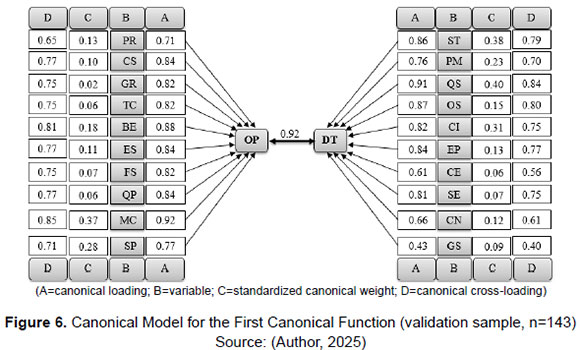
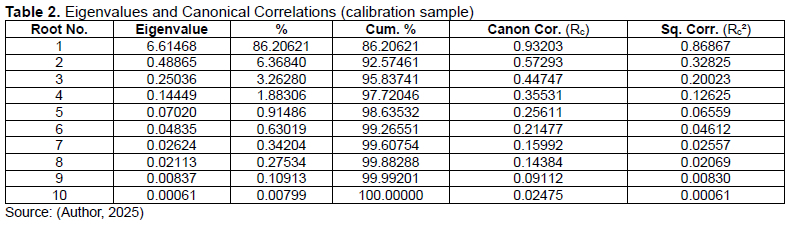
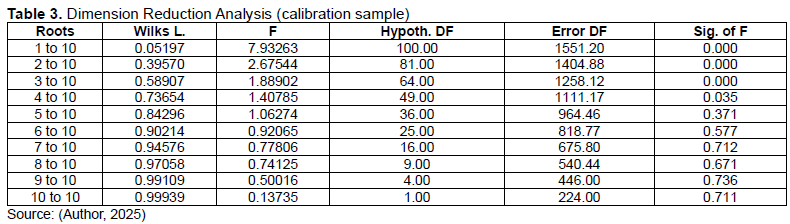
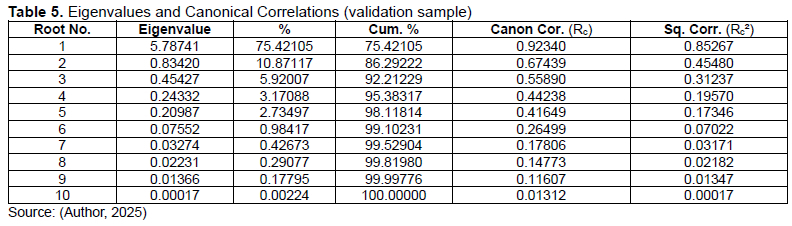
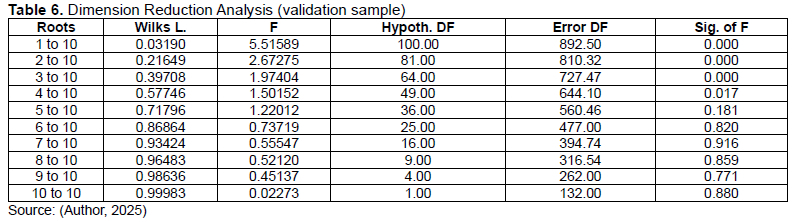
Local contractors in Kenya face persistent challenges, including operational inefficiencies and weak management structures, which undermine their ability to compete with international firms. While previous research has focused narrowly on project-level success-emphasizing cost, time, and quality-this study addresses a critical conceptual gap by shifting the analysis to the organizational level. Further, existing literature often treats firm performance as a unidimensional construct and fails to model the complex multivariate relationships between organizational determinants and performance outcomes. The research sought to establish the relationship between ten dimensions of organizational performance and ten key determinants. A canonical correlation analysis (CCA) of the criterion (dimensions) and the predictor (determinants) variables is presented herein using perceptual data from 378 dual-perspective respondents (235 contractors, 143 consultants) drawn from a 612-sample of NCA-registered Kenyan firms (response rate=62%). The results of CCA showed a significant relationship between the dimensions and determinants of organizational performance. The model was statistically significant, with a Wilks's lambda, λ, of .05197, F (100, 1551.20) = 7.93263, p<0.001. Significance across all multivariate tests indicated a good overall model fit. The findings reveal that the most influential drivers of performance are the firm's organizational structure, quality of service, and strategic planning practices. These determinants most strongly impact non-financial outcomes such as employee satisfaction, managerial capability, and overall firm growth. The results were validated using a second dataset, confirming the robustness of the model. For contractors, these findings offer a diagnostic roadmap: to improve profitability and growth, firms must prioritize management flexibility and formalize strategic planning rather than focusing solely on project-specific tasks. For policymakers and regulators, the study underscores the need for institutional support that incentivizes organizational capacity building. By shifting the focus from individual project metrics to holistic firm health, stakeholders can enhance the long-term sustainability and competitiveness of the local construction sector in alignment with national development goals.
Canonical correlation analysis; Determinants; Dimensions; Local contractors; Organizational performance
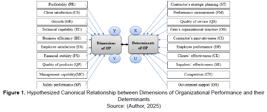 Thumbnail
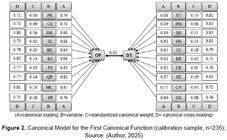 Thumbnail
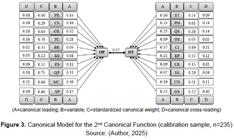 Thumbnail
 Thumbnail
 Thumbnail