Engineers' perceptions to new managerialism: implications on work processes: a case of Zimbabwe, Harare
Abstract
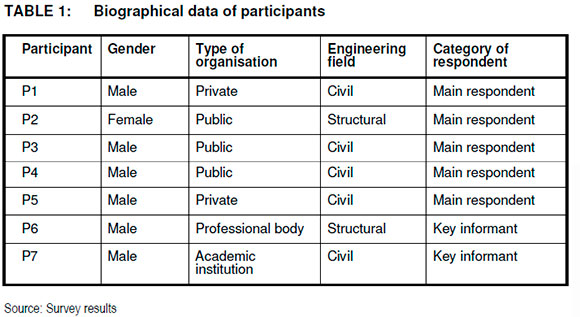
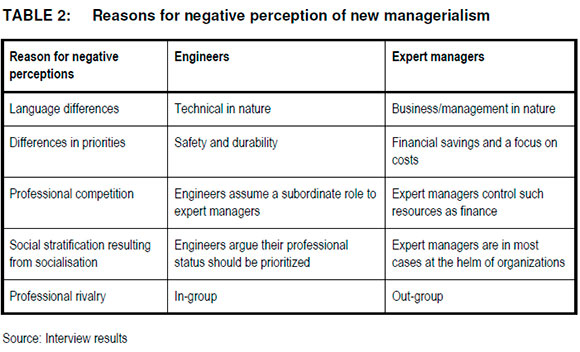
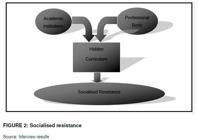
The study has been necessitated by a dearth in empirical research on professions and professional work in the Global South, particularly the engineering profession. The study aimed at investigating the perceptions of engineers to new managerialism and the impact of these perceptions on work processes. The classical work of Abbott of 1988 on professions guided this study. The study adopted a qualitative interpretivist approach. In-depth interviews were conducted with seven civil and structural engineers; two of which were key informants from an academic institution and a professional body respectively. The engineers were drawn from the private and public sectors. Findings reveal that although new managerialism is a reality in the engineering profession, it is negatively perceived by engineers who engage in different forms of passive resistance. This adversely impacts on the work processes of engineers. Academic institutions and the engineering professional body have been found to be active in socialised resistance as well as in-grouping by engineers The study recommends the value of considering a mutually reinforcing relationship between expert managers and engineers with each group realising and respecting the expertise of the other.
engineering profession; expert managers; new managerialism; perceptions; work processes
 Thumbnail
 Thumbnail