Supply chain to green gain: Enhancing environmental performance through relational practice
Abstract
PURPOSE: Achieving environmental sustainability goals continues to present significant challenges for fast-moving consumer goods (FMCG) businesses in South Africa, where competitive advantage depends on supply chain effectiveness. Optimising supply chains through enhanced relational practices is critical for improving environmental performance. Accordingly, this research examines the relationship between supply chain relational practices and the environmental performance of FMCG businesses. METHODOLOGY: A total of 526 supply chain managers were purposively recruited for the quantitative data collection. The collected data were analysed through regression analysis to test the proposed relationships. The measurement instruments of previously validated studies were adapted, and psychometric testing affirmed the reliability and validity of the scales. FINDINGS: The standard multiple regression model accounted for 42.2% of the variance in environmental performance, a substantial proportion in business research. Risk management, information sharing, and trust-building significantly influenced environmental performance. However, risk management and information sharing exhibited practical limitations, indicating the need for improved strategies, investments in alternative sourcing, dedicated risk management departments, and policies that balance proprietary protection with strategic knowledge exchange. Trust-building emerged as a primary driver of environmental performance, highlighting the importance of mutual concern and transparency in decision-making. RECOMMENDATIONS/VALUE: This research provides evidence-based insights into the role of supply chain relational practices in sustainability and advances understanding of their influence on environmental performance in an emerging market context. Notably, the findings underscore the importance of effective risk management implementation, addressing information-sharing deficiencies, and fostering trust as key mechanisms through which relational practices can enhance environmental sustainability. MANAGERIAL IMPLICATIONS: The research highlights the need for relationship-centred supply chain strategies that integrate sustainability objectives into core operational processes. Targeted interventions to strengthen relational practices can enable FMCG businesses to address persistent environmental challenges and enhance overall environmental performance. JEL CLASSIFICATION: M11; Q56.
Environmental performance; fast-moving consumer goods (FMCG); relational practices; supply chain; sustainability
1. INTRODUCTION
Effective supply chain optimisation is crucial for achieving environmental sustainability. However, improving the environmental performance of a business remains a challenge due to reliance on various partners within their supply chain to be able to deliver its products to customers (Towers et al., 2020; Bocken & Short, 2021; Van der Walt et al., 2021). This challenge is particularly prevalent in the FMCG industry, where the need for an integrated and efficient supply chain often comes at the expense of the natural environment (Bocken & Short, 2021; Chopra et al., 2022; Dwyer, 2023).
FMCG products are essential everyday items for a growing population, with ever-increasing demand and turnover, making the industry one of the most lucrative in South Africa (Hajishirzi et al., 2022). Due to the rapid manufacturing and marketing of these products, components that are easily available and inexpensive are preferred over environmentally friendly alternatives. This preference degrades the environment through resource exploitation, pollution, excessive waste, and climate change (Chakabva et al., 2020; Fang & Chang, 2023; Jie et al., 2023).
External pressures on the FMCG industry have increased in recent years, including but not limited to rising consumer expectations, evolving legislation, and rapid tech innovation (Van Niekerk & Bean, 2019). These changes present the ultimatum to FMCG businesses to adapt their manufacturing processes or cease operations.
In contrast, supply chain optimisation requires an internal focus on the efficient use of relational practices within the supply chain (Mafini & Muposhi, 2017; Heizer et al., 2020). These practices include managing risks, communicating with supply chain partners, collaborating with partners, sharing necessary information, and fostering trust between supply chain partners (Chen & Kitsis, 2017). Inghels (2020) and Olander et al. (2021) claim that enhancing these relational practices can result in more effective interactions with supply chain partners, which may in the long run lead to improved environmental performance.
To support environmental sustainability goals while maintaining a competitive advantage, FMCG businesses are required to optimise their supply chains, particularly through enhanced relational practices (Tungande et al., 2020; Modungwa et al., 2021). While these practices are widely recognised as critical for supply chain performance, their influence on environmental sustainability outcomes has received limited empirical attention (Chen & Kitsis, 2017; Gao et al., 2017). In particular, no empirical studies have examined how these practices (risk management, information sharing, and trust-building) affect environmental performance in South African FMCG businesses. This research thus aims to address this gap by investigating the relationship between supply chain relational practices and environmental performance in this context, providing evidence-based insights.
The following section provides an overview of the fast-moving consumer goods (FMCG) industry in South Africa. Therefore, the constructs of the research, namely relational practices and environmental performance, are discussed.
2.1 The fast-moving consumer goods industry
The demand for essential everyday items continues to rise with the global population growth, driving FMCG sales (Kenton, 2021). These encompass food and beverages, household and personal care items, alcohol, tobacco, and healthcare products like pharmaceuticals (Liczmańska-Kopcewicz et al., 2019; Van Niekerk & Bean, 2019; Kenton, 2021). Due to the large volume of these products purchased for daily living and household needs, the industry is one of the largest in the world. (Kumar, 2020), including South Africa (Chakabva et al., 2020). In fact, about half of consumer expenditure is on FMCG products (Kenton, 2021). Consequently, FMCG sales play a crucial role in South Africa's economy, significantly contributing to its gross domestic product.
Although the FMCG industry significantly contributes to the economy, it faces intense competition, further intensified by automation of production, the proliferation of digital channels, evolving consumer preferences, and sustainability concerns (Liczmańska-Kopcewicz et al., 2019; Olutimehin et al., 2024). Abdirad and Krishnan (2020) accentuate the importance of an optimised supply chain in overcoming these challenges. Consequently, enhancing supply chain relational practices has become a primary objective for FMCG businesses, particularly in the pursuit of environmental sustainability. Strengthening these practices can help maintain supply chain resilience in the face of emerging threats and justify further investigation into supply chain relational practices.
2.2 Relational practices in supply chains
Environmental factors, including pollution and resource depletion resulting from business activities during product manufacturing, pose significant sustainability challenges within fast-moving consumer goods (FMCG) supply chains (Jacobs & Chase, 2018). Addressing these challenges requires FMCG companies to prioritise relational practices, defined as collaborative efforts that strengthen interactions with supply chain partners (Chen & Kitsis, 2017). Previous research (Chen & Kitsis, 2017; Gao et al., 2017) identifies risk management, communication, collaboration, information sharing, and trust-building as essential relational strategies that enhance supply chain performance, resilience, and sustainability in various contexts. These practices are particularly critical in FMCG supply chains, which are characterised by high transaction volumes, frequent exchanges, and strong interdependence among partners. Together, these strategies support more effective risk mitigation, information exchange, joint problem-solving, and relationship stability, all of which are essential for promoting environmental sustainability.
2.2.1 Risk management
Risk management encompasses the identification and resolution of disruptions such as resource shortages and stakeholder conflicts within the supply chain of a fast-moving consumer goods (FMCG) company (Chen & Kitsis, 2017). The adoption of supply chain risk management (SCRM) strategies can mitigate these disruptions and reduce uncertainty throughout the supply chain.
In addition to mitigating disruptions, supply chain risk management (SCRM) facilitates sustainability reporting by enabling organisations to identify and manage materiality risks across their supply chains (Nureen, 2024). These risks are integral to sustainability and integrated reporting frameworks, such as ESG, GRI, and King IV, which require organisations to disclose material sustainability risks and the measures taken to address them (Madzík et al., 2024). Through enhanced coordination and collaboration, SCRM improves transparency, compliance, and traceability within supply chain operations. This approach supports informed decision-making aimed at reducing environmental risks and promoting sustainable practices (Baryannis et al., 2019).
As a result, organisations worldwide have increased investment in risk management by formalising it as a distinct business function (Pecina et al., 2022). Evidence from South African FMCG firms further demonstrates that supply chain risk management practices are present and evolving within the local context (Dubihlela et al., 2021). The establishment of this dedicated function has contributed to the development of industry standards for risk management and the implementation of technological systems to support these initiatives (Schmidt, 2023).
Effective risk management is essential for the attainment of sustainability objectives, particularly in relation to environmental issues (Pecina et al., 2022). It enables the identification and mitigation of risks such as changing customer preferences, market volatility, pollution, excessive waste, and irresponsible sourcing (Robbins et al., 2020; Adams et al., 2021; Modungwa et al., 2021; Pride et al., 2021; Musa et al., 2023; Wang & Yang, 2021). Ultimately, the ability of an FMCG company to address both current and emerging risks is contingent upon its alignment with environmental sustainability targets (Kähkönen et al., 2023).
2.2.2 Communication
Communication encompasses a manager's ability to engage with stakeholders (Louw, 2022). Strengthening interactions between fast-moving consumer goods (FMCG) businesses and their supply chain partners reduces uncertainty and fosters trust within the supply chain (Nguyen et al., 2021). Effective communication is essential for mitigating the bullwhip effect, which frequently arises in FMCG supply chains due to shifting customer preferences, demand fluctuations from promotional activities such as Black Friday, and short product life cycles, particularly for items like fresh produce (Nazam et al., 2020; Yang et al., 2021; Agigi et al., 2016; FASA, 2018). Enhanced communication supports improved demand forecasting and increases the supply chain's adaptability to changes in demand, pricing, inventory levels, or lead times (Rahman et al., 2020).
Barriers that influence how often and how well communication occurs in FMCG businesses include language and cultural misunderstandings, time zone differences, and inadequate communication technology (Vishwakarma et al., 2019; Iftikhar & Lions, 2022; Zhang, 2023). To overcome these challenges, modern communication technologies such as enterprise resource planning (ERP) systems, materials requirement planning systems, data analytics, and blockchain technology (Langley et al., 2021; Monczka et al., 2021; Nurhayati et al., 2023; Stanton, 2023) are increasingly implemented in South African supply chains to improve communication effectiveness and efficiency (Zhang, 2023). However, adoption remains inconsistent across the industry. While market leaders utilise ERP and basic analytics for demand planning, more advanced solutions, including real-time data analytics and blockchain, are still emerging due to significant investment costs, skills shortages, and infrastructure limitations (BusinessTech, 2025).
2.2.3 Collaboration
Collaboration refers to the cooperation between FMCG businesses and their supply chain partners to enhance operational effectiveness and efficiency (Loury-Okoumba & Mafini, 2021). Joint initiatives, including coordinated waste reduction programs and participation in industry alliances such as the Consumer Goods Forum, enable partners to optimise product value through recycling, reuse, and recovery, while ensuring environmentally responsible disposal (Carroll et al., 2018). These collaborative efforts also facilitate reverse logistics, allowing products to return from customers to businesses to maximise residual value, and support the adoption of renewable energy and resource-efficient processes (Wu et al., 2021; Maritz, 2022). Furthermore, collaboration is essential for reducing and preventing risks within the FMCG supply chain (Baryannis et al., 2019). Nilsson and Göransson (2021) identify collaboration as a critical factor in achieving environmental sustainability. The strategic advantage of collaboration is evident when supply chain alliances and shared objectives are established (Mehdikhani & Valmohammadi, 2019). Effective collaboration can foster new product development and the creation of joint logistical resources, such as shared warehouses, intermediaries, and technology platforms (Annosi et al., 2021; Momeni & Bagheri, 2022; Ozturk & Tereyagoglu, 2022). In the FMCG sector, this may include the joint development of private-label products, co-investment in shared distribution centres, or integration of information systems for coordinated inventory management and accelerated product launches. Moreover, successful collaboration can facilitate the use of coordinated planning systems, like joint demand forecasting among supply chain partners to effectively fulfil customer needs (Gružauskas et al., 2022; Xames et al., 2022; Perdana et al., 2023).
2.2.4 Information sharing
The flow of data generated throughout the fast-moving consumer goods (FMCG) supply chain and among all relevant stakeholders supports informed decision-making (Hugo & Waugh, 2017). This relational practice enhances understanding of various supply chain components and provides critical information, including strategies to reduce or prevent sustainability-related risks (Chen & Kitsis, 2017). Given the perishable nature of some FMCG products, timely and relevant information sharing within the supply chain is essential for these companies (Kapoor et al., 2022; Aslam et al., 2023). Real-time data sharing facilitates immediate and accurate collection and analysis of pertinent information (Easterby-Smith et al., 2021), enabling FMCG businesses to optimise product shelf-life and minimise waste.
Information sharing as a relational practice also involves protecting customer and employee data (Protection of Personal Information Act 4 of 2013) as well as proprietary business information (Obi et al., 2020). Therefore, FMCG businesses should share only essential information with trusted suppliers when necessary (Newell et al., 2019). To safeguard personal and proprietary information and mitigate associated risks, FMCG companies may establish non-disclosure agreements (NDAs) with supply chain partners (Van der Walt et al., 2021) and conduct regular audits to detect breaches of confidentiality (Chou et al., 2023; Shiralkar et al., 2021). NDAs help ensure the confidentiality of proprietary information while maintaining transaction transparency among partners, thereby balancing transparency with competitive advantage (Agostinelli et al., 2024).
2.2.5 Trust building
Trust within a supply chain refers to the credibility of a partner to act in the best interests of other stakeholders (Cai & Bae, 2023; Geiger & Naacke, 2023). It serves as the foundation for relationships among supply chain partners, facilitating collaboration, information sharing, and coordination (Hussain et al., 2023). Establishing trust between a fast-moving consumer goods (FMCG) company and its partners is critical for business success and enhances both the effectiveness and efficiency of the supply chain (Bai et al., 2017). Higher levels of trust promote greater autonomy (Prataviera et al., 2023), reduce transaction costs (Geiger & Naacke, 2023), and lower overall supply chain expenses (Bowersox et al., 2020; Feng, 2023). The development of such relationships requires transparency (Iranmanesh et al., 2023), the establishment of shared objectives, and the adaptation of supply chain management practices (Chopra, 2019). Trust further supports sustainable practices, particularly in the FMCG sector, where products must consistently meet quality standards and responsible sourcing requirements without continuous oversight (Adams et al., 2021; Cai et al., 2022; Feng, 2023). Robust trust allows partners to function with increased autonomy (Prataviera et al., 2023), diminishes the necessity for expensive monitoring or compliance mechanisms, and further decreases transaction costs (Bowersox et al., 2020; Geiger & Naacke, 2023; Feng, 2023). Ultimately, building trust-based relationships depends on transparency and openness (Iranmanesh et al., 2023), which facilitate smoother collaboration, faster decision-making, and the attainment of sustainability objectives.
2.3 Sustainability and environmental performance in supply chains
The concept of sustainability has arisen from a growing emphasis on preserving the natural environment (Dold, 2020; Sharma, 2022; Esteso et al., 2023). Successive industrial revolutions, culminating in the Fourth Industrial Revolution, along with rapid population growth and increased consumption, have significantly impacted the natural environment because consumption rates now surpass replenishment rates (Barañano et al., 2021; Stanton, 2023; United Nations, 2023). Additionally, the finite nature of environmental resources has led to a range of sustainability challenges (Hajishirzi et al., 2022; Jie et al., 2023). In the context of fast-moving consumer goods (FMCG) supply chains, resource scarcity can increase raw material costs, heighten vulnerability to supply disruptions and bottlenecks, and intensify the need for sustainable sourcing and production practices (Krajewski & Malhotra, 2022).
Sustainability in South Africa is hindered by the country's dependence on fossil fuels (i.e., non-renewable resources formed over millennia) for electricity generation (Azam et al., 2023; Saba, 2023). The problem is further exacerbated by the demand for electricity within the country being more than the supply thereof, leading to the implementation of load shedding, reducing the constraint on the supply of electricity through scheduled national interruptions of the supply (Mabugu & Inglesi-Lotz, 2022). Load shedding negatively impacts an FMCG supply chain, since most supply chain partners require electricity to ultimately ensure that the product reaches the consumer (Olajuyin & Mago, 2022). Consequently, FMCG businesses invest in alternative energy sources (Chivanga, 2023), which increases the total supply chain cost (Umar et al., 2022).
Environmental sustainability faces a challenge in choosing which natural resource to replace, as all are finite when not used sustainably (Randall, 2022; Beck & Ferasso, 2023; Pazienza et al., 2023). For example, energy-efficient products like solar panels, wind turbines, and batteries for electric vehicles are made from resource-intensive processes involving rare-earth elements, which are scarce in nature (Balaram, 2023; Do-Thanh et al., 2023; Filho et al., 2023). Alarmingly, the demand for these elements is projected to quadruple in the next decade, potentially causing supply disruptions (Kumari & Sahu, 2023; Pinto et al., 2023; Swain, 2023; Zhang et al., 2023). Therefore, resource substitution alone may not significantly promote environmental sustainability.
Waste management and pollution also pose significant challenges to FMCG businesses, as more than 30% of food in the country is seen as waste that reaches landfills and is converted into methane gas and carbon dioxide, intensifying climate change (United States Environmental Protection Agency, 2021; World Wildlife Fund, 2021). Hence, waste management in an FMCG supply chain plays an integral part in achieving sustainability, requiring businesses to be innovative regarding their waste management programmes. Pollution, referring to contamination of the environment caused by human activity in an industrialised society (Pride et al., 2021; Musa et al., 2023), has a detrimental effect on the environment and impairs the quality of natural resources such as water, land, and air (Fahy & Jobber, 2022). Consequently, consumers have started to opt for more environmentally friendly products, requiring FMCG businesses to implement reusable or recycling strategies to minimise the level of pollution (Walker et al., 2021).
The insufficient clean water infrastructure in South Africa worsens the sustainability issues facing FMCG companies, as many of their products depend on safe drinking water (Hurst et al., 2022). Therefore, FMCG businesses need to develop water recycling strategies and actively protect natural water sources, because neglecting these actions could threaten their long-term viability.
3. CONCEPTUAL MODEL AND ALTERNATIVE HYPOTHESES
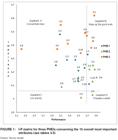
The conceptual model of this research is illustrated in Figure 1, comprising five predictor variables - risk management, communication, collaboration, information sharing, and trust - and one outcome variable, environmental performance. The integration of these five relational practices fosters a robust, resilient, and flexible supply chain (Chen & Kitsis, 2017). These relational practices are also posited to affect the environmental performance of fast-moving consumer goods (FMCG) businesses (Bai et al., 2017; Chen & Kitsis, 2017). According to Bai et al. (2017), enhancements in relational practices can improve environmental performance by expediting the transition to a sustainable supply chain. An optimised supply chain, therefore, enables FMCG businesses to address contemporary sustainability challenges more effectively. From the above discussion, the following alternative hypotheses are proposed:
H1: Risk management will have a positive and statistically significant influence on the environmental performance of an FMCG business.
H2: Communication will have a positive and statistically significant influence on the environmental performance of an FMCG business.
H3: Collaboration will have a positive and statistically significant influence on the environmental performance of an FMCG business.
H4: Information sharing will have a positive and statistically significant influence on the environmental performance of an FMCG business.
H5: Trust will have a positive and statistically significant influence on the environmental performance of an FMCG business.
4. METHODOLOGY
This section presents the research approach followed. The population and sample is then described, followed by a discussion of data collection and analysis. An overview of the relevant ethical considerations is also provided.
4.1 Research approach
A quantitative descriptive approach was used to assess how supply chain relational practices impact the environmental performance of South African FMCG companies. Data were gathered through an online survey at a specific moment, allowing the researcher to document and analyse the relational practices and environmental outcomes of these businesses simultaneously (Faasen & Hirschsohn, 2021; Ratten, 2023).
4.2 Population and sample
The target population consisted of supply chain managers at FMCG businesses in South Africa. These managers were deemed the most suitable respondents due to their practical knowledge and expertise in using relational practices within a supply chain. Since a list of these respondents could not be obtained due to the Protection of Personal Information Act 4 of 2013, a purposive sampling technique was used to draw the sample. This technique ensured that only respondents meeting the following inclusion criteria participated: firstly, respondents must have been employed in any of the four FMCG categories (food and beverages, alcohol and tobacco, personal care, healthcare); secondly, respondents needed to hold a position involved in supply chain management. To effectively execute purposive sampling and gather data from across the country, an online panel hosted by a market research agency was used. The final sample size of 526 exceeded the recommended minimum for regression analysis of 90 [50+8(n)], as suggested by Tabachnick and Fidell (2013).
4.3 Data collection
Data were collected using structured, computer-administered online surveys. Prior to data collection, a pilot study was conducted to assess the survey's readability, resulting in minor adjustments to the questionnaire. Responses from the pilot study were excluded from the final sample. For the main study, a research agency distributed the questionnaire in January 2023 to online participants who met the inclusion criteria.
Two validated measurement scales from previous studies were employed. Relational practices were assessed using a 25-item scale adapted from Mafini and Muposhi (2017), Mashiloane et al. (2018), and Michalski et al. (2018) to align with the context of this study. To measure environmental performance, a six-item scale adapted from Das (2017), Roscoe et al. (2020), and Sajan et al. (2017) was employed. Response options were provided on a labelled 10-point Likert-type scale, ranging from 1 (strongly disagree) to 10 (strongly agree). Consistent with Sangthong (2020), this scale was selected for its ability to capture subtle gradations in managerial perceptions. To ensure relevance to the South African FMCG context, certain statements were modified to reflect local terminology, business practices, or examples, while others remained unchanged.
4.4 Data analysis
After coding, data were analysed using IBM SPSS and AMOS software (version 29). Cronbach's alpha coefficients assessed reliability, and a confirmatory factor analysis (CFA) was conducted to establish the validity of the measurement scales. Statistical analyses included calculating means and frequencies for descriptive statistics and conducting a standard multiple regression to determine the extent to which relational practices influence environmental performance as part of the inferential statistics.
4.5 Ethical considerations
Several ethical considerations were observed during the data collection process, including informed consent, voluntary participation, confidentiality, anonymity, and the right to withdraw from the study at any time. Responses were reported purely in aggregate form. The market research agency could only distribute the link to the questionnaire and could not edit the questionnaire or access the responses.
5. FINDINGS AND DISCUSSION
A final sample of 526 was obtained from the initial 950 questionnaires distributed, yielding a 55% response rate, which is deemed by Bougie and Sekaran (2020) to be acceptable. The respondents' background information is shown in Table 1.
5.1 Psychometric properties of the measurement instrument
To evaluate the psychometric properties of the measurement scales, encompassing both reliability and validity, reliability tests and a CFA were conducted. The construct reliability (CR) values and Cronbach's alpha (α) coefficients both exceeded the 0.70 threshold, thereby substantiating the scales' reliability (George & Mallery, 2022). Additionally, results from the CFA confirmed the six variables within the measurement model, as all standardised factor loadings were greater than the suggested 0.50 cut-off value (Hair et al., 2020).
The average variance extracted (AVE) values for each variable also exceeded the suggested cut-off value of 0.50, thereby establishing convergent validity. Furthermore, the measurement model demonstrated good fit statistics (Χ2/df = 3.23, CFI = 0.925, TLI = 0.917, RMSEA = 0.065), confirming construct validity. The results of these psychometric tests, as presented in Table 2, confirm that the research meets the criteria for reliability and validity.
5 1.1 Descriptive results
To ascertain respondents' perceptions about the use of relational practices within their FMCG business and its environmental performance, they were required to indicate their level of agreement with the statements used to measure relational practices on the 10-point unlabelled Likert scale. The scale descriptions of the 10-point Likert scale were used to interpret the mean scores calculated. Accordingly, Tables 3 and 4 present the descriptive results of relational practices and environmental performance by providing the mean scores (x̄) and standard deviations (SD) obtained, respectively.
The means and standard deviations pertaining to the perceptions of environmental performance, as the dependent variable, are presented in Table 4.
The results from Table 3 highlight that relational practices are widely acknowledged in FMCG businesses, with an overall score of x̄ = 8.34 (SD = 1.489). This indicates a strong agreement among respondents regarding the utilisation of relational practices.
Among the five relational practices examined, risk management scored the lowest with a mean of x̄ = 8.21 (SD = 1.607). This suggests that while risk management practices are implemented, there is relatively less consensus on their effectiveness. The highest agreement was on the statement, "We use risk assessments and audits regularly to manage risk in our business" (x̄ = 8.48; SD = 1.934), underscoring a reliance on these assessments. However, there was less agreement with "We use alternative sourcing arrangements to manage risk in our business" (x̄ = 8.01; SD = 2.012), indicating potential gaps in diversifying risk management strategies.
In contrast, communication received the highest mean score of x̄ = 8.51 (SD = 1.566), signifying robust communication within FMCG supply chains. The highest-rated item was "Communication between our supply chain partners and us is intense (i.e., meaningful)" (x̄ = 8.60; SD = 1.820), suggesting that meaningful communication is highly valued. However, the frequency of communication, as indicated by the item "Communication between our supply chain partners and us is frequent (i.e., regular)" (x̄ = 8.40; SD = 1.884), shows some disparity, indicating potential irregularities in communication frequency.
Collaboration realised an overall mean score of x̄ = 8.35 (SD = 1.715), suggesting a general agreement on the importance of collaboration. The statement "We collaborate with our supply chain partners by working together" scored the highest (x̄ = 8.75; SD = 1.756), indicating teamwork between partners. Conversely, "We collaborate with our supply chain partners by sharing resources and operative risks" received a lower score (x̄ = 8.05; SD = 2.222), implying challenges in resource and risk sharing.
Information sharing scored an overall mean of x̄ = 8.35 (SD = 1.669), showing that respondents largely agreed with its practice. The item "Our supply chain partners are informed in advance of our changing needs" was rated highest (x̄ = 8.58; SD = 1.843), highlighting proactive information sharing. In contrast, "Our supply chain partners share proprietary information with us" scored the lowest (x̄ = 7.99; SD = 2.162), suggesting a potential reluctance to share sensitive information.
Finally, trust building received an overall mean score of x̄ = 8.32 (SD = 1.736), indicating a high level of trust among supply chain partners. The statement "Our supply chain partners provide us with trustworthy information" scored the highest (x̄ = 8.50; SD = 1.895), underscoring the importance of reliable information. The lowest score was for "Our supply chain partners are concerned about our welfare when making important decisions" (x̄ = 8.16; SD = 2.105), indicating that mutual consideration could be improved.
These findings underscore the strengths and potential areas for improvement in relational practices within FMCG supply chains. Enhanced risk management strategies, more frequent communication, improved resource sharing, and a deeper mutual concern for partners' welfare could further strengthen these relationships.
Following the discussion on relational practices, it is imperative to delve into the environmental performance of FMCG businesses. The overall mean score for environmental performance was x̄ = 7.80 (SD = 1.670); indicating a general agreement among respondents that environmental performance is a recognised indicator within their businesses. A closer investigation revealed that respondents showed the highest agreement with the statement, "Compared to previous years, we have reduced the frequency of environmental accidents (e.g., oil spills)" (x̄ = 8.32; SD = 1.852). This suggests that meaningful efforts have been made to mitigate environmental accidents, reflecting positively on the businesses' commitment to reducing their environmental impact in this regard. However, the item "Compared to previous years, we have reduced our air emissions" scored the lowest (x̄ = 7.18; SD = 2.282), indicating less progress or perhaps more challenges in reducing air emissions. This difference between the different components of environmental performance suggests that while some are improving, others may require more focused efforts and resources.
5.2 Regression analysis
To evaluate the influence of relational practices on environmental performance, a standard multiple regression analysis was conducted. This type of analysis demonstrates the predictive relationship between independent variables and a dependent variable (Quinlan et al., 2024). Prior to the analysis, it was essential to ensure that no assumptions underpinning regression analysis were violated. The sample size of 526 exceeded the recommended minimum of 90 [50+8(n)], as suggested by Tabachnick and Fidell (2013). High correlations among some predictors suggested potential multicollinearity; however, tolerance values (indicative of non-collinearity) above 0.10 and Variance Inflation Factors (VIFs) ranging from 2.609 to 5.917 confirmed that multicollinearity was within acceptable limits. Additionally, the residual analysis yielded a maximum Cook's value of 0.130, well below the threshold of 1, thus indicating the absence of unduly influential outliers, as suggested by Tabachnick and Fidell (2013).
Homoscedasticity was visually confirmed through a scatter plot of the standardised residuals against the predicted values, which displayed a consistent spread indicative of homoscedasticity. The normal distribution of residuals was assessed using a Q-Q plot, showing only slight deviations from normality. Despite the Shapiro-Wilk test indicating significant deviation, this deviation is commonly attributed to large sample sizes and is not expected to significantly affect the regression results (Shapiro & Wilk, 1965).
With all the assumptions for multiple regression met, the measurement model was evaluated as shown in Table 5, with environmental performance as the dependent variable and the five relational practices as the independent variables (i.e., predictors). The regression model indicates that relational practices explain 42.2% (R2 = 0.422) of the variance in environmental performance, and the results from the ANOVA confirmed that the model is statistically significant (p < 0.001).
With the model's significance established, it is essential to identify which relational practices significantly predict environmental performance. As demonstrated in Table 5, the regression weights and corresponding p-values indicate that risk management (p = 0.001; β = 0.254), information sharing (p = 0.002; β = 0.251), and trust (p = 0.026; β = 0.155) significantly influence environmental performance.
Table 6 presents the coefficient values obtained during the regression analysis.
Considering the alternative hypotheses formulated for this research, the following can thus be concluded:
• Concerning the influence of risk management on environmental performance (H1), a p-value smaller than 0.05 was obtained, indicating a statistically significant influence on the environmental performance of an FMCG business. The effect size (β-weight = 0.254) is considered medium. Therefore, H1 is supported.
• Relevant to H2 (influence of communication on environmental performance), communication demonstrated a p-value of 0.261, which is greater than the 0.05 threshold for statistical significance. This indicates that communication does not have a statistically significant effect on the environmental performance of an FMCG business. Thus, H2 is not supported.
• Regarding the influence of collaboration on environmental performance (H3), the p-value for collaboration is 0.070, which is above the 0.05 threshold, indicating no statistically significant effect on the environmental performance of an FMCG business. Although a 90% confidence interval (p < 0.10) would suggest a significant effect, under the standard threshold of p < 0.05, H3 is not supported.
• Pertaining to the influence of information sharing on environmental performance (H4), information sharing demonstrated a p-value of 0.002, well below the 0.05 threshold, indicating a statistically significant and medium effect (β-weight = 0.251) on the environmental performance of an FMCG business. Thus, H4 is supported.
• Regarding the influence of trust on environmental performance (H5), trust yielded a p-value of 0.026, below the 0.05 threshold, denoting a statistically significant effect on the environmental performance of an FMCG business, although the effect size (β-weight = 0.155) is small. H5 is, therefore, supported.
6. MANAGERIAL IMPLICATIONS
The findings of this research have important managerial implications for FMCG businesses seeking to improve their environmental performance through optimised supply chain relationships. Given the influence of risk management on environmental performance, managers should enhance their risk management strategies through increased investment in alternative sourcing arrangements and risk management procedures, establishing a dedicated risk management department, and using benchmarking to align with industry standards.
The significant role of information sharing suggests a need for FMCG businesses to re-evaluate existing policies governing the exchange of information with supply chain partners. Managers should, therefore, develop policies that balance the protection and sharing of proprietary information. This can be achieved by conducting regular audits, developing non-disclosure agreements to maintain confidentiality, and sharing proprietary information only when necessary and in support of environmental objectives.
Trust-building was also shown to be a critical driver of environmental performance. To address perceptions of limited mutual concern, FMCG businesses should promote transparency and foster a culture of mutual concern by increasing the frequency of engagements, developing common goals, implementing supply chain relationship management practices, and embedding sustainability considerations into joint decision-making processes.
Collectively, these implications provide practical guidance for FMCG supply chain managers by highlighting which relational practices should be prioritised in order to enhance environmental performance and support the achievement of sustainability objectives within the FMCG industry.
7. CONCLUSIONS
This research investigated the influence of supply chain relational practices on the environmental performance of fast-moving consumer goods (FMCG) businesses, aiming to propose effective improvement strategies. The findings highlight the importance of these practices within South African FMCG businesses. Improved risk management, information sharing, and trust-building practices facilitate enhanced environmental performance in the industry.
Of the relational practices analysed, risk management was identified as a significant predictor of environmental performance, despite managers perceiving it as less effective than other practices. Information sharing demonstrated a statistically significant impact on environmental performance, indicating potential limitations in the exchange of proprietary information among supply chain partners. Trust-building between FMCG businesses and their supply chain partners also significantly influenced environmental performance, with results indicating insufficient mutual concern during decision-making processes.
Theoretically, this study advances understanding of the relationship between supply chain relational practices and environmental performance. It provides critical insights into how five specific relational practices affect environmental performance within the South African FMCG sector, thereby addressing a gap in empirical research. Additionally, the research adds to supply chain management and sustainability literature by identifying key practices necessary to optimise supply chains and enhance environmental outcomes.
From a practical perspective, the study provides actionable guidance for supply chain managers in FMCG businesses on prioritising relational practices to improve environmental performance. The results indicate that efforts should focus on strengthening risk management, improving information sharing, and fostering trust among supply chain partners.
8. LIMITATIONS AND SUGGESTIONS FOR FUTURE RESEARCH
To further enhance managers' understanding of their environmental performance, a qualitative research design can be utilised to gauge their individual challenges. This approach would provide deeper insights into specific obstacles and opportunities within different FMCG businesses.
Limitations of this study included the lack of a sample frame, time and budget constraints. Future studies could explore how these relational practices influence the other two dimensions of sustainability, namely economic and social aspects.
In conclusion, achieving sustainability goals, particularly improving environmental performance, remains an ongoing challenge for FMCG businesses. The industry faces the critical task of leveraging supply chain relational practices to not only meet but exceed environmental performance expectations, which is essential for achieving sustainable development goals. To improve their environmental performance, FMCG businesses should focus on mitigating risks, sharing proprietary information, and considering the welfare of their supply chain partners when making important decisions. Implementing these recommendations will help FMCG businesses make important strides toward sustainability.
Conflict of interest: The authors declare that there is no conflict of interest with respect to the research, authorship, and publication of the research.
Data availability: The data used for this article can be found in Du Preez, L.P. 2024. Developing a framework for sustainable supply chain innovation in the South African FMCG industry. Potchefstroom: North-West University. (Thesis-PhD).
Ethical clearance and informed consent statement: The researchers confirm that ethical approval was obtained prior to data collection (ethical clearance number: NWU-00960-21-A4) and that informed consent was obtained from all respondents in this study.
Funding: No funding was received for this research.
REFERENCES
2. LITERATURE REVIEW
-
Abdirad, M. & Krishnan, K. (2020). Industry 4.0 in logistics and supply chain management: A systematic literature review. Engineering Management Journal, 33(3), 187-201. https://doi.org/10.1080/10429247.2020.1783935
» https://doi.org/10.1080/10429247.2020.1783935 -
Adams, F.G., Gabler, C.B. & Landers, V.M. (2021). The hierarchical resource nature of green logistics competency. Journal of Business & Industrial Marketing, 36(8), 1474-1485. http://dx.doi.org/10.1108/JBIM-12-2019-0543
» http://dx.doi.org/10.1108/JBIM-12-2019-0543 -
Agigi, A., Niemann, W. & Kotzé, T. (2016). Supply chain design approaches for supply chain resilience: A qualitative study of South African fast-moving consumer goods grocery manufacturers. Journal of Transport and Supply Chain Management, 10(1), a253. https://doi.org/10.4102/jtscm.v10i1.253
» https://doi.org/10.4102/jtscm.v10i1.253 -
Agostinelli, S. Arman, A., De Luzi, F., Monti, F., Manglaviti, M. & Mecella, M. (2024). Supporting business confidentiality in coopetitive scenarios: The B-CONFIDENT approach in blockchain-based supply chains. Journal of Industrial Information Integration, 42(1), 100730. https://doi.org/10.1016/j.jii.2024.100730
» https://doi.org/10.1016/j.jii.2024.100730 -
Annosi, M.C., Brunetta, F., Bimbo, F. & Kostoula, M. (2021). Digitalization within food supply chains to prevent food waste: Drivers, barriers and collaboration practices. Industrial Marketing Management, 93(1), 208-220. https://doi.org/10.1016/j.indmarman.2021.01.005
» https://doi.org/10.1016/j.indmarman.2021.01.005 -
Aslam, J., Saleem, A. & Kim, Y.B. (2023). Blockchain-enabled supply chain management: Integrated impact on firm performance and robustness capabilities. Business Process Management Journal, 29(6), 1680-1705. https://doi.org/10.1108/BPMJ-03-2023-0165
» https://doi.org/10.1108/BPMJ-03-2023-0165 -
Azam, W., Khan, I. & Ali, S.A. (2023). Alternative energy and natural resources in determining environmental sustainability: A look at the role of government final consumption expenditures in France. Environmental Science and Pollution Research, 30(1), 1949-1965. https://doi.org/10.1007/s11356-022-22334-z
» https://doi.org/10.1007/s11356-022-22334-z -
Bai, C., Sarkis, J. & Dou, Y. (2017). Constructing a process model for low-carbon supply chain cooperation practices based on the DEMATEL and the NK model. Supply Chain Management, 22(3), 237-257. https://doi.org/10.1108/SCM-09-2015-0361
» https://doi.org/10.1108/SCM-09-2015-0361 -
Balaram, V. (2023). Potential future alternative resources for rare earth elements: Opportunities and challenges. Minerals, 13(3), 425. https://doi.org/10.3390/min13030425
» https://doi.org/10.3390/min13030425 -
Barañano, L., Garbisu, N., Alkorta, I., Araujo, A. & Garbisu, C. (2021). Contextualization of the bioeconomy concept through its links with related concepts and the challenges facing the industry. Sustainability, 13(14), 7746. https://doi.org/10.3390/su13147746
» https://doi.org/10.3390/su13147746 -
Baryannis, G., Validi, S., Dani, S. & Antoniou, G. (2019). Supply chain risk management and artificial intelligence: State of the art and future research directions. International Journal of Production Research, 57(7), 2179-2202. https://doi.org/10.1080/00207543.2018.1530476
» https://doi.org/10.1080/00207543.2018.1530476 -
Beck, D. & Ferasso, M. (2023). Bridging 'stakeholder value creation' and 'urban sustainability': The need for better integrating the environmental dimension. Sustainable Cities and Society, 89(1),104316. https://doi.org/10.1016/j.scs.2022.104316
» https://doi.org/10.1016/j.scs.2022.104316 -
Bocken, N.M.P. & Short, S.W. (2021). Unsustainable business models: recognising and resolving institutionalised social and environmental harm. Journal of Cleaner Production, 312(1),127828. https://doi.org/10.1016/j.jclepro.2021.127828
» https://doi.org/10.1016/j.jclepro.2021.127828 - Bougie, R. & Sekaran, U. (2020). Research methods for business: a skill-building approach. 8th ed. Hoboken, NJ: Wiley.
- Bowersox, D.J., Closs, D.J., Cooper, M.B. & Bowersox, J.C. (2020). Supply chain logistics management. 5th ed. New York, NY: McGraw-Hill.
-
BusinessTech. (2025). South Africa's supply chain digital revolution: The leaders driving transformation. [https://www.businesstechafrica.co.za/business/2025/05/23/south-african-businesses-are-embracing-the-digital-supply-chain-revolution-marking-a-pivotal-shift-in-procurement-and-logistics-strategies/]
» https://www.businesstechafrica.co.za/business/2025/05/23/south-african-businesses-are-embracing-the-digital-supply-chain-revolution-marking-a-pivotal-shift-in-procurement-and-logistics-strategies/ -
Cai, J., Cheng, J., Shi, H. & Feng, T. (2022). The impact of organisational conflict on green supplier integration: The moderating role of governance mechanism. International Journal of Logistics Research and Applications, 25(2), 143-160. https://doi.org/10.1080/13675567.2020.1818198
» https://doi.org/10.1080/13675567.2020.1818198 -
Cai, Y. & Bae, B. (2023). Antecedents of engagement within online sharing economy communities. Sustainability, 15(10),8322. https://doi.org/10.3390/su15108322
» https://doi.org/10.3390/su15108322 - Carroll, A.B., Brown, J.A. & Buchholtz, A.K. (2018). Business & society: Ethics, sustainability, and stakeholder management. 10th ed. Boston, MA: Cengage.
- Chakabva, O., Tengeh, R.K. & Dubihlela, J. (2020). Risk management as a tool to enhance the sustainability of fast moving consumer goods SMEs in South Africa. The Journal of Accounting and Management, 10(3), 134-147.
-
Chen, I.J. & Kitsis, A.M. (2017). A research framework of sustainable supply chain management: The role of relational capabilities in driving performance. The International Journal of Logistics Management, 28(4), 1454-1478. https://doi.org/10.1108/IJLM-11-2016-0265
» https://doi.org/10.1108/IJLM-11-2016-0265 -
Chivanga, S.Y. (2023). Inequalities in access to energy in informal settlements: towards energy justice in Gqeberha and Komani in South Africa. Water-Energy Nexus, 6(1), 1-5. https://doi.org/10.1016/j.wen.2023.01.001
» https://doi.org/10.1016/j.wen.2023.01.001 -
Chopra, A., Dileep, D. & Chopra, A.R. (2022). Application of lean six sigma in the transport sector of the supply chain of a leading FMCG in the UAE. Journal of Southwest Jiatong University, 57(1), 464-474. https://doi.org/10.35741/issn.0258-2724.57.1.43
» https://doi.org/10.35741/issn.0258-2724.57.1.43 - Chopra, S. (2019). Supply chain management: strategy, planning, and operation. 7th ed. Harlow: Pearson.
-
Chou, C., Hwang, N.R., Li, C., Wang, T. & Wang, Y. (2023). Implementing a multichain framework using hyperledger for supply chain transparency in a dynamic partnership: a feasibility study. Computers and Industrial Engineering, 175(1),108906. https://doi.org/10.1016/j.cie.2022.108906
» https://doi.org/10.1016/j.cie.2022.108906 -
Das, D. (2017). Development and validation of a scale for measuring sustainable supply chain management practices and performance. Journal of Cleaner Production, 164(3), 1344-1362. https://doi.org/10.1016/j.jclepro.2017.07.006
» https://doi.org/10.1016/j.jclepro.2017.07.006 -
Dold, B. (2020). Sourcing of critical elements and industrial minerals from mine waste: The final evolutionary step back to sustainability of humankind? Journal of Geochemical Exploration, 219(1), 106638. https://doi.org/10.1016/j.gexplo.2020.106638
» https://doi.org/10.1016/j.gexplo.2020.106638 -
Do-Thanh, C., Luo, H. & Dai, S. (2023). A perspective on task-specific ionic liquids for the separation of rare earth elements. RCS Sustainability, 1(1), 1168-1176. https://doi.org/10.1039/D3SU00007A
» https://doi.org/10.1039/D3SU00007A - Dubihlela, J., Chakabva, O., & Tengeh, R. (2021). A risk management framework for fast moving consumer goods retailers in South Africa. Focus on Research in Contemporary Economics (FORCE), 2(1), 4-40.
-
Dwyer, L. (2023). Tourism development to enhance resident well-being: a strong sustainability perspective. Sustainability, 15(4),3321. https://doi.org/10.3390/su15043321
» https://doi.org/10.3390/su15043321 - Easterby-Smith, M., Jaspersen, L.J., Thorpe, R. & Valizade, D. (2021). Management and business research. 7th ed. London: SAGE.
-
Esteso, A., Alemany, M.M.E. & Ortiz, A. (2023). Sustainable agri-food supply chain planning through multi-objective optimisation. Journal of Decision Systems, 32(1), 1-25. https://doi.org/10.1080/12460125.2023.2180138
» https://doi.org/10.1080/12460125.2023.2180138 - Faasen, N. & Hirschsohn, P. (2021). Project planning. In: Bryman, A., Bell, E. & Hirschsohn, P., eds. Research methodology: business and management contexts. 2nd ed. Cape Town: Oxford. pp. 97-120.
- Fahy, J. & Jobber, D. (2022). Foundations of marketing. 7th ed. London: McGraw-Hill.
-
FASA (The Franchise Association of South Africa). (2018). Retailers react to consumer's shift in spending. http://fasa.co.za/fasablog/retailers-react-consumers-shift-spending/
» http://fasa.co.za/fasablog/retailers-react-consumers-shift-spending/ -
Fang, M. & Chang, C. (2023). The role of COP26 commitment and technological innovation in depletion of natural resources: evidence form the BRICS countries. Resources Policy, 81(1),103365. https://doi.org/10.1016/j.resourpol.2023.103365
» https://doi.org/10.1016/j.resourpol.2023.103365 -
Feng, A. (2023). Research on the causes of bullwhip effect in supply chain management and its mitigation countermeasures. Industrial Engineering and Innovation Management, 6(4), 39-43. https://dx.doi.org/10.23977/ieim.2023.060406
» https://dx.doi.org/10.23977/ieim.2023.060406 -
Filho, W.L., Kotter, R., Özuyar, P.G., Abubakar, I.R., Eustachio, J.H.P.P. & Matandirotya, N.R. (2023). Understanding rare earth elements as critical raw materials. Sustainability, 15(3), 1919. https://doi.org/10.3390/su15031919
» https://doi.org/10.3390/su15031919 -
Gao, D., Xu, Z., Ruan, Y.Z. & Lu, H. (2017). From a systematic literature review to integrated definition for sustainable supply chain innovation (SSCI). Journal of Cleaner Production, 142(4), 1518-1538. https://doi.org/10.1016/j.jclepro.2016.11.153
» https://doi.org/10.1016/j.jclepro.2016.11.153 -
Geiger, I. & Naacke, D. (2023). What's it really worth? A meta-analysis of customer-perceived relationship value in b2b markets. Journal of Business and Industrial Marketing, 38(4), 751-773. http://dx.doi.org/10.1108/JBIM-09-2021-0438
» http://dx.doi.org/10.1108/JBIM-09-2021-0438 - George, D. & Mallery, P. (2022). IBM SPSS statistics 27 step by step: A simple guide and reference. 17th ed. New York, NY: Routledge.
-
Gružauskas, V., Gimžauskienė, E. & Navickas, V. (2019). Forecasting accuracy influence on logistics clusters activities: The case of the food industry. Journal of Cleaner Production, 240(1),118225. https://doi.org/10.1016/j.jclepro.2019.118225
» https://doi.org/10.1016/j.jclepro.2019.118225 - Hair, J.F., Page, M. & Brunsveld, N. (2020). Essentials of business research methods. 4th ed. New York, NY: Routledge.
-
Hajishirzi, R., Costa, C.J. & Aparicio, M. (2022). Boosting sustainability through digital transformation's domains and resilience. Sustainability, 14(3),1822. https://doi.org/10.3390/su14031822
» https://doi.org/10.3390/su14031822 - Heizer, J., Render, B. & Munson, C. (2020). Operations management: sustainability and supply chain management. 13th ed. Harlow: Pearson.
- Hugo, W.M.J. & Waugh, B.J. (2017). Supply chain and integrated logistics management. In: Badenhorst-Weiss, J.A., Van Biljon, E.H.B. & Ambe, I.M. (eds). Supply chain management: A balanced approach. 2nd ed. Cape Town: Pearson. pp. 199-217.
-
Hurst, W., Bennin, K.E., Kotze, B. & Mangara, T. (2022). Critical infrastructures: Reliability, resilience and wastage. Infrastructures, 7(3),37. https://doi.org/10.3390/infrastructures7030037
» https://doi.org/10.3390/infrastructures7030037 -
Hussain, G., Nazir, M.S., Rashid, M.A. & Sattar, M.A. (2023). From supply chain resilience to supply chain disruption orientation: The moderating role of supply chain complexity. Journal of Enterprise Information Management, 36(1), 70-90. https://doi.org/10.1108/JEIM-12-2020-0558
» https://doi.org/10.1108/JEIM-12-2020-0558 -
Iftikhar, R. & Lions, C. (2022). Interorganizational knowledge sharing barriers and enablers: The case of Peshawar bus rapid transit project. International Journal of Managing Projects in Business, 15(2), 769-792. https://doi.org/10.1108/IJMPB-11-2021-0313
» https://doi.org/10.1108/IJMPB-11-2021-0313 - Inghels, D. (2020). Introduction to modelling sustainable development in business processes. Cham: Springer.
-
Iranmanesh, M., Maroufkhani, P., Asadi, S., Ghobakhloo, M., Dwivedi, Y.K. & Tseng, M. (2023). Effects of supply chain transparency, alignment, adaptability, and agility on blockchain adoption in supply chain among SMEs. Computers and Industrial Engineering, 176(1),108931. https://doi.org/10.1016/j.cie.2022.108931
» https://doi.org/10.1016/j.cie.2022.108931 - Jacobs, F.R. & Chase, R.B. (2018). Operations and supply chain management. 15th ed. New York, NY: McGraw-Hill.
-
Jie, H., Khan, I., Alharthi, M., Zafar, M.W. & Saeed, A. (2023). Sustainable energy policy, socio-economic development, and ecological footprint: The economic significance of natural resources, population growth, and industrial development. Utilities Policy, 81(1),101490. https://doi.org/10.1016/j.jup.2023.101490
» https://doi.org/10.1016/j.jup.2023.101490 -
Kähkönen, A., Marttinen, K., Kontio, A. & Lintukangas, K. (2023). Practices and strategies for sustainability-related risk management in multi-tier supply chains. Journal of Purchasing and Supply Management, 29(3),100848. https://doi.org/10.1016/j.pursup.2023.100848
» https://doi.org/10.1016/j.pursup.2023.100848 -
Kapoor, S., Banerjee, S. & Signori, P. (2022). The role of retailers during brand scandals: insights from a case study. International Journal of Retail and Distribution Management, 50(2), 276-298. https://doi.org/10.1108/IJRDM-04-2021-0153
» https://doi.org/10.1108/IJRDM-04-2021-0153 -
Kenton, W. (2021). Fast-moving consumer goods (FMCG). https://www.investopedia.com/terms/f/fastmoving-consumer-goods-fmcg.asp
» https://www.investopedia.com/terms/f/fastmoving-consumer-goods-fmcg.asp - Krajewski, L.J. & Malhotra, M.K. (2022). Operations management: processes and supply chains. 13th ed. Harlow: Pearson.
-
Kumar, A. (2020). Shopping orientations and their interrelatedness: a study on the poor for CPGs. Journal of Global Marketing, 33(4), 289-304. https://doi.org/10.1080/08911762.2020.1733729
» https://doi.org/10.1080/08911762.2020.1733729 -
Kumari, A. & Sahu, S.K. (2023). A comprehensive review on recycling of critical raw materials from spent neodymium iron boron (NdFeB) magnet. Separation and Purification Technology, 317(1),123527. https://doi.org/10.1016/j.seppur.2023.123527
» https://doi.org/10.1016/j.seppur.2023.123527 - Langley, C.J., Novack, R.A., Gibson, B.J. & Coyle, J.J. (2021). Supply chain management: A logistics perspective. 11th ed. Boston, MA: Cengage.
-
Liczmańska-Kopcewicz, K., Mizera, K. & Pypłacz, P. (2019). Corporate social responsibility and sustainable development for creating value for FMCG sector enterprises. Sustainability, 11(20), 1-14. http://dx.doi.org/10.3390/su11205808
» http://dx.doi.org/10.3390/su11205808 -
Loury-Okoumba, W.V. & Mafini, C. (2021). Supply chain management antecedents of performance in small to medium scale enterprises. South African Journal of Economic and Management Sciences, 24(1), a3661. https://doi.org/10.4102/sajems.v24i1.3661
» https://doi.org/10.4102/sajems.v24i1.3661 - Louw, L. (2022). Managerial competencies. In: Hellriegel, D., Slocum, J.W., Jackson, S.E., Louw, L. & Staude, G., eds. Management. 6th ed. Cape Town: Oxford. pp. 26-53.
-
Mabugu, T. & Inglesi-Lotz, R. (2022). The effect of mismatched supply and demand of electricity on economic growth in South Africa. Energy Sources, Part B: Economics, Planning, and Policy, 17(1),2038731. https://doi.org/10.1080/15567249.2022.2038731
» https://doi.org/10.1080/15567249.2022.2038731 -
Madzík, P., Falát, L., Copuš, L. & Carnogurský, K. (2024). Resilience in supply chain risk management in disruptive world: rerouting research directions during and after pandemic. Annals of Operations Research, 338(2), 1-33 https://doi.org/10.1007/s10479-024-06126-x
» https://doi.org/10.1007/s10479-024-06126-x -
Mafini, C. & Muposhi, A. (2017). Predictive analytics for supply chain collaboration, risk management and financial performance in small to medium enterprises. Southern African Business Review, 21(1), 311-338. https://www.ajol.info/index.php/sabr/article/view/162609
» https://www.ajol.info/index.php/sabr/article/view/162609 - Maritz, M. (2022). Logistics management. In: Strydom, J., ed. Principles of business management. 5th ed. Cape Town: Oxford. pp. 226-246.
-
Mashiloane, M.W., Mafini, C. & Pooe, R.D.I. (2018). Supply chain dynamism, information sharing, inter-organisational relationships and supply chain performance in the manufacturing sector. Acta Commercii, 18(1),a547. https://doi.org/10.4102/ac.v18i1.547
» https://doi.org/10.4102/ac.v18i1.547 -
Mehdikhani, R. & Valmohammadi, C. (2019). Strategic collaboration and sustainable supply chain management: the mediating role of internal and external knowledge sharing. Journal of Enterprise Information Management, 32(5), 778-806. https://doi.org/10.1108/JEIM-07-2018-0166
» https://doi.org/10.1108/JEIM-07-2018-0166 -
Michalski, M., Montes-Botella, J. & Narasimhan, R. (2018). The impact of asymmetry on performance in different collaboration and integration environments in supply chain management. Supply Chain Management, 23(1), 33-49. https://doi.org/10.1108/SCM-09-2017-0283
» https://doi.org/10.1108/SCM-09-2017-0283 -
Modungwa, M., Rinke, M., Agigi, A. & Mocke, K. (2021). The role of strategic supplier relationships in enhancing supply chain innovation: A qualitative study in the South African automotive manufacturing industry. African Journal of Science, Technology, Innovation and Development, 13(1), 1-14. https://doi.org/10.1080/20421338.2020.1747166
» https://doi.org/10.1080/20421338.2020.1747166 -
Momeni, M.A. & Bagheri, M. (2022). Shared warehouse as an inter-supply chain cooperation strategy to reduce the time-dependent deterioration costs. Socio-Economic Planning Sciences, 82(1),101070. https://doi.org/10.1016/j.seps.2021.101070
» https://doi.org/10.1016/j.seps.2021.101070 - Monczka, R.M., Handfield, R.B., Giunipero, L.C. & Patterson, J.L. (2021). Purchasing and supply chain management. 7th ed. Boston, MA: Cengage.
-
Musa, L.R., Abdulrazak, D., Umar, H.S. & Auwalu, A.S. (2023). Effects of air pollution on human health: A review. International Research Journal of Modernization in Engineering Technology and Science, 5(1), 996-1010. https://www.doi.org/10.56726/IRJMETS33055
» https://www.doi.org/10.56726/IRJMETS33055 -
Nazam, M., Hashim, M., Baig, S.A., Abrar, M. & Shabbir, R. (2020). Modeling the key barriers of knowledge management adoption in sustainable supply chain. Journal of Enterprise Information Management, 33(5), 1077-1109. https://doi.org/10.1108/JEIM-09-2019-0271
» https://doi.org/10.1108/JEIM-09-2019-0271 -
Newell, W.J., Ellegaard, C. & Esbjerg, L. (2019). The effects of goodwill and competence trust on strategic information sharing in buyer-supplier relationships. Journal of Business and Industrial Marketing, 34(2), 389-400. http://dx.doi.org/10.1108/JBIM-02-2017-0035
» http://dx.doi.org/10.1108/JBIM-02-2017-0035 -
Nguyen, H., Onofrei, G. & Truong, D. (2021). Supply chain communication and cultural compatibility: Performance implications in the global manufacturing industry. Business Process Management Journal, 27(1), 253-274. https://doi.org/10.1108/BPMJ-08-2019-0314
» https://doi.org/10.1108/BPMJ-08-2019-0314 -
Nilsson, F. & Göransson, M. (2021). Critical factors for the realization of sustainable supply chain innovations: model development based on a systematic literature review. Journal of Cleaner Production, 296(1), 1-13. https://doi.org/10.1016/j.jclepro.2021.126471
» https://doi.org/10.1016/j.jclepro.2021.126471 -
Nurhayati, K., Tavasszy, L. & Rezaei, J. (2023). Joint b2b supply chain decision-making: Drivers, facilitators and barriers. International Journal of Production Economics, 256(1), 108721. https://doi.org/10.1016/j.ijpe.2022.108721
» https://doi.org/10.1016/j.ijpe.2022.108721 - Nureen, P. (2024). Analyzing the relationship between risk management strategies and supply chain. International Journal of Supply Chain and Logistics, 8(3):28-40.
-
Obi, C.J., Qiang, X., Dogbe, C.S.K. & Pomegbe, W.W.K. (2020). Assessing the impact of relational governance on the supply chain performances of manufacturing firms in Ghana. European Journal of Business and Management, 12(12), 1-11. https://doi.org/10.7176/EJBM/12-12-01
» https://doi.org/10.7176/EJBM/12-12-01 -
Olajuyin, O.F. & Mago, S. (2022). Effects of load-shedding on the performance of small, medium and micro enterprises in Gqeberha, South Africa. Management and Economics Research Journal, 8(4),1716925 https://doi.org/10.18639/MERJ.2022.1716925
» https://doi.org/10.18639/MERJ.2022.1716925 -
Olander, L., Warnell, K., Warziniack, T., Ghali, Z., Miller, C. & Neelan, C. (2021). Exploring the use of ecosystem services conceptual models to account for the benefits of public lands: An example for national forest planning in the United States. Forests, 12(3), 267. https://doi.org/10.3390/f12030267
» https://doi.org/10.3390/f12030267 -
Olutimehin, D.O., Nwankwo, E.E., Ofodile, I.C. & Ugochuwu, C.E. (2024). Strategic operations management in fmcg: a comprehensive review of best practices and innovations. International Journal of Management & Entrepreneurship Research, 6(3), 780-794. https://doi.org/10.51594/ijmer.v6i3.935
» https://doi.org/10.51594/ijmer.v6i3.935 -
Ozturk, O.C. & Tereyagoglu, N. (2022). Distribution channel relationships in the presence of multimarket contact. Production and Operations Management, 31(1), 218-238. https://doi.org/10.1111/poms.13529
» https://doi.org/10.1111/poms.13529 -
Pazienza, M., De Jong, M. & Schoenmaker, D. (2023). Why corporate sustainability is not yet measured. Sustainability, 15(7), 6275. https://doi.org/10.3390/su15076275
» https://doi.org/10.3390/su15076275 -
Pecina, E., Miloš Sprčić, D. & Dvorski Lacković, I. (2022). Qualitative analysis of enterprise risk management systems in the largest European electric power companies. Energies, 15(15), 5328. https://doi.org/10.3390/en15155328
» https://doi.org/10.3390/en15155328 -
Perdana, T., Kusnandar, K., Perdana, H.H. & Hermiatin, F.R. (2023). Circular supply chain governance for sustainable fresh agricultural products: minimizing food loss and utilizing agricultural waste. Sustainable Production and Consumption, 41(1), 391-403. https://doi.org/10.1016/j.spc.2023.09.001
» https://doi.org/10.1016/j.spc.2023.09.001 -
Pinto, J., Colónia, J., Abdolvaseei, A., Vale, C., Henriques, B. & Pereira, E. (2023). Algal sorbents and prospects for their application in the sustainable recovery of rare earth elements from e-waste. Environmental Science and Pollution Research, 30(1), 74521-74543. https://doi.org/10.1007/s11356-023-27767-8
» https://doi.org/10.1007/s11356-023-27767-8 -
Prataviera, L.B., Creazza, A., Dallari, F. & Melacini, M. (2023). How can logistics service providers foster supply chain collaboration in logistics triads? Insights from the Italian grocery industry. Supply Chain Management, 28(2), 242-261. http://dx.doi.org/10.1108/SCM-03-2021-0120
» http://dx.doi.org/10.1108/SCM-03-2021-0120 - Pride, W.M., Hughes, R.J., Kapoor, J.R. & Neneh, B.N. (2021). Foundations of business management in South Africa. Andover: Cengage.
- Quinlan, C., Babin, B.J., Carr, J.C., Griffin, M. & Zikmund, W.G. (2024). Business research methods. 3rd ed. Andover: Cengage.
-
Rahman, M.H., Rahman, M.A. & Talapatra, S. (2020). The bullwhip effect: causes, intensity, and mitigation. Production & Manufacturing Research, 8(1), 406-426. https://doi.org/10.1080/21693277.2020.1862722
» https://doi.org/10.1080/21693277.2020.1862722 -
Randall, A. (2022). How strong sustainability became safety. Sustainability, 14(8), 4578. https://doi.org/10.3390/su14084578
» https://doi.org/10.3390/su14084578 - Ratten, V. (2023). Research methodologies for business management. Abingdon: Routledge.
- Republic of South Africa. (2013). Protection of Personal Information Act, No. 4 of 2013. Pretoria: Government Printer.
- Robbins, S.P., Coulter, M.A. & DeCenzo, D.A. (2020). Fundamentals of management. 11th ed. Harlow: Pearson.
-
Roscoe, S., Subramanian, N., Prifti, R. & Wu, L. (2020). Stakeholder engagement in a sustainable sales and operations planning process. Business Strategy and the Environment, 29(8), 3526-3541. https://doi.org/10.1002/bse.2594
» https://doi.org/10.1002/bse.2594 -
Saba, C.S. (2023). Nexus between CO2 emissions, renewable energy consumption, militarisation, and economic growth in South Africa: Evidence from using novel dynamic ARDL simulations. Renewable Energy, 205(1), 349-365. https://doi.org/10.1016/j.renene.2023.01.007
» https://doi.org/10.1016/j.renene.2023.01.007 -
Sajan, M.P., Shalij, P.R., Ramesh, A. & Biju. (2017). Lean manufacturing practices in Indian manufacturing SMEs and their effect on sustainability performance. Journal of Manufacturing Technology Management, 28(6), 772-793. https://doi.org/10.1108/JMTM-12-2016-0188
» https://doi.org/10.1108/JMTM-12-2016-0188 -
Sangthong, M. (2020). The effect of the Likert point scale and sample size on the efficiency of parametric and nonparametric tests. Thailand Statistician, 18(1), 55-64. https://ph02.tci-thaijo.org/index.php/thaistat/article/view/228886/155776
» https://ph02.tci-thaijo.org/index.php/thaistat/article/view/228886/155776 -
Schmidt, M. (2023). Information security risk management terminology and key concepts. Risk Management, 25(2), 1-23. https://doi.org/10.1057/s41283-022-00108-8
» https://doi.org/10.1057/s41283-022-00108-8 -
Shapiro, S.S. & Wilk, M.B. (1965). An analysis of variance test for normality (complete samples). Biometrika, 52(3-4), 591-611. https://doi.org/10.2307/2333709
» https://doi.org/10.2307/2333709 - Sharma, A. (2022). History of environmental sustainability through the ages. Central Asian Journal of Social Sciences and History, 3(8), 23-27.
-
Shiralkar, K., Bongale, A., Kumar, S., Kotecha, K. & Prakash, C. (2021). Assessment of the benefits of information and communication technologies (ICT) adoption on downstream supply chain performance of the retail industry. Logistics, 5(4), 80. https://doi.org/10.3390/logistics5040080
» https://doi.org/10.3390/logistics5040080 - Stanton, D. (2023). Supply chain management for dummies. 3rd ed. Hoboken, NJ: Wiley.
-
Swain, B. (2023). Challenges and opportunities for sustainable valorization of rare earth metals from anthropogenic waste. Reviews in Environmental Science and Bio/Technology, 22(1), 133-173. https://doi.org/10.1007/s11157-023-09647-2
» https://doi.org/10.1007/s11157-023-09647-2 - Tabachnick, B.G. & Fidell, L.S. (2013). Using multivariate statistics. 6th ed. Boston, MA: Pearson.
-
Towers, N., Abushaikha, I., Ritchie, J. & Holter, A. (2020). The impact of phenomenological methodology development in supply chain management research. Supply Chain Management, 25(4), 443-456. http://dx.doi.org/10.1108/SCM-04-2019-0153
» http://dx.doi.org/10.1108/SCM-04-2019-0153 -
Tungande, F., Meyer, A. & Niemann, W. (2020). Opportunities and challenges of social media in supply chain management: A study in the South African FMCG retail industry. Acta Commercii, 20(1), art. #864. https://doi.org/10.4102/ac.v20i1.864
» https://doi.org/10.4102/ac.v20i1.864 -
Umar, B.B., Chisola, M.N., Mushili, B.M., Kunda-Wamuwi, F., Kafwamba, D., Membele, G. & Imasiku, E.N.S. (2022). Load-shedding in Kitwe, Zambia: Effects and implications on household and local economies. Development Southern Africa, 39(3), 354-371. https://doi.org/10.1080/0376835X.2020.1870934
» https://doi.org/10.1080/0376835X.2020.1870934 -
United Nations (UN). (2023). Global issues: Population. https://www.un.org/en/global-issues/population
» https://www.un.org/en/global-issues/population -
United States Environmental Protection Agency (EPA). (2021). Sustainable management of food: Basics. [https://www.epa.gov/sustainable-management-food/sustainable-management-food-basics]
» https://www.epa.gov/sustainable-management-food/sustainable-management-food-basics -
Van der Walt, M., Niemann, W. & Meyer, A. (2021). The role of personal relationships in supply chain risk information sharing: perspectives from buyers and suppliers of logistics services. South African Journal of Economic and Management Sciences, 24(1), a3703. https://doi.org/10.4102/sajems.v24i1.3703
» https://doi.org/10.4102/sajems.v24i1.3703 -
Van Niekerk, H.J. & Bean, W.L. (2019). Evaluation of the cost drivers and allocation framework in outbound logistics of the fast-moving consumer goods industry. The South African Journal of Industrial Engineering, 30(2), 115-130. https://doi.org/10.7166/30-2-1943
» https://doi.org/10.7166/30-2-1943 - Vishwakarma, V., Garg, C.P. & Barua, M.K. (2019). Modelling the barriers of Indian pharmaceutical supply chain using fuzzy AHP. International Journal of Operational Research, 34(2), 240-268.
-
Walker, T.R., McGuinty, E., Charlebois, S. & Music, J. (2021). Single-use plastic packaging in the Canadian food industry: Consumer behavior and perceptions. Humanities & Social Sciences Communications, 8(80), 1-11. https://doi.org/10.1057/s41599-021-00747-4
» https://doi.org/10.1057/s41599-021-00747-4 -
Wang, Y. & Yang, J. (2021). Role of supplier involvement and project leader in SNPD: A conceptual model and exploratory case study. International Journal of Managing Projects in Business, 14(4), 960-981. https://doi.org/10.1108/IJMPB-07-2020-0206
» https://doi.org/10.1108/IJMPB-07-2020-0206 -
World Wildlife Fund (WWF). (2021). Food: It's time to reconsider our food. https://www.wwf.org.za/our_work/food/]
» https://www.wwf.org.za/our_work/food/ - Wu, Z., Laasch, O. & Edgeman, R. (2021). Supply chain management. In: Laasch, O., ed. Principles of management: Practicing ethics, responsibility, sustainability. 2nd ed. London: SAGE. pp. 651-692.
-
Xames, D., Tasnim, F., Mim, T.I. & Kiron, A. (2022). COVID-19 and food supply chain disruptions in Bangladesh: Impacts and strategies. International Journal of Research in Industrial Engineering, 11(2), 155-164. http://dx.doi.org/10.22105/riej.2022.309459.1253
» http://dx.doi.org/10.22105/riej.2022.309459.1253 -
Yang, Y., Lin, J., Liu, G. & Zhou, L. (2021). The behavioural causes of bullwhip effect in supply chains: a systematic literature review. International Journal of Production Economics, 236(1), 108102. https://doi.org/10.1016/j.ijpe.2021.108120
» https://doi.org/10.1016/j.ijpe.2021.108120 - Zhang, J. (2023). Intercultural communication dilemma and countermeasures in international trade. Frontiers in Business, Economics and Management, 10(3), 114-118.
-
Zhang, K., Wei, B., Tao, J., Zhong, X., Zhu, W., Wang, R. & Liu, Z. (2023). Recovery of rare earth elements from deep-sea mud using acid leaching followed by selective solvent extraction with N1923 and TBP. Separation and Purification Technology, 318(1), 124013. https://doi.org/10.1016/j.seppur.2023.124013
» https://doi.org/10.1016/j.seppur.2023.124013