Perceived ethical behaviour of leaders in relation to employees' job satisfaction in a railway organisation in a developing-country setting
Abstract
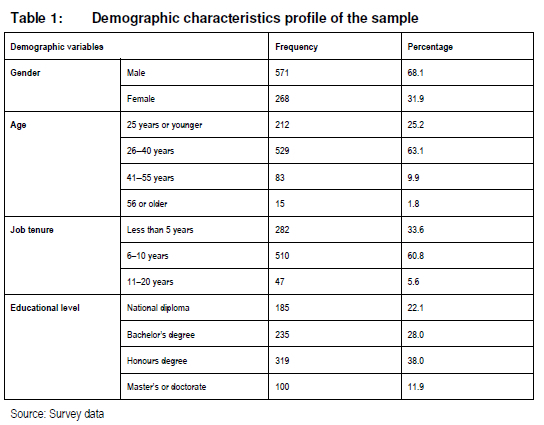
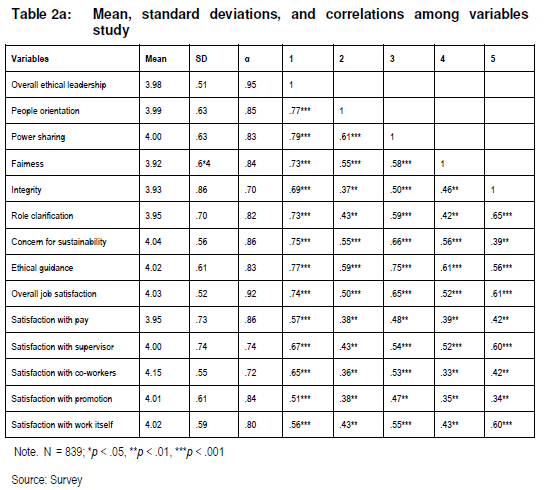
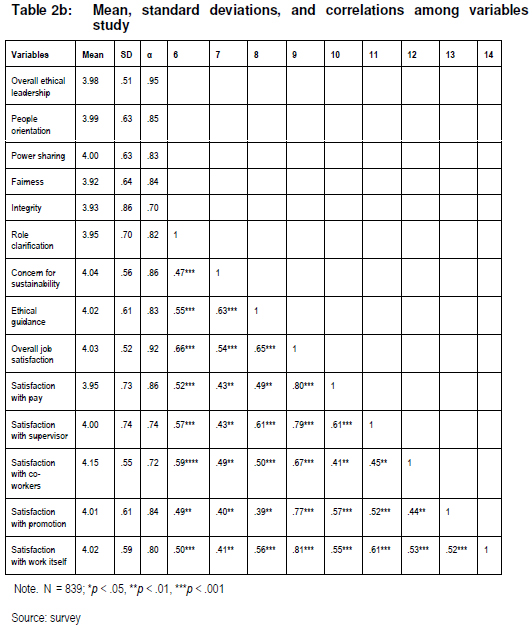
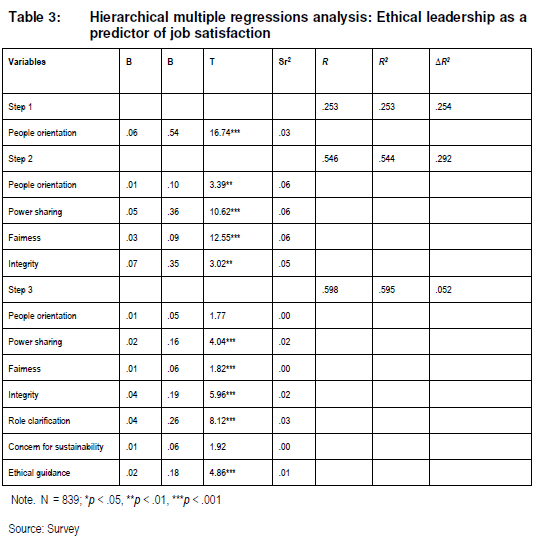
This study examined the relationship between employees' perceptions of the ethical behaviour of their leaders and their self-rated levels of job satisfaction. A convenience sample (n = 839) consisting of permanent employees in a railway organisation in the Democratic Republic of Congo was used. As measurement instruments, the Ethical Work Leadership Questionnaire (EWLQ) and the Job Satisfaction Questionnaire (JSQ) were administered. Data were analysed using stepwise multiple regression to predict the relationship between the two variables. The results indicated that the leaders' perceived ethical behavioural dimensions related positively to the employees' job satisfaction, and that the leaders' perceived ethical behaviour dimensions predicted the employees' job satisfaction. The results can be seen as an important step towards understanding the relationship dynamics between leaders and followers in this DRC organisation, which may be applicable to other, similar organisations in developing countries. The results can be used to structure future leadership and staff development, for example, to enhance leaders' awareness of their ethical responsibility towards the organisation, as well as to facilitate their followers' job satisfaction and, ultimately, psychological well-being. It is suggested that future research focus strongly on the facilitation of ethical awareness and behaviour, as well as how it influences followers' psychological wellness in terms of, amongst others, engagement, resilience, coping behaviour, and job performance.
Behaviour; Democratic Republic of the Congo; ethical leaders and job satisfaction