The Effects of Leadership Style on Job Satisfaction in the Logistics Industry in the Gauteng Province
Abstract
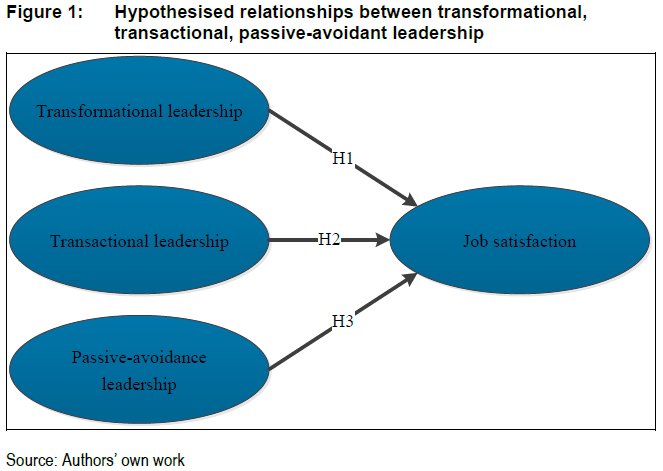
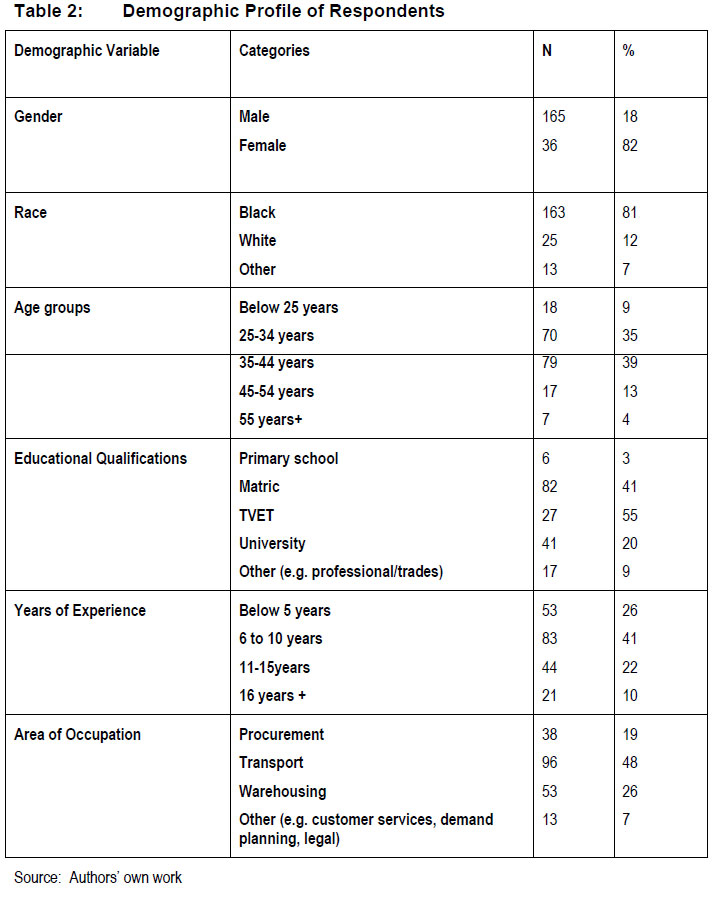
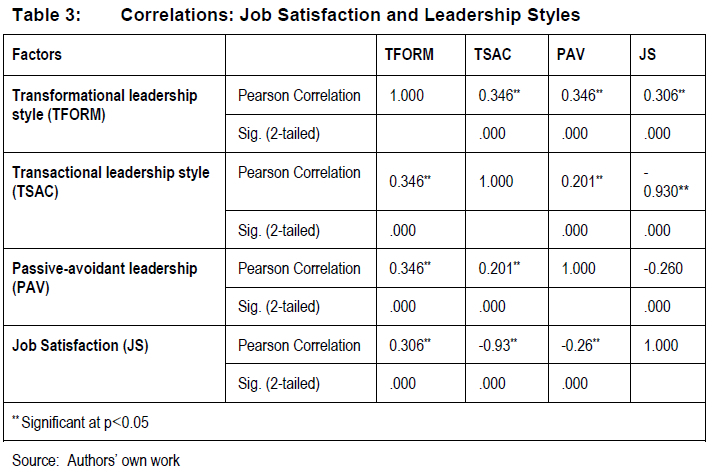
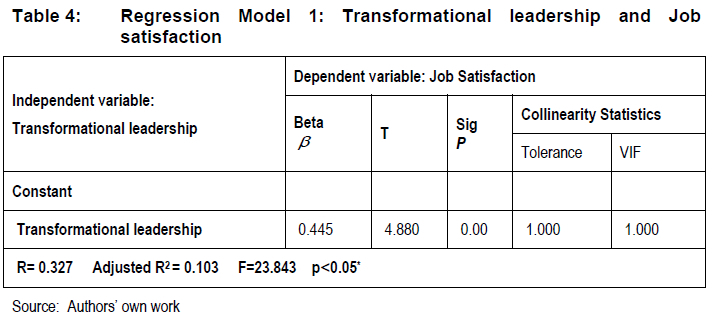
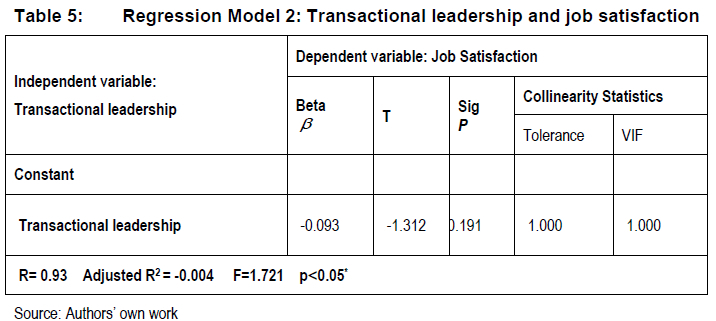
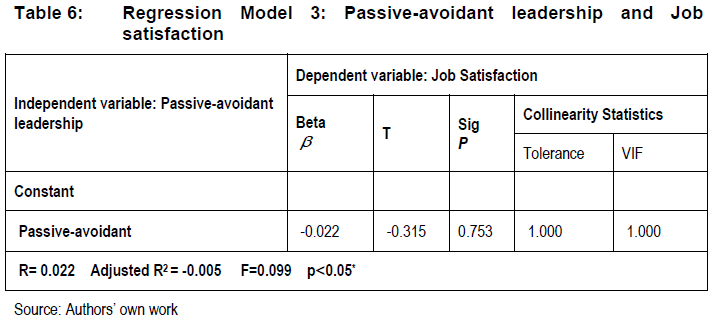
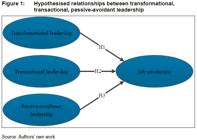
Logistics as a business function continues to gain preeminence in driving the South African economy by facilitating the movement of goods and people. Numerous challenges are experienced by businesses operating in the logistics industry, which limit their performance. Leadership aspects of logistics have become an important determinant of the performance of this activity. The study examined the relationship between leadership styles and job satisfaction in the logistics industry in the Gauteng province. Two hundred and one (201) logistics professionals were surveyed using a structured questionnaire consisting of the Multifactor Leadership Questionnaire and the Satisfaction with Job Facets Questionnaire. The collected data were analysed using descriptive statistics, Pearson correlations and regression analysis. Transformational leadership was moderately and positively correlated to job satisfaction. Transactional and passive-avoidant leadership were both negatively correlated to job satisfaction. In the regression analysis, only transformational leadership predicted job satisfaction. Hence, within the logistics industry, job satisfaction can be improved through positive adjustments of transformational leadership as well as by minimising the degree of both transactional and passive-avoidant leadership.
Job satisfaction; transactional leadership; transformational leadership and passive-avoidant leadership
 Thumbnail