Board characteristics and earnings management of selected listed manufacturing firms in Nigeria
Abstract
PURPOSE OF THE STUDY: The prevalent practice of earnings management (EM) among Nigerian firms is driven most especially by board characteristics. This undermines the financial transparency and investors' confidence. This study, therefore, examined the effect of board characteristics on the EM of listed manufacturing firms in Nigeria. DESIGN/METHODOLOGY/APPROACH: The study employed a purposive sampling technique to select 24 listed manufacturing firms in Nigeria from 2012 to 2021. Data was sourced from the audited annual reports and accounts of the selected firms. The study used panel data regression analysis to analyse the data. FINDINGS: This study discovered that board female gender diversity and firm age had a positive and significant effect on EM. In contrast, board independence, Big 4 audit firm and leverage exhibited significant negative effects on EM. These findings suggest that certain board characteristics can mitigate earnings manipulation, thereby enhancing the integrity of financial reporting. RECOMMENDATIONS: The study recommends that firms prioritise board independence and gender diversity to promote ethical financial reporting and reduce earnings management. It also emphasises the continued use of Big 4 auditors to ensure high-quality financial reporting. The findings contribute to the existing knowledge on corporate governance in emerging markets and offer insights for strengthening regulations on board composition and financial transparency. MANAGERIAL IMPLICATIONS: The findings have significant implications for management, particularly in enhancing corporate governance structures. By focusing on independent boards and diverse gender representation, firms can improve their financial reporting, thereby building stronger investor confidence and fostering stakeholder trust. LIMITATION OF THE STUDY: The study is confined to publicly traded manufacturing firms in Nigeria, thereby limiting the relevance of the results to other sectors or nations, especially those beyond emerging markets. JEL CLASSIFICATION: G20.
Board Characteristics; corporate governance; earnings management; manufacturing firms; Modified Jones Model
1. INTRODUCTION
Corporate governance has emerged as a prevalent and contentious topic in recent decades, driven by a rise in corporate scandals and failures, particularly regarding the board of directors' role in boosting firm performance. Cases of accounting fraud have undermined investors' confidence in companies. As a result, several nations have sought to create effective corporate governance systems to guarantee business transparency and combat accounting fraud (Cho & Chung, 2022). The corporate governance mechanism aims to advance all stakeholders' interests without favouring any one stakeholder over another. The board of directors is regarded as a major constituent of the corporate governance framework for ensuring that shareholders' and management's interests are aligned and is also tasked with managing the company and its operations (Ogundele et al., 2022).
According to Cadbury (1992), corporate governance is regarded as mechanisms, processes and relations by which corporations are controlled and directed. The board's characteristics refer to specific features and the composition of the board of directors of an entity. The board exercises governance and manages the firm's activities and operations, not the owners (shareholders) of the business. In a bid to enhance financial reporting quality and thereby improve investors' confidence, the board of directors must uphold good governance. In an increasingly competitive market, the board must safeguard shareholders' interests while upholding managerial accountability and professionalism to achieve strong company performance. Effective corporate governance mitigates the adverse effects of EM and reduces the risk of fraudulent and creative financial reporting (Beasley, 1996). The frequency of excessive fraud, earnings management and other financial crimes in Nigeria has cast doubt on corporate governance practices and their capacity to serve their intended purposes (Nwosu et al., 2026).
Earnings management has emerged as a vital issue in corporate governance, often undermining stakeholders' trust and the reliability of financial reporting. The practice involves manipulating financial statements to meet specific targets, thereby distorting a company's true financial health (Pathak et al., 2014; Ogundele, 2026). Earnings management (EM) is defined as the deliberate misrepresentation of an enterprise's financial condition accomplished through intentional misstatement or omission of amounts or disclosure in the financial statement to deceive financial statement users (Fowler, 2023). Healy and Wahlen (1999) contended that earnings management (EM) occurs when managers utilise their discretion in financial transactions and reporting structures to manipulate financial statements, either to mislead specific stakeholders about the company's true economic and financial performance or to influence contractual outcomes dependent on reported accounting figures. Therefore, organisations must endeavour to disclose transparent financial information so that stakeholders and shareholders can track their financial performance and make informed investment decisions. EM can erode investor trust if financial statements are perceived as unreliable (Dang, 2022).
Stakeholders are often misinformed about a business's efficacy and profitability when aggressive earnings management is practised. Aggressive earnings management, in its most severe form, may involve actions that could be deemed immoral and illegal. Many businesses use earnings management to either maintain stable earnings growth or avoid disclosing poor performance (Graham et al., 2005). The company's shareholders entrust its managers with the responsibility of managing their resources. The shareholders want management to make the optimum use of it to improve its earnings. As a result, managers may feel under pressure to preserve or boost the firm's earnings, given the trust shareholders have placed in them.
The subject of EM has gained more attention from the government, the general public, accounting professional associations, among others, as a result of high-profile corporate governance scandals involving firms such as Enron, Satyam Computers, WorldCom and Parmalat. The majority of these corporate governance scandals are classified as major accounting scandals because weaker boards and a lack of corporate governance, in general, led to material financial statement misstatements used to conceal the company's true financial information. Earnings management, a pervasive concern in corporate governance, has extensive consequences for financial transparency, investor confidence, and the overall health of the Nigerian manufacturing industry. In Nigeria, where the manufacturing industry plays a critical role in the economy, exploring factors that contribute to or mitigate earnings management practices among listed manufacturing firms is essential. Specific challenges, including financial scandals, deliberate earnings manipulation, and weak financial reporting processes, among others, necessitate a comprehensive study. These challenges include inquiries about how board features, such as board meetings, board independence, and board size, among others, affect EM. Also, studies have shown that the composition of the board of directors can influence the extent of EM (Saona et al., 2020; Huang et al., 2021; Dang, 2022).
Also, the dynamics of the Nigerian manufacturing sector, characterised by unique governance structures, regulatory environments, and economic challenges, and which does not have a uniform accounting year-end compared to the Nigerian financial sector, warrant a dedicated exploration of how board characteristics influence management's decision to engage in earnings manipulation. This research gap raises questions about the effectiveness of the directors in minimising EM practices within Nigerian manufacturing companies. Therefore, this paper seeks to address the research question: "How do board characteristics influence the prevalence and magnitude of earnings management practices in selected listed manufacturing firms in Nigeria?" Furthermore, the findings could offer valuable insights for regulators, policymakers and industry practitioners to enhance corporate governance practices and mitigate the risks associated with earnings manipulation, ultimately leading to more reliable and transparent financial reporting within the sector.
2.1 Conceptual review
2.1.1 Board characteristics
In the context of corporate governance, board characteristics include composition, organisational structure, and traits of an organisation's board of directors. The duty of overseeing and supervising the firm's administration and of promoting the interests of its investors is vested in the board. Boards must possess the proper qualities to carry out their responsibilities and obligations effectively for corporate governance to be effective. Among other things, the term "board characteristics" refers to the board's independence, meetings, size, and gender diversity. Businesses used board directors as a corporate governance instrument to reduce agency conflicts between owners and management (Cho & Chung, 2022). The board of directors is responsible for providing policy and strategic direction and overseeing the organisation's performance (Kiptoo et al., 2021). Ibrahim and Danjuma (2020) found that among Nigerian commercial banks, there is a noteworthy correlation among board composition, board size, and corporate governance practices. Obigbemi et al. (2016) evaluated the function of board structures in reducing EM in Nigerian enterprises. The current study examined how board composition affected the profitability of listed Nigerian manufacturing companies from 2012 to 2021. This research examines several board features, for instance, gender diversity, board size, board meetings and independence.
2.1.2 Earnings management
Earnings management (EM) is a managerial behaviour in which the maximisation of shareholder profits is not prioritised (Cho & Chung, 2022). Managers manipulate profits rather than disclose a company's legitimate earnings. Schipper (1989) stated that EM is the manipulation of financial reporting by managers for their own financial gain. Also, Scott (2009) described EM as a way by which the accounting officer influences profits to meet a definite earnings target. In this study, we explored the definition of EM as proposed by Healy and Wahlen (1999) as "...managers' use of judgment in financial reporting and in structuring transactions to alter financial reports to either mislead some stakeholders about the underlying economic performance of the company or to influence contractual outcomes that depend on reported accounting numbers." EM denotes the premeditated alteration of financial statements by management to get particular financial results, frequently to fulfil earnings targets or sway shareholder opinions. While it may fall within legal accounting practices, it raises ethical concerns because it can mislead stakeholders and compromise the quality of financial reporting. EM can be viewed from two distinct perspectives: the information perspective, initially presented by Holthausen et al. (1995), holds that managers use managerial discretion to disclose to investors their personal expectations regarding the firm's future cash flows, while the opportunistic perspective maintains that managers aim to deceive investors.
2.2 Hypothesis development
2.2.1 Board size and earnings management
Board size is a significant variable that can influence the board's monitoring ability. It indicates management ability and expertise, which may improve the quality of corporate governance information disclosure (Khatib et al. 2021). Endrikat et al. (2021) agree that the board size is related to the EM. A larger board composed of more professionals with diverse knowledge and skills will improve corporate governance practices and enable the board, including management, to discharge their duties and responsibilities in accordance with corporate governance codes (Kiptoo et al., 2021). According to Kiptoo et al. (2021), organisations with sizable boards may also struggle with poor management techniques and group coordination. Larger boards are often associated with higher levels of earnings management due to coordination and communication challenges (Dokas, 2023). Bala and Kumai (2015) examined the impact of board composition and EM on food and beverage companies listed in Nigeria between 2009 and 2014. The results demonstrated that while board meetings, board size, and financial expertise all negatively affected the EM, board composition and the percentage of women in directorship were positively and significantly correlated with EM of listed Nigerian food and beverage companies. Endrikat et al. (2021) found that larger boards exhibit lower levels of discretionary accruals, whereas larger boards, on the other hand, suffer from agency issues (direct or free riding) as they neglect their controlling and monitoring responsibilities (Khatib et al., 2021). These results support the researchers' hypothesis that a larger board of directors will enable it to more effectively oversee the corporation's managers and minimise EM. As a result, the following was determined.
H1: There is a negative relationship between board size and EM.
2.2.2 Board gender diversity and earnings management
A diverse board of directors, in terms of gender, age, culture, race, skills, knowledge, experience, and expertise, significantly improves corporate management (Francis et al., 2015). It is claimed that gender diversity, which is often proxied by the percentage of women on boards, improves EM. Gull et al. (2018) reported a negative relationship between EM and female executives (CFOs and CEOs), with the effect stronger for female CFOs than for female CEOs. According to research on Anglo-Saxon nations, companies with more women on their boards typically practice less EM, according to Pavlović et al. (2022). This phenomenon is attributed to psychological differences between genders, as women are often regarded as having greater ethical sensitivity and a stronger consideration for consequences. In Nigeria, Research indicates that board gender diversity improves earnings quality (Oyerogba et al., 2024) and reduces earnings management in consumer goods companies (Joseph et al., 2023).
H2: There is a negative relationship between board gender diversity and EM
2.2.3 Number of board meetings and earnings management
Board meetings are the number of times that the board members meet each year. The frequency of meetings is crucial because it fosters cooperative and mutually agreeable decision-making, expands understanding of the organisation's financial and non-financial status, and enables effective control improvement (Eluyela et al., 2018). The absence of board meetings prevents the board from discussing EM-related issues. Gulzar and Wang (2011) stated that a board that meets regularly should be able to monitor board business to manage profits more effectively. Agustia et al. (2022) confirm a negative relationship between joint board-management meetings and EM, albeit with lower statistical significance. Numerous scholarly investigations have established a significant correlation between the number of board meetings and an organisation's financial performance (Ali & Oudat, 2021). Frequent board meetings have been found to negatively and significantly impact EM in Nigerian manufacturing firms, suggesting their effectiveness in curbing earnings manipulation practices (Ogullah & Sylva, 2022). However, Mardianto et al. (2024) reported contrary findings in the non-financial sector, highlighting potential contextual differences. In this regard, the following theory is put out by this study.
H3: There is a positive relationship between the number of board meetings and EM.
2.2.4 Board independence and earnings management
Board independence is typically proxied by the proportion of non-executive directors (NED) to the total number of directors. Due to the board's independence, it has no dealings with the companies. Independent directors have a better chance of standing up to the CEO in a bid to guard the interests of the shareholders (ElHawary & Hassouna, 2021). Board independence is vital because it enhances the board's effectiveness as a control mechanism and strengthens corporate governance practices (Aslam & Haron, 2020). The board's independence can help restrain managers from abusing power, protect investors' interests, and effectively limit earnings management. Having a sufficient number of NEDs on the board facilitates the preparation and presentation of reliable financial reports certified by a qualified auditor. High-quality financial reporting is said to be enhanced by board independence, as non-executive directors provide efficient oversight. However, numerous studies reported mixed results (Wasan & Mulchandani, 2020), and some found that board independence is less likely to involve financial statement manipulation (Sanyaolu et al., 2021; Türegün, 2018). Studies (Sanyaolu et al., 2021; Türegün, 2018) found that adverse relationships exist between the percentage of independent directors and EM amongst firms on the Istanbul Stock Exchange. Findings revealed that the authors expect that the more independent the board, the more effectively it will monitor management activities and limit EM. This study proposed the following hypothesis.
H4: There is a positive relationship between board independence and EM.
2.3 Theoretical framework
This research explored agency theory as a framework to examine how board composition affects earnings management in Nigerian manufacturing firms listed between 2012 and 2021. According to agency theory, the board pays agency fees to monitor managers' behaviour and to oversee executive decisions and financial reporting procedures (Talbi et al., 2015). In the relationship between a shareholder and an agent, shareholders provide managers with appropriate incentives and cover the cost of monitoring to curb managers' aberrant behaviour. The rationale underlying the division of control and ownership is that shareholders own a company, and management acts as their representative to optimise shareholder value (Cho & Chung, 2022). Information asymmetry could exist between shareholders and agents. Cho and Chung (2022) assert that this asymmetry empowers actors to participate in betrayal, evasion, and other self-serving behaviours. Consequently, the agents do not consistently act in the shareholders' optimal interests in their interactions with them. Agency theory holds that because of coordination and communication problems in large boards, managing managers of organisations with large boards are likely to be less successful (Talbi et al., 2015). According to the agency theory, board size affects its effectiveness (Githaiga et al., 2022). In a similar vein, the agency theory holds that an efficient independent board member can regulate earnings management practices and thereby lower agency costs (Nazir & Afza, 2018). Similarly, increasing the number of non-executive directors could help reduce agency conflicts.
3. METHODOLOGY
3.1 Research design
The study employed both an ex post facto and a longitudinal research design. The ex post facto approach was considered appropriate, as the required data on the variables of interest were readily available from audited financial reports of the selected firms. In addition, a longitudinal design was employed, as the data were panel data, covering 24 cross-sectional units over the period 2012 to 2021. The research population consists of 47 manufacturing enterprises listed on the Nigerian Exchange Group (NXG) as of 2021. The study employed purposive sampling, selecting 24 manufacturing companies whose stocks were actively traded on the stock market during the study period and for which the required data were readily accessible. The selected company's audited financial statements provided the data.
This study explored secondary data. The information was gathered from the audited annual reports of the companies and covered the relevant study period of 2012 through 2021. The information about earnings management, gender diversity, board meetings and board size. board independence, leverage, firm age, big four audit firm, firm size and return on assets were gathered from the audited annual report and accounts and are relevant to the study. Equation 3.1 describes the panel data underlying the specific model for this investigation.
EMit = BSZit + BGDit + BMTit + BINit + AGEit + BIG4it + LEVit + SIZit + ROAit + εit ... (3.1)
3.2 Measurement of variables
3.2.1 Dependent variable
Earnings Management (EM) is the dependent variable. This study employed the modified Jones model to estimate discretionary accruals as a metric of EM severity, drawing on prior studies (Dechow et al., 1995). The Model is utilised for its robustness in detecting discretionary accruals by adjusting for revenue-related changes unrelated to management's discretion, thereby improving the accuracy of earnings management estimation compared to traditional models (Dechow et al., 1995). It effectively isolates intentional earnings manipulation while accounting for normal business operations.
 Where:
TAt, or total accruals, is calculated as the difference between operational cash flows from activities and net profit. At-1-total assets at the year-end t-1; PPEt-property, plant, and equipment at the end of the year; ΔRECt-the difference in net receivables in year t and year t-1; ΔREVt-the difference in operating revenues in year t and year t-1.
4. FINDINGS AND DISCUSSION
4.1 Descriptive statistics
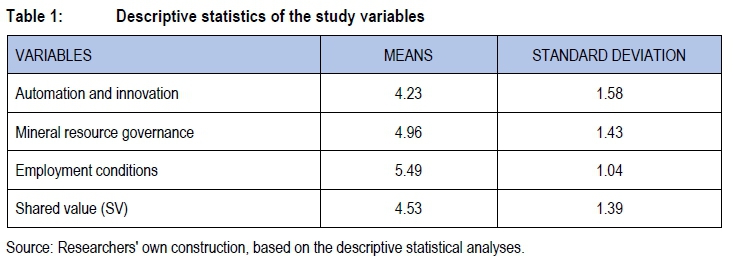
Table 1 presents descriptive statistics for the main variables in this study, offering insights into each. The table presents measures of central tendency, variability, and distributional shape for the variables explored in the study. The statistics offer a comprehensive overview of the dataset, setting the stage for subsequent analyses.
The average value of the board independence is 71. This suggests that, on average, board directors have a relatively high level of independence, which is often associated with a substantial number of independent directors that does not seem to be associated with the firm. The minimum board independence score is 38, while the maximum value is 93. This standard deviation is 13.65, while the skewness is -0.42. The negative skewness of -0.42 signifies that the distribution of board independence scores is marginally skewed to the left. It suggests that there may be more companies with relatively higher board independence scores than those with lower scores. The average number of times the board met in a fiscal year is 4. It provides insight into the frequency of formal board meetings held by these companies. The positive skewness and high kurtosis suggest a distribution with a peak and heavy tails, possibly indicating that some companies hold significantly more board meetings than others.
The mean board size is 10. This implies that, on average, companies in the dataset have approximately 10 members on the board of directors. The standard deviation of 2.89 suggests that most board sizes are relatively close to the mean (10), but there is variability, and some firms have significantly smaller or larger board sizes. The statistics for Board Gender Diversity reveal that, on average, companies have approximately 15 per cent of their members contributing to gender diversity on their boards, with a minimum of 0 (indicating a potential lack of gender diversity) and a maximum of 50 per cent. The data exhibit moderate variability, as indicated by a standard deviation of 10.86. The distribution's slight negative skewness of -0.02 indicates near symmetry, suggesting comparable occurrences of both lower and higher gender diversity. A moderately peaked shape (kurtosis of 2.40) indicates that the distribution's tails are closer to a normal distribution.
4.2 Correlation analysis and variance inflation factor
The correlation analysis and Variance Inflation Factor (VIF) assessment examined the relationships between the variables and evaluated potential multicollinearity in the regression model. The pairwise correlation coefficients for the study variables are presented in Table 3. A correlation of less than 0.9 cannot result in significant multicollinearity problems, according to Hair et al. (2014).
Additionally, as shown in Table 4, the study investigated VIF, which is used to evaluate multicollinearity in regression analysis. Significant correlations among independent variables in a regression model are termed multicollinearity. This may result in inaccurate and unstable coefficient estimations. A higher VIF value indicates greater multicollinearity, with a threshold typically set at approximately 5 or 10. Field (2005) and Hair et al. (2006) proposed that the threshold for VIF values be set at 10. Based on the VIF values provided, there doesn't appear to be a significant multicollinearity issue in the regression model. The VIF values are generally low, indicating that the variables are not highly correlated. This is a positive sign for the reliability of the regression analysis results.
4.3 Hausman test
The suitability of the random effects model relative to the fixed effects model was assessed using the Hausman (1978) specification test. The test yielded statistically significant p-values (p < 0.05) in both cases. Consequently, the fixed-effect model was deemed more suitable and adopted for the analysis. The panel data regression, conducted in Eviews, used a fixed-effects specification to generate the reported results.
4.4 Regression analysis
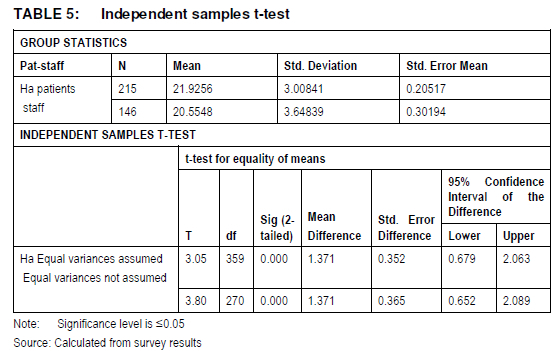
The regression analysis, as revealed in Table 5, highlights the relationships among board features, control variables, and the dependent variable, earnings management (EM). The regression analysis in Table 4. shows that the explanatory (board features & control) variables (BIN, BMT, BSZ, BGD, AGE, SIZ, LEV, AUD, & ROA) account for 52% of the variation in the dependent variable (EM), with a coefficient of determination (R Square) of 0.52 (52%) At the 1% significance level, the F-statistic of 3.96185 is statistically significant (p = 0.000), indicating that the overall model is well-fitted and that the explanatory variables are jointly significant in explaining the dependent variable. Consequently, there is a significant relationship between the explanatory variables and the dependent variable.
The findings indicated that board independence and EM are negatively associated (coefficient = -0.0244, t-value = -3.9254, p-value = 0.0001). Additionally, Klein (2006) and Davidson et al. (2005) state that there is a negative relationship between board independence and earnings management. Independent directors are more likely to provide effective oversight, reducing the likelihood of earnings management. This is supported by multiple studies showing a significant negative association between board independence and earnings management(Idris et al., 2018; Al-Sraheen & Al Daoud, 2018). Because board independence and EM have a negative relationship, companies with more independent boards may be better at limiting or stopping earnings management practices. It is often believed that independent board members are more devoted to shareholders' interests, which can lead to more ethical and transparent financial reporting. Businesses with more independent boards may place greater value on moral conduct and transparent accounting. This can be seen as a positive signal to investors and stakeholders. Also, independent directors are typically less tied to the firm's management and are more likely to critically evaluate financial decisions and reporting practices. Their objective perspective can lead to increased scrutiny and a lower tolerance for EM. The result aligns with Githaiga et al. (2022).
The idea that having a "Big Four" auditor has a significant negative effect on EM suggests that companies that are audited by one of the four largest accounting firms (PwC, EY, KPMG, Deloitte) are less likely to participate in EM practices (coefficient = -1.0436, t-value = -2.7189, p-value = 0.0075). The negative relationship between the use of a Big 4 audit firm and EM implies that companies audited by these firms may have higher financial reporting quality and stronger oversight mechanisms. The result aligns with that of Mokoaleli-Mokoteli and Iatridis (2017). The Big Four auditors are well-established and have strong reputations. Companies audited by these firms might be more concerned with maintaining their credibility and avoiding earnings management to preserve their reputations. Also, having a Big Four auditor can instil greater confidence in investors and stakeholders. Companies may be more cautious about engaging in earnings management to maintain investor trust and attract capital. Big Four auditors are often associated with higher audit quality and rigorous financial statement scrutiny. This can serve as a deterrent to companies that manipulate earnings, as they are more likely to be detected.
The findings revealed a negative relationship between leverage (LEV) and EM, with a coefficient of -0.0113, a t-value of -2.8800, and a p-value of 0.0047. The negative relationship between leverage and EM suggests that firms with higher leverage (more debt) might engage in more conservative financial reporting practices to manage their financial risk and avoid potential violations of debt covenants. Companies with higher leverage may be motivated to avoid aggressive earnings management to prevent negative consequences that could affect their debt agreements and credit ratings.
The study also discovered indications of a favourable correlation between gender diversity and EM. More gender diversity on the board appears to be associated with higher levels of EM techniques, as indicated by the coefficient of 0.0235, t-value of 2.3846, and p-value of 0.0187. In the context of the investigated Nigerian manufacturing companies, this result defies assumptions and some current literature by suggesting that a higher representation of women on boards may contribute to increased EM practices. However, the result aligns with some literature (Luo & Jeyaraj, 2019). The positive coefficient and statistically significant p-value indicate that firm age also plays a critical role in influencing the extent of EM (coefficient = 0.0797, p-value = 0.0392). The findings could highlight the relevance of effective corporate governance and transparency, especially for older firms, to minimise the potential for earnings management. These results could raise concerns from regulatory bodies and auditors. If older companies tend to engage in EM, it might indicate weaknesses in internal controls or a need for more stringent oversight.
5. MANAGERIAL IMPLICATIONS
The findings of the study have very significant managerial implications for manufacturing firms, especially in Nigeria. First, the significant effects of board independence, leverage and Big 4 audit firms on earnings management suggest that managers should strengthen the corporate governance structure by increasing the proportion of independent directors on the board and engaging reputable external auditors. Independent directors provide objective oversight and are more likely to challenge opportunistic financial practices, while Big 4 auditors enhance the credibility and quality of financial statements through rigorous audit procedures. These measures can reduce earnings manipulation, improve financial transparency and strengthen investor confidence. Furthermore, the positive relationship between board gender diversity and EMA reveals that simply increasing female representation on boards may not automatically enhance financial reporting quality. Managers should therefore focus not only on board diversity but also on ensuring that board members possess the necessary experience, expertise and independence to effectively monitor management activities. The positive effect of firm age on EMA also suggests that older firms may face greater incentives or opportunities to manipulate earnings, highlighting the need for stronger internal controls, enhanced regulatory oversight and continuous governance reforms. Overall, managers should adopt a balanced governance approach that combines board independence, high-quality auditing, effective diversity policies and robust monitoring mechanisms to promote ethical financial reporting and sustain stakeholder trust.
6. CONCLUSION
This study employed an ex post facto and longitudinal research design to examine the effect of board characteristics on EM in listed manufacturing firms in Nigeria over the period 2012 to 2021. The study used purposive sampling to select 24 actively traded manufacturing firms from the Nigerian Exchange Group (NXG) as the sample. Data were obtained from the audited annual report and accounts of the selected manufacturing companies.
The correlation analysis revealed negligible overall correlations (less than 0.6) among the variables, indicating no serious multicollinearity issues. The study used the Hausman test, which indicated the superiority of the fixed-effects model based on significant p-values (p < 0.05). Consequently, the fixed-effects model was employed in the panel data regression.
The regression analysis showed that board independence (BIN) was negatively associated with EM, suggesting that firms with more independent boards are likely to constrain EM activities. The presence of a "Big Four" auditor was negatively associated with earnings management, suggesting that such auditors are associated with higher-quality financial reporting. Leverage (LEV) showed a negative relationship with EM, suggesting that highly leveraged firms may engage in conservative financial reporting. Firm age showed a positive relationship with EM, suggesting the need for effective corporate governance and transparency, particularly among older firms.
Based on these findings, recommendations are made. Firms should prioritise board independence and gender diversity to enhance ethical, transparent financial reporting practices, ultimately improving investor confidence and stakeholder trust. Firms audited by the "Big Four" should continue to leverage their reputations for higher-quality financial reporting. Regulatory bodies and auditors should pay special attention to older firms to ensure the effectiveness of corporate governance practices and to minimise potential EM risks. Regulators and policymakers might also consider encouraging or mandating higher levels of board independence to mitigate EM practices in the corporate sector. Regulatory bodies may impose stricter regulations and penalties to curb EM practices. Future research could explore additional contextual factors affecting earnings management and expand industry coverage to provide more comprehensive insights into the phenomenon.
Conflict of interest: The authors declare no conflict of interest with respect to the research, authorship and publication of the article.
Data availability: The data used for this article can be found in annual reports and accounts of the selected listed companies.
Ethical clearance and informed consent statement: The study did not involve any human interaction.
Funding: The authors did not receive any financial support for research, authorship and publication of the article.
REFERENCES
2. LITERATURE REVIEW
-
Agustia, D., Harymawan, I., Nasih, M. & Nowland, J. (2022). Joint board management meetings and earnings management. Asian Review of Accounting, 30(4), 540-558. https://doi.org/10.1108/ara-09-2021-0165
» https://doi.org/10.1108/ara-09-2021-0165 -
Akanni, G. D., Salawu, R. O., Ogundele, O. S., & Ewesesan, N. B. (2025). Board characteristics and integrated reporting quality in Nigeria and South African manufacturing firms. International Journal of Economics and Financial Issues, 15(6), 490-498. https://doi.org/10.32479/ijefi.20171
» https://doi.org/10.32479/ijefi.20171 -
Ali, B.J. & Oudat, M.S. (2021). Board characteristics and intellectual capital performance: Empirical evidence of Bahrain commercial banks. Academy of Accounting and Financial Studies Journal, 25(4), 1-10. https://dx.doi.org/10.2139/ssrn.5147096
» https://dx.doi.org/10.2139/ssrn.5147096 -
Al-Sraheen, D.A.D. & Al Daoud, K.A. (2018). Does the presence of independent directors reduce the practices of earnings management? The moderating role of family ownership concentration. Ekonomski Pregled, 69(6), 638-654. https://hrcak.srce.hr/216009
» https://hrcak.srce.hr/216009 -
Aslam, E. & Haron, R. (2020). Does corporate governance affect the performance of Islamic banks? New insights into Islamic countries. Corporate Governance: The International Journal of Business in Society, 20(6), 1073-1090. https://doi.org/10.1108/CG-1120190350
» https://doi.org/10.1108/CG-1120190350 - Bala, H. & Kumai, G.B. (2015). Board characteristics and earnings management of listed food and beverage firms in Nigeria. European Journal of Accounting, Auditing and Finance Research, 3(8), 25-41.
- Bassiouny, S.W. (2016). The impact of firm characteristics on earnings management: An empirical study on the listed firms in Egypt. Journal of Business and Retail Management Research, 10(3), 34-45.
-
Beasley, M.S. (1996). An empirical analysis of the relation between the board of director composition and financial statement fraud. Accounting Review, 71(4), 443-465. https://www.jstor.org/stable/248566
» https://www.jstor.org/stable/248566 - Cadbury Committee. (1992). Report of the committee on the financial aspects of corporate governance. London: GEC
-
Cho, S. & Chung, C. (2022). Board characteristics and earnings management: Evidence from the Vietnamese market. Journal of Risk and Financial Management, 15(9), 1-16. https://doi.org/10.3390/jrfm15090395
» https://doi.org/10.3390/jrfm15090395 -
Dang, A. T. (2022). Impact of corporate governance on earnings management-Experimental evidence on listed commercial banks in Vietnam. Banks and Bank Systems, 17(4), 189-197. http://dx.doi.org/10.21511/bbs.17(4).2022.16-19
» http://dx.doi.org/10.21511/bbs.17(4).2022.16-19 -
Davidson, R., Goodwin‐Stewart, J., & Kent, P. (2005). Internal governance structures and earnings management. Accounting & Finance, 45(2), 241-26. https://doi.org/10.1111/j.1467-629x.2004.00132.x
» https://doi.org/10.1111/j.1467-629x.2004.00132.x -
Dechow, P.M., Sloan, R.G. & Sweeney, A.P. (1996). Causes and consequences of earnings manipulation: An analysis of firms subject to enforcement actions by the SEC. Contemporary Accounting Research, 13(1), 1-36. https://doi.org/10.1111/j.1911-3846.1996.tb00489
» https://doi.org/10.1111/j.1911-3846.1996.tb00489 -
Dokas, I. (2023). Earnings management and status of corporate governance under different levels of corruption-An empirical analysis in European Countries. Journal of Risk and Financial Management, 16(10), 458. https://doi.org/10.3390/jrfm16100458
» https://doi.org/10.3390/jrfm16100458 -
ElHawary, E. & Hassouna, D. (2021). Earnings management determinants: A study of Egyptian listed firm characteristics post the Egyptian revolution. Corporate Governance and Organizational Behavior Review, 5(2), 165-183. https://doi.org/10.22495/cgobrv5i2sip5
» https://doi.org/10.22495/cgobrv5i2sip5 -
Eluyela, D.F., Akintimehin, O.O., Okere, W., Ozordi, E., Osuma, G.O., Ilogho, S.O. & Oladipo, O.A. (2018). Board meeting frequency and firm performance: Examining the nexus in Nigerian deposit money banks. Heliyon, 4(10), e00850. https://doi.org/10.1016/j.heliyon.2018.e00850
» https://doi.org/10.1016/j.heliyon.2018.e00850 -
Endrikat, J., De Villiers, C., Guenther, T.W. & Guenther, E.M. (2021). Board characteristics and corporate social responsibility: A meta-analytic investigation. Business & Society, 60(8), 2099-2135. https://doi.org/10.1177/0007650320930638
» https://doi.org/10.1177/0007650320930638 - Field, A. (2005). Discovering Statistics Using SPSS, Sage Publications Inc.
- Fowler, D. S. (2023). Ethical implications of deceptive earnings management practices. Business Ethics and Leadership, 7(3), 84-96.
-
Francis, B., Hasan, I., Park, J.C. & Wu, Q. (2015). Gender differences in financial reporting decision making: Evidence from accounting conservatism. Contemporary Accounting Research, 32(3), 1285-1318. https://doi.org/10.1111/1911-3846.12098
» https://doi.org/10.1111/1911-3846.12098 -
Githaiga, P.N., Kabete, P.M. & Bonareri, T.C. (2022). Board characteristics and earnings management: Does firm size matter? Cogent Business & Management, 9(1), 2088573 https://doi.org/10.1080/23311975.2022.2088573
» //doi.org/10.1080/23311975.2022.2088573 -
Graham, J.R., Harvey, C.R. & Rajgopal, S. (2005). The economic implications of corporate financial reporting. Journal of Accounting and Economics, 40(1-3), 3-73. https://doi.org/10.1016/j.jacceco.2005.01.002
» https://doi.org/10.1016/j.jacceco.2005.01.002 -
Gull, A.A., Nekhili, M., Nagati, H. & Chtioui, T. (2018). Beyond gender diversity: How specific attributes of female directors affect earnings management. The British Accounting Review, 50(3), 255-274. https://doi.org/10.1016/j.bar.2017.09.001
» https://doi.org/10.1016/j.bar.2017.09.001 -
Gulzar, M.A. & Wang, Z. (2011). Corporate governance characteristics and earnings management: Empirical evidence from Chinese listed firms. International Journal of Accounting and Financial Reporting, 1(1), 131-151. https://doi.org/10.5296/ijafr.v1i1.854
» https://doi.org/10.5296/ijafr.v1i1.854 -
Hair, E., Halle, T., Terry-Humen, E., Lavelle, B. & Calkins, J. (2006). Children's school readiness in the ECLS-K: Predictions to academic, health, and social outcomes in first grade. Early Childhood Research Quarterly, 21(4), 431-454. https://doi.org/10.1016/j.ecresq.2006.09.005
» https://doi.org/10.1016/j.ecresq.2006.09.005 -
Hair Jr, J., Sarstedt, M., Hopkins, L. & G. Kuppelwieser, V., (2014). Partial least squares structural equation modeling (PLS-SEM) an emerging tool in business research. European Business Review, 26(2), 106-121. https://doi.org/10.1108/EBR-10-2013-0128
» https://doi.org/10.1108/EBR-10-2013-0128 -
Hausman, J. A. (1978). Specification tests in econometrics. Econometrica: Journal of the Econometric Society, 46(6), 1251-1271. https://doi.org/10.2307/1913827
» https://doi.org/10.2307/1913827 -
Healy, P.M. & Wahlen, J.M. (1999). A review of the earnings management literature and its implications for standard setting. Accounting Horizons, 13(4), 365-383. https://doi.org/10.2308/acch.1999.13.4.365
» https://doi.org/10.2308/acch.1999.13.4.365 -
Holthausen, R. W., Larcker, D. F., & Sloan, R. G. (1995). Annual bonus schemes and the manipulation of earnings. Journal of accounting and economics, 19(1), 29-74. https://doi.org/10.1016/01654101(94)00376-G.
» https://doi.org/10.1016/01654101(94)00376-G -
Huang, H.L., Liang, L.W., Chang, H.Y. & Hsu, H.Y. (2021). The influence of earnings management and board characteristics on company efficiency. Sustainability, 13(21), 11617.https://doi.org/10.3390/su132111617
» https://doi.org/10.3390/su132111617 -
Ibrahim, U.A. & Danjuma, S. (2020). Effect of corporate governance on the performance of listed deposit money banks in Nigeria. Science Journal of Business and Management, 8(1), 35-40. https://doi.org/10.11648/j.sjbm.20200801.15
» https://doi.org/10.11648/j.sjbm.20200801.15 -
Idris, M., Abu Siam, Y. and Nassar, M., (2018). Board independence, earnings management and the moderating effect of family ownership in Jordan. Management & Marketing, 13(2), 985-994. https://doi.org/10.2478/mmcks-2018-0017
» https://doi.org/10.2478/mmcks-2018-0017 -
Jamaludin, N.D., Sanusi, Z.M. & Kamaluddin, A. (2015). Board structure and earnings management in Malaysian government-linked companies. Procedia Economics and Finance, 28, 235-242. https://doi.org/10.1016/S2212-5671(15)01105-3
» https://doi.org/10.1016/S2212-5671(15)01105-3 -
Joseph, B.G., Abdullahi, M. and Gugong, B.K. (2023). Board characteristics and earnings management of listed consumer goods firms in Nigeria. Gusau Journal of Accounting and Finance, 4(1), 1-17. https://doi.org/10.57233/gujaf.v4i1.197
» https://doi.org/10.57233/gujaf.v4i1.197 -
Kankanamage, C.A. (2016). The relationship between board characteristics and earnings management: Evidence from Sri Lankan listed companies. Kelaniya Journal of Management, 4(2), 36-43. https://doi.org/10.4038/kjm.v4i2.7499
» https://doi.org/10.4038/kjm.v4i2.7499 -
Khatib, S.F., Abdullah, D.F., Elamer, A.A. & Abueid, R. (2021). Nudging toward diversity in the boardroom: A systematic literature review of board diversity of financial institutions. Business Strategy and the Environment, 30(2), 985-1002. https://doi.org/10.1002/bse.2665.
» https://doi.org/10.1002/bse.2665 -
Kiptoo, I.K., Kariuki, S.N., Ocharo, K.N. & Ntim, C.G. (2021). Corporate governance and financial performance of insurance firms in Kenya. Cogent Business & Management, 8(1) 1-17, 1938350. https://doi.org/10.1080/23311975.2021.1938350
» https://doi.org/10.1080/23311975.2021.1938350 - Luo, J. & Jeyaraj, S.S. (2019). Board characteristics and earnings management: Empirical analysis of UK listed companies. European Journal of Accounting, Auditing and Finance Research, 7(5), 27-54.
-
Mardianto, M. & Dwiyanti, W. (2024). Board characteristics and earnings management Assets: Jurnal Ilmiah Ilmu Akuntansi, Keuangan dan Pajak, 8(2), 130-139. https://doi.org/10.30741/assets.v8i2.1242
» https://doi.org/10.30741/assets.v8i2.1242 - Mokoaleli-Mokoteli, T., & Iatridis, G. E. (2017). Big 4 auditing companies, earnings manipulation and earnings conservatism: evidence from an emerging market. Investment Management and Financial Innovations, 14(1), 35-45.
-
Na, Y., Hong, J. & Shin, W. (2021). Board interlocks and earnings management: Evidence from Korean Chaebols. Asia-Pacific Journal of Accounting & Economics, 28(3), 270-292. https://doi.org/10.1080/16081625.2020.1756600
» https://doi.org/10.1080/16081625.2020.1756600 - Nazir, M.S. & Afza, T. (2018). Impact of corporate governance on discretionary earnings management: A case of Pakistani firms. Pakistan Economic and Social Review, 56(1), 157-184.
-
Nwosu, L. I., Ogundele, O. S., & Mahlaule, C. (2026). Audit Fee Determinants: The influence of corporate governance mechanisms in Nigerian banking industry. International Review of Management and Marketing, 16(1), 238-245. https://doi.org/10.32479/irmm.21406
» https://doi.org/10.32479/irmm.21406 -
Obigbemi, I.F., Omolehinwa, E.O., Mukoro, D.O., Ben-Caleb, E., & Olusanmi, O.A. (2016). Earnings management and board structure: Evidence from Nigeria. SAGE Open, 6(3), 1-13 https://doi.org/10.1177/2158244016667992
» https://doi.org/10.1177/2158244016667992 - Ogullah, S. B., & Sylva, W. (2022). Impact of corporate governance structures on earnings management and performance: An empirical investigation of quoted manufacturing companies in Nigeria. Journal of Accounting and Financial Management, 8(5), 18-44.
-
Ogundele, O. S (2026). Environmental Disclosure, Audit Committee Attributes, and Earnings Management of Listed Manufacturing Firms in Nigeria. Gusau Journal of Accounting and Finance 7(1),98-112 https://doi.org/10.57233/gujaf.v7i1.07
» https://doi.org/10.57233/gujaf.v7i1.07 - Ogundele. O. S., Fanimokun, I. O. & Mordi, K. I. (2022). Board characteristics and capital structure of the Nigerian banking sector. International Journal of Innovative Research in Accounting and Sustainability, 7(4), 1-12.
- Ogundele, O.S., Adeoye, E.T., Dada, O. & Bankole, O.E. (2024). Do CEO characteristics influence earnings management? Evidence from the Nigerian banking industry. Adeleke University Journal of Business and Social Sciences, 4(1), 8-21.
-
Oyerogba, O.E., Eyo, O.E., Alamu, J.A., Anjorin, Y.S. & Omojola, O.S. (2024). Board diversity and earnings quality of the listed insurance companies in Nigeria. Journal of Infrastructure, Policy and Development, 8(8), 1-18 https://doi.org/10.24294/jipd.v8i8.3027
» https://doi.org/10.24294/jipd.v8i8.3027 -
Pathak, J., Karim, K. E., Suh, S., & Zhang, Z. (2014). Do characteristics of audit committees and board of directors influence earnings management?. International Journal of Management and Decision Making, 13(4), 356-379. https://doi.org/10.1504/IJMDM.2014.065353
» https://doi.org/10.1504/IJMDM.2014.065353 - Pavlović, V., Knežević, G. & Bojičić, R. (2022). The impact of gender and age on earnings management practices of public enterprises: A case study of Belgrade. Economic Studies, 31(3), 1-20.
- Saleh, N.M., Iskandar, T.M. & Rahmat, M.M. (2005). Earnings management and board characteristics: Evidence from Malaysia. UKM Journal of Management, 24, 77-103.
-
Sanyaolu, W., Siyanbola, T. & Innocent, O. (2021). Corporate governance and liquidity management: Evidence from Nigerian deposit money banks. Iranian Economic Review, 25(4), 791-801. https://doi.org/10.22059/ier.2021.85088
» https://doi.org/10.22059/ier.2021.85088 -
Saona, P., Muro, L. & Alvarado, M. (2020). How do the ownership structure and board of directors' features impact earnings management? The Spanish case. Journal of International Financial Management & Accounting, 31(1), 98-133. https://doi.org/10.1111/jifm.12114
» https://doi.org/10.1111/jifm.12114 - Schipper, K. (1989). Commentary on earnings management. Accounting horizons, 3(4), 91-102.
- Scott, R.W. (2009). Financial Accounting Theory. New Jersey: Prentice Hall: Canada.
- Talbi, D., Omri, M.A., Guesmi, K. & Ftiti, Z. (2015). The role of board characteristics in mitigating management opportunism: The case of real earnings management. Journal of Applied Business Research, 31(2), 661-672.
-
Türegün, N. (2018). Effects of borrowing costs, firm size, and characteristics of board of directors on earnings management types: A study at Borsa Istanbul. Asia-Pacific Journal of Accounting & Economics, 25(1-2), 42-56. https://doi.org/10.1080/16081625.2016.1246192
» https://doi.org/10.1080/16081625.2016.1246192 -
Wasan, P. & Mulchandani, K. (2020). Corporate governance factors as predictors of earnings management. Journal of General Management, 45(2), 71-92. https://doi.org/10.1177/0306307019872304
» https://doi.org/10.1177/0306307019872304