The influence of institutional perceptions on social enterprise outcomes: a South African perspective
Abstract
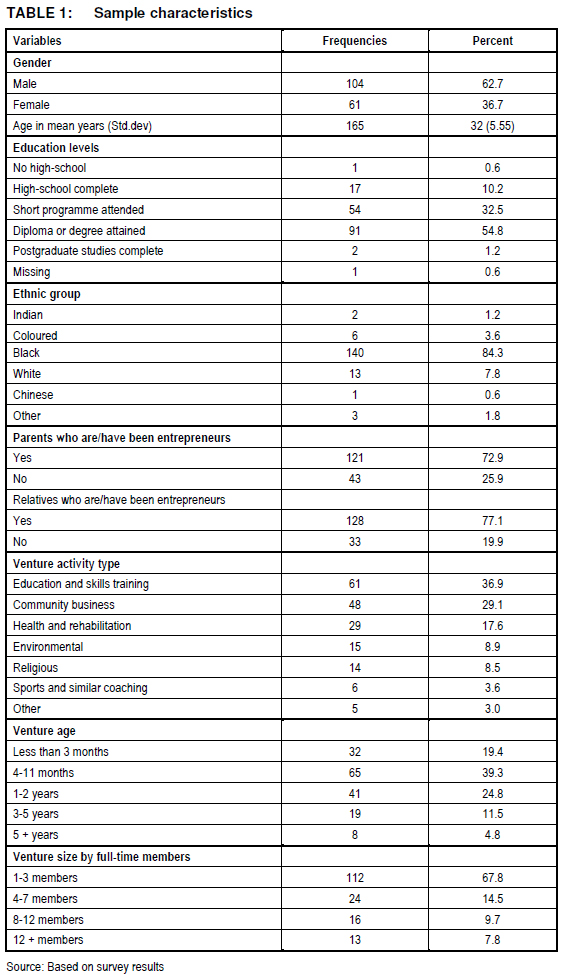
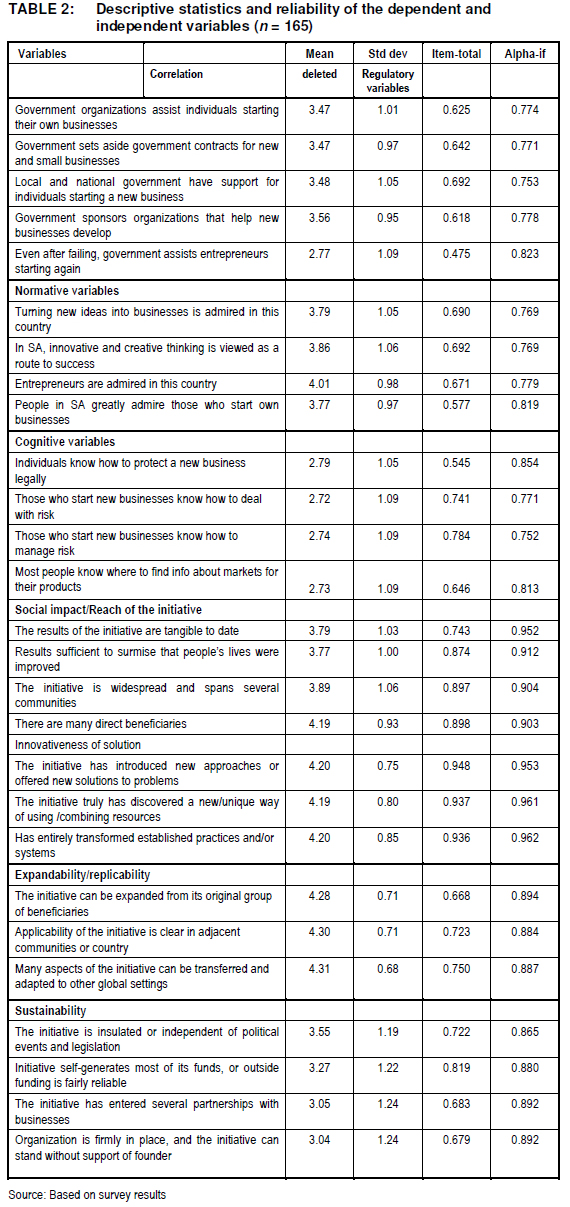
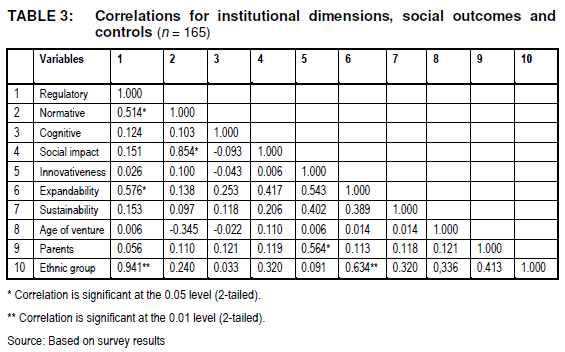
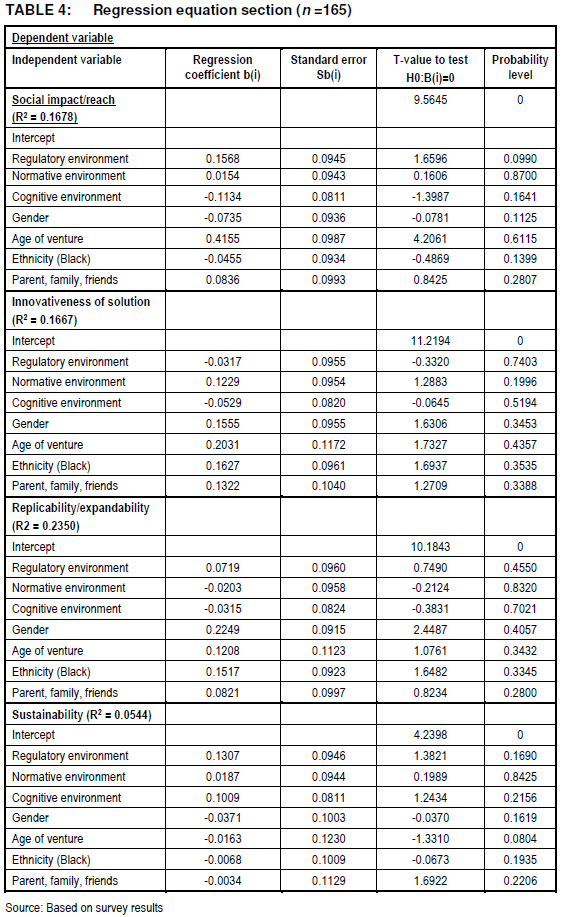
Institutionalist theory can provide an appropriate frame of reference for entrepreneurial behaviour with its emphasis on the role of the regulatory, normative and cognitive environments. This article provides a much needed account of current thinking on social entrepreneurship by running a regression analysis to determine the influence of institutional profiles on social outcomes. The results, from a survey of 165 respondents involved in a variety of social enterprises, indicate positive perceptions of the institutional profiles and outcomes measured in terms of impact, innovativeness of the solution, expandability/replication, and sustainability. The study has important implications as social enterprises offer the promise of empowering marginalised segments of the population in BRICs and emerging economies. The main implications of this study relate to developing a country-specific mix of social enterprise institutional profiles, and recognising that the assessment of social outcomes is critical to the fitness of social enterprises.
emerging market; institutions; social enterprise; social outcomes