Sustainable business practices for SMEs: A bibliometric review of the literature
Abstract
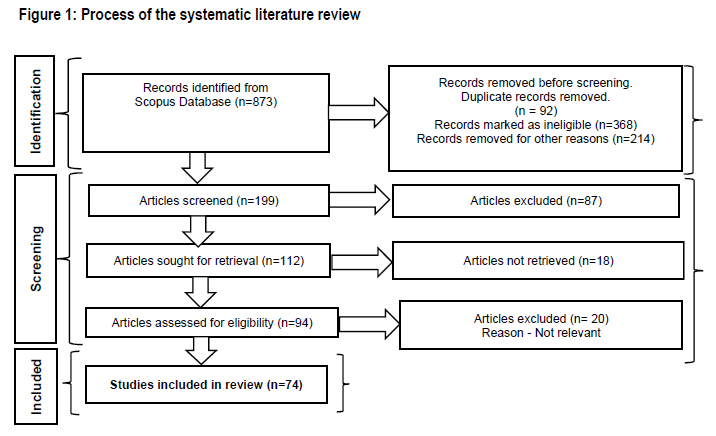
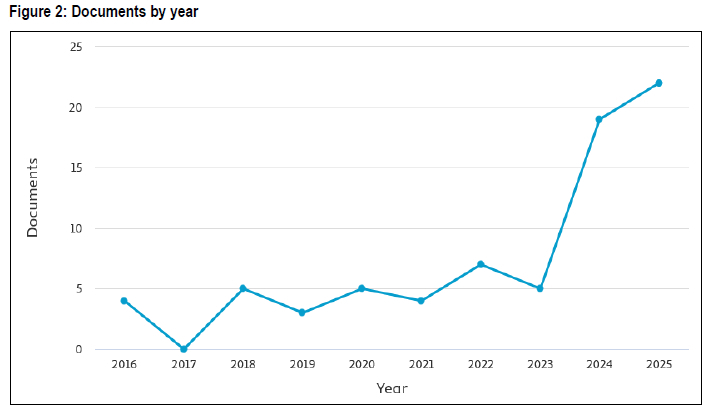
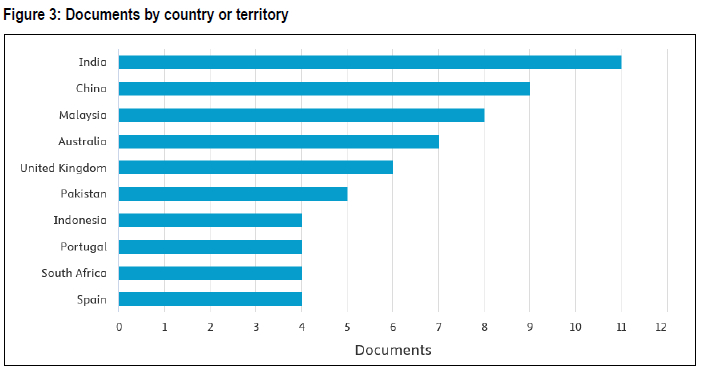
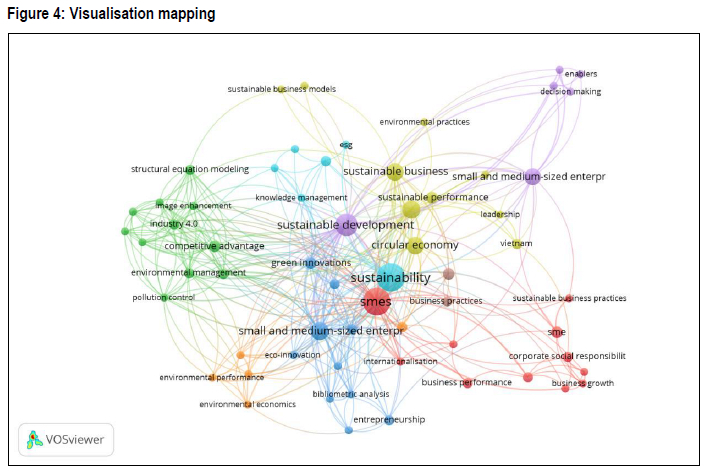
PURPOSE OF THE STUDY: Small and Medium-sized Enterprises (SMEs) are critical drivers of economic development, yet their adoption of sustainable business practices remains uneven and under-explored. This study aims to map the scholarly landscape of sustainable business practices in SMEs, uncovering the evolution of the field, dominant research themes, key contributors, and existing knowledge gaps DESIGN/METHODOLOGY/APPROACH: Employing a dual-method approach, this research combines bibliometric analysis with thematic synthesis. Relevant literature published between 2015 and 2025 was retrieved from Scopus following the PRISMA protocol. Bibliometric techniques, supported by VOSviewer, were used to examine co-authorship networks, keyword co-occurrence, citation patterns, and thematic clusters. Complementary thematic analysis interpreted the qualitative content of the most cited and thematically relevant studies FINDINGS: The results reveal a steadily growing scholarly interest in SME sustainability, particularly following the adoption of the UN Sustainable Development Goals (SDGs). Major research focuses include environmental management, corporate social responsibility (CSR), energy efficiency, and regulatory compliance. Despite this growth, critical gaps remain, especially regarding rural and informal SMEs, sustainability reporting, and digital green innovations. Furthermore, research outputs are predominantly concentrated in developed countries. The findings are framed within the Triple Bottom Line (TBL) and institutional theory, illustrating how SMEs navigate economic, social, and environmental imperatives while responding to institutional pressures RECOMMENDATIONS/VALUE/MANAGERIAL IMPLICATIONS: This study provides a consolidated overview of the SME sustainability literature, highlighting both advances and blind spots. For academics, it identifies priority areas for future research, including context-specific studies in emerging and informal economies. Policymakers and business leaders are offered evidence-based insights to design inclusive sustainability strategies, integrate green innovations, and enhance CSR and environmental practices in SMEs. Ultimately, the research underscores the importance of tailored approaches that balance economic performance with social and environmental stewardship across diverse SME ecosystems JEL CLASSIFICATION: M10
Corporate social responsibility; digital green; small and medium-sized enterprises; sustainable business practice; sustainable development goals
 Thumbnail
 Thumbnail
 Thumbnail
 Thumbnail
 Thumbnail
 Thumbnail