Sustainable business practices for SMEs: A bibliometric review of the literature
Abstract
PURPOSE OF THE STUDY: Small and Medium-sized Enterprises (SMEs) are critical drivers of economic development, yet their adoption of sustainable business practices remains uneven and under-explored. This study aims to map the scholarly landscape of sustainable business practices in SMEs, uncovering the evolution of the field, dominant research themes, key contributors, and existing knowledge gaps DESIGN/METHODOLOGY/APPROACH: Employing a dual-method approach, this research combines bibliometric analysis with thematic synthesis. Relevant literature published between 2015 and 2025 was retrieved from Scopus following the PRISMA protocol. Bibliometric techniques, supported by VOSviewer, were used to examine co-authorship networks, keyword co-occurrence, citation patterns, and thematic clusters. Complementary thematic analysis interpreted the qualitative content of the most cited and thematically relevant studies FINDINGS: The results reveal a steadily growing scholarly interest in SME sustainability, particularly following the adoption of the UN Sustainable Development Goals (SDGs). Major research focuses include environmental management, corporate social responsibility (CSR), energy efficiency, and regulatory compliance. Despite this growth, critical gaps remain, especially regarding rural and informal SMEs, sustainability reporting, and digital green innovations. Furthermore, research outputs are predominantly concentrated in developed countries. The findings are framed within the Triple Bottom Line (TBL) and institutional theory, illustrating how SMEs navigate economic, social, and environmental imperatives while responding to institutional pressures RECOMMENDATIONS/VALUE/MANAGERIAL IMPLICATIONS: This study provides a consolidated overview of the SME sustainability literature, highlighting both advances and blind spots. For academics, it identifies priority areas for future research, including context-specific studies in emerging and informal economies. Policymakers and business leaders are offered evidence-based insights to design inclusive sustainability strategies, integrate green innovations, and enhance CSR and environmental practices in SMEs. Ultimately, the research underscores the importance of tailored approaches that balance economic performance with social and environmental stewardship across diverse SME ecosystems JEL CLASSIFICATION: M10
Corporate social responsibility; digital green; small and medium-sized enterprises; sustainable business practice; sustainable development goals
1. INTRODUCTION
Small and Medium-sized Enterprises (SMEs) constitute a critical component of national economic systems, contributing to innovation, employment creation, and socio-economic development (Fatoki, 2021; Mahadea & Kaseeram, 2018). However, despite their economic relevance, SMEs continue to encounter substantial operational constraints, particularly in the implementation of sustainable business practices. These constraints are largely attributed to limited financial resources, inadequate institutional support, and broader structural pressures within the operating environment (Muriithi, 2017; Chimucheka, 2021). Increasing global emphasis on environmental responsibility, coupled with the requirements of the United Nations Sustainable Development Goals (SDGs), has elevated sustainability considerations within the SME sector. Nonetheless, academic discourse on sustainability adoption remains uneven, with notable gaps in empirical and theoretical attention directed toward SMEs in developing economies (Onwunta & Railoun, 2021; Cortes et al., 2021).
While global literature on SME sustainability has expanded, research specific to sustainable business practices within SMEs remains fragmented and predominantly urban-centric. Studies have addressed themes such as coercive pressures, corporate social responsibility (CSR), and supply chain greening (Toyibe & Friend, 2018; Wentzel et al., 2022; Baumann et al., 2013), but there is a noticeable absence of holistic, systematic mappings of existing literature. As a result, key topics such as rural SME participation, digital green innovations, and SME sustainability frameworks have been insufficiently explored. Comparable bibliometric reviews in SME sustainability exist globally (Olanrewaju et al., 2024). However, none are Africa-specific, nor do they combine bibliometrics with thematic analysis to uncover emerging trends, influential actors, and thematic blind spots within the SME context. This knowledge gap limits theoretical, policy, and practical development. The study is anchored in two established frameworks, the triple bottom line (TBL), emphasising economic, environmental, and social performance dimensions, and institutional theory (IT), examining how coercive (regulatory), normative (industry/peer), and cognitive (cultural) forces influence SME sustainability. These theoretical perspectives provide a basis for interpreting how SMEs respond to competing pressures associated with the adoption of sustainable practices within their distinct operational contexts. Although SME sustainability has received empirical attention in areas such as green innovation, corporate social responsibility (CSR), and environmental compliance, an integrated conceptualisation remains underdeveloped. Existing scholarship is fragmented, lacking coherent synthesis in terms of research networks, dominant thematic trajectories, and contextual institutional dynamics. Furthermore, comprehensive bibliometric analyses that combine quantitative mapping with qualitative interpretation are notably absent within SME sustainability research. Consequently, a targeted bibliometric and thematic synthesis, anchored in the triple bottom line and institutional theory, is essential for advancing academic discourse and informing sustainability frameworks specifically suited to SMEs.
Despite increased recognition of the significance of sustainability for SMEs, the extant literature does not offer a holistic or systematically mapped overview of sustainability frameworks applicable to this sector. Current studies remain dispersed, with limited integration of the diverse perspectives and practices that shape sustainability adoption. As a result, policymakers, practitioners, and researchers lack a comprehensive foundation for understanding the mechanisms through which SMEs can effectively adopt and implement sustainability-oriented frameworks.
Accordingly, this study seeks to map the intellectual landscape of sustainable business practices within the SME sector through a bibliometric and thematic analysis of peer-reviewed literature published between 2015 and 2025. The study aims to elucidate research trajectories, clusters of intellectual influence, and underlying knowledge gaps, thereby supporting more targeted scholarly inquiry and practical application. To achieve this purpose, the study is guided by the following objectives:
1. To conduct a bibliometric analysis of academic literature on sustainable business practices for SMEs, examining publication trends, authorship networks, influential publication outlets, and thematic clusters;
2. To undertake a thematic analysis that identifies major themes, conceptual structures, and contextual orientations evident within the literature and
3. To develop an integrative framework for the adoption of sustainable practices by SMEs, informed by bibliometric evidence and supported by relevant theoretical foundations.
This study contributes to the body of knowledge by providing the first comprehensive bibliometric mapping of literature on SME sustainability, offering a thematic synthesis that reveals dominant research clusters and overlooked areas, and proposing a detailed sustainability adoption framework grounded in empirical patterns and theoretical constructs to inform future policy formulation and managerial decision-making.
Following this introduction, the paper is structured as follows: the literature review outlines the global evolution of SME sustainability research and discusses the theoretical foundations underpinning the study. The methodology section details the data collection process using the Scopus database, the PRISMA-based screening procedure, and the bibliometric and thematic techniques applied, including the use of VOSviewer. The results and discussion section presents publication trends, network and keyword visualisations, thematic clusters, and interpretive analyses. The paper concludes with a summary of key insights, recommendations, and implications for research and practice, followed by a discussion of the study's limitations and potential avenues for future inquiry.
2.1 Growth of SME sustainability research
Over the past two decades, scholarship on sustainable business practices within SMEs has expanded considerably, reflecting broader global policy shifts toward sustainability, climate resilience, and inclusive development. Early discourse positioned SME sustainability at the periphery of academic and policy debates, largely due to prevailing assumptions regarding limited resources, constrained innovation capacity, and minimal regulatory exposure (Revell et al., 2010). Subsequent empirical evidence, however, demonstrates that SMEs contribute significantly to localised sustainable development and environmental stewardship despite their size (Bos-Brouwers, 2010; Walker & Preuss, 2008).
Bibliometric trends indicate a marked increase in academic output from 2015 onward, with substantial growth following the Paris Agreement and during the post-COVID-19 recovery period. This surge highlights the integration of sustainability with resilience-oriented strategies and digital transformation initiatives (Kraus et al., 2020). Contemporary research further engages with complex and multidimensional themes, including the circular economy, eco-innovation, stakeholder engagement, and institutional pressures influencing SME sustainability adoption (Agyemang et al., 2018; Hernandez-Vivanco et al., 2022). These developments signal a shift from predominantly descriptive accounts to theoretically informed and empirically grounded studies, particularly those employing the triple bottom line and institutional theory to interpret sustainability adoption behaviours (Gonzalez-Sanchez et al., 2018).
Overall, the expanding body of SME sustainability literature illustrates a transition from reactive, compliance-driven efforts to more proactive and strategic engagements with sustainability principles. In developing economies, SMEs remain central to economic growth and environmental outcomes, prompting heightened scholarly attention to the ways in which they balance economic performance with environmental stewardship (Cortes et al., 2021). Nonetheless, sustainability research has historically concentrated on larger firms, resulting in the relative underrepresentation of smaller enterprises within academic discourse (Bartolacci et al., 2019; Cortes et al., 2021).
Globally, SMEs have begun integrating green practices such as energy efficiency improvements, waste reduction measures, and environmentally conscious packaging alongside entrepreneurial orientation and competitive positioning (Maziriri, 2020; Kimanzi, 2020). Empirical studies also underscore the influence of coercive pressures, including regulatory frameworks and public policy, in shaping SME sustainability behaviour (Masocha & Fatoki, 2018). In addition, corporate social responsibility (CSR) initiatives have increasingly been linked to enhanced sustainability performance (Wentzel et al., 2022). Despite this growing body of knowledge, systematic syntheses of the fragmented SME sustainability literature remain limited, underscoring the need for comprehensive and integrative reviews.
2.2 Theoretical Underpinnings
The triple bottom line (TBL) framework offers a comprehensive lens for understanding organisational performance by integrating economic, environmental, and social dimensions (Kimanzi, 2020). Introduced by Elkington (1994, 1997), the TBL extends the traditional financial focus of firms to include broader societal and ecological responsibilities, commonly summarised as the "People, Planet, Profit" triad. The economic, or profit, dimension emphasises long-term financial sustainability, encompassing cost efficiencies, innovation-driven competitiveness, and the development of sustainable products and services for SMEs.
The social, or people, dimension addresses organisational contributions to employee welfare, ethical labour practices, community development, health and safety, and overall social well-being. The environmental, or planet, dimension focuses on minimising ecological harm through measures such as resource efficiency, waste reduction, pollution control, and environmentally responsible operations. These three pillars align closely with the United Nations Sustainable Development Goals (SDGs), reinforcing the applicability of the TBL framework for evaluating SME sustainability practices.
The TBL framework provides a practical and theoretically grounded structure for analysing sustainable practices identified in the literature. Research on eco-innovation, carbon management, and green supply chains aligns primarily with the environmental pillar, while studies on labour equity, employee well-being, and community engagement correspond to the social pillar. Investigations into entrepreneurial resilience, financial performance, and market strategies reflect the economic pillar. This categorisation not only supports bibliometric classification but also helps identify research clusters and potential imbalances, for example, the frequent emphasis on environmental sustainability at the expense of social or economic considerations. The enduring relevance of the TBL framework in SME sustainability scholarship lies in its ability to integrate these interconnected dimensions of organisational performance (Elkington, 1997; Slaper & Hall, 2011).
Complementing the TBL, institutional theory provides a lens for understanding how external rules, norms, and expectations shape organisational behaviour (Scott, 2013; Masocha & Fatoki, 2018). Institutional theory posits that organisations adopt particular practices not solely to improve performance but to gain legitimacy and align with prevailing institutional structures (DiMaggio & Powell, 1983; Scott, 2014). Institutional pressures are generally categorised into three types: coercive pressures, arising from governmental regulations, legal mandates, and formal policy requirements; normative pressures, stemming from professional standards, industry norms, developmental agency expectations, and stakeholder values; and mimetic pressures, which occur under conditions of uncertainty and lead organisations to imitate practices of successful or recognised peers.
These institutional forces collectively shape SME responses to sustainability imperatives. Compliance with environmental regulations, for example, reflects coercive pressures, while adherence to industry sustainability standards represents normative influences. The replication of innovative green practices from leading firms illustrates mimetic pressures. In a bibliometric context, frequent references to terms such as "regulation," "policy," "compliance," or "peer influence" can be interpreted through the lens of institutional theory. Understanding how these mechanisms guide SME sustainability behaviour is essential for designing effective policies, support programs, and strategic interventions (Masocha & Fatoki, 2018; Urban & Naidoo, 2012).
Overall, institutional theory provides a robust analytical framework for interpreting SME sustainability adoption, demonstrating how coercive, normative, and mimetic pressures from regulatory bodies, industry networks, and peer organisations shape sustainability-related decisions (Scott, 2014; DiMaggio & Powell, 1983; Masocha & Fatoki, 2018).
3. METHODOLOGY
This study employs a mixed-method research design that integrates bibliometric analysis with thematic content analysis to systematically examine the literature on sustainable business practices within the SME sector. This combined approach facilitates the identification of publication trends, intellectual structures, and thematic gaps, and ultimately supports the development of a context-specific sustainability framework.
3.1 Data collection and screening
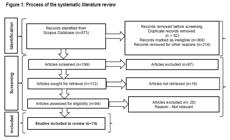
The Scopus database was selected as the primary data source due to its extensive coverage of peer-reviewed publications and its compatibility with established bibliometric analysis tools. The literature search employed a combination of carefully selected keywords, including "sustainable business practices," "SMEs," and "sustainability." Boolean operators (AND, OR) and wildcard symbols were used to enhance search precision and sensitivity. To ensure relevance, the search was limited to journal articles published between 2015 and 2025 and written in English. The ten year scoping is a common practice in bibliometric studies as it ensures relevancy and recency (Marques-Cruz et al., 2024).
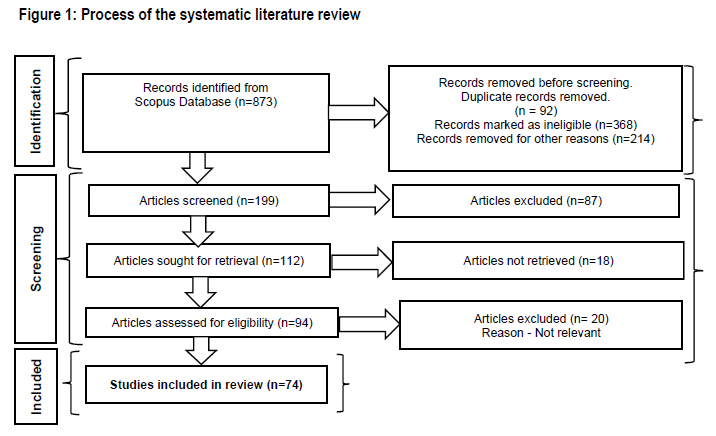
Articles that did not align with the study's focus were excluded. These included studies addressing non-SME contexts, sustainability initiatives in large corporations, or research situated outside the relevant geographical or sectoral scope. The screening process was structured using the Preferred Reporting Items for Systematic Reviews and Meta-Analyses (PRISMA) framework, which ensured transparency, replicability, and methodological rigour throughout the inclusion and exclusion stages (Page et al., 2021).
As a result of this process, 87 articles were excluded for failing to meet the inclusion criteria. The primary reasons for exclusion included irrelevance to SME sustainability frameworks, a focus on large enterprises or non-business contexts, insufficient empirical or conceptual depth, and lack of full-text availability. Figure 1 shows the systematic literature review process.
3.2 Bibliometric analysis
Using the Bibliometrix R-package (Aria & Cuccurullo, 2017) in conjunction with VOSviewer, the dataset was subjected to bibliometric analysis to generate quantitative insights. Key bibliometric indicators included publication trends over time, authorship and co-authorship networks, keyword co-occurrence patterns, influential journals, leading institutions, contributing countries, and the thematic evolution of research on sustainable practices within SMEs. Visualisation tools were employed to map research clusters and delineate the intellectual structure of the field (van Eck & Waltman, 2010). Bibliometric approaches have effectively mapped research landscapes across various fields (Bartolacci et al., 2019; Olanrewaju et al., 2024). VOSviewer and bibliometrics are widely used tools for analysing co-authorship, keyword co-occurrence, and thematic clusters (Aria & Cuccurullo, 2017; van Eck & Waltman, 2010). However, there is a gap as no bibliometric review has focused on sustainable practices for SMEs, leaving scholarly foundations unaligned.
4. FINDINGS AND DISCUSSION
4.1 Year of publication: Evolution of scholarly output
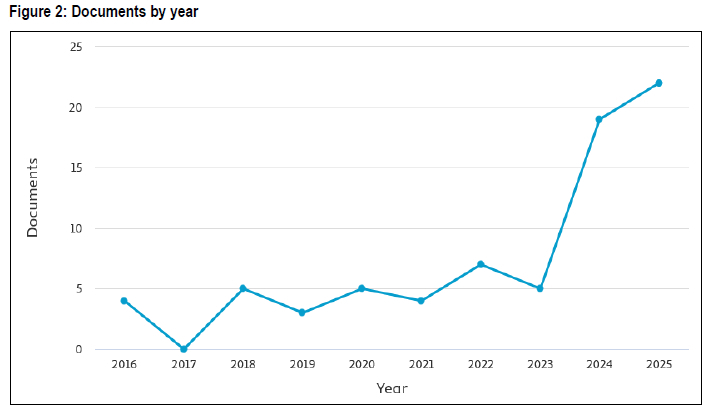
The bibliometric analysis identified 74 peer-reviewed articles published between 2015 and 2025 addressing sustainable business practices within SMEs. As illustrated in Figure 2, the publication trajectory reveals a gradual but notable increase in scholarly attention to the topic, particularly from 2022 onward. Between 2015 and 2021, publication activity remained relatively low and inconsistent. For example, only four articles were published in 2016, none in 2017, and modest outputs were recorded in 2018 (five articles), 2019 (three articles), and 2021 (four articles). These limited volumes reflect the early developmental stage of research on SME sustainability, likely influenced by constrained institutional support, limited funding availability, and the emerging nature of sustainability frameworks within SME operations (Urban & Naidoo, 2012; Kimanzi, 2020).
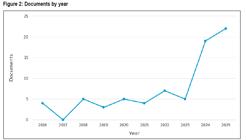
A significant increase in scholarly output is observed from 2022, with seven publications, followed by a sharp rise to 19 articles in 2024 and a peak of 22 articles in 2025. This acceleration corresponds with broader global developments, including strengthened national commitments to the United Nations Sustainable Development Goals (SDGs), the implementation of green economy policies, and heightened regulatory and stakeholder expectations for sustainability integration in business operations (Cortes et al., 2021; Masocha & Fatoki, 2018). The surge also reflects a broader academic shift in research priorities, as sustainability transitions from a compliance-oriented concern to a strategic imperative associated with resilience, competitiveness, and long-term value creation for SMEs (Elmassah et al., 2022; Fatoki, 2021).
The data suggest that research on SME sustainable practices is progressing toward a more mature phase, with increasing engagement from scholars, policymakers, and development stakeholders. This trend aligns with prior observations that bibliometric studies can effectively illuminate emerging research frontiers and policy-driven shifts in academic output (Bartolacci et al., 2019). The absence of publications in 2017 and fluctuations prior to 2022 highlight the fragmented and reactive nature of early scholarship. Conversely, the substantial growth in 2024 and 2025 signifies the institutionalisation of sustainability discourse within SME development agendas (Scott, 2014; DiMaggio & Powell, 1983). Additionally, this growth may reflect expanded research funding opportunities, improved data accessibility, and the integration of sustainability metrics within national research performance frameworks (Cortes et al., 2021). The upward trajectory also suggests the presence of mimetic tendencies, with universities and researchers increasingly adopting global best practices in sustainability research.
4.2 Documents by country or territory
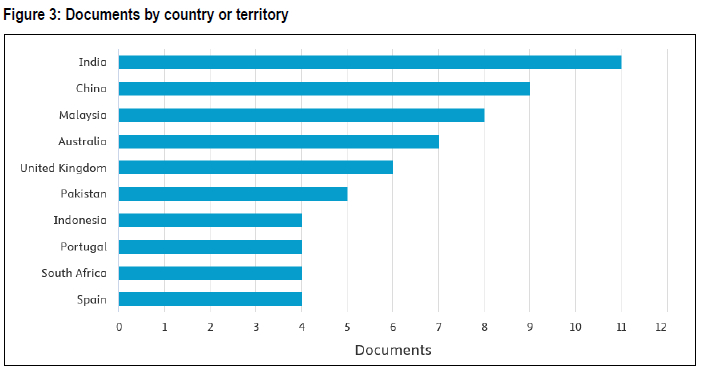
Figure 3 presents the top ten countries contributing to the literature on sustainable business practices within SMEs, offering valuable insights into global research dynamics in this field. India leads with 11 publications, reflecting a strong scholarly focus on SME sustainability. This emphasis aligns with national priorities centred on inclusive development, strengthened environmental regulations, and recognition of SMEs as key drivers of sustainable economic growth (Kumar et al., 2023). China follows closely with nine publications, demonstrating its broader sustainability agenda, which includes the integration of green innovation and eco-industrial policy frameworks within SME operations (Wang et al., 2024).
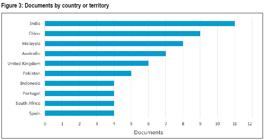
Malaysia ranks third with eight publications, indicating an active research and policy environment shaped by initiatives such as the SME Masterplan and Vision 2030, both of which promote innovation and sustainability in enterprise development (Ismail & Othman, 2023). Collectively, these contributions highlight a regional commitment to aligning SME growth with environmental and social sustainability objectives.
Australia (seven publications), the United Kingdom (six), and Spain (four) also show well-established research ecosystems, with longstanding engagement in areas such as corporate social responsibility, environmental management, and SME sustainability strategy. These countries frequently serve as reference points in the literature for integrating sustainability principles into business education, regulatory frameworks, and policy design (Davies et al., 2023; Romero & Sánchez, 2022).
Emerging contributions from Pakistan (five publications), Indonesia (four), South Africa (four), and Portugal (four) reflect a growing research presence from the Global South. In these contexts, SMEs play a central role in economic development, employment creation, and poverty reduction, making their sustainable transformation vital for achieving national and regional sustainability goals (Naidoo & Gasparatos, 2023).
Overall, the distribution of publications underscores the global significance of SME sustainability while highlighting uneven patterns of scholarly engagement. The prominent contributions of India, China, and Malaysia signal their leadership in advancing research in this area, likely driven by national sustainability priorities and policy reforms. At the same time, the increasing participation of countries such as South Africa and Pakistan indicates a gradual broadening of the global research community, contributing to a more diverse and inclusive scholarly landscape.
4.3 Results of bibliometric analysis
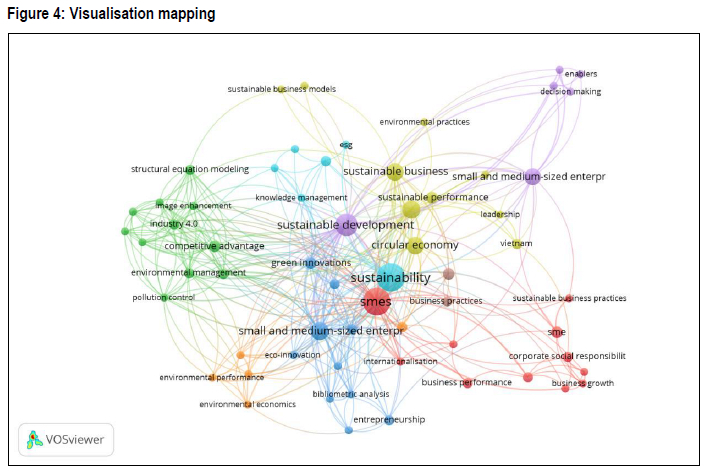
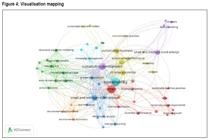
The bibliometric analysis conducted using VOSviewer reveals key patterns and thematic structures within the literature on sustainable business practices in SMEs, as illustrated in Figure 4. The analysis examined 61 keywords, which were organised into eight thematic clusters. A total of 365 links between items were identified, with an aggregate link strength of 490. The substantial number of links and high total link strength indicate strong co-occurrence and interconnections among the keywords, suggesting a well-established and cohesive research field with overlapping interests across multiple disciplinary domains.
4.3.1 Identified clusters
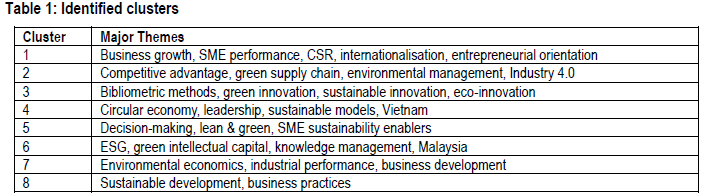
Table 1 provides the 8 clusters identified with their associated major themes, which are discussed in the following sections.
4.3.2 Central research themes
The eight clusters identified through the bibliometric analysis represent interconnected yet distinct thematic streams within the SME sustainability literature. The largest cluster (Cluster 1) focuses on SME growth, corporate social responsibility (CSR), and internationalisation, highlighting the pivotal role of ethical orientation and performance in enhancing global SME competitiveness. Research within this cluster demonstrates how entrepreneurial orientation and CSR initiatives contribute to sustainable business practices and improve access to both domestic and international markets across developed and emerging economies (Suganthi, 2023).
Cluster 2 highlights the integration of green supply chain management, environmental strategy, and Industry 4.0, illustrating how technological innovation and environmental governance intersect to drive competitive advantage for SMEs. Studies in this area emphasise that the adoption of advanced technologies alongside sustainable operational practices enables SMEs to increase efficiency, reduce environmental impact, and maintain competitiveness in increasingly complex market environments (Bai et al., 2024).
4.3.3 Emerging and strategic trends
Clusters 3 and 4 capture emerging research directions, particularly focusing on eco-innovation, the circular economy, and sustainable business models. The presence of Vietnam as a keyword in Cluster 4 points to regional specificity in SME sustainability research, reflecting growing scholarly interest in Southeast Asian economies as they transition toward circularity and innovation-driven growth (Nguyen & Tran, 2023).
Cluster 5 highlights themes related to decision-making, lean and green practices, and SME enablers, shedding light on the operational challenges and strategic adaptations that firms undertake to embed sustainability into their core business processes.
Cluster 6 emphasises Environmental, Social, and Governance (ESG) practices alongside knowledge management, drawing attention to the intellectual and intangible assets that support sustainable transitions in SMEs. The frequent occurrence of Malaysia within this cluster highlights the influence of strong national initiatives and policy frameworks that promote SME sustainability (Ali & Ismail, 2023).
4.3.4 Interconnectedness of themes
The high total link strength (490) and the clustering around concepts such as green innovation, CSR, and sustainable development indicate strong integration among topics within the SME sustainability literature. The convergence of keywords including entrepreneurship, eco-innovation, and circular economy suggests that sustainability has evolved from a peripheral concern to a central strategic priority in SME development globally. Cluster 7, which emphasises industrial and environmental performance, underscores the economic rationale for sustainability, highlighting how green transformation contributes to long-term business viability and operational efficiency. Meanwhile, Cluster 8, with broader keywords such as business practices and sustainable development, functions as an umbrella theme, connecting the more focused clusters and revealing opportunities for cross-disciplinary collaboration.
Overall, the bibliometric analysis depicts a diverse yet interconnected scholarly landscape, with SME sustainability being approached through multiple dimensions: environmental management, innovation, strategy, policy, and performance. The clustering patterns indicate that while green technologies and CSR continue to dominate the discourse, emerging concepts such as ESG, circular economy, and green intellectual capital are gaining prominence. The analysis also reveals regional research interests, particularly in countries like Malaysia and Vietnam, highlighting the globalisation of SME sustainability research, especially within developing economies. Additionally, the presence of bibliometric-oriented keywords (Cluster 3) reflects a growing meta-analytical approach in this field, underscoring the importance of research mapping and knowledge synthesis for advancing scholarly understanding.
4.3.5 Co-authorship network analysis
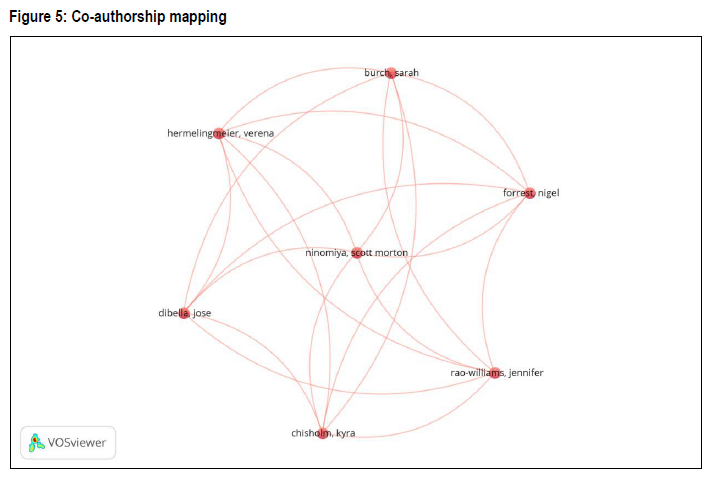
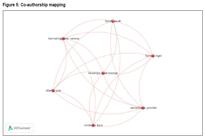
The co-authorship network, comprising seven authors Burch (2010) and DiBella et al., (2023) forms a single cohesive cluster with 21 collaboration links, as illustrated in Figure 5. This network represents a highly interconnected scholarly community, where each author is directly or indirectly linked to the others through joint publications. Notably, with 21 links among seven authors, the network achieves the maximum number of possible connections for a fully connected network of this size, indicating strong internal collaboration, frequent co-publication, and likely engagement in joint research projects or institutional partnerships.
4.4 Thematic focus and research agenda
This author cluster is strongly associated with research on urban sustainability, climate governance, local-level transitions, and knowledge co-production. Notably, Sarah Burch is a recognised expert in urban climate governance and the science-policy interface, frequently publishing on how local actors drive broader sustainability transitions (Burch et al., 2022). DiBella et al., (2023) have collaborated on community-based climate adaptation and inclusive decision-making frameworks. Burch et al., (2020) focus on decentralised environmental governance and the integration of sustainability principles into municipal planning (Forrest et al., 2023). DiBella et al., (2023) contribute expertise in knowledge systems and collaborative governance models across both Global North and South contexts.
This pattern reflects a team engaged in interdisciplinary, community-oriented, and policy-relevant research, actively contributing to local sustainability transitions and climate-resilient development. Their collaboration highlights a mature research niche within the broader field of sustainable development and climate policy, characterised by a strong emphasis on transdisciplinary approaches, stakeholder engagement, and place-based knowledge. Additionally, social equity and governance innovation emerge as central concerns in their work.
Such a network functions as a thought leadership hub, shaping research agendas, informing policy formulation, and supporting educational initiatives in sustainable cities and climate adaptation. The co-authorship network of these seven scholars demonstrates a robust, cohesive, and thematically aligned collaboration focused on climate resilience and sustainable governance. Their collective output contributes significantly to both academic discourse and practical policy applications, particularly in the context of urban climate action and local-level sustainability transitions.
5. MANAGERIAL IMPLICATIONS
The bibliometric analysis highlights evolving trends and thematic clusters in sustainable business practices, providing valuable insights for SME managers. By understanding these trends, managers can align their strategies with emerging sustainability priorities, benchmark their practices against industry-leading concepts such as the circular economy and eco-innovation and identify key academic thought leaders and influencers for potential collaboration and knowledge acquisition.
Applying institutional theory, the review demonstrates that SMEs are strongly influenced by three types of external pressures: regulatory (coercive) pressures, such as environmental compliance requirements; normative pressures, including industry standards and certifications; and mimetic pressures, where firms emulate sustainability leaders. Managers can leverage this insight by monitoring and anticipating policy shifts, actively participating in industry networks, adopting recognised norms, and benchmarking best practices from peer SMEs that are leading in sustainability.
Guided by the Triple Bottom Line (TBL) framework, the findings emphasise that sustainability extends beyond "going green" to integrating environmental actions (e.g., waste and emissions reduction), social responsibility (e.g., employee welfare and community impact), and economic viability (e.g., cost efficiency and innovation-driven profitability). Managers should design balanced strategies that avoid overemphasising one dimension at the expense of others.
Thematic clusters in the literature indicate that internal drivers such as leadership commitment, innovation capability, and resource availability play a critical role in sustainability adoption.
Practically, this suggests that managers should invest in staff training, technology upgrades, and culture-building initiatives that foster a sustainability mindset. Encouraging cross-functional teams to spearhead green innovations and process improvements can further strengthen these efforts.
Overall, the research underscores the growing recognition of sustainability as a source of competitive advantage and organisational resilience, particularly during economic or environmental disruptions. Managers are therefore encouraged to view sustainability not as a cost, but as a strategic investment that differentiates their offerings, attracts impact-driven customers, and future-proofs their operations.
5.1 Recommendations
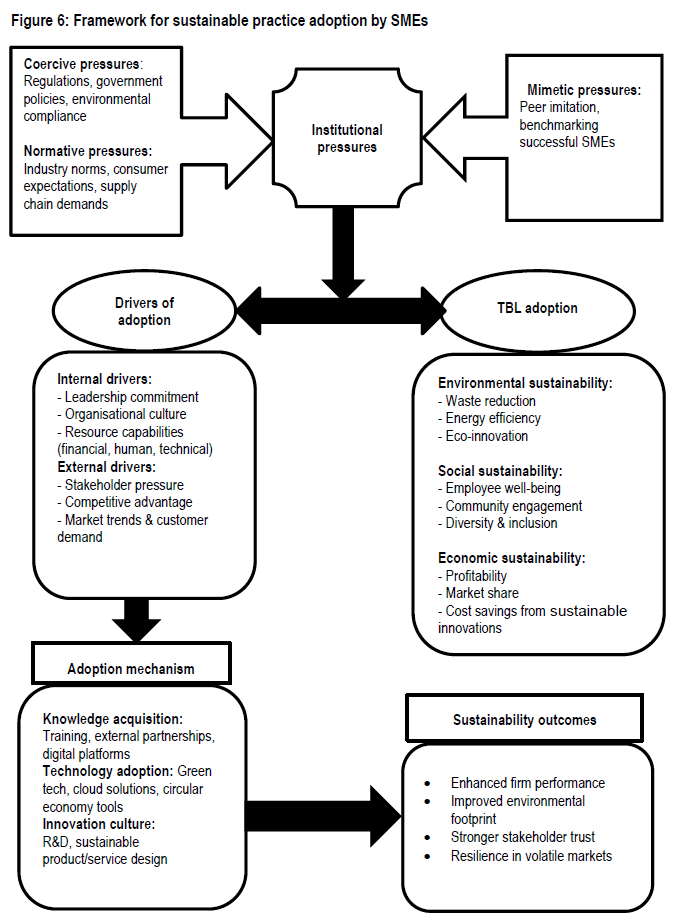
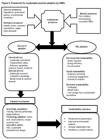
The final objective of this study is to propose a comprehensive framework for the adoption of sustainable practices by SMEs. The framework is anchored in the triple bottom line (TBL) theory, ensuring a balanced integration of economic viability (e.g., financial tools, market access), social inclusion (e.g., employee well-being, job quality, community benefits), and environmental responsibility (e.g., green technologies, carbon footprint reduction, regulatory compliance). By aligning with the Sustainable Development Goals (SDGs), the framework underscores the global relevance of SME sustainability initiatives.
In addition, institutional theory informs the framework by highlighting the role of institutional enablers and barriers in shaping SME sustainability adoption. This includes the influence of regulatory bodies, industry groups, professional associations, and peer SMEs, as well as benchmarking against exemplary practices. The framework also identifies key adoption drivers, linking them to specific mechanisms that facilitate sustainable outcomes for SMEs.
Together, these theoretical foundations provide a structured approach for understanding how SMEs can effectively integrate sustainability into their operations, balancing internal capabilities with external pressures and opportunities. The proposed framework is illustrated in Figure 6.
6. CONCLUSION
This bibliometric and thematic review of sustainable business practices in SMEs provides a nuanced understanding of the scholarly landscape, capturing both quantitative trends and conceptual advancements. The bibliometric analysis highlights a steady increase in academic attention between 2015 and 2025, with significant contributions emerging from interdisciplinary journals, collaborative authorship networks, and leading outlets focusing on sustainability, entrepreneurship, and management. Prominent topic clusters, including SME growth, corporate social responsibility (CSR), and internationalisation, underscore the importance of ethical orientation and performance for global SME competitiveness. Additionally, the integration of green supply chain management, environmental strategy, and Industry 4.0 illustrates the convergence of technological innovation and environmental governance as key drivers of competitive advantage in SMEs.
The thematic analysis further complements these insights by organising the literature around environmental, social, and economic dimensions of sustainability, consistent with the Triple Bottom Line framework. The influence of institutional theory was also evident, showing how coercive, normative, and mimetic pressures shape SMEs' sustainability behaviours. Building on these findings, the study proposes an integrative framework that elucidates the drivers, processes, and outcomes of sustainable practice adoption among SMEs. This framework provides both theoretical grounding and practical guidance for managers, policymakers, and scholars seeking to promote sustainability in SMEs, particularly within resource-constrained contexts.
Despite these contributions, the study has several limitations. First, the review primarily draws on indexed Scopus publications, which may overlook relevant regional or grey literature, including local government reports and non-English studies. Second, while the proposed integrative framework is conceptually robust, it has not yet been empirically tested or validated with real-world SME data. Third, although global trends are highlighted, the analysis lacks detailed insights into specific contexts, such as SMEs operating in developing economies, informal sectors, or particular industries like manufacturing or agriculture.
To advance this area of research and address these limitations, future studies should consider several directions. Researchers are encouraged to apply the proposed integrative framework in empirical settings, using case studies or quantitative models to assess its validity and practical utility across diverse SME contexts. Comparative studies across countries and regions would also be valuable, given the variation in policy frameworks, cultural norms, and institutional capacities that shape sustainability practices. Such investigations could identify context-specific best practices and scalable models that support local realities while contributing to broader global sustainability objectives (UNDP, 2023).
Conflict of interest: The authors declare no conflict of interest with respect to the research, authorship and publication of the article.
Data availability: The data used for this article can be made available upon request.
Ethical clearance and informed consent statement: The paper is a bibliometric review of the literature and therefore does not require ethical clearance.
Funding: The authors did not receive any financial support for the research, authorship, or publication of this article.
REFERENCES
2. LITERATURE REVIEW
-
Agyemang, M., Zhu, Q., Adzanyo, M., Antarciuc, E. & Zhao, S., 2018. Evaluating barriers to green supply chain restructuring in the auto industry. Resources, Conservation and Recycling, 137:47-58. [https://doi.org/10.1016/j.resconrec.2018.05.005].
» https://doi.org/10.1016/j.resconrec.2018.05.005 -
Ali, M. & Ismail, H.N., 2023. ESG practices and sustainable performance in Malaysian SMEs: The mediating role of green intellectual capital. Journal of Cleaner Production, 423:139844. [https://doi.org/10.1016/j.jclepro.2023.139844].
» https://doi.org/10.1016/j.jclepro.2023.139844 -
Aria, M. & Cuccurullo, C., 2017. Bibliometrix: An R-tool for comprehensive science mapping analysis. Journal of Informetrics, 11(4):959-975. [https://doi.org/10.1016/j.joi.2017.08.007].
» https://doi.org/10.1016/j.joi.2017.08.007 -
Bai, C., Dallasega, P., Orzes, G. & Sarkis, J., 2024. Industry 4.0 technologies and sustainable supply chain management: A bibliometric analysis and future research directions. Resources, Conservation and Recycling, 199:107024. [https://doi.org/10.1016/j.resconrec.2024.107024].
» https://doi.org/10.1016/j.resconrec.2024.107024 - Bartolacci, F., Caputo, A. & Soverchia, M., 2019. Sustainable behaviours of SMEs and financial performance: A bibliometric and systematic literature review. European Academy of Management Conference, Lisbon.
-
Baumann, P., Wickert, D., Spence, L.J.C. & Scherer, A.G., 2013, 'Organising corporate social responsibility in small and large firms: Size matters', Journal of Business Ethics 115(4), 693705. https://doi.org/10.1007/s10551-013-1827-7
» https://doi.org/10.1007/s10551-013-1827-7 -
Bos-Brouwers, H.E.J., 2010. Corporate sustainability and innovation in SMEs: Evidence of themes and activities in practice. Business Strategy and the Environment, 19(7):417-435. [https://doi.org/10.1002/bse.652].
» https://doi.org/10.1002/bse.652 - Burch, S., 2010. Transforming barriers into enablers of action on climate change: Insights from three municipal case studies in British Columbia, Canada. Global environmental change, 20(2), pp.287-297.
-
Burch, S., Chisholm, K., Rao-Williams, J. & Ninomiya, S.M., 2022. Transforming cities through co-produced knowledge: Pathways to urban sustainability. Environmental Science & Policy, 136:1-10. [https://doi.org/10.1016/j.envsci.2022.05.011].
» https://doi.org/10.1016/j.envsci.2022.05.011 - Burch, S., DiBella, J., Rao-Williams, J., Forrest, N., Hermelingmeier, V., Ninomiya, S.D.M. & Chisholm, K., 2020. Sustainable business practices can build resilient local economies for a post-COVID-19 recovery. TRANSFORM project paper, 1, 1-9.
-
Chimucheka, T., 2021. Barriers to sustainability among SMEs in South Africa: A conceptual paper. Journal of Business and Retail Management Research, 15(3):88-97. [https://doi.org/10.24052/JBRMR/V15IS03/ART-08].
» https://doi.org/10.24052/JBRMR/V15IS03/ART-08 -
Cortes, J.D., Guix, M. & Carbonell, K.B., 2021. Innovation for sustainability in the Global South: Bibliometric findings from management & business and STEM fields in developing countries. arXiv. [https://doi.org/10.48550/arXiv.2104.07543].
» https://doi.org/10.48550/arXiv.2104.07543 -
Davies, J., Patel, R. & McGrath, L., 2023. Corporate sustainability integration in SMEs: A comparative study across Australia and the UK. Journal of Business Ethics, 187(1):115-132. [https://doi.org/10.1007/s10551-022-05123-1].
» https://doi.org/10.1007/s10551-022-05123-1 - DiBella, J., Forrest, N., Burch, S., Rao-Williams, J., Ninomiya, S.M., Hermelingmeier, V. & Chisholm, K., 2023. Exploring the potential of SMEs to build individual, organizational, and community resilience through sustainability-oriented business practices. Business Strategy and the Environment, 32(1), 721-735.
-
DiMaggio, P.J. & Powell, W.W., 1983. The iron cage revisited: Institutional isomorphism and collective rationality in organisational fields. American Sociological Review, 48(2):147-160. [https://doi.org/10.2307/2095101].
» https://doi.org/10.2307/2095101 - Elkington, J., 1997. Cannibals with forks: The triple bottom line of 21st century business. Capstone Publishing.
-
Elmassah, S., Mohieldin, M. & Tash, M., 2022. Green finance and sustainable SMEs: Evidence from developing economies. Sustainability, 14(10):6012. [https://doi.org/10.3390/su14106012].
» https://doi.org/10.3390/su14106012 -
Fatoki, O., 2021. The impact of entrepreneurial orientation on access to debt finance and performance of SMEs in South Africa. Journal of Small Business and Enterprise Development, 28(4):578-594. [https://doi.org/10.1108/JSBED-12-2019-0416].
» https://doi.org/10.1108/JSBED-12-2019-0416 -
Forrest, N., Dibella, J. & Hermelingmeier, V., 2023. Decentralised governance and the co-creation of sustainability transitions in cities. Journal of Environmental Policy & Planning, 25(1):33-52. [https://doi.org/10.1080/1523908X.2023.2163201].
» https://doi.org/10.1080/1523908X.2023.2163201 -
Gonzalez-Sanchez, R., Settembre-Blundo, D., Ferrari, A.M. & Garcia-Muiña, F.E., 2018. Main dimensions in the building of the circular supply chain: A literature review. Sustainability, 10(12):4232. [https://doi.org/10.3390/su10114232].
» https://doi.org/10.3390/su10114232 -
Hernandez-Vivanco, A., Bernardo, M. & Cruz-Cázares, C., 2022. Management systems integration and circular economy: A dynamic capabilities approach. Journal of Cleaner Production, 335:130227. [https://doi.org/10.1016/j.jclepro.2021.130227].
» https://doi.org/10.1016/j.jclepro.2021.130227 -
Ismail, M.N. & Othman, R., 2023. Malaysia's sustainable SME agenda: Policies, practices and performance. Sustainability, 15(7):3202. [https://doi.org/10.3390/su15073202].
» https://doi.org/10.3390/su15073202 -
Kimanzi, M.K., 2020. Sustainable business practises: A case of Pietermaritzburg based SMEs. Alternation Special Edition, 29:60-83. [https://doi.org/10.29086/2519-5476/2019/sp29a3].
» https://doi.org/10.29086/2519-5476/2019/sp29a3 -
Kraus, S., Durst, S., Ferreira, J.J., Veiga, P.M. & Kailer, N., 2020. Digital transformation in business and management research: An overview of the current status and future research directions. International Journal of Entrepreneurial Behavior & Research, 26(5):937-956. [https://doi.org/10.1108/IJEBR-12-2019-0776].
» https://doi.org/10.1108/IJEBR-12-2019-0776 -
Kumar, R., Singh, S. & Thakur, M., 2023. SMEs and the sustainability imperative in India: Challenges and innovations. Journal of Cleaner Production, 409:137119. [https://doi.org/10.1016/j.jclepro.2023.137119].
» https://doi.org/10.1016/j.jclepro.2023.137119 -
Mahadea, D. & Kaseeram, I., 2018. Impact of unemployment and income on entrepreneurship in post-apartheid South Africa: 1994-2015. The Southern African Journal of Entrepreneurship and Small Business Management, 10(1):1-9. [https://doi.org/10.4102/sajesbm.v10i1.115].
» https://doi.org/10.4102/sajesbm.v10i1.115 -
Marques-Cruz, M., Dias, D.M., Fonseca, J.A. Sousa-Pinto, B (2024). Ten year citation prediction model for systematic reviews using early years citation data. Scientometrics 129, 4847-4862 https://doi.org/10.1007/s11192-024-05105-0
» https://doi.org/10.1007/s11192-024-05105-0 -
Masocha, R. & Fatoki, O., 2018. The impact of coercive pressures on sustainability practices of small businesses in South Africa. Sustainability, 10:32. [https://doi.org/10.3390/su10010032].
» https://doi.org/10.3390/su10010032 -
Maziriri, E.T., 2020. Green packaging and green advertising as precursors of competitive advantage and business performance among manufacturing SMEs in South Africa. Cogent Business & Management, 7(1):1719586. [https://doi.org/10.1080/23311975.2020.1719586].
» https://doi.org/10.1080/23311975.2020.1719586 -
Muriithi, S.M., 2017. African Small and Medium Enterprises (SMEs) contributions, challenges and solutions. European Journal of Research and Reflection in Management Sciences, 5(1):36-48. [Available at: https://www.idpublications.org/wp-content/uploads/2017/01/Full-Paper-AFRICAN-SMEs-CONTRIBUTIONS-CHALLENGES-AND-SOLUTIONS.pdf].
» https://www.idpublications.org/wp-content/uploads/2017/01/Full-Paper-AFRICAN-SMEs-CONTRIBUTIONS-CHALLENGES-AND-SOLUTIONS.pdf -
Naidoo, C. & Gasparatos, A., 2023. Sustainability transitions in South African SMEs: Barriers and enablers. Sustainable Development, 31(2):251-267. [https://doi.org/10.1002/sd.2406].
» https://doi.org/10.1002/sd.2406 -
Nguyen, T.T. & Tran, Q.H., 2023. Towards circular economy in Vietnam: A strategic approach to SME sustainability. Journal of Environmental Management, 332:117357. [https://doi.org/10.1016/j.jenvman.2023.117357].
» https://doi.org/10.1016/j.jenvman.2023.117357 - Olanrewaju, S.V., Ogar, I.J., Akintelu, E.O. & Adetunji, M., 2024. Supply chain management of micro, small, and medium enterprises (MSMEs) in Africa: A bibliometric analysis. Journal of Innovation and Entrepreneurship, 13, Article 39.
-
Onwunta, C. & Railoun, Z., 2021, January 27. A lack of knowledge of Sustainable Development Goals by SME employees in SA. IOL Business Report. [Available at: https://www.iol.co.za/business-report/opinion/a-lack-of-knowledge-of-sustainable-development-goals-by-sme-employees-in-sa-eab96b07-b19e-429a-9f64-26157c52b788].
» https://www.iol.co.za/business-report/opinion/a-lack-of-knowledge-of-sustainable-development-goals-by-sme-employees-in-sa-eab96b07-b19e-429a-9f64-26157c52b788 -
Page, M.J., McKenzie, J.E., Bossuyt, P.M., Boutron, I., Hoffmann, T.C., Mulrow, C.D., et al., 2021. The PRISMA 2020 statement: An updated guideline for reporting systematic reviews. BMJ, 372, n71. [https://doi.org/10.1136/bmj.n71].
» https://doi.org/10.1136/bmj.n71 -
Revell, A., Stokes, D. & Chen, H., 2010. Small businesses and the environment: Turning over a new leaf? Business Strategy and the Environment, 19(5):273-288. [https://doi.org/10.1002/bse.628].
» https://doi.org/10.1002/bse.628 -
Romero, A. & Sánchez, J., 2022. Sustainable entrepreneurship in Spanish SMEs: A multi-case analysis. European Journal of Innovation Management, 26(4):983-1001. [https://doi.org/10.1108/EJIM-10-2021-0513].
» https://doi.org/10.1108/EJIM-10-2021-0513 - Scott, J., 2013. The sustainable business. Greenleaf Publishing.
- Scott, W.R., 2014. Institutions and organisations: Ideas, interests, and identities, 4th ed. SAGE Publications.
-
Slaper, T.F. & Hall, T.J., 2011. The Triple Bottom Line: What is it and how does it work? Indiana Business Review, 86(1):4-8. [Available at: https://www.ibrc.indiana.edu/ibr/2011/spring/article2.html].
» https://www.ibrc.indiana.edu/ibr/2011/spring/article2.html -
Suganthi, L., 2023. Examining the link between entrepreneurial orientation, CSR, and sustainable performance of SMEs in emerging markets. Journal of Business Research, 160:113711. [https://doi.org/10.1016/j.jbusres.2023.113711].
» https://doi.org/10.1016/j.jbusres.2023.113711 -
Toyibe, S.O. & Friend, E., 2018. The impact of coercive pressures on sustainability practices of small businesses in South Africa. Sustainability, 10(9):3032. [https://doi.org/10.3390/su 10093032].
» https://doi.org/10.3390/su 10093032 -
UNDP, 2023. Scaling SME sustainability: A roadmap for inclusive green growth. United Nations Development Programme. [Available at: https://www.undp.org/publications/scaling-sme-sustainability].
» https://www.undp.org/publications/scaling-sme-sustainability -
Urban, B. & Naidoo, R., 2012. Business sustainability: Empirical evidence on operational skills in SMEs in South Africa. Journal of Small Business and Enterprise Development, 19(1):146-163. [https://doi.org/10.1108/14626001211196451].
» https://doi.org/10.1108/14626001211196451 -
Van Eck, N.J. & Waltman, L., 2010. Software survey: VOS viewer, a computer program for bibliometric mapping. Scientometrics, 84(2):523-538. [https://doi.org/10.1007/s11192-009-0146-3].
» https://doi.org/10.1007/s11192-009-0146-3 -
Walker, H. & Preuss, L., 2008. Fostering sustainability through sourcing from small businesses: Public sector perspectives. Journal of Cleaner Production, 16(15):1600-1609. [https://doi.org/10.1016/j.jclepro.2008.04.014].
» https://doi.org/10.1016/j.jclepro.2008.04.014 -
Wang, Y., Liu, F. & Zhang, Q., 2024. Green innovation and environmental performance of SMEs in China: The moderating role of regulatory pressure. Journal of Environmental Management, 350:119828. [https://doi.org/10.1016/j.jenvman.2024.119828].
» https://doi.org/10.1016/j.jenvman.2024.119828 -
Wentzel, L., Fapohunda, J.A. & Haldenwang, R., 2022. The relationship between the integration of CSR and sustainable business performance: Perceptions of SMEs in the South African construction industry. Sustainability, 14:1049. [https://doi.org/10.3390/su14031049].
» https://doi.org/10.3390/su14031049