Managing inflation risk in emerging markets using infrastructure investments - a fact or a myth? A non-linear perspective
Abstract
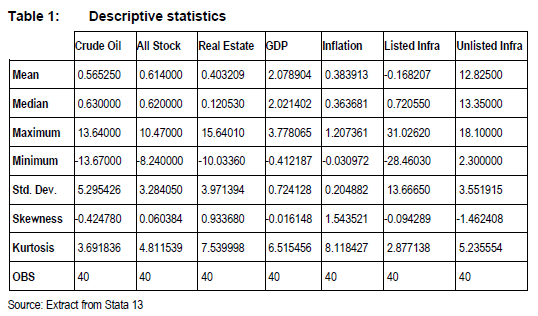
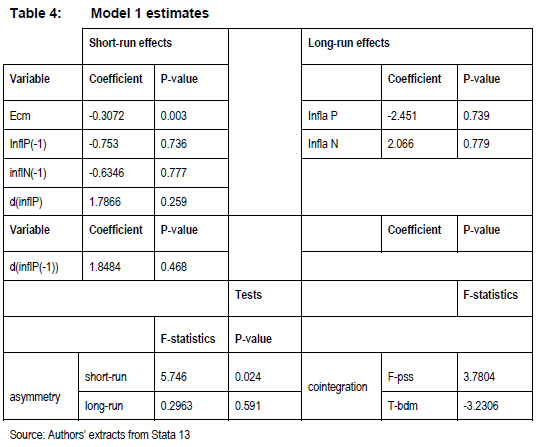
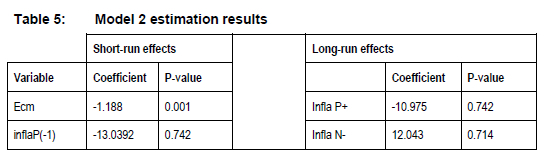
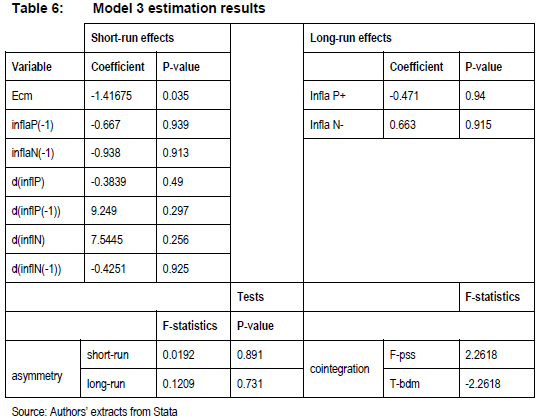
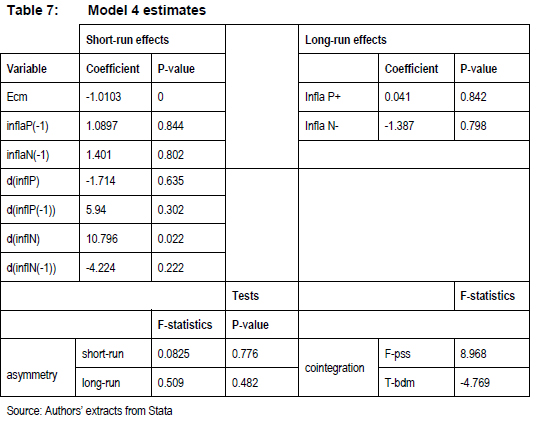
Inflation is one of the key economic risks affecting savers, investors and the corporate world in general. Investors are thus continuously on the hunt for investments and assets which can protect their wealth from this risk. This study evaluated the ability of infrastructure investments to hedge inflation in emerging markets. The study adopted non-linear autoregressive distributed lag model (NARDL) to enable detection of the asymmetric inflation hedging ability of infrastructure in the long and short run. The results indicated that infrastructure investments in emerging markets are not asymmetric inflation hedgers, implying that investors cannot hedge positive and negative inflation shocks using infrastructure investments in these markets. Considering the stochastic and distributional properties of listed and unlisted infrastructure investments, it was noted that they can play a complementary role in a portfolio. This implies that investors can realise some risk diversification benefits by including listed and unlisted infrastructure in the same portfolio. The present study makes noteworthy positive contributions in terms of methodology (non-linear models), asset class under consideration (infrastructure) and geographical coverage (emerging markets). Past studies used linear models, concentrated on general equity and gold's ability to hedge inflation in developed nations.
Emerging markets; hedge; inflation; infrastructure; investors and non-linear