The application of management accounting practices towards sustainable tourism entrepreneurship
Abstract
PURPOSE OF THE STUDY: The purpose of this study is to extensively review the extant literature on the absence of an application of MAP to STE and to discover future research paths. The study will also recommend ways of implementing and adopting MAP to ensure the sustainability of tourism entrepreneurship. DESIGN/METHODOLOGY/APPROACH: This study employed a Systematic Review analysis as it is perceived as pre-eminent research, as evidenced by other field assertions and empirical studies. FINDINGS: The holistic findings of the study revealed substantial improvements regarding the operational performance and business sustainability achieved through applying MAP. There's also an assertion in the outcomes that the insight provided by MAP in contemporary, as well as in conventional practices, has a remarkable possibility of amplifying the economic performance of an STE by uplifting the success of the managerial performance while perpetually lessening wastage and effectively using resources. RECOMMENDATIONS/VALUE: The study recommends that four MAP applications be adopted to ensure STE, namely 1) Environmental Cost Accounting, 2) Performance Measurement, 3) Decision Support Systems and 4) Resource Efficiency. MANAGERIAL IMPLICATIONS: By adopting Environmental Cost Accounting, Performance Measurement, Decision Support Systems, and Resource Efficiency, managers can make informed decisions, optimise resource utilisation, reduce waste, enhance operational efficiency, and strengthen the long-term competitiveness and resilience of their businesses. JEL CLASSIFICATION: L83
Environmental Responsibility; Management Accounting; Social Responsibility; Sustainable Tourism Entrepreneurship; Sustainability; Tourism Management
1. INTRODUCTION
Governments have used government bonds across the world as an important tool to raise Management Accounting Principles (MAP) refer to a combination of several disciplines formulated to meet management's core needs of amplifying decision support goals, implementing internal business procedures and customer value, and monitoring resource application and capacity development necessary to reach corporate goals optimally (Ghandour, 2021). Conventionally, MAP primarily focuses on determining the product, processes or project costs. The progression of MAP has demonstrated consistent growth in helping businesses meet the demands of a rapidly evolving external environment (Dasanayaka et al., 2021). As a result, MAP has progressed into integrative, interdisciplinary management tools encompassing a chain of experimental skills to produce accurate insights, assisting businesses in making explicit decisions to develop and implement effective corporate plans more efficiently than before (Nik Abdullah et al., 2022). Hence, it can be concluded that MAP plays an essential role in modern business management processes (Zhyvko et al., 2022).
Towards the late 1980s, global crises such as growing competition and stakeholder pressure on corporations to be aggressively transparent and accountable for environmental responsiveness led to a critical approach to establishing the sustainable management accounting concept, derived from the conventional MAP (Broccardo & Mauro, 2024). Mohammadi and Saeidi (2022) assert that applying MAP could have both a direct and indirect impact on advancing corporate performance in economic, social and environmental realms. According to Edirisinghe et al. (2024), the insights derived from conventional and contemporary MAP possess substantial potential to improve the economic performance of businesses by strengthening managerial performance, reducing waste and effectively utilising resources. Furthermore, MAP, through its advanced accounting methods, Environmental Management Accounting (EMA), can generate and provide insight for planning and decision-making to achieve economic benefits and accomplish socio-environmental objectives (Appannan et al., 2023).
Applying MAP is one of the prospective strategies for businesses of all kinds to continuously rejuvenate their operations and achieve sustainability objectives in this rapidly evolving environment (Roslender et al., 2024). MAP, therefore, can be regarded as one of the most optimistic tools for sustainable development (Schaltegger et al., 2022). In this study, tourism, particularly Sustainable Tourism Entrepreneurship (STE), was chosen over other sectors because it directly balances economic growth with environmental and social responsibility (Shekhar & Das, 2026). Unlike many industries, tourism depends on preserving cultural and natural resources (Lee et al., 2023), making MAP vital in ensuring long-term sustainability, accountability and resilience for both communities and businesses (Magliacani & Toscano, 2023). In this study, the key concepts that revolve around STE embody the principles of sustainable tourism by ensuring that economic activities do not compromise natural resources, cultural heritage or community well-being (Sihombing et al., 2024). Within this framework, keywords such as sustainability, environmental responsibility, social responsibility, entrepreneurship, and tourism management are central, as they capture the dual emphasis on business innovation and ethical practice (Oskam & De Visser-Amundson, 2022). Linking STE directly to sustainable tourism ensures these keywords remain valid, reflecting both theoretical foundations and practical application.
Bearing in mind the outcomes of the extant studies on MAP and sustainable development across various business contexts, the STE context has been independently recognised for its diverse structures and for the inclusion of owners in business operations (Rosato et al., 2021). The gap driving this review lies in the limited application of MAP within STE. While tourism is a rapidly growing sector with significant sustainability challenges, there is a need to explore how accounting tools can guide entrepreneurs in balancing profitability with environmental and social responsibilities, creating a practical and conceptual void. Accordingly, Nartey and Van der Poll (2021) assert that the application of MAP towards the sustainable development of an STE is dependent on the involvement degree of the owners in business operations, while Oyewo (2021) maintains that potential elements like institutional pressure, internal changes within the business, rigorous competition, size and other key components, are causal factors of the application of MAP in STE. Furthermore, based on research findings on the employment of EMA strategies, the dominant trigger is external pressures (Dasanayaka et al., 2021). Given these conditions, discrepant research outcomes regarding the application of MAP and EMA to the sustainable development of the STE pose challenges for determining a unified and robust conclusion (Mukwarami et al., 2023). Likewise, sustainable development is an increasingly important phenomenon with a burgeoning focus on global social and environmental issues, while STE experiences the dynamic global environment (Uralovich et al., 2023). Consequently, it is crucial to compile a register of current works through a systematic literature review to pinpoint emerging areas and exposed trends. This would help uncover knowledge gaps that need to be bridged through advanced research in this scope of research.
Accordingly, the key objective of this Systematic Review is to pinpoint specific knowledge gaps in the existing literature by assessing the extant literature on the outcomes of applying MAP to STE. However, due to the broad scope of the sustainable development concept, this review focuses solely on the economic and environmental elements to conduct an analytical, in-depth evaluation. The study is based on examining suitable reports from the Department of Trade, Industry and Competition, the Chartered Institute of Management Accountants South Africa, the South African Institute of Professional Accountants and various professional bodies representing small businesses. Three research questions were formulated to address the objectives of this study, as follows:
1) What are the motivational drivers and barriers to the application of MAP toward promoting the economic and environmental performance of STE?
2) What are the configurations of the application of MAP toward promoting the economic and environmental performance of STE?
3) What are the outcomes of the application of MAP toward promoting the economic and environmental performance of STE?
The theoretical perspective of this paper is defined in the section that follows. The study's methodology is presented first, followed by the findings and discussion. Finally, the conclusions and a path for future research are introduced based on the identified key knowledge or research gaps.
STE refers to entrepreneurial initiatives that integrate economic goals with environmental protection and social responsibility in tourism (Zeng et al., 2024). It is measured through indicators such as resource efficiency, community involvement and long-term profitability (Wang et al., 2022). STE operationalises sustainable tourism by translating its principles into business models that balance profit with sustainability (Scuttari et al., 2025).
2.1
The Contingency TheoryContingency Theory suggests that there is no single best way to apply MAP; rather, their effectiveness depends on the specific context in which they are used (Gunarathne & Lee, 2021). In STE, this means that MAP must be tailored to factors such as business size, resource availability, market conditions and sustainability objectives (Sarigiannidis et al., 2023). For instance, a small eco-lodge may prioritise cost control and environmental reporting, while a larger operator may emphasise performance measurement and strategic planning. By aligning MAP with these contingencies, STE ventures can make more informed decisions, enhance accountability, and achieve both financial and sustainability goals (Estiningrum et al., 2025).
2.2
The Resource-Based View in STEUsing the Resource-Based View (RBV), sustainability performance in STE can be seen as a source of competitive advantage because it builds valuable, rare, inimitable and non-substitutable resources (Purba et al., 2023). Practices such as eco-certifications, strong community partnerships and sustainable innovations enhance reputation, attract eco-conscious travellers and foster customer loyalty (Velaoras et al., 2025). These capabilities are difficult for competitors to replicate, positioning sustainable tourism businesses uniquely in the market (Arbelo et al., 2025). By embedding sustainability into core operations, STE ventures not only meet regulatory and ethical expectations but also strengthen their brand equity and long-term profitability, proving that sustainability performance is integral to sustained competitive advantage (Alsheref et al., 2024).
2.3 The impact of sole proprietor ownership on the sustainable performance of STE
When business maintenance is the sole proprietor's responsibility, the owner faces serious concerns about the business's reputation, as they must ensure business longevity to enable the transfer of a prosperous business heritage to future generations (Okoh et al., 2021). In situations such as these, it is perceived that the business reputation relies upon the owner (Chaudhary et al., 2021). This category of businesses has therefore identified a strong rationale for achieving socio-environmental performance to preserve the business's image and goodwill, as well as to transfer a reputable, sustainable business to future generations (StaniSkis et al., 2022). However, when outside investors are invited into the business and become part of its operations, a gap may arise between business intentions and owner values, such as personally aligned non-economic goals, primarily because of the likely impulse of new investors toward sole economic goals, such as short-term profits (Mayer, 2021). A situation like this may result in a conflict of interest between an owner's non-economic intentions and the economic objectives of outside investors (Richards, 2023). Ultimately, allocating resources for investing in socio-environmental activities may be hindered. In contrast, Ferrarini (2021) asserts that outside investors who behave like dedicated owners are inclined to adopt sustainability strategies in the long run, rather than prioritising short-term profits. It can thus be seen that the condition mentioned above has the potential to encourage sole proprietors to pursue sustainable performance.
Moreover, businesses with sole proprietorship may employ personal friends or family members based on family interests, despite meritocratic principles (Kim & Marler, 2022). Similarly, the newly recruited personal acquaintances of sole proprietors may desire to preserve the financial resources to avoid the financial risks of investing in socio-environmental initiatives (Staniskis et al., 2022). In such cases, the decisions of these new personnel members are normally unchallenged by business owners due to kinship and family ties, resulting in these employees' freedom to manage the business as they wish (Signori & Fassin, 2023). Considering this, there is a clear, crucial interconnection between the sustainable performance of STE and the tactical orientation of business ownership, whether they are sole proprietors or external investors (Akomea et al., 2023).
2.4 The impact of partnership ownership on the sustainable performance of STE
Among various business structures, Partnership Ownership (PO) has garnered attention for its potential to enhance the sustainable performance of tourism ventures (Geoffrey Deladem et al., 2021). To explore how PO impacts STE's sustainable performance, delving into the financial, social and environmental aspects is necessary. However, there are challenges in PO within STE. Partners may have different visions for the direction of the business, leading to conflicts and disagreements. For instance, one partner might prioritise rapid expansion, while another focuses on maintaining sustainable practices (Folger et al., 2021).
Decision-making can become contentious, particularly when partners have equal authority. Disagreements on key issues such as investments, marketing strategies and operational changes can stall progress (Amey & Eddy, 2023). Differences in management styles can create friction. One partner might adopt a hands-on approach, while another might prefer a more hands-off style, leading to conflicts in daily operations (Pistoni et al., 2024). Often, one partner may feel they are contributing more effort or resources than others. This imbalance can lead to resentment and decreased motivation among partners (Mancini et al., 2021). Partners may have varying expertise and skill levels, leading one partner to take on more responsibilities. This can hinder the overall efficiency and effectiveness of the business (Carlisle et al., 2023). Holding partners accountable for their responsibilities can be challenging, especially when roles and expectations are not clearly defined. This lack of accountability can lead to operational inefficiencies (Rajala & Kokko, 2022). Disputes over profit distribution can arise, particularly if partners perceive the sharing arrangement as unfair. This can strain relationships and affect business harmony (Nelson, 2022). Partners may disagree on the value of capital to invest in the business or how to allocate resources for different projects. Such disagreements can hinder business growth and sustainability efforts (Bethlehem et al., 2022). Differing attitudes towards financial risk can cause friction. One partner might be risk-averse, preferring conservative investments, while another might advocate for riskier ventures with potentially higher returns (Crovini et al., 2021).
In STE, international partnerships are crucial but are often challenged by cultural differences that can lead to misunderstandings and miscommunication, impacting marketing and customer service strategies (Tien et al., 2021). Variations in operational standards may lead to inconsistent tourist experiences, particularly when partners differ in quality control, customer engagement and sustainability practices (Crossley et al., 2021). Legal and regulatory complexities also add pressure, as navigating diverse business and environmental requirements across countries can hinder sustainable initiatives (Allen et al., 2021). Furthermore, not all partners share the same commitment to sustainability; some prioritise short-term profits over long-term environmental goals, creating tensions in strategy. Disagreements often surface over adopting eco-friendly technologies or balancing sustainability with cost-efficiency. Even when practices are implemented, differences in measuring and reporting sustainability outcomes can result in inconsistent data, weakening transparency and the enterprise's credibility (Dentoni et al., 2021).
3. METHODOLOGY
A systematic review is crucial for enabling researchers to forge ahead with their research by revealing existing knowledge gaps, as it assembles existing literature and summarises it to demonstrate the current intricate issues in the appropriate mainstream genre. A systematic review is thus considered a pre-eminent level of evidence in research, alongside other field assertions and empirical studies (Paparini et al., 2021).
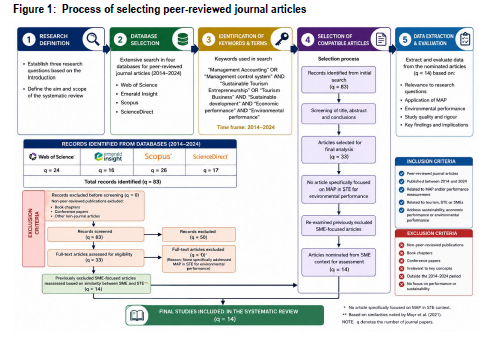
The following five steps were followed in formulating the methodological segment of this systematic literature review. They are: (a) Research definition, (b) Database selection, (c) Identification of keywords and terms, (d) Selection of compatible articles and (e) Data extraction and evaluation. At the outset, three research questions were established as guided by the discussion in the Introduction section. Afterwards, an extensive online search was conducted using four databases: Web of Science, Emerald Insight, Scopus and ScienceDirect. As Pranckutè (2021) notes, journals are often used by academics to discover and publish top-notch research findings. Hence, collecting articles from peer-reviewed journals by using the selected keywords was initiated at the start. Book chapters, conference papers and other articles were eliminated to focus solely on peer-reviewed articles. The first literature assessment helped improve the study by revealing key concepts and search terms, as well as a definition of time substructure.
Consequently, the initial probe was restricted to the keywords "Management Accounting" OR "Management control system" AND "Sustainable Tourism Entrepreneurship" OR "Tourism Business" AND "Sustainable development" AND "Economic performance" AND "Environmental performance". Next, the probe was refined by defining a period, 2014-2024, to capture recent, relevant research aligning sustainability, tourism entrepreneurship and evolving MAP. The aim of defining a time frame was to obtain a current understanding of STE's sustainability performance, since the concept of sustainability is highly dynamic. Moreover, it was observed that research outcomes on STE have evolved, as business contexts increasingly encompass corporate strategic systems that address the dynamics of environmental sustainability. In the initial exploration, 83 papers directly related to the study's key concepts were selected. Later on, an intensive review of the title, abstract and conclusions was undertaken. Several studies that were not directly linked to the study's fundamentals were excluded from the analysis; hence, 33 papers were selected for the final analysis. However, among the final list of 33 papers, no paper specifically focused on the application of MAP to the STE context to strengthen their environmental performance and/or responsiveness. Hence, the articles initially eliminated under the first elimination criteria were focused solely on small- to medium-sized enterprises (SMEs) and were evaluated again.
According to Mayr et al. (2021), even if the definitions of STE and SME differ, they tend to display some apparent similarities. For instance, the organisational structure of the business orientation of both SMEs and STEs is somewhat alike. They both have flat organisational structures, with few individuals responsible for decision-making, influenced by personal interests rather than formalised business processes. They also have both financial and non-financial objectives. Therefore, 14 articles were nominated from the SME context to assess the application of MAP in strengthening environmental performance.
The inclusion and exclusion criteria, along with the number of journal papers nominated at each platform, are detailed in Figure 1, where q denotes the number of journal papers.
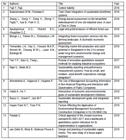
The bibliography of the nominated final 14 articles is detailed in Appendix 1. A thematic content analysis technique was applied in critically evaluating the outcomes of the nominated papers based on the three major themes outlined in the Introduction, which are i) Drivers and barriers, ii) Configurations, and iii) Outcomes of the application of MAP towards STE. In the end, this process was anticipated to offer a concise and holistic picture of the research scope and to reveal specific areas for future research. The study's conceptual framework is detailed in Figure 1.
4. FINDINGS AND DISCUSSION
As discussed above, this thematic analysis encompasses three prime categories: Motivational drivers and barriers, Configurations and Outcomes of the application of MAP for promoting the sustainable performance of STE.
4.1 Motivational drivers and barriers to the application of MAP for promoting the economic performance of the STE
4.1.1 Motivational drivers
The factors identified below can be considered motivational drivers for applying MAP towards promoting the economic performance of the STE.
Cost savings: Implementing sustainable practices often leads to significant cost savings through efficient resource management, such as reducing energy and water consumption and minimising waste (Rehman et al., 2021).
Access to green funding: Many financial institutions and government bodies offer grants, loans, and incentives to businesses that adopt sustainable practices, making it financially attractive to integrate MAP (Dana et al., 2021).
Consumer preference: There is a growing preference for sustainable tourism options, which can give businesses a competitive edge and increase customer loyalty and revenue (Cavagnaro et al., 2021).
Brand differentiation: Sustainable practices can enhance a brand's reputation, helping it stand out in a crowded market and attract environmentally conscious travellers (Vesal et al., 2021).
Legal requirements: Governments worldwide are implementing stricter regulations to ensure sustainable tourism practices. Compliance with these regulations helps businesses benefit from incentives and avoid penalties (Rajapakse et al., 2022).
Corporate responsibility: Aligning business practices with legal and ethical standards promotes long-term sustainability and corporate responsibility (Lu et al., 2021).
Personal and corporate values: Many entrepreneurs are motivated by a genuine commitment to sustainability by aiming to align their business practices with their personal and corporate values (Gregori et al., 2021).
Community and environmental impact: STE often seeks to make a positive impact on the communities in which they operate and the environment, contributing to social and environmental well-being (Matiku et al., 2021).
4.1.2 Factors considered as barriers to applying MAP
Lack of knowledge and understanding: Many entrepreneurs lack a comprehensive understanding of MAP and its application to sustainability (Schaltegger et al., 2023).
Training gaps: Insufficient available training in sustainability practices and management accounting hinders effective implementation (Rosário et al., 2022).
Initial investment costs: Sustainable practices may require a significant upfront investment, which may be a barrier for small businesses or start-ups (Purwandani & Michaud, 2021).
Perceived high costs: There is a common perception that implementing management accounting systems and sustainable practices is costly, deterring some entrepreneurs (Nartey & van der Poll, 2021).
Cultural barriers: Organisational culture and mindset may resist the changes necessary to implement sustainable practices and MAP (Olafsen et al., 2021).
Process disruption: The fear of disrupting existing processes and operations can prevent businesses from adopting new systems (Oyewo et al., 2022).
Data collection challenges: Accurate collection of sustainability metrics can be difficult, leading to incomplete or unreliable data (Abdelhalim, 2024).
Lack of standardisation: The absence of standardised metrics and tools for measuring sustainability performance complicates the assessment and reporting process (Appannan et al., 2023).
Varaniütè et al. (2022) assert that MAP may play an integral role in managing the growing environmental complexities in cases of extensive internal transformation within businesses, such as business succession, business upscaling, or new market entry. Accordingly, big businesses are likely to be more inclined to apply MAP to efficient business operations, whereas smaller businesses may be less interested in adopting MAP (Sakun et al., 2021).
Furthermore, big businesses often use professional managerial systems to improve their performance, whilst small businesses adopt only related managerial systems to meet institutional pressure, despite their internal capabilities. Napitupulu (2023) maintains that MAP must be applied not only by big businesses but also by small ones, owing to the extreme competition characterised by the global business context. As a result, it is fair to conclude that the contingent components discussed above can be considered prospective elements that serve as both motivational drivers and barriers to the application of MAP in a business. In conclusion, management systems like MAP are perceived as robust approaches for efficiently conducting business operations, regardless of the size or type of business (Dana et al., 2021).
4.2 Configurations and application of MAP to amplify performance
The sub-sections below introduce five main MAP keys identified during the review process in the STE context.
4.2.1 Application of Cost Accounting skills by STE
Najera Ruiz and Collazzo (2021) assert that large businesses tend to employ more sophisticated Management Accounting tools, such as Activity-based Costing (ABC), than small businesses. Furthermore, there is evidence that manufacturing-oriented SMEs, as opposed to non-manufacturing businesses, have a considerable propensity to employ innovatory cost accounting techniques owing to the complex nature of their systems (Almatarneh et al., 2022). According to Quesado and Silva (2021), most large businesses across industries have been using the ABC method to obtain accurate cost information to support decision-making. This is predominantly because the business industries are particularly diverse, overly competitive, and operate in a high-quality, low-cost, tactically oriented era (Alsharari, 2024). Therefore, the STE can significantly benefit from the ABC technique, as it will assist in precisely measuring and controlling production costs and ultimately lead to lower product prices (Jourdaine et al., 2021).
4.2.2 Application of budgeting and planning skills by STE
Effective integration of budgeting and planning ensures that financial management aligns with sustainability goals by developing and monitoring sustainability-related key performance indicators (KPIs). The KPIs may encompass carbon footprint, water usage, community engagement, and economic impact (Guarini et al., 2022). Because of these skills, businesses can acquire measurable data to track progress and inform decision-making, implement regular reviews and updates to budgeting and planning processes, and use feedback and performance data to refine strategies and budgets (Gupta & Deena, 2021). Integrating budgeting and planning for sustainability ensures ongoing alignment with sustainability objectives and adapts to changing conditions. It also regularly assesses the financial sustainability of tourism operations (Biondi & Russo, 2022). This process also evaluates revenue streams, cost structures, and investment needs, with a focus on long-term viability, identifying potential financial risks and opportunities for sustainable growth. Budgeting and planning are essential tools to assist the STE to balance profitability with sustainability (Dopp et al., 2021). By employing skills such as zero-based budgeting, strategic planning, and participatory planning, STE can effectively manage resources, engage stakeholders, and achieve long-term sustainability goals. The integration of these skills ensures that financial practices support sustainable development, benefiting the business and the broader community (Okoh et al., 2023).
4.2.3 Application of performance evaluation skills by STE
Performance evaluation is crucial for STE, providing insights into operational efficiency, sustainability outcomes, and areas for improvement (Mio et al., 2022). This document examines various performance evaluation skills employed by STE, their benefits, and practical implementation. Effective implementation of performance evaluation skills involves defining clear, measurable objectives aligned with sustainability goals, regularly collecting relevant data, analysing it to assess performance, and sharing performance results with stakeholders to use as feedback to refine strategies (Hervani et al., 2022). Integrating sustainability into performance evaluation ensures that environmental and social impacts are considered alongside economic performance (Neri et al., 2021). This function assists in conducting comprehensive audits to evaluate sustainability practices and performance by enabling comparisons with industry standards or best practices (Rehman et al., 2021) and by implementing a cycle of ongoing evaluation and enhancement of sustainability practices (Negri et al., 2021). Performance evaluation assists the STE in balancing profitability with sustainability (Parte & Alberca, 2021). By employing skills such as the balanced scorecard, triple bottom line, and KPIs, STE can effectively assess their performance, identify areas for improvement, and ensure its operations contribute positively to the environment and society. Integrating sustainability into the performance evaluation process ensures a comprehensive approach to measuring success and fosters long-term sustainability in the tourism industry (Mio et al., 2022).
4.2.4 Application of decision-making procedures to STE
Decision-making in STE is critical for balancing economic growth with environmental stewardship and social responsibility (Saarinen, 2021). This document explores various decision-making processes and their applications in sustainable tourism, highlighting their benefits and practical implementation. Integrating sustainability into the decision-making process ensures that environmental and social considerations are systematically included alongside economic factors (Paul et al., 2021). This process also avails tools and frameworks that assess the sustainability impact of decisions (Schulte & Knuts, 2022), a decision-making process that considers multiple criteria, including economic, environmental, and social factors (Paul et al., 2021), a dynamic decision-making process that adjusts strategies based on ongoing monitoring and feedback (Settembre-Blundo et al., 2021) and effective decision-making processes that are vital for STE to achieve a balance between profitability and sustainability (Parte & Alberca, 2021). By employing skills such as rational, participatory and ethical decision-making frameworks, STE can ensure that decisions support long-term sustainability goals (Neely et al., 2021). Integrating sustainability assessment tools, multi-criteria decision analysis, and adaptive management further enhances the ability to make informed, responsible decisions that benefit the business and the broader community (Radmehr et al., 2022).
4.2.5 Application of strategic management accounting in STE
Strategic management accounting (SMA) involves using accounting insights to support strategic decision-making and sustainable business operations (Fitria, 2021). In the context of STE, SMA provides valuable insights that help balance economic goals with environmental and social responsibilities (Gunarathne et al., 2023). This document explores various SMA skills and their application in the STE, highlighting their benefits and practical implementation. SMA skills equip tourism entrepreneurs with tools to make informed strategic decisions aligned with sustainability goals (Varzaru et al., 2022). Key skills included in EMA focus on identifying, collecting and analysing environmental cost information to support sustainable practices (Duci, 2021). It also involves ABC, which assigns costs to relevant activities based on their resource consumption, providing detailed insights into cost drivers (Najera Ruiz & Collazzo, 2021). It is a tactical planning and management approach that assesses performance from various perspectives: customer, financial, learning and growth and internal processes (Ojra et al., 2021). Effective implementation of SMA involves defining clear, measurable objectives aligned with sustainability goals; regularly collecting relevant data; analysing it to assess performance; and using environmental monitoring tools, financial reports and stakeholder surveys to gather data (Gunarathne et al., 2023). SMA is essential for STE to balance profitability with sustainability (Parte & Alberca, 2021). By employing skills such as EMA, ABC, and the balanced scorecard, STE can effectively manage resources, evaluate performance, and make informed strategic decisions (Duci, 2021). Integrating sustainability metrics into accounting processes ensures a comprehensive approach to measuring success, benefiting the business and the broader community (Radmehr et al., 2022).
4.3 Outcomes of the application of MAP in STE
Applying MAP to STE can lead to various positive outcomes, with some key outcomes outlined in the discussion below. This process can improve budgeting and forecasting to ensure financial sustainability (Oyewo, 2021). It can also enable better cost management and resource allocation to minimise waste and optimise resource use (Appannan et al., 2023). Moreover, accurate financial reporting enables the tracking of the business's financial performance and health (Saputra et al., 2021). Adopting MAP enables data-driven decisions grounded in comprehensive financial analysis and reporting (Abdelhalim, 2024). It is easier to identify profitable and non-profitable activities, leading to more strategic business decisions (Jagadish & Sharmila, 2021). Enhanced ability to evaluate the financial viability of new projects or initiatives is enabled (Oyewo et al., 2021). It is effective for implementing cost-saving measures that promote environmental sustainability, such as energy-efficient practices and waste-reduction strategies (Alzlzly, 2024). These principles guide the monitoring and management of the environmental impact of tourism activities to ensure compliance with sustainability standards (Gunarathne et al., 2023). Adopting them encourages sustainable practices among suppliers and partners through financial incentives and performance metrics (van Der Poll, 2022). MAP promotes the development of KPIs tailored to sustainable tourism goals, such as carbon footprint, resource use, and community impact (Balouei Jamkhaneh et al., 2023). They also enable regular performance reviews to assess progress towards sustainability targets and make necessary adjustments (Oyewo, 2021).
Furthermore, they enhance the use of benchmarking to compare performance against industry standards and best practices (Oyewo et al., 2021). MAPs are also useful in Risk Management by identifying and mitigating financial and operational risks associated with sustainability initiatives (Abu Afifa & Saleh, 2021). They are also vital in preparing for potential financial impacts from environmental regulations and sustainability-related market changes (Oyewo et al., 2021). They enhance resilience to economic fluctuations and external shocks through diversified revenue streams and sustainable practices (Gleißner, 2023). MAPs are crucial in stakeholder engagement and transparency through improved communication and reporting to stakeholders, including investors, customers, and the community, regarding sustainability efforts and outcomes (Adeusi et al., 2024). They increase trust and credibility with stakeholders through transparent, accountable financial practices and also ensure greater alignment with the values and expectations of environmentally conscious consumers and investors (Gunarathne et al., 2023). Applying MAP ensures long-term value creation by building a strong reputation as a responsible, sustainable business, thereby increasing customer loyalty and market differentiation (Oyewo et al., 2021). The application will help achieve long-term financial stability and growth by balancing profitability with sustainability (Dasanayaka et al., 2021). It will also contribute to the sustainable development of the tourism periphery and to the preservation of natural and cultural resources (Nartey & van der Poll, 2021). In summary, the application of MAP to STE not only supports financial performance but also fosters sustainable practices, enhances stakeholder trust, and contributes to the long-term viability of the business and the industry (Mio et al., 2022).
5. MANAGERIAL IMPLICATIONS
Adopting Management Accounting Practices (MAP) enhances financial resilience, operational efficiency, stakeholder credibility and long-term competitive advantage in STE globally. By providing accurate financial and non-financial information, MAP enables managers to anticipate risks, allocate resources effectively and respond proactively to changing market and environmental conditions. Improved cost management and performance monitoring support operational efficiency while reducing waste and unnecessary expenditure. Furthermore, transparent reporting and sustainability measurement strengthen the confidence of investors, customers, regulators and local communities. As sustainability increasingly influences consumer preferences and business regulations, organisations that effectively implement MAP are better positioned to achieve sustained growth, differentiate themselves from competitors and maintain long-term organisational viability in a dynamic global tourism environment.
6. CONCLUSION
Across studies on STE, three key global drivers consistently emerge. First, growing environmental awareness pushes businesses to adopt sustainable practices as tourists increasingly demand eco-friendly options and governments tighten environmental regulations (Maniktala & Sharma, 2023). Second, market differentiation and competitiveness encourage entrepreneurs to embed sustainability as a strategy to attract niche markets, enhance reputation, and secure long-term viability (Gomez-Trujillo et al., 2024). Third, community engagement and socio-cultural preservation act as drivers, as tourism enterprises increasingly recognise the value of involving local communities, protecting heritage, and fostering inclusive development (Chauhan, 2025). Together, these drivers highlight sustainability as both an ethical imperative and a strategic advantage in STE (Sharma & Sodani, 2024).
Previous research has explored tourism destination competitiveness (Rheeders, 2022), the resilience of small tourism enterprises post-COVID-19 (Litheko, 2024), and the development of sustainable tourism in mining towns (Makhubela & Minni, 2024). These studies confirm that sustainability in tourism is both a strategic necessity and an operational challenge, but they rarely examine how MAP specifically supports STE. This gap underscores the importance of integrating management tools with sustainable entrepreneurship, enabling tourism enterprises to balance financial viability with broader environmental and social responsibilities.
This review aimed to provide an overview of extant research on the application of MAP to the sustainable development of STE. Given the broad spectrum of sustainable development, this article addressed only its economic and environmental facets. It aimed to provide a benchmark for further research by assessing the extant literature under the three prime themes: (i) Drivers and barriers, ii) Configurations and iii) Outcomes of the application of MAP towards STE as discussed above. Based on the extant literature and the assertions of Dasanayaka et al. (2021), a few researchers have focused on evaluating the impact of MAP on the sustainable development of STE but have not paid much attention to it.
Given the current limitations in the findings, it is suggested that further qualitative and quantitative research be conducted to broaden knowledge on this theme and to hypothesise outcomes to serve as a guideline for new and developing correlational research on the application of MAP toward sustainable development in STE. More quantitative research is critical to generalising the outcome of this conclusion, as this study was primarily based on qualitative data. It is also crucial to identify the leadership attributes necessary for adopting MAP in the STE context, as only a limited amount of prevailing theoretical knowledge is established in this field. For instance, further research on the Accounting-Leadership integrated theme would develop a new angle to this concept.
Meanwhile, the Training gaps and cultural barriers, and their impact on MAP, should be scrutinised further. With the attempt to review the application of specific aspects of MAP, which are Cost Accounting, Budgeting and Planning, Performance Evaluation, Decision-Making and Strategic Management in STE, it was perceived that STEs are generally more likely to adopt conventional and informal MAP, as the business operations are run by entrepreneurs and their close acquaintances, who are involved in the management of the business and resource allocation. However, contingency factors such as Access to Green Funding, Consumer Preference, Brand Differentiation and Legal Requirements, among others, have been revealed as potential motivational drivers for adopting contemporary MAP in STE. Moreover, owner managers' traits and other personnel members who are closely acquainted with the owners, coupled with age, have had a significant effect on the choice of MAP to be adopted in the business. Nonetheless, various studies have revealed a paucity of literature in recent decades that is committed to investigating the effect of applying MAP on the sustainable performance of STE. As a result, there are still numerous realms yet to be scrutinised.
Regarding EMA processes in STE, it was revealed that no research has yet been reported that directly focuses on the context of STE and its diverse characteristics. Minimal studies have been reported that cover this research theme. It is therefore recommended that dedicated research be conducted on EMA processes, covering all aspects of STE. According to the existing literature, the application of EMA to STE has been encouraged by external factors such as access to Green Funding and Consumer Preferences. However, to determine the most prevalent motivational driver among other potential factors, further qualitative and quantitative research should be conducted to test this hypothesis. Likewise, regarding the established barriers to the application of EMA processes toward STE, internal organisational barriers are perceived as dominant in previous studies, rather than external environmental barriers.
Conflict of interest: The author declares no conflict of interest with respect to the research, authorship and publication of the article.
Data availability: The data used for this article are available in Tshivhase's systematic literature review on management accounting practices in sustainable tourism entrepreneurship.
Ethical clearance and informed consent statement: Ethical approval was not required for this study because it employed a Systematic Literature Review (SLR) and did not involve human participants, animals, or primary data collection.
Funding: The author did not receive any financial support for research, authorship and publication of the article.
REFERENCES
2. LITERATURE REVIEW
-
Abdelhalim, A.M. (2024). How management accounting practices integrate with big data analytics and its impact on corporate sustainability. Journal of Financial Reporting and Accounting, 22(2), 416-432. https://doi.org/10.1108/JFRA-01-2023-0053
» https://doi.org/10.1108/JFRA-01-2023-0053 -
Abu Afifa, M.M. & Saleh, I. (2021). Management accounting systems effectiveness, perceived environmental uncertainty and enterprise risk management: Evidence from Jordan. Journal of Accounting and Organizational Change, 17(5), 704-727. https://doi.org/10.1108/JAOC-10-2020-0165
» https://doi.org/10.1108/JAOC-10-2020-0165 -
Adeusi, K.B., Jejeniwa, T.O. & Jejeniwa, T.O. (2024). Advancing financial transparency and ethical governance: innovative cost management and accountability in higher education and industry. International Journal of Management & Entrepreneurship Research, 6(5), 1533-1546. https://doi.org/10.51594/ijmer.v6i5.1099
» https://doi.org/10.51594/ijmer.v6i5.1099 -
Akomea, S.Y., Agyapong, A., Ampah, G. & Osei, H.V. (2023). Entrepreneurial orientation, sustainability practices and performance of small and medium enterprises: Evidence from an emerging economy. International Journal of Productivity and Performance Management, 72(9), 2629-2653. https://doi.org/10.1108/IJPPM-06-2021-0325
» https://doi.org/10.1108/IJPPM-06-2021-0325 - Allen, W.T., Kraakman, R. & Khanna, V.S. (2021). Commentaries and cases on the law of business organization. Aspen Publishing: BOS.
-
Almatarneh, Z., Jarah, B. & Jarrah, M. (2022). The role of management accounting in the development of supply chain performance in logistics manufacturing companies. Uncertain Supply Chain Management, 10(1), 13-18. https://doi.org/10.5267/j.uscm.2021.10.015
» https://doi.org/10.5267/j.uscm.2021.10.015 -
Alsharari, N.M. (2024). The interplay of strategic management accounting, business strategy and organizational change: As influenced by a configurational theory. Journal of Accounting & Organizational Change, 20(1), 153-176. https://doi.org/10.1108/JAOC-09-2021-0130
» https://doi.org/10.1108/JAOC-09-2021-0130 -
Arbelo, A., Arbelo-Pérez, M., De Vera, V. & Bilgihan, A. (2025). Green premiums: assessing the revenue impact of eco-certification in the hospitality sector. International Journal of Contemporary Hospitality Management, 37(13), 64-83. https://doi.org/10.1108/IJCHM-04-2024-0534
» https://doi.org/10.1108/IJCHM-04-2024-0534 -
Alsheref, F.K., Khairy, H.A., Alsetoohy, O., Elsawy, O., Fayyad, S., Salama, M., Al-Romeedy, B.S. & Soliman, S.A.E.M. (2024). Catalyzing green identity and sustainable advantage in tourism and hotel businesses. Sustainability, 16(12), 1-26. https://doi.org/10.3390/su16125267
» https://doi.org/10.3390/su16125267 - Amey, M.J. & Eddy, P.L. (2023). Creating strategic partnerships: A guide for educational institutions and their partners. NY: Taylor & Francis.
-
Appannan, J.S., Mohd Said, R., Ong, T.S. & Senik, R. (2023). Promoting sustainable development through strategies, environmental management accounting and environmental performance. Business Strategy and the Environment, 32(4), 1914-1930. https://doi.org/10.1002/bse.3227
» https://doi.org/10.1002/bse.3227 -
Alzlzly, K.R.H. (2024). Advancements in cost accounting skills for achieving Sustainable Development Goals. Educational Administration:Theory And Practice, 30(4), 2041-2050. https://doi.org/10.53555/kuey.v30i4.1799
» https://doi.org/10.53555/kuey.v30i4.1799 -
Balouei Jamkhaneh, H., Shahin, R. & Shahin, A. (2023). Assessing sustainable tourism development through service supply chain process maturity and service quality model. International Journal of Productivity and Performance Management, 72(7), 2046-2068. https://doi.org/10.24818/RMCI.2020.2.216
» https://doi.org/10.24818/RMCI.2020.2.216 -
Bethlehem, D., McRae, D., Neufeld, R. & Van Damme, I. (2022). The Oxford handbook of international trade law. Oxford University Press: NY. https://doi.org/10.1093/oxford hb/9780199231928.001.0001
» https://doi.org/10.1093/oxford hb/9780199231928.001.0001 -
Biondi, L. & Russo, S. (2022). Integrating strategic planning and performance management in universities: A multiple case-study analysis. Journal of Management and Governance, 26(2), 417-448. https://doi.org/10.1007/s10997-022-09628-7
» https://doi.org/10.1007/s10997-022-09628-7 -
Broccardo, L. & Mauro, S.G. (2024). The path towards sustainability: The role of internal stakeholders and management accounting in a dialogic perspective. Corporate Social Responsibility and Environmental Management, 31(3), 1-18. https://doi.org/10.1002/csr.2697
» https://doi.org/10.1002/csr.2697 -
Carlisle, S., Ivanov, S. & Dijkmans, C. (2023). The digital skills divide: Evidence from the European tourism industry. Journal of Tourism Futures, 9(2), 240-266. https://doi.org/10.1108/JTF-07-2020-0114
» https://doi.org/10.1108/JTF-07-2020-0114 -
Cavagnaro, E., Staffieri, S., Carrieri, A., Burns, K., Chen, N. & Fermani, A. (2021). Profiling for sustainable tourism: young travellers' self-transcendence values and motivations. European Journal of Tourism Research, 28(1), 2810-2810. https://doi.org/10.1016/j.tourman.2024.105000
» https://doi.org/10.1016/j.tourman.2024.105000 -
Chaudhary, S., Dhir, A., Ferraris, A. & Bertoldi, B. (2021). Trust and reputation in family businesses: A systematic literature review of past achievements and future promises. Journal of Business Research, 137(1), 143-161. https://doi.org/10.1016/j.jbusres.2021.07.052
» https://doi.org/10.1016/j.jbusres.2021.07.052 -
Chauhan, N. (2025). Empowering communities and preserving heritage: Case studies on socially responsible travel through fair trade tourism (pp.164-182). https://doi.org/10.1108/978-1-83797-837-320251024
» https://doi.org/10.1108/978-1-83797-837-320251024 -
Crossley, R.M., Elmagrhi, M.H. & Ntim, C.G. (2021). Sustainability and legitimacy theory: The case of sustainable social and environmental practices of small and medium-sized enterprises. Business Strategy and the Environment, 30(8), 3740-3762. https://doi.org/10.1002/bse.2837
» https://doi.org/10.1002/bse.2837 -
Crovini, C., Santoro, G. & Ossola, G. (2021). Rethinking risk management in entrepreneurial SMEs: Towards the integration with the decision-making process. Management Decision, 59(5), 1085-1113. https://doi.org/10.1108/ijebr-05-2023-0535
» https://doi.org/10.1108/ijebr-05-2023-0535 -
Dana, L.P., Rounaghi, M.M., Enayati, G. & Researcher, M.I. (2021). Increasing productivity and sustainability of corporate performance by using management control systems and intellectual capital accounting approach. Green Finance, 3(1), 1-14. https://doi.org/10.1016/j.jclep_ro.2019.117785
» https://doi.org/10.1016/j.jclep_ro.2019.117785 -
Dasanayaka, C.H., Murphy, D.F., Nagirikandalage, P. & Abeykoon, C. (2021). The application of management accounting practices towards the sustainable development of family businesses: A critical review. Cleaner Environmental Systems, 3(1), 1-14. https://doi.org/10.1016/j.cesys.2021.100064
» https://doi.org/10.1016/j.cesys.2021.100064 -
Dentoni, D., Pinkse, J. & Lubberink, R. (2021). Linking sustainable business models to socio-ecological resilience through cross-sector partnerships: A complex adaptive systems view. Business & Society, 60(5), 1216-1252. https://doi.org/10.1177/0007650320935015
» https://doi.org/10.1177/0007650320935015 -
Dopp, A.R., Kerns, S.E., Panattoni, L., Ringel, J.S., Eisenberg, D., Powell, B.J., Low, R. & Raghavan, R. (2021). Translating economic evaluations into financing strategies for implementing evidence-based practices. Implementation Science, 16(1), 1-12. https://doi.org/10.1177/2633489520939980
» https://doi.org/10.1177/2633489520939980 -
Duci, E. (2021). The relationship between management accounting, strategic management accounting and strategic cost management. Academic Journal of Interdisciplinary Studies, 10(5), 376-389 https://doi.org/10.36941/ajis-2021-0146
» https://doi.org/10.36941/ajis-2021-0146 -
Edirisinghe, U.C., Hossain, M.M. & Alam, M. (2024). Managerial conception of integrating sustainability into management control systems: Evidence from Sri Lankan manufacturing companies. Qualitative Research in Accounting & Management, 21(2), 105-139. https://doi.org/10.1108/QRAM-05-2023-0093
» https://doi.org/10.1108/QRAM-05-2023-0093 -
Estiningrum, S.D., Astutiningsih, S.E. & Maimuna, N.A. (2025). Evaluating the role of management accounting in sustainable business practices. Jurnal Konseling dan Pendidikan, 13(1), 432-442 https://doi.org/10.29210/1145800
» https://doi.org/10.29210/1145800 -
Ferrarini, (2021). Redefining corporate purpose: Sustainability as a game changer. In Sustainable finance in Europe: Corporate governance, financial stability and financial markets (pp. 85-150). Cham: Springer International Publishing. https://doi.org/10.1007/978-3-030-71834-3_4
» https://doi.org/10.1007/978-3-030-71834-3_4 -
Fitria, G.N. (2021). The effect of management accounting system, sustainable leadership and environmental strategy on business performance with organizational culture as moderator. International Journal of Contemporary Accounting, 3(1), 45-60. https://doi.org/10.25105/ijca.v3i1.9218
» https://doi.org/10.25105/ijca.v3i1.9218 -
Folger, J.P., Poole, M.S. & Stutman, R.K. (2021). Working through conflict: Strategies for relationships, groups, and organizations. England: Routledge. https://doi.org/10.4324/9781003027232
» https://doi.org/10.4324/9781003027232 -
Ghandour, D.A.M. (2021). Analytical review of the current and future directions of management accounting and control systems. European Journal of Accounting, Auditing and Finance Research, 9(3), 42-73. http://dx.doi.org/10.2139/ssrn.3819654
» http://dx.doi.org/10.2139/ssrn.3819654 -
Geoffrey Deladem, T., Xiao, Z., Siueia, T. T., Doku, S., & Tettey, I. (2021). Developing sustainable tourism through public-private partnership to alleviate poverty in Ghana. Tourist Studies, 21(2), 317-343. https://doi.org/10.1177/1468797620955250
» https://doi.org/10.1177/1468797620955250 -
Gleißner, W. (2023). Uncertainty and resilience in strategic management: Profile of a robust company. International Journal of Risk Assessment and Management, 26(1), 75-94. https://doi.org/10.1504/IJRAM.2023.132331
» https://doi.org/10.1504/IJRAM.2023.132331 -
Gomez-Trujillo, A.M., Gonzalez-Perez, M.A. & Baena-Rojas, J.J. (2024). Sustainable strategy as a lever for corporate legitimacy and long-term competitive advantage: an examination of an emerging market multinational. European Business Review, 36(1), 112-139 https://doi.org/10.1108/EBR-01-2023-0003
» https://doi.org/10.1108/EBR-01-2023-0003 -
Gregori, P., Holzmann, P. & Wdowiak, M.A. (2021). For the sake of nature: Identity work and meaningful experiences in environmental entrepreneurship. Journal of Business Research, 122(1), 488-501. https://doi.org/10.26262/syn.v8i1.7729
» https://doi.org/10.26262/syn.v8i1.7729 -
Gunarathne, N. & Lee, K.H. (2021). Corporate cleaner production strategy development and environmental management accounting: A contingency theory perspective. Journal of Cleaner Production, 308(1), 1-10 https://doi.org/10.1016/j.jclepro.2021.127402
» https://doi.org/10.1016/j.jclepro.2021.127402 -
Gunarathne, N., Lee, K.H. & Hitigala Kaluarachchilage, P.K. (2023). Tackling the integration challenge between environmental strategy and environmental management accounting. Accounting, Auditing & Accountability Journal, 36(1), 63-95. https://doi.org/10.1108/AAAJ-03-2020-4452
» https://doi.org/10.1108/AAAJ-03-2020-4452 -
Guarini, E., Mori, E. & Zuffada, E. (2022). Localizing the Sustainable Development Goals: A managerial perspective. Journal of Public Budgeting, Accounting & Financial Management, 34(5), 583-601. https://doi.org/10.1108/JPBAFM-02-2021-0031.40
» https://doi.org/10.1108/JPBAFM-02-2021-0031.40 - Gupta, D.M. & Deena, D.P. (2021). Impact Of budgeting, planning and controlling on the profitability of manufacturing company. International Journal of Aquatic Science, 12(2), 2641-2650.
-
Hervani, A.A., Nandi, S., Helms, M.M. & Sarkis, J. (2022). A performance measurement framework for socially sustainable and resilient supply chains using environmental goods valuation methods. Sustainable Production and Consumption, 30(1), 31-52. https://doi.org/10.1080/13675567.2022.2155936
» https://doi.org/10.1080/13675567.2022.2155936 - Jagadish, A.D. & Sharmila, J. (2021). Impact of profitability on the business, cash flow and profitability. PalArch's Journal of Archaeology of Egypt/Egyptology, 18(8), 4425-4434.
-
Jourdaine, M., Loubet, P., Sonnemann, G. & Trébucq, S. (2021). The ABC-LCA method for the integration of activity-based costing and life cycle assessment. Business Strategy and the Environment, 30(4), 1735-1750. https://doi.org/10.1002/bse.2712
» https://doi.org/10.1002/bse.2712 -
Kim, T. & Marler, L. (2022). Are non-blood related "family" members treated differently? Determinants of bifurcation bias among family members in the family firm. Journal of Family Business Management, 12(1), 136-151. https://doi.org/10.1108/jfbm-06-2020-0057
» https://doi.org/10.1108/jfbm-06-2020-0057 -
Lee, C.K., Olya, H., Park, Y.N., Kwon, Y.J. & Kim, M.J. (2023). Sustainable intelligence and cultural worldview as triggers to preserve heritage tourism resources. Tourism Geographies, 25(2-3), 899-918. https://doi.org/10.1080/14616688.2021.2016934
» https://doi.org/10.1080/14616688.2021.2016934 -
Litheko, A. (2024). An assessment of post-COVID-19 recovery plans for small tourism enterprises in the North-west province, South Africa. Journal of Contemporary Management, 21(2), 227-258 https://doi.org/10.35683/jcman1052.272
» https://doi.org/10.35683/jcman1052.272 -
Lu, J., Liang, M., Zhang, C., Rong, D., Guan, H., Mazeikaite, K. & Streimikis, J. (2021). Assessment of corporate social responsibility by addressing sustainable development goals. Corporate Social Responsibility and Environmental Management, 28(2), 686-703. https://doi.org/10.6001/fil-soc.v31i1.4175
» https://doi.org/10.6001/fil-soc.v31i1.4175 -
Magliacani, M. & Toscano, V. (2023). The Resilience in Cultural Heritage Management: which Role for Accounting?. In Accounting for Cultural Heritage Management: Resilience, Sustainability and Accountability (pp. 137-174). Cham: Springer International Publishing [https://doi.org/10.1007/978-3-031-38257-4_5].
» https://doi.org/10.1007/978-3-031-38257-4_5 -
Makhubela, P.N. & Minni, P.W.M. (2024). Examining the potential for development of sustainable mining tourism in a fading mining town: A case study of Arandis-Namibia. Journal of Contemporary Management, 20(si1), 218-241 https://doi.org/10.35683/jcm23.069.259
» https://doi.org/10.35683/jcm23.069.259 -
Mancini, S., Gansterer, M. & Hartl, R.F. (2021). The collaborative consistent vehicle routing problem with workload balance. European Journal of Operational Research, 293(3), 955-965. https://doi.org/10.1016/j.ejor.2020.12.064
» https://doi.org/10.1016/j.ejor.2020.12.064 -
Maniktala, J. & Sharma, A. (2023). Demand for green practices: Inception of sustainable tourism. In International handbook of skill, education, learning, and research development in tourism and hospitality (pp. 1-10). Singapore: Springer Nature Singapore https://doi.org/10.1007/978-981-99-3895-743-1
» https://doi.org/10.1007/978-981-99-3895-743-1 -
Matiku, S.M., Zuwarimwe, J. & Tshipala, N. (2021). Sustainable tourism planning and management for sustainable livelihoods. Development Southern Africa, 38(4), 524-538. https://doi.org/10.1080/0376835x.2020.1801386
» https://doi.org/10.1080/0376835x.2020.1801386 -
Mayer, C. (2021). The future of the corporation and the economics of purpose. Journal of Management Studies, 58(3), 887-901. https://doi.org/13.2717.1af7c4e2-d114-47ce-adbe-a6498221adf4.1699453935
» https://doi.org/13.2717.1af7c4e2-d114-47ce-adbe-a6498221adf4.1699453935 -
Mayr, S., Mitter, C., Kücher, A. & Duller, C. (2021). Entrepreneur characteristics and differences in reasons for business failure: Evidence from bankrupt Austrian SMEs. Journal of Small Business & Entrepreneurship, 33(5), 539-558. https://doi.org/10.1080/08276331.2020.1786647
» https://doi.org/10.1080/08276331.2020.1786647 -
Mio, C., Costantini, A. & Panfilo, S. (2022). Performance measurement tools for sustainable business: A systematic literature review on the sustainability balanced scorecard use. Corporate Social Responsibility and Environmental Management, 29(2), 367-384. https://doi.org/10.1002/csr.2206
» https://doi.org/10.1002/csr.2206 -
Mohammadi, S. & Saeidi, H. (2022). Corporate social responsibility and financial accounting concepts: evidence from an emerging market. Sustainability Accounting, Management and Policy Journal, 13(3), 740-764. https://doi.org/10.1108/SAMPJ-10-2019-0364
» https://doi.org/10.1108/SAMPJ-10-2019-0364 -
Mukwarami, S., Nkwaira, C. & van der Poll, H.M. (2023). Environmental management accounting implementation challenges and supply chain management in emerging economies' manufacturing sector. Sustainability, 15(2), 1-18. https://doi.org/10.34624/1r78
» https://doi.org/10.34624/1r78 -
Najera Ruiz, T. & Collazzo, P. (2021). Management accounting use in micro and small enterprises. Qualitative Research in Accounting & Management, 18(1), 84-101. https://doi.org/10.1108/QRAM-02-2020-0014
» https://doi.org/10.1108/QRAM-02-2020-0014 -
Napitupulu, I.H. (2023). Internal control, manager's competency, management accounting information systems and good corporate governance: evidence from rural banks in Indonesia. Global Business Review, 24(3), 563-585. https://doi.org/10.1177/0972150920919845
» https://doi.org/10.1177/0972150920919845 -
Nartey, S.N. & van der Poll, H.M. (2021). Innovative management accounting practices for sustainability of manufacturing small and medium enterprises. Environment, Development and Sustainability, 23(12), 18008-18039. [https://doi.org/10.1007/s10668-021-01425-w.91.
» https://doi.org/10.1007/s10668-021-01425-w.91 -
Neely, C.L., Bourne, M., Chesterman, S., Vâgen, T.G., Lekaram, V., Winowiecki, L.A. & Prabhu, R. (2021). Inclusive, cross-sectoral and evidence-based decision-making for resilience planning and decision-making in a devolved context. The European Journal of Development Research, 33(4), 1115-1140. https://doi.org/10.1007/s10668-021-01425-w
» https://doi.org/10.1007/s10668-021-01425-w -
Negri, M., Cagno, E., Colicchia, C. & Sarkis, J. (2021). Integrating sustainability and resilience in the supply chain: A systematic literature review and a research agenda. Business Strategy and the Environment, 30(7), 2858-2886. https://doi.org/10.1002/bse.2776 10.1002/bse.2776
» https://doi.org/10.1002/bse.2776 10.1002/bse.2776 -
Nelson, R.L. (2022). Partners with power: The social transformation of the large law firm. California: University of California Press. https://doi.org/10.2307/jj.8501506
» https://doi.org/10.2307/jj.8501506 -
Neri, A., Cagno, E., Lepri, M. & Trianni, A. (2021). A triple bottom line balanced set of key performance indicators to measure the sustainability performance of industrial supply chains. Sustainable Production and Consumption, 26(1), 648-691. https://doi.org/10.1016/j.apenergy.2022.119674
» https://doi.org/10.1016/j.apenergy.2022.119674 -
Nik Abdullah, N.H., Krishnan, S., Mohd Zakaria, A.A. & Morris, G. (2022). Strategic management accounting practices in business: A systematic review of the literature and future research directions. Cogent Business & Management, 9(1), 1-22. https://doi.org/10.1080/23311975.2022.2093488
» https://doi.org/10.1080/23311975.2022.2093488 -
Ojra, J., Opute, A.P. & Alsolmi, M.M. (2021). Strategic management accounting and performance implications: A literature review and research agenda. Future Business Journal, 7(1), 1-17. https://doi.org/10.1186/s43093-021-00109-1
» https://doi.org/10.1186/s43093-021-00109-1 - Okoh, J.I., Madumere, I., Amahi, F.U. & Akom, P. (2023). Zero based budgeting and financial control in Bayelsa State public service. Journal of Global Accounting, 9(2), 285-303.
- Okoh, E.E., Worlu, R.E., Oyewunmi, O.A. & Falola, H.O. (2021). The moderating effect of succession planning on inheritance culture and business survival of selected family-owned schools in South-West, Nigeria. Academy of Entrepreneurship Journal, 27(4), 1-17.
-
Olafsen, A.H., Nilsen, E.R., Smedsrud, S. & Kamaric, D. (2021). Sustainable development through commitment to organizational change: The implications of organizational culture and individual readiness for change. Journal of Workplace Learning, 33(3), 180-196. https://doi.org/10.1108/jwl-05-2020-0093
» https://doi.org/10.1108/jwl-05-2020-0093 -
Oskam, J.A. & De Visser-Amundson, A. (2022). A systematic review of ethical issues in hospitality and tourism innovation. Journal of Hospitality and Tourism Insights, 5(4), 782-803. https://doi.org/10.1108/JHTI-11-2021-0305
» https://doi.org/10.1108/JHTI-11-2021-0305 -
Oyewo, B.M. (2021). Outcomes of interaction between organizational characteristics and management accounting practice on corporate sustainability: The global management accounting principles (GMAP) approach. Journal of Sustainable Finance & Investment, 11(4), 351-385. https://doi.org/10.1080/20430795.2020.1738141
» https://doi.org/10.1080/20430795.2020.1738141 -
Oyewo, B., Hussain, S.T. & Simbi, C. (2022). Challenges of implementing management accounting innovations. Prometheus, 38(4), 399-426. https://doi.org/10.1080/02102412.2020.1774857
» https://doi.org/10.1080/02102412.2020.1774857 -
Oyewo, B., Vo, X.V. & Akinsanmi, T. (2021). Strategy-related factors moderating the fit between management accounting practice sophistication and organisational effectiveness: The Global Management Accounting Principles (GMAP) perspective. Spanish Journal of Finance and Accounting, 50(2), 187-223. https://doi.org/10.1080/02102412.2020.1774857
» https://doi.org/10.1080/02102412.2020.1774857 -
Paparini, S., Papoutsi, C., Murdoch, J., Green, J., Petticrew, M., Greenhalgh, T. & Shaw, S.E. (2021). Evaluating complex interventions in context: Systematic, meta-narrative review of case study approaches. BMC Medical Research Methodology, 21(1), 1-22. https://doi.org/10.1186/s12874-021-01418-3
» https://doi.org/10.1186/s12874-021-01418-3 -
Parte, L. & Alberca, P. (2021). Business performance and sustainability in cultural and rural tourism destinations. Mathematics, 9(8), 1-23. https://doi.org/10.3390/math9080892
» https://doi.org/10.3390/math9080892 -
Paul, A., Shukla, N., Paul, S.K. & Trianni, A. (2021). Sustainable supply chain management and multi-criteria decision-making methods: A systematic review. Sustainability, 13(13), 1-28. https://doi.org/10.3390/su13137104
» https://doi.org/10.3390/su13137104 -
Pistoni, A., Arcari, A. & Gigliarano, C. (2024). Managerial control systems and innovation partnership success: An empirical analysis in Italian firms. European Journal of Innovation Management, 27(4), 1082-1108. https://doi.org/10.1108/EJIM-10-2018-0217
» https://doi.org/10.1108/EJIM-10-2018-0217 -
Pranckuté, R. (2021). Web of Science (WoS) and Scopus: The titans of bibliographic information in today's academic world. Publications, 9(1), 12-59. https://doi.org/10.3390/publications9010012
» https://doi.org/10.3390/publications9010012 -
Purba, J.T., Gumulya, D., Hariandja, E. & Pramono, R. (2023). Valuable, Rare, Inimitable, Non-Substitutable of Resources in Building Innovation Capability for Sustainable Development: Evidence from Creative Social Enterprises. International journal of sustainable development & planning, 18(2), 1-10 https://doi.org/10.18280/ijsdp.180211
» https://doi.org/10.18280/ijsdp.180211 -
Purwandani, J.A. & Michaud, G. (2021). What are the drivers and barriers for green business practice adoption for SMEs?. Environment Systems and Decisions, 41(4), 577-593. https://doi.org/10.1007/s10669-021-09821-3
» https://doi.org/10.1007/s10669-021-09821-3 -
Quesado, P. & Silva, R. (2021). Activity-based costing (ABC) and its implication for open innovation. Journal of Open Innovation: Technology, Market, and Complexity, 7(1), 1-20. https://doi.org/10.1016/S1751-3243(06)02008-6
» https://doi.org/10.1016/S1751-3243(06)02008-6 -
Radmehr, A., Bozorg-Haddad, O. & Loáiciga, H.A. (2022). Integrated strategic planning and multi-criteria decision-making framework with its application to agricultural water management. Scientific Reports, 12(1), 1-17. https://doi.org/10.1038/s41598-022-12194-5
» https://doi.org/10.1038/s41598-022-12194-5 -
Rajala, T. & Kokko, P. (2022). Biased by design-the case of horizontal accountability in a hybrid organization. Accounting, Auditing & Accountability Journal, 35(3), 830-862. https://doi.org/10.1108/AAAJ-11-2019-4272
» https://doi.org/10.1108/AAAJ-11-2019-4272 -
Rajapakse, R.M.D.A.P., Azam, S.F. & Khatibi, A. (2022). The role of environmental incentives in greening the small and medium-sized enterprises: a developing economy perspective. Management of Environmental Quality: An International Journal, 33(5), 1167-1186. https://doi.org/10.1108/MEQ-10-2021-0239
» https://doi.org/10.1108/MEQ-10-2021-0239 -
Rehman, S.U., Bhatti, A., Kraus, S. & Ferreira, J.J. (2021). The role of environmental management control systems for ecological sustainability and sustainable performance. Management Decision, 59(9), 2217-2237. https://doi.org/10.5585/remark.v13i2.2717
» https://doi.org/10.5585/remark.v13i2.2717 -
Rheeders, T. (2022). A review of the determinants of tourism destination competitiveness. Journal of Contemporary Management, 19(2), 238-268 https://doi.org/10.35683/jcman1008.166
» https://doi.org/10.35683/jcman1008.166 -
Richards, M. (2023). When do non-financial goals benefit stakeholders? Theorizing on care and power in family firms. Journal of Business Ethics, 184(2), 333-351. https://doi.org/10.1007/s10551-022-05046-9
» https://doi.org/10.1007/s10551-022-05046-9 -
Rosário, A.T., Raimundo, R.J. & Cruz, S.P. (2022). Sustainable entrepreneurship: A literature review. Sustainability, 14(9), 1-25. https://doi.org/10.3390/su14095556
» https://doi.org/10.3390/su14095556 -
Rosato, P.F., Caputo, A., Valente, D. & Pizzi, S. (2021). 2030 Agenda and sustainable business models in tourism: a bibliometric analysis. Ecological Indicators, 121(1), 1-10. https://doi.org/10.1016/j.ecolind.2020.106978
» https://doi.org/10.1016/j.ecolind.2020.106978 -
Roslender, R., Hart, S. & Nielsen, C. (2024). Strategic management accounting revisited: building on insights from the business model field. Journal of Accounting & Organizational Change, 20(1), 1-20. https://doi.org/110.1108/JAOC-01-2022-0008
» https://doi.org/110.1108/JAOC-01-2022-0008 -
Saarinen, J. (2021). Is being responsible sustainable in tourism? Connections and critical differences. Sustainability, 13(12), 1-14. https://doi.org/10.3390/su13126599
» https://doi.org/10.3390/su13126599 -
Sakun, A.Z., Perevozova, I.V., Kartashova, O.H., Prystemskyi, O.S. & Mokhnenko, A.S. (2021). Innovative paradigm of management accounting and development of controlling in the entrepreneurship. Universal Journal of Accounting and Finance, 9(4), 548-564. https://doi.org/10.13189/ujaf.2021.090403
» https://doi.org/10.13189/ujaf.2021.090403 - Saputra, K.A.K., Subroto, B., Rahman, A.F. & Saraswati, E. (2021). Financial management information system, human resource competency and financial statement accountability: A case study in Indonesia. The Journal of Asian Finance, Economics and Business, 8(5), 277-285.
-
Sarigiannidis, C., Halkiopoulos, C. & Boutsinas, B. (2023). An environmental management accounting system for sustainable tourism based on business intelligence. In International Conference of the International Association of Cultural and Digital Tourism (pp. 543-556). Cham: Springer Nature Switzerland https://doi.org/10.1007/978-3-031-54338-8_31
» https://doi.org/10.1007/978-3-031-54338-8_31 -
Schaltegger, S., Christ, K.L., Wenzig, J. & Burritt, R.L. (2022). Corporate sustainability management accounting and multi-level links for sustainability - A systematic review. International Journal of Management Reviews, 24(4), 480-500. https://doi.org/10.1111/ijmr.12288
» https://doi.org/10.1111/ijmr.12288 -
Schaltegger, S., Gibassier, D. & Maas, K. (2023). Managing and accounting for corporate biodiversity contributions. Mapping the field. Business Strategy and the Environment, 32(5), 2544-2553. https://doi.org/10.1002/bse.3166
» https://doi.org/10.1002/bse.3166 -
Schulte, J. & Knuts, S. (2022). Sustainability impact and effects analysis-A risk management tool for sustainable product development. Sustainable Production and Consumption, 30(1), 737-751. https://doi.org/10.1002/bse.2627
» https://doi.org/10.1002/bse.2627 -
Scuttari, A., Windegger, F., Wallnöfer, V. & Pechlaner, H. (2025). Bridging the science-policy gap in sustainable tourism: evidence from a multiple case study analysis of UNWTO INSTO sustainable tourism observatories. Journal of Sustainable Tourism, 33(4), 628-652 https://doi.org/10.1080/09669582.2023.2279023
» https://doi.org/10.1080/09669582.2023.2279023 -
Settembre-Blundo, D., González-Sánchez, R., Medina-Salgado, S. & García-Muiña, F.E. (2021). Flexibility and resilience in corporate decision making: A new sustainability-based risk management system in uncertain times. Global Journal of Flexible Systems Management, 1(1), 107-132. https://doi.org/10.1007/s40171-021-00277-7
» https://doi.org/10.1007/s40171-021-00277-7 -
Sharma, A. & Sodani, P. (2024). Ethics in tourism: Responsibility toward balancing sustainability. In International handbook of skill, education, learning, and research development in tourism and hospitality (pp. 629-647). Singapore: Springer Nature Singapore. https://doi.org/10.1007/978-981-97-4318-6_41
» https://doi.org/10.1007/978-981-97-4318-6_41 -
Shekhar, & Das, D. (2026). Creating Shared Value for Sustainable Tourism Development: A Study of Select Indian Destinations. Business Strategy and the Environment, 1(1),1-31. https://doi.org/10.1002/bse.70678
» https://doi.org/10.1002/bse.70678 -
Signori, S. & Fassin, Y. (2023). Family members' salience in family business: An identity-based stakeholder approach. Journal of Business Ethics, 183(1), 191-211. https://doi.org/10.1007/s10551-021-04998-8
» https://doi.org/10.1007/s10551-021-04998-8 -
Sihombing, I.H.H., Suastini, N.M. & Puja, I.B.P. (2024). Sustainable cultural tourism in the era of sustainable development. International Journal of Sustainable Competitiveness on Tourism, 3(2), 100-115. https://doi.org/10.34013/ijscot.v3i02.1601
» https://doi.org/10.34013/ijscot.v3i02.1601 -
Staniškis, J.K., Staniškienė, E., Stankevičiūtė, Ž., Daunorienė, A., Ramanauskaitė, J. & Staniškis, J.K. (2022). Socio-environmental-economic transformations towards sustainable development. Transformation of business organization towards sustainability. Systems Approach, 1(1), 81-165. https://doi.org/10.1007/978-3-030-93298-5_3
» https://doi.org/10.1007/978-3-030-93298-5_3 -
Tien, N.H., Ngoc, N.M. & Anh, D.B.H. (2021). The situation of high quality human resource in FDI enterprises in Vietnam: Exploitation and development solutions. International Journal of Multidisciplinary Research and Growth Evaluation, 2(1), 46-52. https://doi.org/10.22124/cjes.2023.7155
» https://doi.org/10.22124/cjes.2023.7155 -
Uralovich, K.S., Toshmamatovich, T.U., Kubayevich, K.F., Sapaev, I.B., Saylaubaevna, S.S., Beknazarova, Z.F. & Khurramov, A. (2023). A primary factor in sustainable development and environmental sustainability is environmental education. Caspian Journal of Environmental Sciences, 21(4), 965-975. https://doi.org/10.22124/cjes.2023.7155
» https://doi.org/10.22124/cjes.2023.7155 -
Van Der Poll, H.M. (2022). The barriers and drivers of environmental management accounting practices' adoption in developed and developing countries for sustainable development. Sustainable Development, 30(5), 1222-1234. https://doi.org/10.1016/j.jclepro.2012.09.01.3
» https://doi.org/10.1016/j.jclepro.2012.09.01.3 -
Varaniūtė, V., Žičkutė, I. & Žandaravičiūtė, A. (2022). The changing role of management accounting in product development: directions to digitalization, sustainability, and circularity. Sustainability, 14(8), 1-17. https://doi.org/10.3390/su14084740
» https://doi.org/10.3390/su14084740 -
Vărzaru, A.A., Bocean, C.G., Mangra, M.G. & Mangra, G.I. (2022). Assessing the effects of innovative management accounting tools on performance and sustainability. Sustainability, 14(9), 1-16. https://doi.org/10.3390/su14095585
» https://doi.org/10.3390/su14095585 -
Velaoras, K., Menegaki, A.N., Polyzos, S. & Gotzamani, K. (2025). The role of environmental certification in the hospitality industry: Assessing sustainability, consumer preferences, and the economic impact. Sustainability, 17(2), 1-31. https://doi.org/10.3390/su17020650
» https://doi.org/10.3390/su17020650 -
Vesal, M., Siahtiri, V. & O'Cass, A. (2021). Strengthening B2B brands by signalling environmental sustainability and managing customer relationships. Industrial Marketing Management, 92(1), 321-331. https://doi.org/10.1016/j.indmarman.2020.02.024
» https://doi.org/10.1016/j.indmarman.2020.02.024 -
Wang, Y., Zhang, S. and Xu, S. (2022). Impact of efficient resource management practices on sustainable performance: Moderating role of innovative culture-evidence from oil and gas firms. Frontiers in Psychology, 13(1), 1-14. https://doi.org/10.3389/fpsyg.2022.938247
» https://doi.org/10.3389/fpsyg.2022.938247 -
Zeng, X., Li, Y., Zhang, C. & Yang, X. (2024). Sustainable entrepreneurship in tourism: The interaction between tourism enterprise and community. Journal of Hospitality and Tourism Management, 60(1), 429-440. https://doi.org/10.1016/j.jhtm.2024.09.001
» https://doi.org/10.1016/j.jhtm.2024.09.001 -
Zhyvko, Z., Nikolashyn, A., Semenets, I., Karpenko, Y., Zos-Kior, M., Hnatenko, I., Klymenchukova, N. & Krakhmalova, N. (2022). Secure aspects of digitalization in management accounting and finances of the subject of the national economy in the context of globalization. Journal of Hygienic Engineering & Design, 39(1), 1-11. https://doi.org/10.55643/fcaptp.3.56.2024.4420
» https://doi.org/10.55643/fcaptp.3.56.2024.4420
Appendix
Bibliography of the selected articles in relation to the MAP toward STE to enhance their economic and environmental performance.