The role of sense of belonging on the success of community-based agricultural enterprises in KwaZulu-Natal, South Africa
Abstract
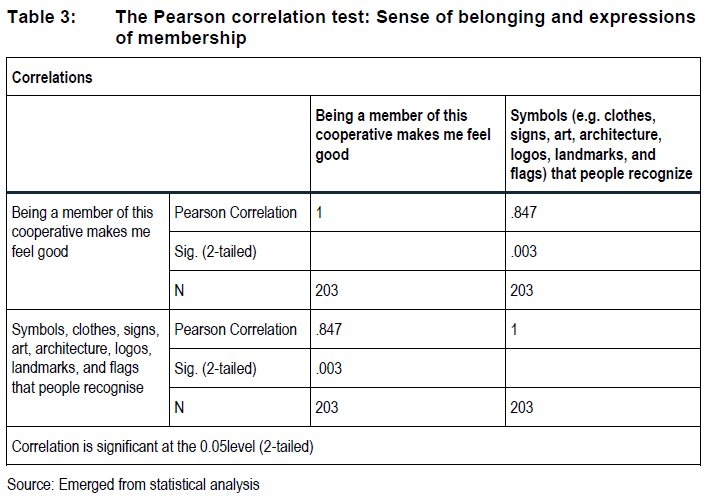
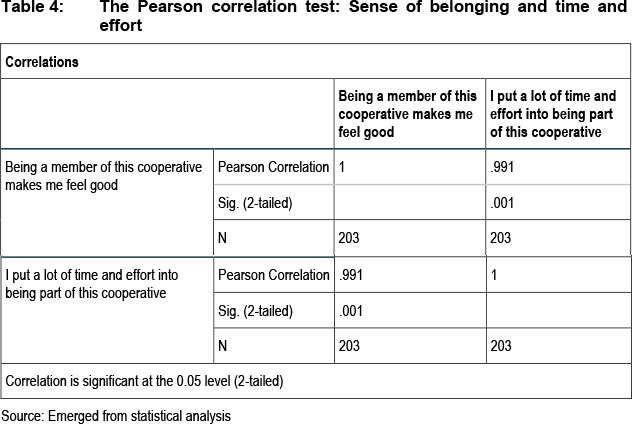
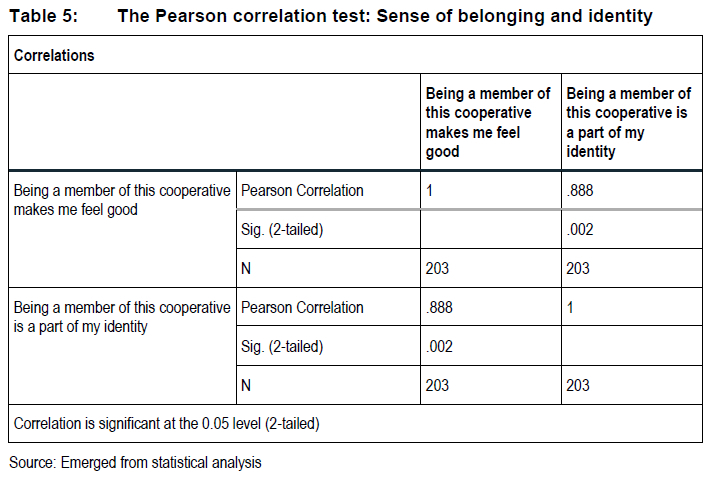
Community-based entrepreneurship (CBE) is considered a viable approach for bridging the gap between people living in the mainstream economy and the Bottom of the Pyramid (BoP), especially in rural communities of developing nations such as South Africa. Previous research studies focused on the impact of CBE on employment creation and poverty reduction. This study investigated the role of sense of belonging on the success of community-based agricultural enterprises in KwaZulu-Natal, South Africa. The study adopted a positivism research paradigm using a quantitative research approach for data collection. A census sampling strategy was employed to gather data from all 209 members of three (3) agricultural cooperatives in Nkandla rural communities using structured questionnaires. Statistical Package for Social Sciences (SPSS) version 25 was used to analyse data using descriptive and inferential statistics. The Pearson Correlation Coefficient was used to establish the relationship between the psychological factors and the success and sustainability of community-based enterprises. Findings revealed that sense of community is an enabling factor for the success and sustainability of community-based enterprises. This study concluded that to ensure the success and sustainability of CBE, policy makers should consider the assessment of psychological factors during the design and implementation of community-based initiatives.
CBE; sense of belonging; sense of community and social capital
 Thumbnail
 Thumbnail