A practitioner's guide to establishing and managing a project management office at a South African parastatal
Abstract
Project management offices (PMOs) are established to support organisations in realising their strategic objectives by aligning project initiatives with organisational goals. This is achieved through standardising their project management (PM) practices, methodologies, tools and techniques. While PMOs can be beneficial, indications are that many organisations struggle to set them up optimally. Consequently, this study investigated the unique challenges encountered when setting up and managing PMOs at South African parastatals, and how those challenges were prioritised and overcome. The study followed an in-depth interview method were qualifying participants were identified and asked to participate in the research. It was found that the people and organisation-related challenges contributed to the six topmost challenges encountered when establishing and managing PMOs at the South African parastatals. In general, the study contributed to the limited body of knowledge relating to the PMO topic in South Africa. Moreover, the study provided an alternative and practical guideline for the PMO establishment and management processes. This will benefit the parastatals with established PMOs as they can utilise the setup model as a guideline to re-engineer their existing PMO processes. In addition, the PMO establishment guideline was developed, especially, for those parastatals without a PMO, but wanting to establish one.
configuration type; parastatal; performance evaluation; personnel skills; PMO service; PMO challenge; project management; project management office
1. INTRODUCTION
In many organisations, the fundamental purpose of embarking upon projects is to achieve strategic objectives that could not otherwise be accomplished through a functional unit or department. However, the increasing use of projects to achieve strategic objectives in today's organisations requires a standardised approach to project execution (Meredith & Mantel 2012:210).
The Systems Evolution, Inc. (SEI) (2011:1) note that it is challenging at best, especially with inadequate project management (PM) tools and techniques, to successfully deliver a single strategic project, and yet few organisations attempt to implement a portfolio of projects without a robust PM framework from which to function. To achieve such a robust framework, Unger, Gemunden & Aubry (2012:608) argue that an organisational unit referred to as the project management office (PMO) has emerged as a key solution to be utilised for the coordination and management of multiple projects. Allocating a name to such an organisational PM function, such as a PMO, gives it significance and differentiates it from other functions within the organisation (Bolles & Hubbard 2015:6).
Zohrevandi (2014:12) views the role of the PMO as that of aligning the various departments within an organisation with each other in order to ensure synergy and reduce the duplication of effort. Conducted annually by the Project Management Institute (PMI) (2013a:6), the Pulse of the profession™ found that 53% of their study respondents' PMO roles included developing standards, methodologies and processes; governance and performance management and many other PMO services. Another 43% rendered unique PMO services, whereas the last 4% were vague on their PMO role (PMI 2013a:6).
In practice, however, it is unlikely that any PMO in its first attempt of establishment would render a complete suite of services. Consequently, research by Hill (2004:46), Pinto, De Matheus, Marcelo & Levin (2010:6) and others was conducted to identify typical PMO maturity models to help establish, to some extent, the appropriate PMO configuration types suited to render certain services.
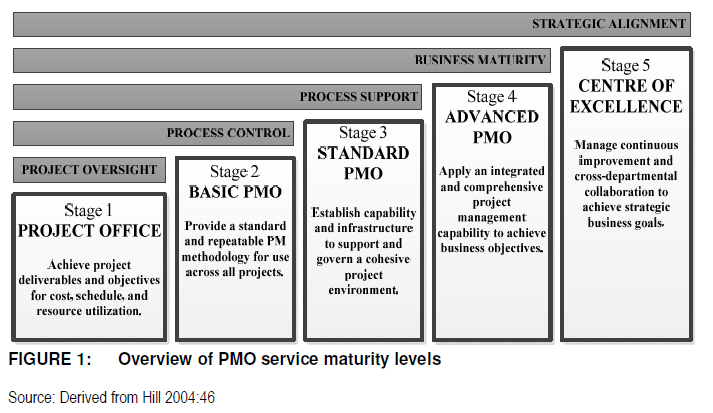
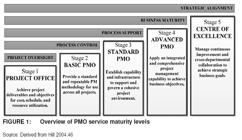
As shown in Figure 1, a PMO service maturity stage indicates the PM capabilities of a PMO within an organisation (Hill 2004:46).
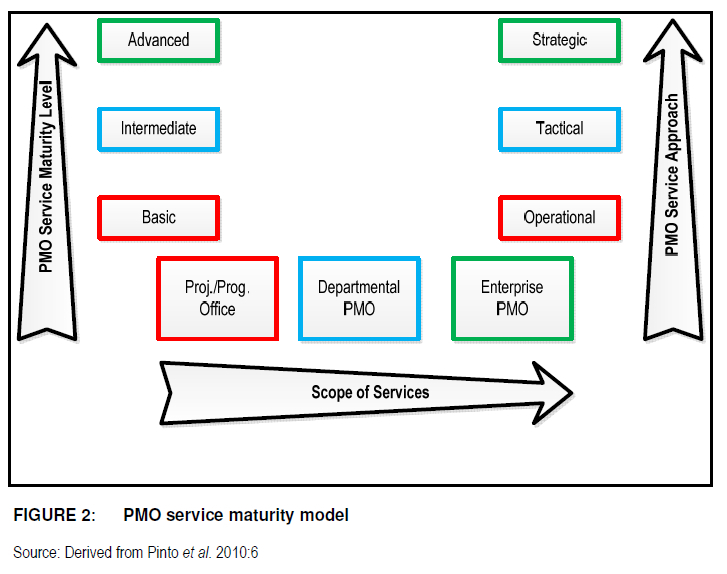
In contrast, Pinto et al. (2010:6) take a different approach in presenting their perspective on the PMO service capability maturity model. As can be seen in Figure 2, the level of maturity progresses from a basic to a more advanced PMO with the services rendered also changing from operational and tactical to more advanced and strategic services.
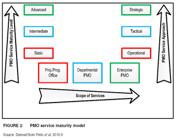
A comparison of the two PMO service maturity models in Figures 1 and 2 indicates similarities. For example, a project office is at the basic level of maturity and typically renders basic PM operational services (Hill 2004:46). Similarly, the enterprise-wide PMO is at an advanced maturity level and renders strategic services (Pinto et al. 2010:6). Singh, Keil & Kasi (2009:419) noted that a number of organisations struggle to establish PMOs despite the fact that PMOs have been shown to be beneficial.
The PMO white paper estimates that half of the PMOs fail on their first attempt of establishment for various reasons, including not aligning themselves to their organisational strategic objectives (PMI 2012:2). Furthermore, Müller, Gluckler & Aubry (2013a:60) adds that PMOs are enormously heterogeneous entities because they vary in mandate, functions and size. The PMI (2012:1) further notes that there is no such thing as a standard approach to PMO implementation. The need to know what PMO implementation approach could be better suited to the South African parastatals prompted this study to be undertaken.
2. OBJECTIVE OF THE STUDY
Despite the availability of literature on the challenges of establishing and managing PMOs, the literature does not focus on South African parastatals. However, establishing the PMO has its own challenges and as stated previously there is no universal approach to establishing one (PMI 2012:1).
The purpose of this study, therefore, was to develop a model to serve as a guideline to be observed when establishing and managing a PMO at a South African parastatal. This guideline is intended to ensure that the challenges are identified and appropriately managed during the PMO establishment and when operating it. In order to identify the challenges and critically examine the impact these challenges have on its administration and day-to-day operations, the following three research questions are posed:
RQ 1: What are the challenges of establishing and managing a PMO at a South African parastatal?
RQ 2: How would these challenges be ranked and prioritised?
RQ 3: How would the top ranked PMO establishment and management challenges be overcome?
The study comprises six main sections. Section 1 includes the introduction which summarises the shortcomings and has led to the study objectives in Section 2. The literature review in Section 3 rigorously unpacks the available PMO research body of knowledge. Section 4 presents the research methodology. This details the research approach, data collection and analysis methods adopted. The research findings and implications are presented in Section 5. The final section, Section 6, discusses the study conclusions.
A guide to the project management body of knowledge, PMBOK® Guide, by the PMI (2013b:10), defines the PMO as "a management structure that standardises the project-related governance processes and facilitates the sharing of resources, methodologies, tools, and techniques."
Generally speaking, the purpose of a PMO is to overcome the challenges organisations face in consistently and successfully executing their projects and programmes (Ward & Illingworth 2013:6). Moreover, Salamah (2014:20) points out that the organisations with PMOs reported more projects being completed on time, within budget and meeting business goals.
3.1 PMO services
According to Aubry (2015:20), the services that PMOs render vary according to their mandates and all of them largely work on projectised activities within a variety of time frames across the organisation.
Furthermore, Müller et al. (2013b:5) note that PMO's roles, mandates, responsibilities, and authorities vary with time in order to address the frequently changing project-related issues within organisations.
Arguably, Pellegrinelli and Garagna (2009:653) note that the value the PMO brings lies in solving specific challenges that make a significant difference in the performance of an organisation. To help solve some of these organisational challenges through the PMO, appropriate services must be rendered.
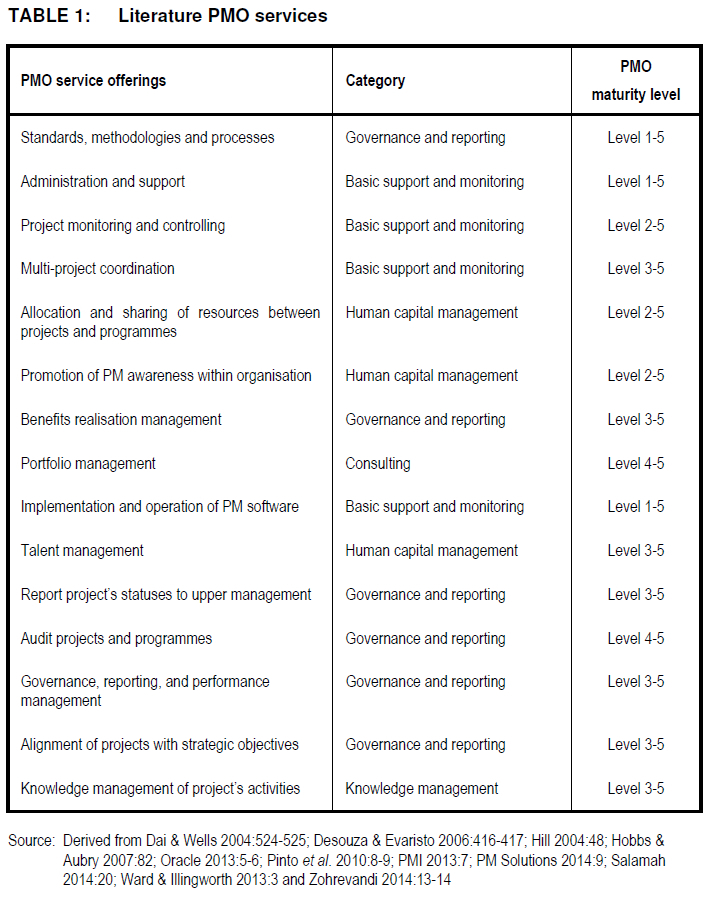
A list of 15 typical PMO services was derived from the literature and is presented in Table 1.
The table was synthesised by comparing the PMO services from different sources. Similar PMO services were identified from the different sources and then listed as per Table 1. The services were then grouped together into five categories according to the nature of a service in the PMO. It should be apparent that categories are constructs derived from the data and not the data themselves (Merriam 2014:181).
Each PMO service listed in Table 1 has a corresponding PMO maturity level at which that service is expected to be rendered as described in Figure 1.
The PMO service maturity level rankings were derived from studies by Salamah (2014:23), PMI (2013:8-9) and Pinto et al. (2010:6). It is, however, acknowledged that there are limited studies in the reviewed literature as to what PMO services should be rendered at which PMO configuration types.
However, Hill (2004:46) notes that a PMO at any stage can pursue activities at any level to address organisational needs and that this is far more important than sequentially stepping through levels of competency.
3.2 PMO configuration types
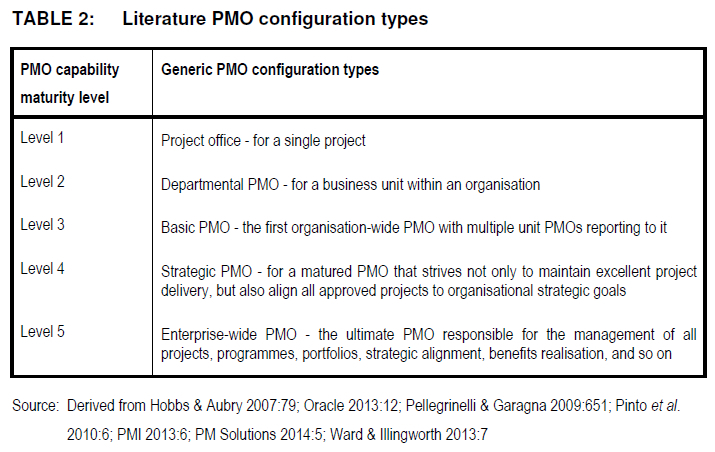
A list of the typical PMO configuration types intended to address the specific organisational challenges is shown in Table 2. The table was derived by comparing the PMO types from different studies. A category-coding scheme was used and similar PMO types were grouped under the same category and then listed as per Table 2. These categories were determined according to the nature of a PM function within a functional unit in the organisation. It should be noted that the PMO configuration types compare one-on-one with the PMO service capability maturity models previously shown in Figures 1 and 2.
The PMI (2013b:10) points out that each of the PMO configuration types listed in Table 2 varies in the degree of influence and control they have on projects within organisations. It is also critical to understand that the location of a PMO within the organisational hierarchy is a key factor in determining the influence and control the PMO will have on projects (Jalal & Koosha 2015:463). The PMI (2013b:10) refers to these key influence and control factors of the PMO as i) supportive; ii) controlling; and iii) directive.
3.3 PMO personnel skills
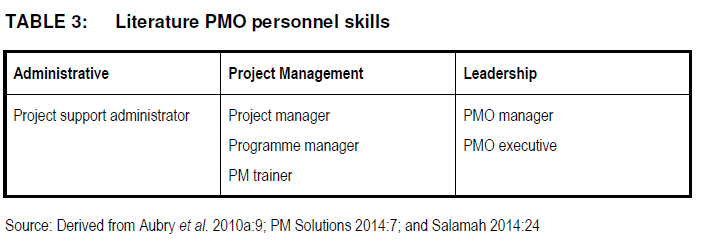
PMOs need staff to operate. The PM Solutions (2014:6) argue that PMOs in high-performing organisations have a higher percentage of skilled and certified PM professionals. Similar PMO personnel skills from different sources were identified and then listed as per Table 3. Moreover, the PMO personnel skills were grouped together into three categories according to the nature of a skill in the PMO.
3.4 PMO challenges
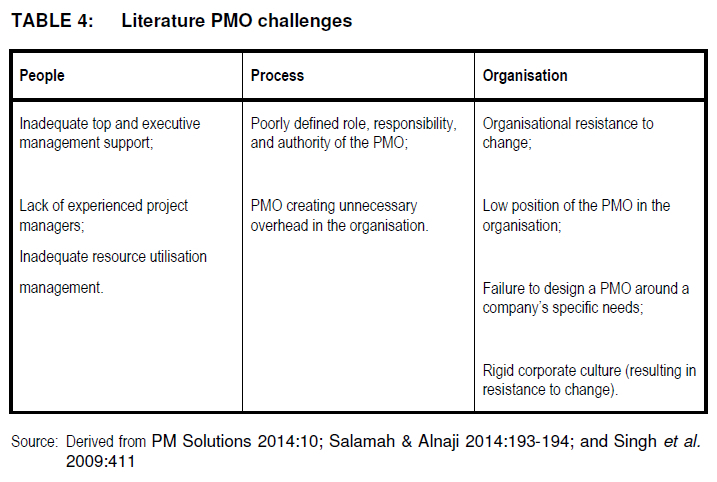
The previous sections described the typical PMO services, configuration types and the skills required by personnel working in the PMO. As part of addressing the study objectives, the typical challenges encountered when establishing and managing the PMO, how those challenges were prioritized and subsequently overcome, were examined.
Similar PMO challenges from different sources were identified and then listed as per Table 4. These PMO establishment and management challenges were also grouped into three categories according to the nature of a challenge.
To rank and prioritize the challenges, Singh et al. (2009:412) used a method where their research panellists reduced the consolidated list of 34 challenges by selecting the top 20 that they considered most significant. Thereafter, each panellist graded the randomised list of challenges in order of priority (Singh et al. 2009:415).
A similar method was used by the PM Solutions (2014:10) where their respondents ranked the top challenges according to their organisational experiences. Similarly, Salamah & Alnaji (2014:193) interviewed a group of project management practitioners that took part in the PMO establishment and served in it for three years after its setup.
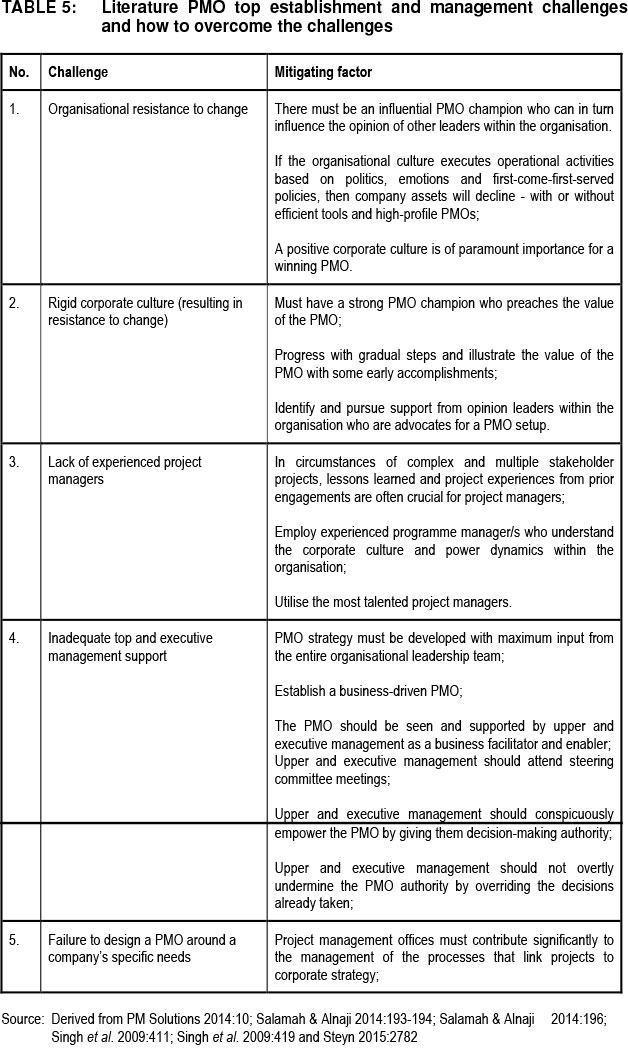
By comparing the three studies, similar top ranked challenges were identified and then listed as per Table 5. Furthermore, the mitigating strategies on how to overcome the top ranked challenges encountered when establishing and managing a PMO are also listed in Table 5.
As can be seen from Table 5, only one mitigating response from the reviewed literature could be found for overcoming challenge number 5 - failure to design a PMO around a company's specific needs. This challenge is investigated later in the study and actually forms part of the proposed PMO establishment guideline on how PMOs can help address organisational needs.
3.5 PMO performance evaluation
Pemsel and Wiewiora (2013:31) argue that a PMO is a formal tier of control between project management and top management in an organisation. However, it has to be noted that having a PMO does not, by itself, increase project success (Ward & Illingworth 2013:10). As such, Desouza and Evaristo (2006:421) point out that executive management need to assess whether their PMOs are yielding any significant benefits by evaluating their performance against the backdrop of the operational challenges they face.
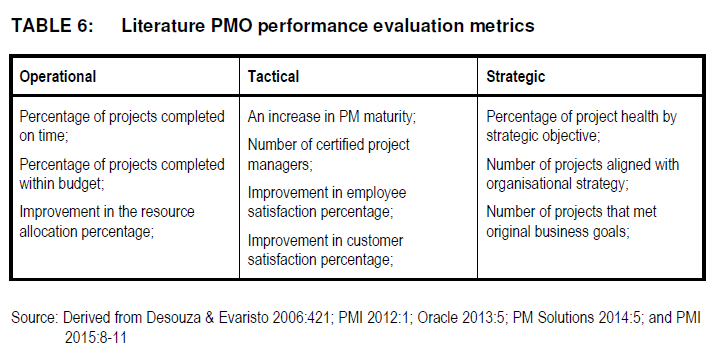
To evaluate the performance of a PMO towards projects success, Table 6 lists the key metrics per category.
These PMO performance evaluation metrics were derived from a comparison of different studies. Thereafter, similar evaluation metrics were identified and then listed as per Table 6. The categories were based on the type of PMO performance measurement activity.
While the PMO performance metrics listed above are essential measurements, Desouza and Evaristo (2006:421) argue that the metrics for evaluating PMO success cannot be predetermined. Moreover, the organisation has to identify the key areas of concern before it can establish ways to determine and measure the success of a PMO in those crucial areas (Desouza & Evaristo 2006:421).
Moreover, Aubry (2015:26) argues that there are other direct effects on project management performance such as:
i) internal project management issues;
ii) change in top management;
iii) external events;
iv) new PMO manager;
v) competition between different parts of the organisation for projects;
vi) degree of collaboration between different units; and
vii) change management.
3.6 Literature PMO establishment guideline
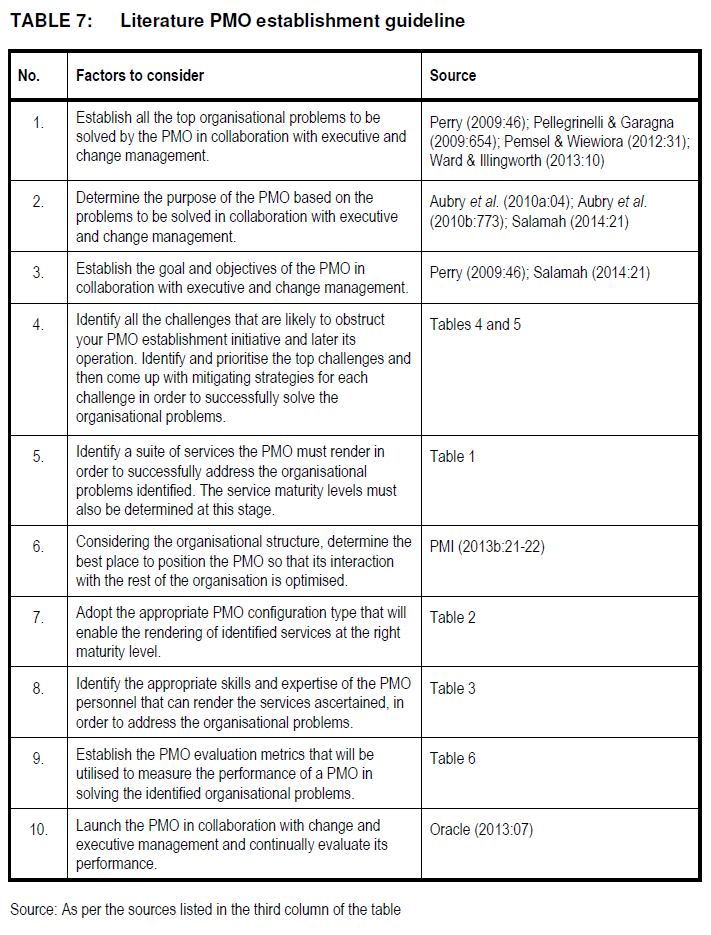
A number of principles with regard to the PMO establishment and management challenges and the appropriate mitigating responses to overcome those challenges were identified. As a consequence, a ten-step PMO setup literature guideline was developed as shown in Table 7.
Although some of the guideline steps in Table 7 can be carried out concurrently, most PMOs are usually established by consultants or the PMO manager (Perry 2009:43). It would appear that, perhaps, it might be a good idea to carry out these guideline steps sequentially because each subsequent step build on information from the preceding one as input.
4. RESEARCH METHODOLOGY
An in-depth interview method was used in the form of questionnaires forwarded to the participating South African parastatals. According to Sreejesh, Anusree & Mohapatra (2014:60), unstructured questionnaires are usually open ended and try to probe into the mind of respondents, allowing them to express their own thoughts rather than restricting them to the available response options.
This is the approach that was followed in order to elicit the factual information pertaining to the PMO establishment and management challenges.
The precise steps involved in selecting the sample necessitated, first, that 132 South African parastatals be contacted to determine which ones have established PMOs. The actual population size of the study sample was finalised to 32 parastatals with PMOs. However, only 9 of the 32 parastatals participated in the study.
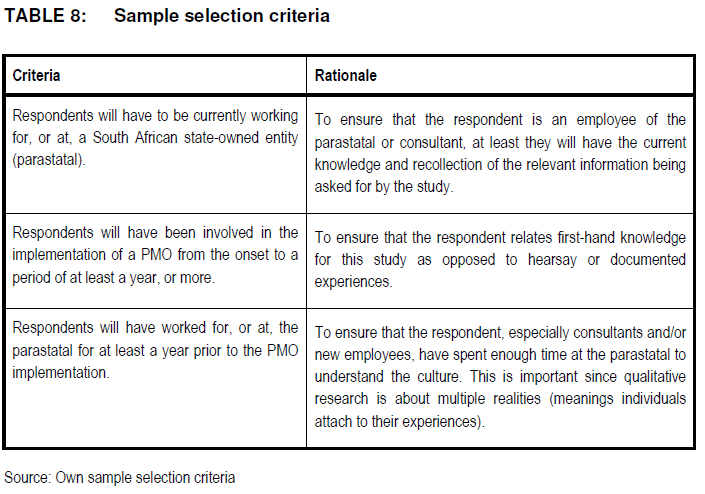
The PMO employees within the 9 participating parastatals were selected as per the criteria outlined in Table 8.
It was very difficult to convince all 32 identified parastatals with PMOs to commit to participation in the study. Although telephonically they had agreed to participate, they could not provide suitable dates for personal interviews. As the preferred method of research data collection at the beginning, the personal interview approach could therefore not be used. Instead, the researchers settled for a self-administered interview method where a Microsoft (MS) Word-based questionnaire was electronically mailed to all 32 parastatals. But only 9 parastatals responded.
Furthermore, in the interview questionnaire, there was a separate section provided to record the respondent's name, telephone number and employer's details. Though no obvious research analysis can be performed on such data (Sreejesh et al. 2014:163), it is the basis for data validation because, as Sreejesh et al. (2014:163) point out, it can confirm whether the interview was indeed conducted.
In addition, the full sample diversity strategy was also deemed suitable because the respondents came from different parastatals of vastly incomparable sizes and government mandates.
Upon collecting the data, it was captured and stored in the MS Excel software. Data analysis was also performed with this software. Thereafter, the study findings and implications were presented.
5. FINDINGS AND IMPLICATIONS
The purpose of this study was to develop a model to serve as a guideline to identify the challenges of establishing and managing a PMO at a South African parastatal. This section presents the data collected and findings derived.
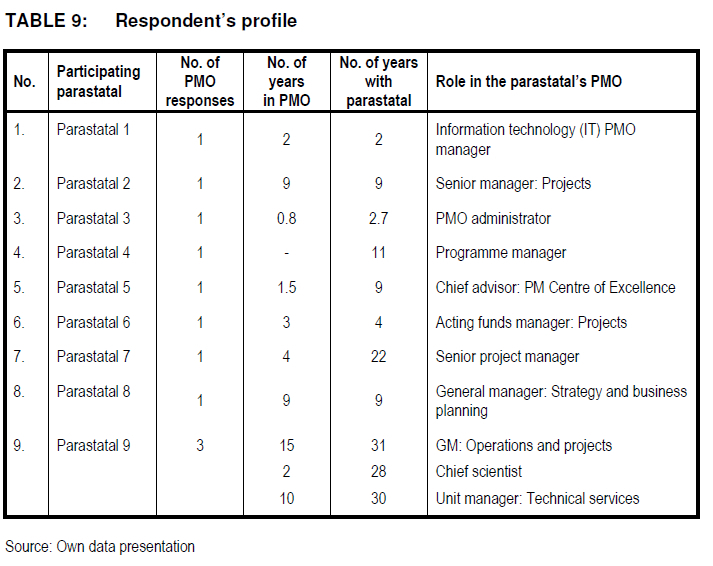
As can be seen from Table 9, 9 parastatals participated in the study. Furthermore, only 1 parastatal, out of the 9, had three of its PMO employees completing the interview questionnaire. Table 9 presents the respondents' profiles at the time of the study and the roles they played within their respective PMOs.
5.1 Respondent's PMO background information
Apart from the three main research questions, the participants were asked to specify their PMO services, configuration types and personnel skills. This additional background information provided the researchers with a better understanding of the respondents' PMO setup and business environments.
5.1.1 PMO services
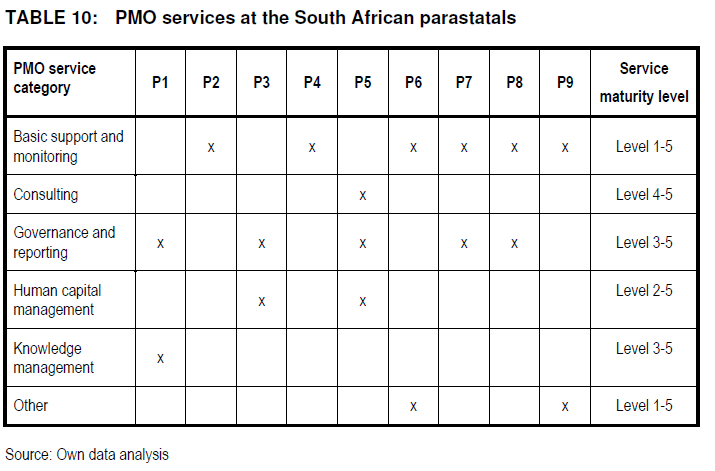
The PMO service offerings were grouped into 6 categories as shown in Table 10. Moreover, the actual service offerings are exactly the same as listed in Table 1. Only the other category represents uniquely parastatal PMO services not listed in Table 1. Note that P1 to P9 in Table 10 represents Parastatals 1 to 9.
The results indicate that 6 of the 9 parastatal's PMOs render basic project support and monitoring services. These services are at maturity level 1 - 5 which implies that it can be rendered at any PMO configuration type. The governance and reporting category can be rendered from a departmental PMO onwards. Only 5 of the 9 parastatal's PMOs indicated being capable of providing this service. Interestingly, only one parastatal, indicated having the capability to render strategic and enterprise-wide services. The same applies to knowledge management, where only one PMO performs this service. Two PMOs indicated that they perform additional services than the typical PMO services. It should be noted, however, that a category contains services of various types that can be rendered at various levels of maturity. The level of maturity allocated to each category in Table 10 was based on the predominant levels of the services in such a category as listed in Table 1.
5.1.2 PMO configuration types
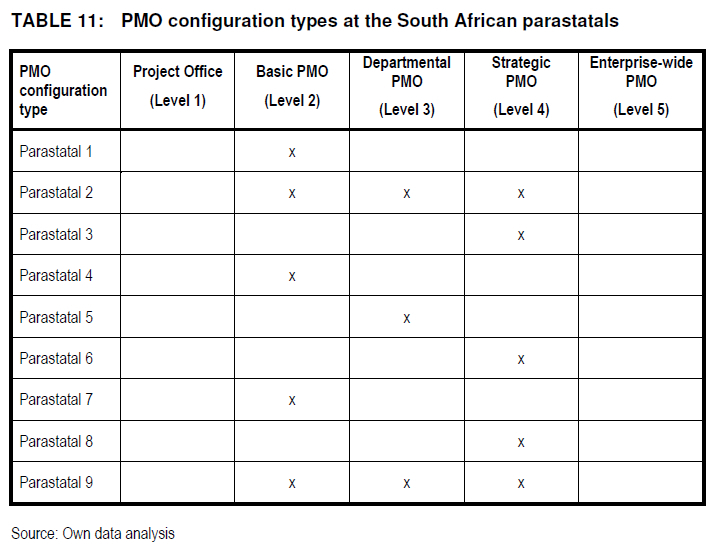
Table 11 presents the results of the PMO configuration types at the South African parastatals.
The results in table 11 show some inconsistencies with the results presented in table 10. E.g. parastatal 5 indicated that they operate a PMO at maturity levels 1 to 5. The results in table 11 however shows the contrary. Moreover, the results indicate that no PMO is operating at level 5, the enterprise-wide PMO configuration type. This implies that none of the PMOs can render services that address organisation-wide challenges or even help solve strategic objectives.
The findings reveal a lack of understanding of the relationship between the PMO configuration type setup and the corresponding services.
Next the researchers analyse the respondents' PMO personnel skills to determine whether the existing skills were suitable to roll out the services associated with the adopted PMO configuration type.
5.1.3 PMO personnel skills
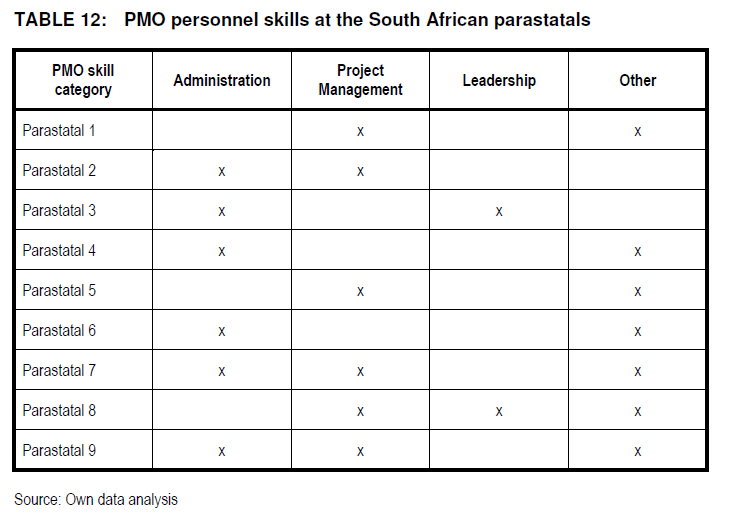
Table 12 presents the PMO personnel skills per category in a parastatal.
Table 12 indicates that 7 of 9 PMOs have unique personnel skills than those listed in Table 3 as indicated by other category. These unique skills include: (i) engineers; (ii) fund managers; (iii) investment associates; (iv) vendor managers; (v) system analysts; (vi) scientists; (vii) researchers; (viii) commercial experts; and (ix) business strategists. What this means is that only 2 of 9 parastatals' PMOs possess typical PMO personnel skills. Furthermore, the unique personnel skills will mostly be found in the basic and/or departmental PMO configuration types. This is because those skills will tend to be inclined to the nature of the function of such a department in the organisation.
Another observation is that only 2 of the 9 PMOs reported having a dedicated leader for their PMOs. Without a dedicated manager of the PMO, it becomes very unlikely that the PMO can successfully standardise processes for the project management skills that 6 of the 9 parastatals are reporting to have. This further strengthens the argument that probably the majority, say 7, of the parastatals operate either a basic or departmental PMO. This is supported by the consistency of the results presented in Table 10 where only one parastatal is operating at Level 4-5 and Table 12 as explained above. The researchers speculate that the respondents probably do not understand the concept of a PMO configuration type due to Table 11's inconsistency with Tables 10 and 12.
5.2 Identification of the PMO challenges
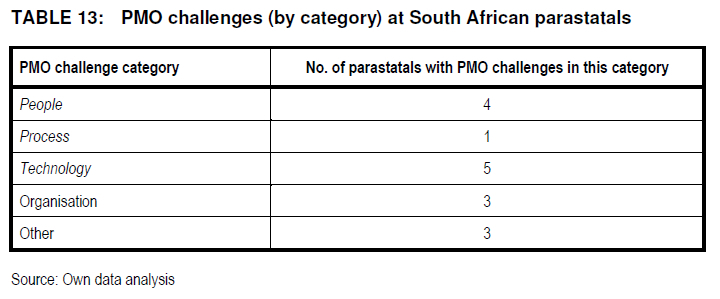
Table 13 indicates the average number of parastatals with the PMO setup and management challenge in a category.
With 3 out of 9 parastatals reportedly having unique PMO challenges denoted by other, the following describes those unique challenges:
■ Lack of formalised programmes (internally or externally) to capacitate project managers;
■ Silo mentality (encourages inefficiency and duplication of effort);
■ PM software available as a stand-alone application, as opposed to being centrally available on the network (encourages silo mentality);
■ Limited access to projectors for effective PM progress reporting and presentations (limits communication about PMO value-addition);
■ Lack of documented process flows within the organisation (encourages silo mentality; everyone does things their own way);
■ Attitude/behaviour that is not conducive to a positive working environment;
■ Poor network connectivity.
The results in Table 13 indicate that 6 of the PMOs experienced the typical PMO challenges as presented in Table 4. One of the other challenges, silo mentality, has pointed out some direction with regard to the PMO configuration types and services rendered. The silo mentality of operation is usually associated with functional units/departments within an organisation.
This observation confirmed the previous finding that the majority of the parastatals (8 out of 9) operated at anything but an enterprise-wide PMO. This is important to point out because, once again, it confirms that the reported 4 parastatals operating strategic PMOs could be doing so at a departmental level; hence the silo mentality. Unlike the enterprise-wide PMO, a strategic PMO is not necessarily geared towards solving all organisational problems. If it is a strategic PMO at a departmental level like the results suggest, then it would be pursuing only departmental projects aligned to organisational strategic objectives.
Only one parastatal reported the PMO challenge as a result of business processes. This finding means that no matter how excellent the organisational business processes are, unless people-related challenges are addressed, those processes and/or technologies will not bring about solutions. For example, if people are resisting change and/or the organisational culture is too rigid for change, efficiency in project execution as a result of the establishment of a PMO may not be fully realised.
Next the researchers discussed the parastatals' top ranked PMO challenges.
5.3 Establishment of the top challenges
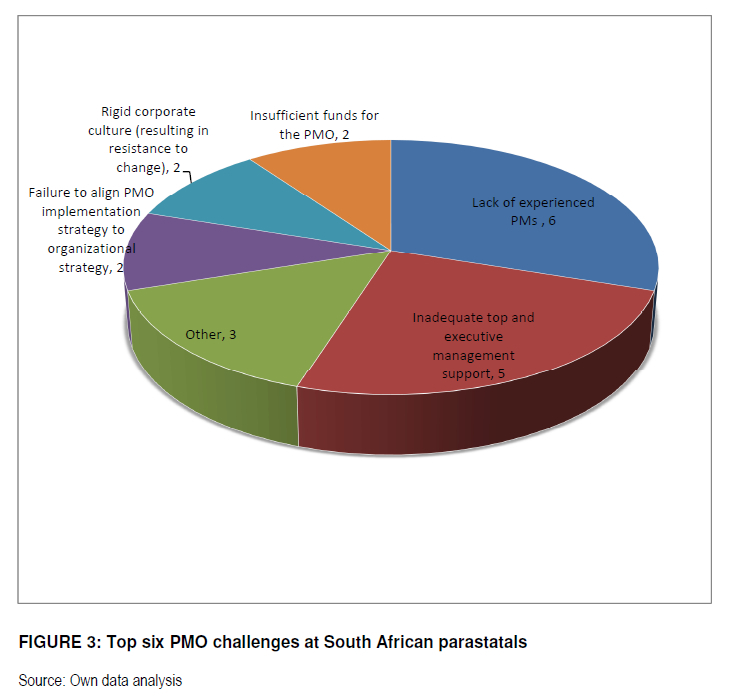
The top challenges of establishing and managing a PMO at a South African parastatal is presented in Figure 3.
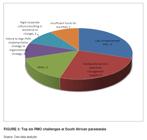
In comparison with the top challenges in the literature review section presented in Table 5, only the top four challenges, excluding other, from the respondents matched. Lack of experienced project managers as reported by 6 out 9 parastatals' PMOs, despite 8 out of 9 reportedly rendering typical PMO services, suggests that most PMO services can be rendered at any PMO configuration type. This could further mean that what is important is not always about what services are being rendered, but what capability maturity levels are the services being rendered at.
Consistent with the literature, the inadequate top and executive management support is also experienced by the South African parastatals as one of the top PMO challenges. Perhaps this lack of executive support could explain why the parastatals are also experiencing insufficient PMO funding and failure to align the PMO strategy to that of the business. This is because without executive support and buy-in, the PMO is very likely to encounter numerous obstacles in launching itself throughout the organisation.
The rigid corporate culture (resulting in organisational resistance to change) as reported by 2 parastatals, could mean that they were trying to change from a departmental PMO to a higher type, probably an enterprise-wide PMO. This is because departmental employees are usually unlikely to resist a project that they controlled from inception to completion within their own department. On a positive note, 7 parastatals did not see it as an issue. This implies that these 7 parastatals are operating anything but an enterprise-wide PMO. This would be consistent with the previous finding that 8 parastatals are operating anything but an enterprise-wide PMO.
The next sub-section presents the mitigating responses reportedly implemented by the participating parastatals in overcoming their top six PMO challenges.
5.4 Mitigation against the top ranked challenges
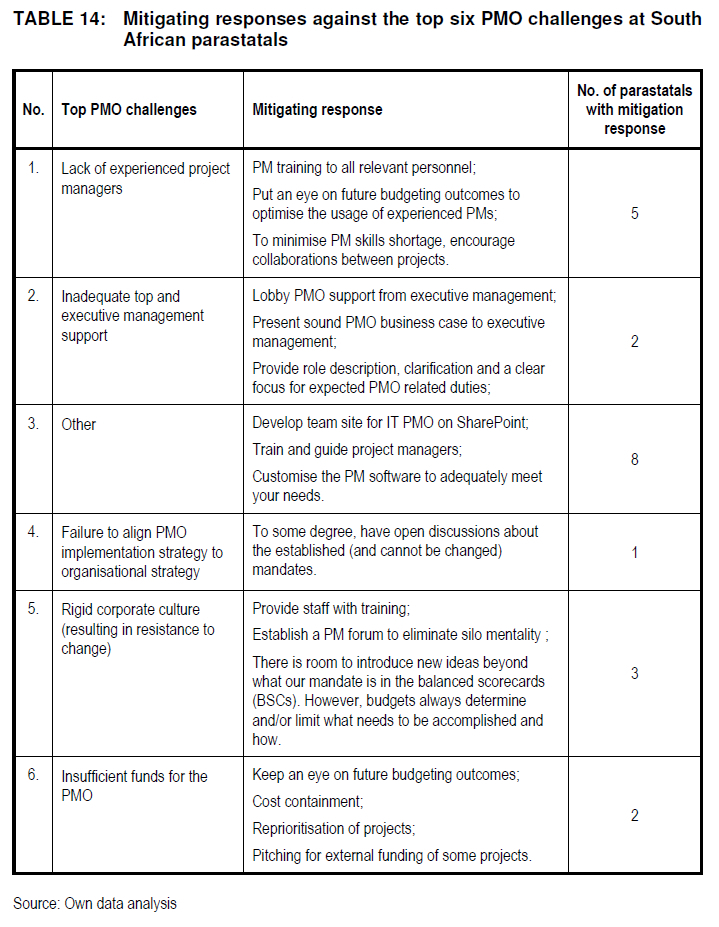
To overcome the top six challenges of establishing and managing a PMO at a South African parastatal, refer to Table 14.
Moreover, Table 14 also outlines the number of parastatals that offered mitigation responses to address their top ranked PMO establishment challenges. Moreover, some parastatals' mitigation responses were similar.
As can be seen in Table 14, 8 of the 9 parastatals mitigate against the other uniquely parastatal PMO challenges; 5 offered mitigating strategies for the top PMO challenge - lack of experienced project managers.
Successful solutions towards organisation-related challenges are normally expected to be championed by executives. Hence the finding that only 2 of the parastatals formulated some form of a mitigating response against the inadequate executive support is surprising. A higher percentage was expected.
The next sub-section discusses how the overall performance of a parastatal's PMO is evaluated in order to determine its value-addition to the organisation.
5.5 Evaluation of the PMO performance
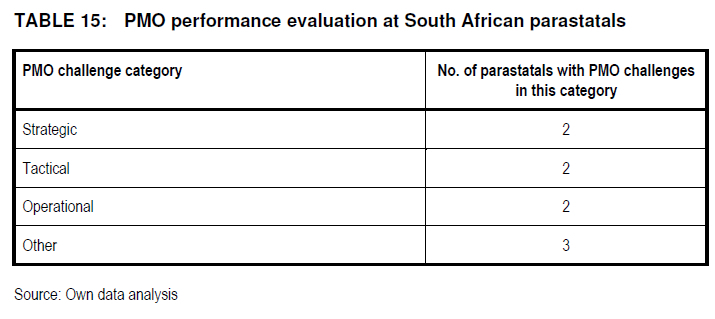
Table 15 presents the parastatals' PMO performance evaluation metrics per category.
The other-related metrics included the following:
■ project delivery at expected quality;
■ compliance of PMO practices to applicable regulations;
■ compliance of PMO practices to codes of good governance;
■ frequency of PMO reporting to relevant stakeholders;
■ quality of data coming out of the PMO, perhaps, as a consequence of the proper usage of PM software;
■ BSC targets achieved through successful execution of projects;
■ meeting legislative and mandatory obligations of the parastatal through the successful execution of projects;
■ alignment to the annual performance plan of the parastatal.
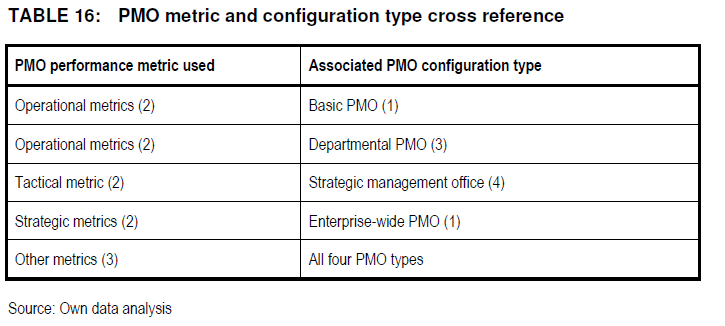
Table 15 cross references the PMO evaluation metrics with the adopted configuration types to better understand how PMO performance is affected.
It follows that at least 7 of the 9 parastatals did not use strategic-related metrics (associated with the enterprise-wide PMO type) to evaluate whether their PMOs added value. Furthermore, considering that the other-related metrics include strategic, tactical and operational metrics, this finding confirms that at most, 8 of the parastatals operated anything but an enterprise-wide PMO that is associated with strategic-related metrics. Unless there is a clear understanding of the role and purpose of a PMO and how it should be configured, some of the parastatals will continue to operate PMOs that do not optimally add value and assist in service delivery in the country.
However, the fact that 3 parastatals reported using other unique PMO performance evaluation metrics than those in the literature, meant that the parastatals recognised the value and importance of measuring the performance of a PMO. They also realised that the PMO value-addition can only be successfully managed and improved if it is measured. As previously stated, most organisations fail in their first attempt of a PMO setup (PMI 2012:2). As a consequence, the next sub-section examined the primary objectives that led to the establishment of a PMO at the parastatals.
5.6 Objectives of esTablishing a PMO
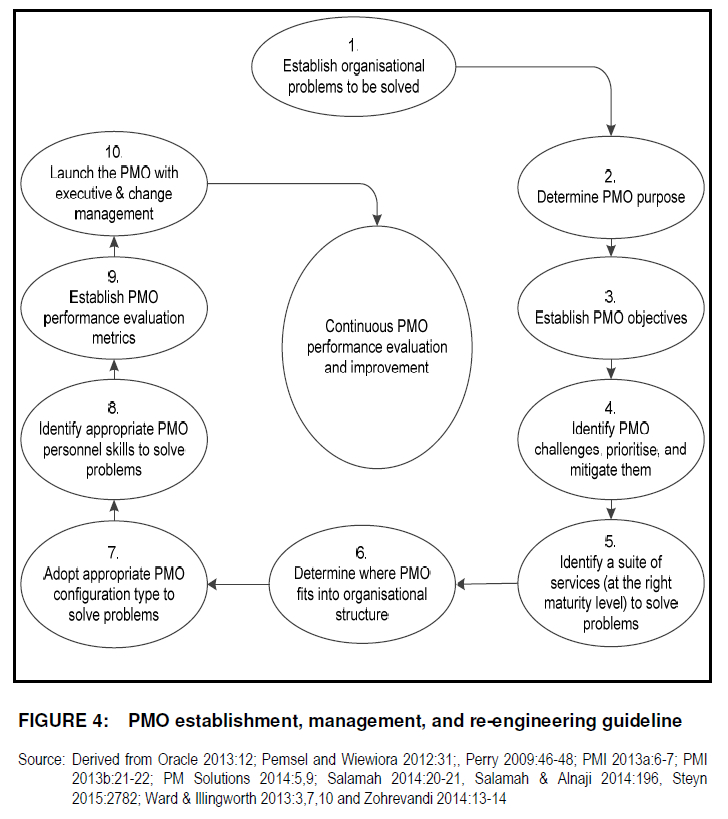
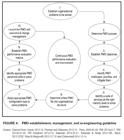
Figure 4 shows the PMO establishment, management, and process re-engineering guideline as a proposed solution to address the research questions.
To determine the fundamental PMO setup objectives at a parastatal, the following two questions were asked in the questionnaire:
■ What did the organisation want to achieve by establishing a PMO?
■ What were the key drivers and objectives behind the PMO initiative?
There were two common themes that stood out from the participants' responses, namely:
■ The need to improve the rate of successful projects;
■ The need to align organisational initiatives to the business strategy.
These suggested that the parastatals did have clear reasons and objectives for wanting to establish their PMOs. However, as established in the previous sections, there seems to be no clear understanding at some of the parastatals of the role and purpose of the PMO as it pertains to the configuration types and service capability maturity.
The research findings and implications discussed in this section strengthened the literature on the PMO establishment and management guideline presented in Table 7. Moreover, the PMO establishment and operational management challenges highlighted in the outcomes of the study in sections 5.1 to 5.5 informed the model in Figure 4 on how to address, or even prevent, such challenges.
6. CONCLUSION
When one takes a look at the main research and supporting questions, it can be concluded that the majority of the South African parastatals seem to have had clear reasons for establishing PMOs. However, a majority of the parastatals operated PMOs at the configuration types not appropriate to achieving their strategic objectives. They also rendered services without a clear understanding of the PMO level of maturity required to offer such services. This indicates a lack of understanding of the PMO role in the organisation and results in inadequate cohesive approach to rendering services through the PMOs. The results further indicated a lack of and appreciation for sound PM principles and practices. This inevitably led to low PM maturity levels as evidenced by lack of experienced project managers being the topmost challenge across all parastatals.
It also became apparent that the parastatals should first identify the top organisational problems to be solved by a PMO; thereafter, determine the type of services required to solve those problems, adopt a suitable PMO configuration type to render such services and at the appropriate maturity level, and only after that determine the type of personnel skills required in the PMO to address identified organisational problems.
The study contributed to the limited PMO body of knowledge pertaining to the South African parastatals. The study further developed PMO establishment and re-engineering guidelines which can be used by industry practitioners to establish new PMOs or re-engineer processes of existing ones for improvement.
Finally, a future research gap exists to explore the effects of the parastatals' organisational structures on their PMOs. Another interesting study would be to investigate which PMO configuration types are appropriate for what kinds of PMO services. Although some of the mitigating strategies for overcoming the top PMO establishment and management challenges have been provided, they predominantly came from only three sources, namely, Singh et al. (2009:419), Salamah and Alnaji (2014:194-196) and Steyn 2015:2782. This apparent lack of empirical research on the strategy of how to overcome all the known PMO challenges suggests that there is a need for further research in this area.
REFERENCES
3. LITERATURE REVIEW
- AUBRY M. 2015. Project management office transformations: direct and moderating effects that enhance performance and maturity. Project Management Journal 46(5):19-45.
- AUBRY M, HOBBS B & MULLER R. 2010a. Identifying forces driving PMO changes. Project Management Journal 41(4):30-45.
- AUBRY M, MULLER R, HOBBS B & BLOMQUIST T. 2010b. Project management offices in transition. International Journal of Project Management 28:766-778.
- BOLLES DL & HUBBARD DG. 2015. PMO framework and PMO models for project business management. Paper presented at the International Practice Management Association congress 16 October. Santiago, Chile.
- DAI CX & WELLS WG. 2004. An exploration of project management office features and their relationship to project performance. International Journal of Project Management 22:523-532.
- DESOUZA KC & EVARISTO JR. 2006. Project management offices: a case of knowledge-based archetypes. International Journal of Knowledge Management 26:414-423.
- HILL GM. 2004. Evolving the project management office: a competency continuum. Information Systems Management 21 (4):45-51.
- HOBBS B & AUBRY M. 2007. A multi-phase research program investigating project management offices (PMOs): the results of phase 1. Project Management Journal 38(1):74-86.
- JALAL MP & KOOSHA SM. 2015. Identifying project management variables affecting project management office characteristics and analysing their correlations in the Iranian project-oriented organisations of the construction industry. International Journal of Project Management 33:458-466.
- MEREDITH JR & MANTEL SJ. 2012. Project management: a managerial approach. 7th ed. Singapore: Wiley.
- MERRIAM SB. 2014. Qualitative research: a guide to design and implementation. 3rd ed. San Francisco, CA: Jossey-Bass.
- MÜLLER R, GLUCKLER J & AUBRY M. 2013a. A relational typology of project management offices. Project Management Journal 44(1):59-76.
- MÜLLER R, GLUCKLER J, AUBRY M & SHAO J. 2013b. Project management knowledge flows in networks of project managers and project management offices: a case study in the pharmaceutical industry. Project Management Journal 44(2):04-19.
-
ORACLE. 2013. Project management office starter kit: an oracle white paper. [Internet: http://www.projectmanagement.com/pdf/PPM_US_EN_WP_TheCompleteKit.pdf; downloaded on 22 April 2015.
» http://www.projectmanagement.com/pdf/PPM_US_EN_WP_TheCompleteKit.pdf - ]
- PELLEGRINELLI S & GARAGNA. 2009. Towards a conceptualization of PMOs as agents and subjects of change and renewal. International Journal of Project Management 27(7):649-656.
- PEMSEL S & WIEWIORA A. 2012. Project management office a knowledge broker in project-based organisations. International Journal of Project Management 31:31 -42.
- PERRY MP. 2009. Business driven PMO setup: practical insights, techniques, and case examples for ensuring success. Fort Lauderdale, FL: J Ross Publishing.
- PINTO A, DE MATHEUS C, MARCELO F & LEVIN G. 2010. The PMO maturity cube, a project management office maturity model. Paper presented at the meeting of the PMI research and education congress 11-14 July. Washington, DC.
- PMI see Project Management Institute
- PROJECT MANAGEMENT INSTITUTE. 2012. The project management office: in sync with strategy. Newtown Square, PA: Project Management Institute.
- PROJECT MANAGEMENT INSTITUTE. 2013a. Pulse of the profession™: PMO frameworks. Newtown Square, PA: Project Management Institute.
- PROJECT MANAGEMENT INSTITUTE. 2013b. A guide to the project management body of knowledge (PMBOK® Guide). 5th ed. Newtown Square, PA: Project Management Institute.
- PROJECT MANAGEMENT INSTITUTE. 2015. Pulse of the profession™: capturing the value of project management. Newtown Square, PA: Project Management Institute.
-
PM SOLUTIONS. 2014. The state of the project management office (PMO). [Internet: http://www.pmsolutions.com/resources/view/the-state-of-the-project-management-office-pmo-2014; downloaded on 26 April 2015.
» http://www.pmsolutions.com/resources/view/the-state-of-the-project-management-office-pmo-2014 - ]
- SALAMAH H. 2014. A framework to establish a project management office. European Journal of Business and Management 6(9):19-26.
- SALAMAH H & ALNAJI L. 2014. Challenges in establishing, managing, and operating a project management office. Paper presented at the 2014 International conference on economics, management and development 2224 February. Interlaken, Switzerland.
-
SEI. 2011. Project portfolio management (PPM): the natural evolution of project management. [Internet: http://www.pmi.org/learning/knowledge-shelf/~/media/pdf/knowledge-shelf/systems-evolution_2011.ashx;downloaded on 07 April 2015.
» http://www.pmi.org/learning/knowledge-shelf/~/media/pdf/knowledge-shelf/systems-evolution_2011.ashx;downloaded - ]
- SINGH R, KEIL M & KASI V. 2009. Identifying and overcoming the challenges of implementing a project management office. European Journal of Information Systems 18:409-427.
- STEYN H. 2015. Corporate strategy and projects - mind the gap. Paper presented at the 2015 International association for management of technology 08-11 June. Cape Town, South Africa.
- UNGER BN, GEMUNDEN HG & AUBRY M. 2012. The three roles of a project portfolio management office: their impact on portfolio management execution and success. International Journal of Project Management 30:608-620.
-
WARD JW & ILLINGWORTH T. 2013. To have or not to have a PMO - is that the right question? [Internet: http://www.som.cranfield.ac.uk/som/dinamic-content/media/To%20Have%20or%20Not%20to%20Have%20a%20PMO.pdf; downloaded on 28 March 2015.
» http://www.som.cranfield.ac.uk/som/dinamic-content/media/To%20Have%20or%20Not%20to%20Have%20a%20PMO.pdf - ]
- ZOHREVANDI S. 2014. The effects of the project management office on companies' performance - a case study on a project-oriented company. Proceedings of the 2014 international conference on industrial engineering and operations management 7-9 January. Bali, Indonesia.