An analysis of risk management within the Department of Trade and Industry
Abstract
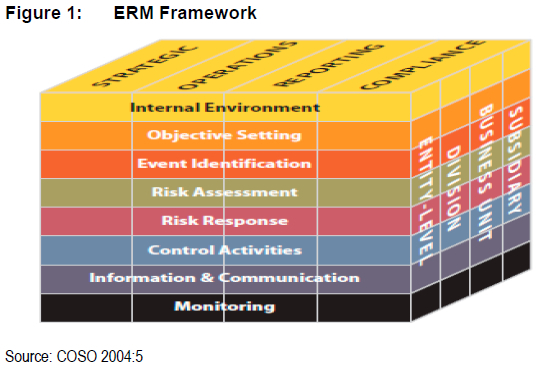
Risk management entails resources, planning, arranging and controlling to reduce the impact of possible risks to a manageable level. The objective of the article is to determine how the Department of Trade and Industry (DTI) implements risk management to achieve the objectives of its mandate as set out in its strategic plan, ultimately creating an ethical environment by reducing fraud. The methodology is based on a qualitative research design, using triangulation of an embedded case study with specific dimensions of unobtrusive research techniques, such as conceptual and document analysis. The Enterprise Risk Management (ERM) system is closely linked to the DTIs' risk management policy and risk management strategy objectives. The Risk Management Implementation Plan (rMiP) and the risk register, as well as the implementation of the risk management process, are instrumental in the successful risk management strategy of the DTI. The findings indicate that risk dialogue, communication, awareness, and understanding of the organisation and its risks, should be encouraged; that risk reporting practices should be strengthened, and that a better alignment between risk management and the DTIs' strategic objectives should be established. JEL CLASSIFICATION: Z00
Corruption; DTI; enterprise risk management; fraud; risk and risk management
 Thumbnail