Criteria for recognising frameworks as scholarly contributions in doctoral research
Abstract
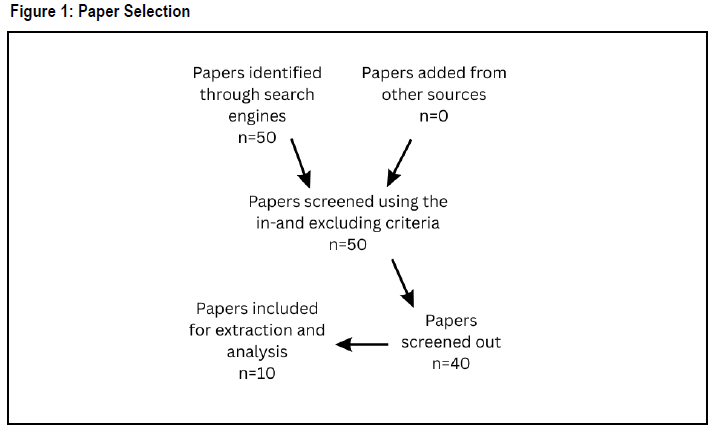
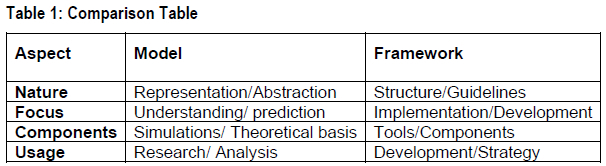
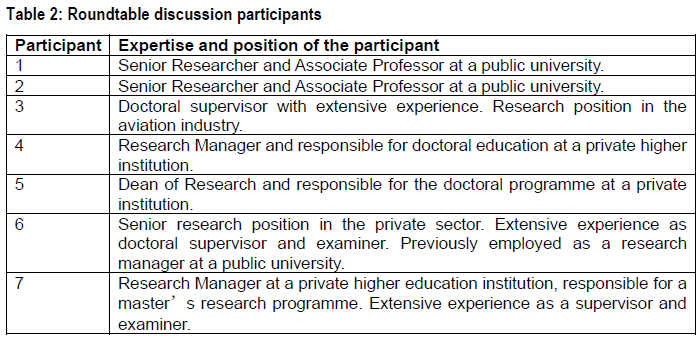
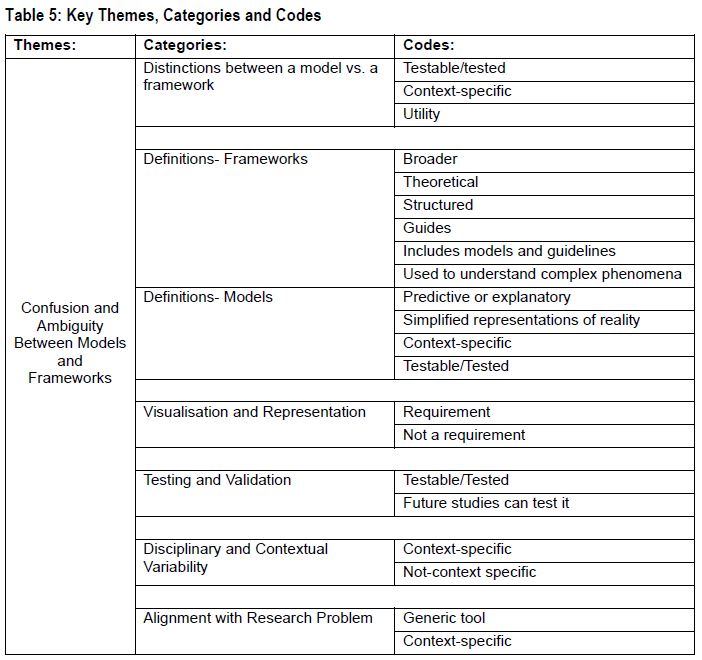
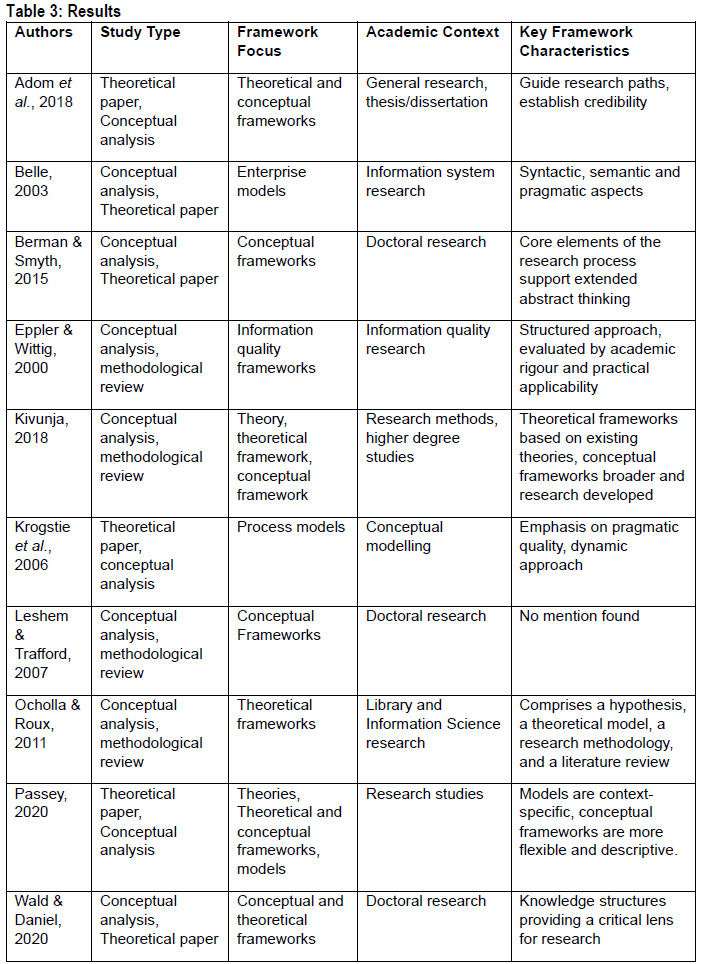
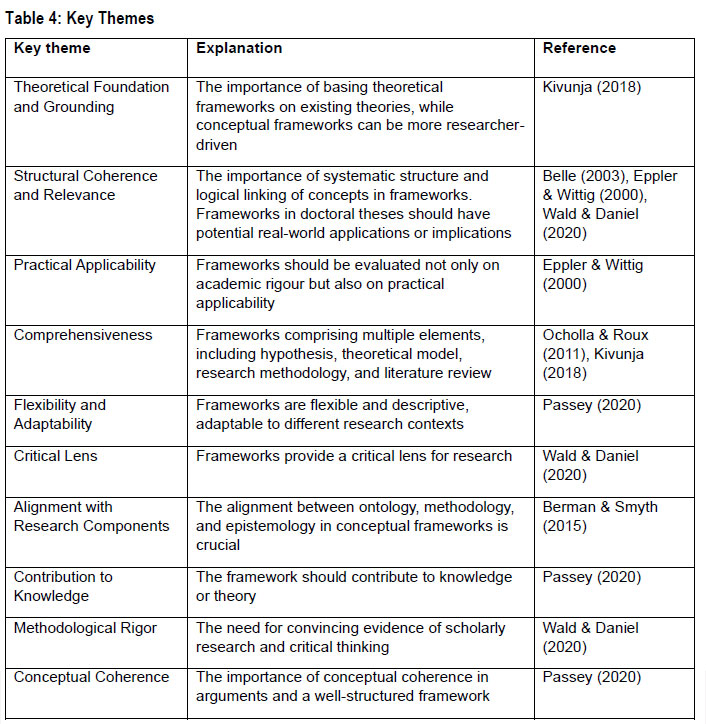
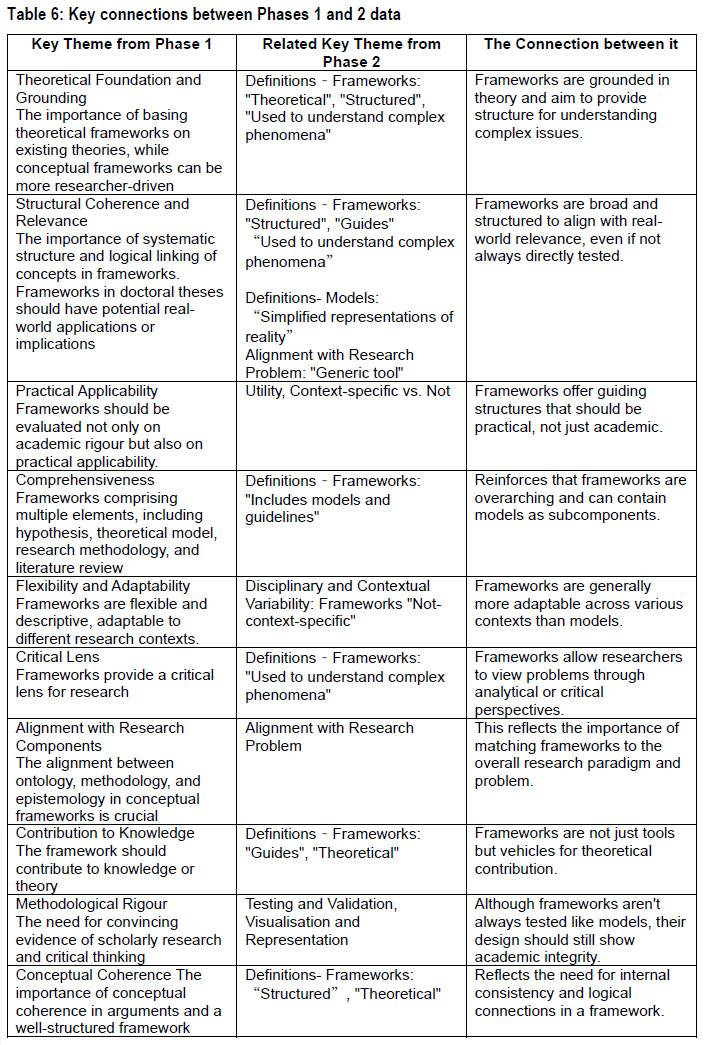
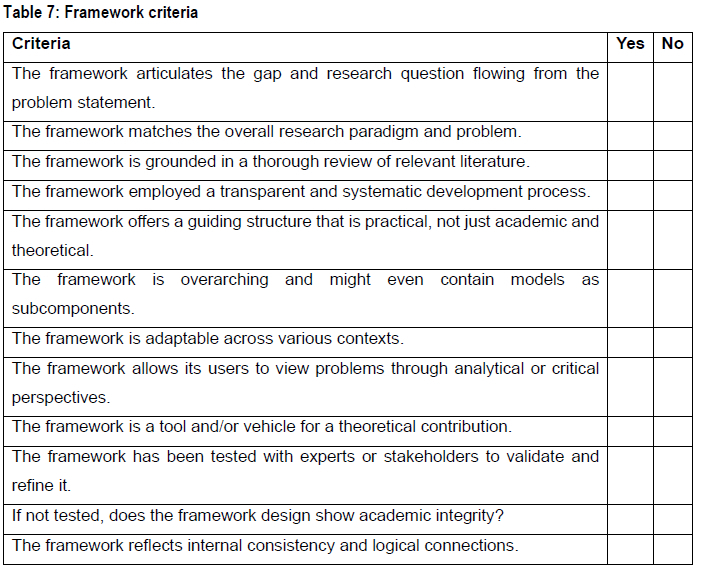
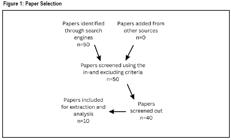
PURPOSE OF THE STUDY: The purpose of this study is to clarify what constitutes a legitimate and original framework as a doctoral thesis contribution. Despite the widespread use of frameworks in doctoral work, substantial ambiguity remains regarding their definition, differentiation from models, and criteria for scholarly acceptance. Addressing this gap is significant because doctoral candidates, supervisors, and examiners often operate without shared standards, resulting in inconsistencies in supervision and evaluation DESIGN/METHODOLOGY/APPROACH: The study followed a two-phase research design. Phase 1 comprised a semi-systematic literature review examining how frameworks are defined, conceptualised, and assessed within doctoral research. A structured keyword strategy and inclusion criteria guided the selection of peer-reviewed sources, and thematic analysis was used to identify recurring characteristics. Phase 2 involved a qualitative expert roundtable with seven experienced doctoral supervisors and scholars. The discussion was recorded, transcribed, and analysed using ATLAS.ti through open, axial, and selective coding to identify dominant themes and areas of conceptual convergence. Findings from both phases were synthesised to generate evidence-based criteria for evaluating frameworks as doctoral contributions FINDINGS: The study found persistent conceptual ambiguity between models and frameworks, inconsistent expectations of rigour, and a general lack of shared criteria across supervisory and examination practices. Key characteristics of high-quality doctoral frameworks include theoretical grounding, conceptual coherence, methodological transparency, practical applicability, and alignment with the research problem. These insights informed the development of a structured rubric RECOMMENDATIONS/VALUE: The study recommends integrating explicit guidance on framework development into doctoral supervision, training programmes, and thesis examination criteria. The proposed rubric offers a practical tool for candidates and examiners, contributing to greater clarity and consistency in doctoral research assessment MANAGERIAL IMPLICATIONS: For management and leadership in higher education, the findings provide actionable criteria that can strengthen doctoral programme quality, enhance supervisor capability, support consistent examination standards, and promote more rigorous conceptual contributions within applied doctoral degrees JEL CLASSIFICATION: I23
Conceptual clarity; doctoral research; frameworks; original contribution; thesis evaluation; scholarly rigour
 Thumbnail