Earthquake loss estimation of residential buildings in Bantul regency, Indonesia
Abstract
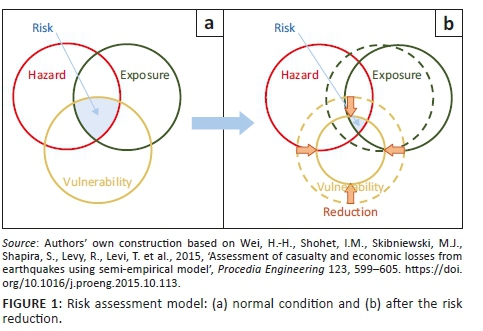
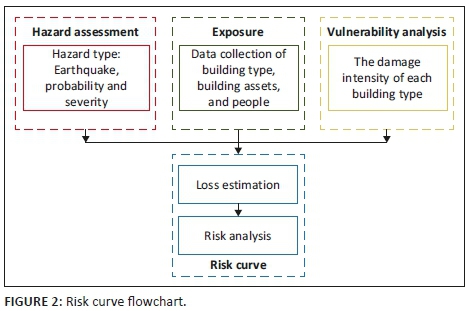
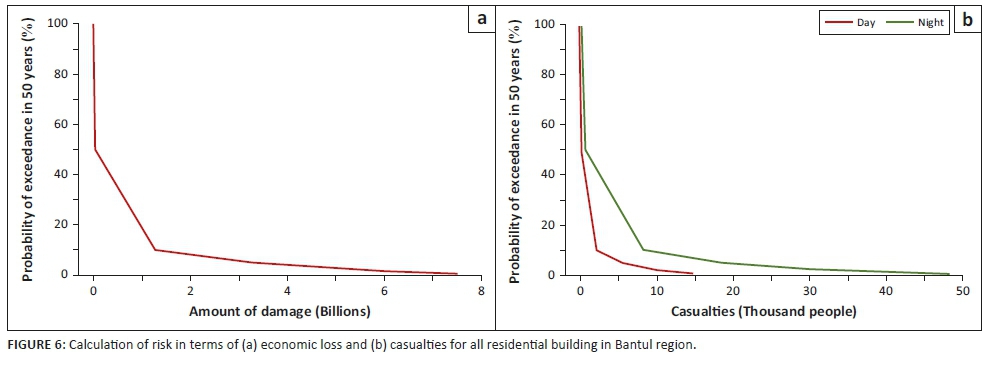
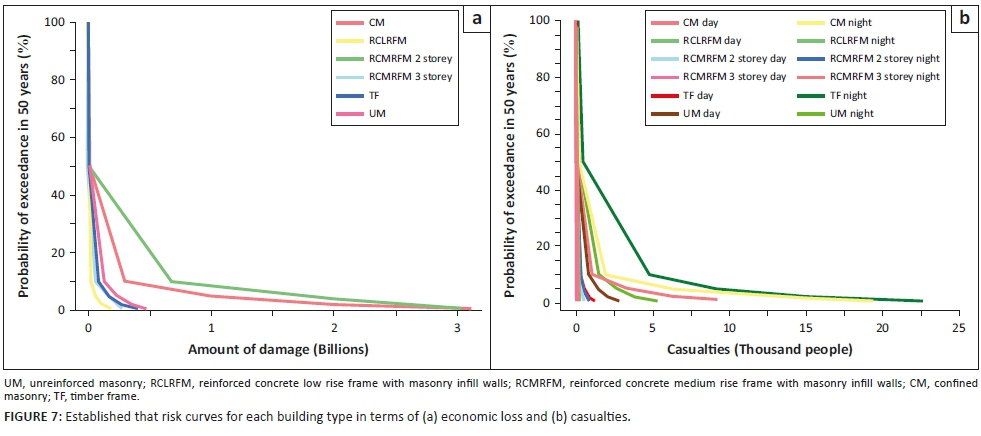
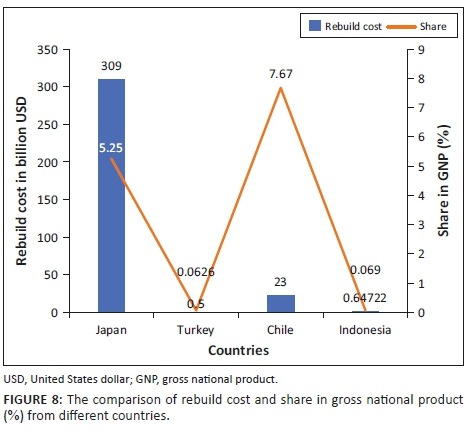
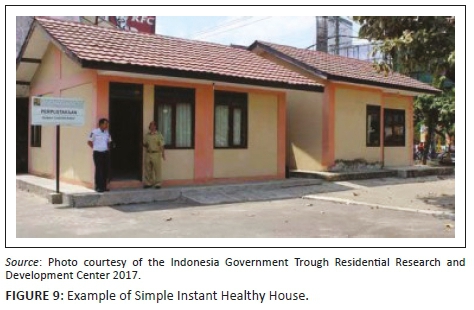
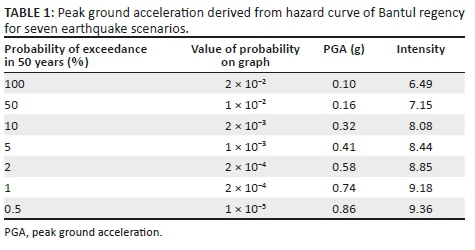
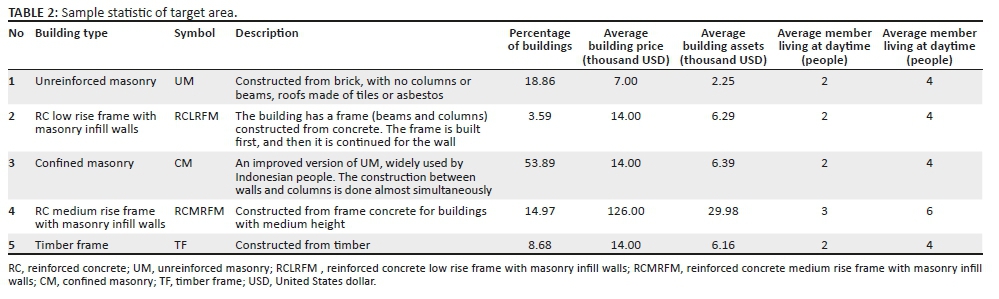
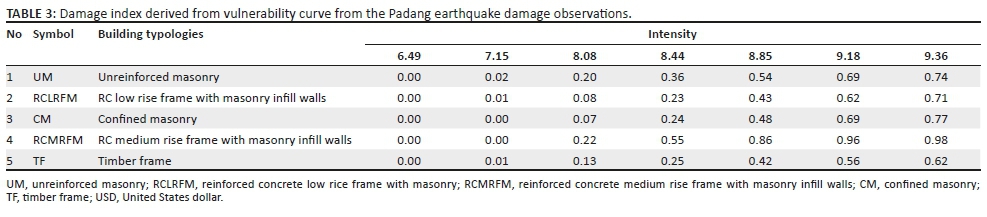
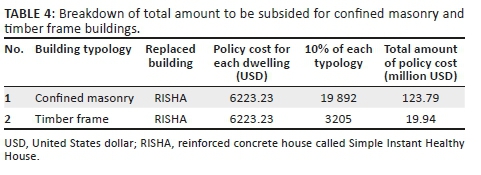
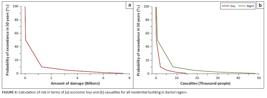
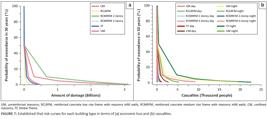
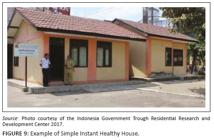
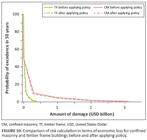
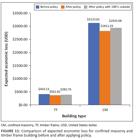
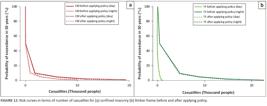
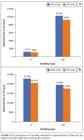
Bantul regency in 2006 had experienced considerable earthquake and suffered many casualties. The factors such as high population density and lack of seismic design of residential buildings in Bantul besides its location in a high seismic region have increased its vulnerability to earthquake disasters that can lead to a widespread economic losses and casualties. This research aims to capture earthquake risk in Bantul towards economic losses and casualties by using risk curve. Risk curve is a combination of several sources from literatures containing hazard curve and vulnerability curve together with exposure. The result showed that the expected economic loss in 50 years for residential building is $647.22 million; however, the highest value of economic losses shows the value up to $7600m which occurs in earthquake of 7.15 MW scale. The same worst-case scenario caused the casualties up to 49 000 people at night-time and 15 000 people at daytime. The result established that confined masonry building type conduces the highest value of economic losses and timber frame building shows the highest vulnerability to the earthquake disaster than other building types. Furthermore, in order to reduce the risk, we applied the hypothetical policy to build a simple earthquake-resistant house called Simple Instant Healthy House. The result indicates that this mitigation policy can effectively reduce both economic losses and casualties.
seismic vulnerability; risk curve; economic losses; casualties; hypothetical policy; Bantul regency
 Thumbnail
 Thumbnail
 Thumbnail
 Thumbnail
 Thumbnail
 Thumbnail
 Thumbnail
 Thumbnail
 Thumbnail
 Thumbnail
 Thumbnail
 Thumbnail