Building resilience to food insecurity in rural communities: Evidence from traditional institutions in Zimbabwe
Abstract
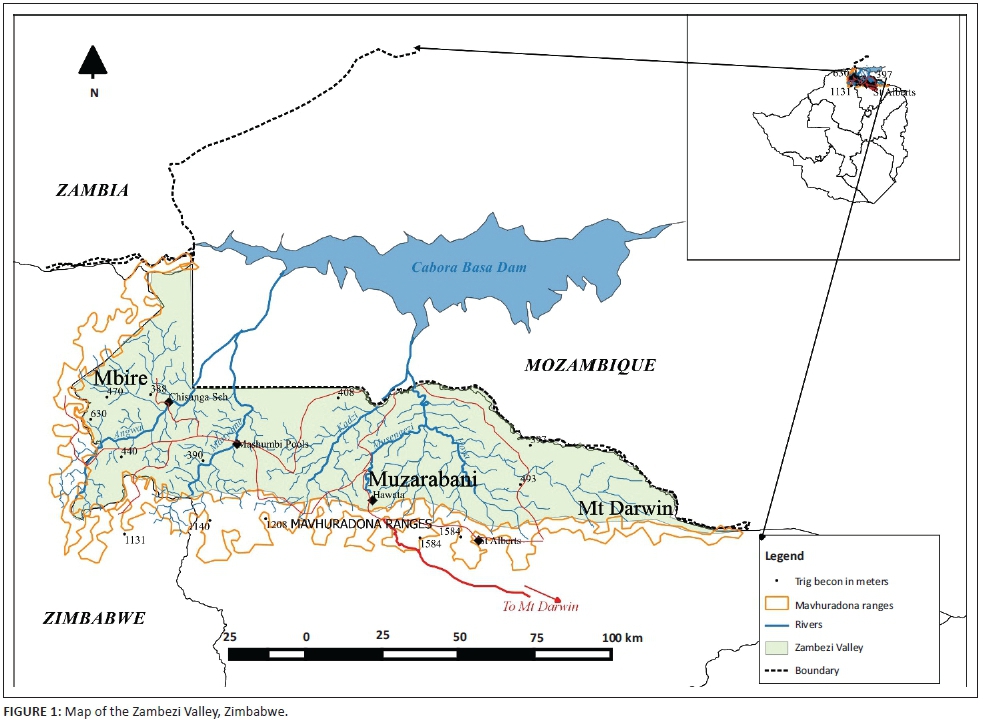
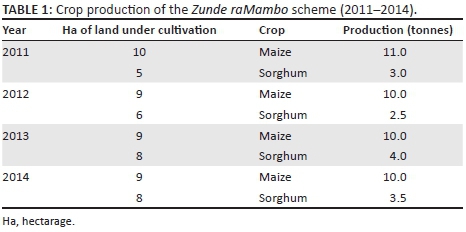
Many rural communities that depend on smallholder farming face food insecurity induced by climate-related disasters. In response, some communities are taking the initiative to cope and adapt to climate-related disasters. Using case study material from the Zambezi Valley, Zimbabwe, this article examines how traditional institutions are enhancing resilience to food insecurity in rural areas. The data were collected through interviews and focus groups involving traditional leaders, ward councillors, village civil protection members and villagers selected in the valley. The findings point to how the Zunde raMambo informal safety net, nhimbe form of collective work and the practice of share-rearing arrangement to access draught power help save lives and alleviate food insecurity induced by flood or drought disasters. The study concludes that the three schemes are evidence of community reorganisation or change in response to food insecurity. They are a form of absorptive capacities enabling the community to cope with food insecurity.
 Thumbnail