Comparative study of SPI and SPEI drought indices for meteorological drought assessment in Mauritius
Abstract
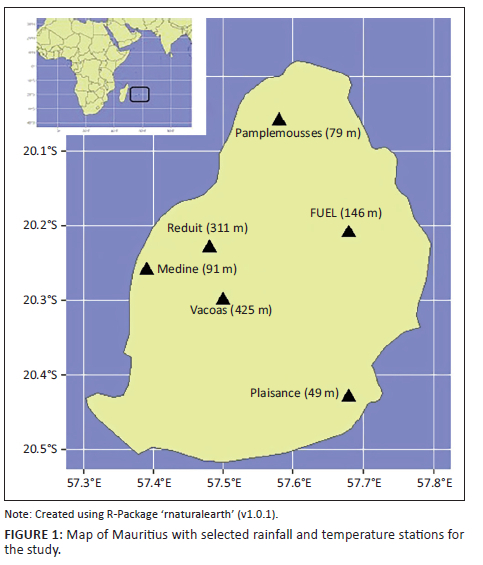
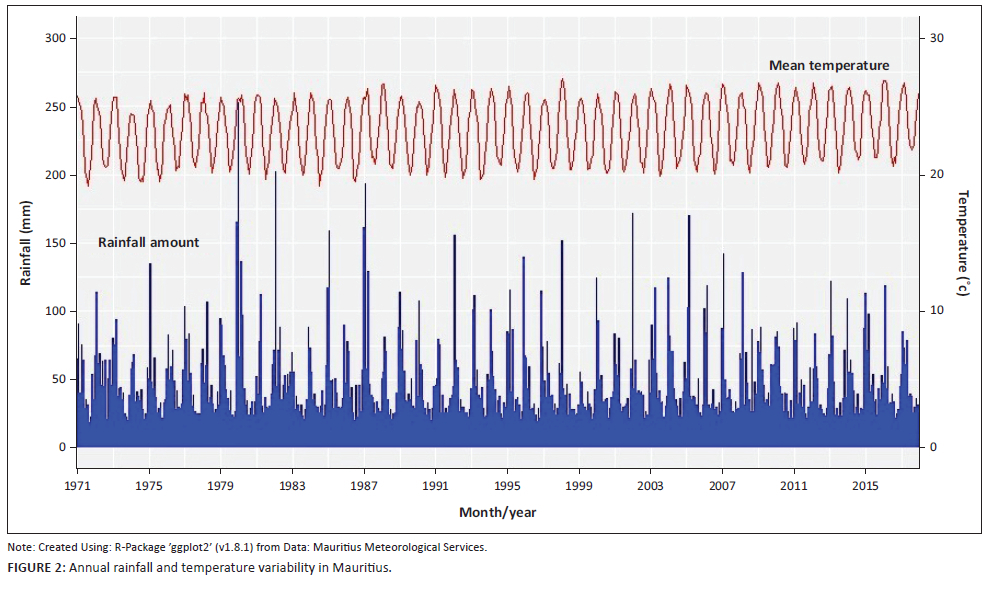
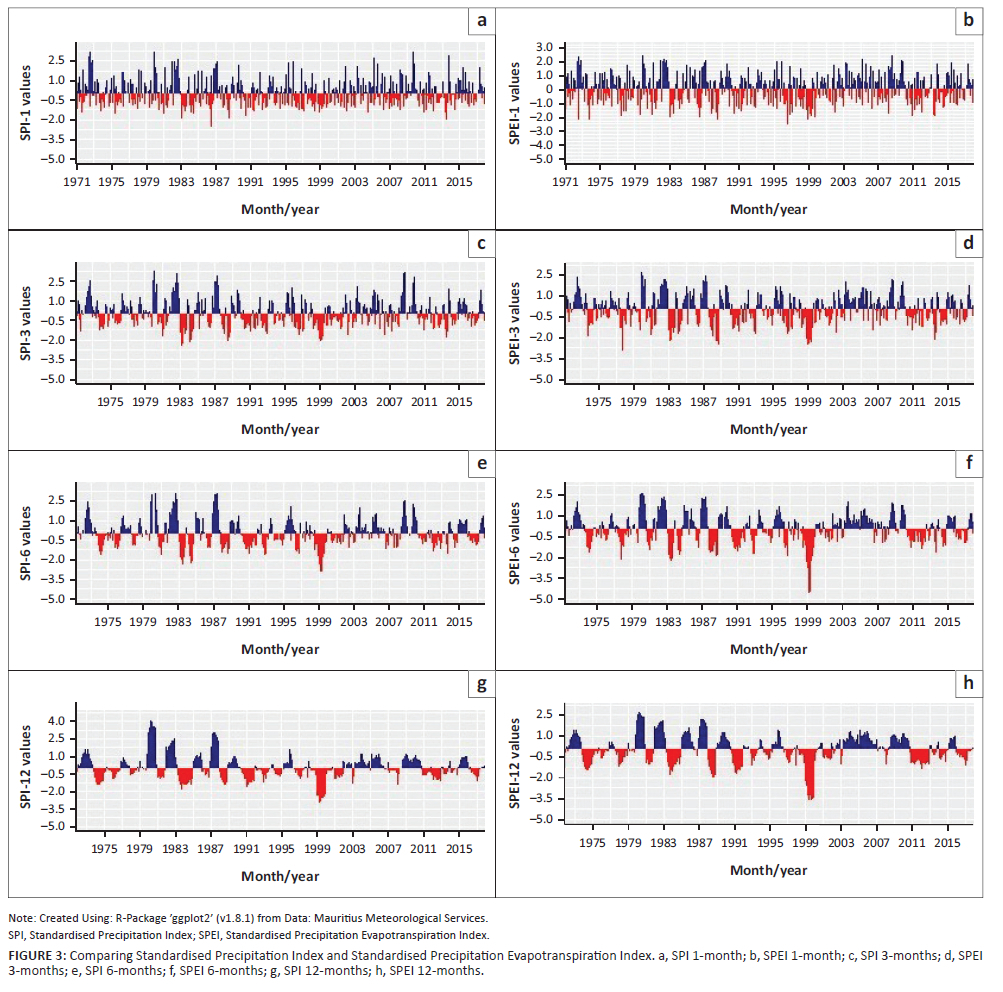
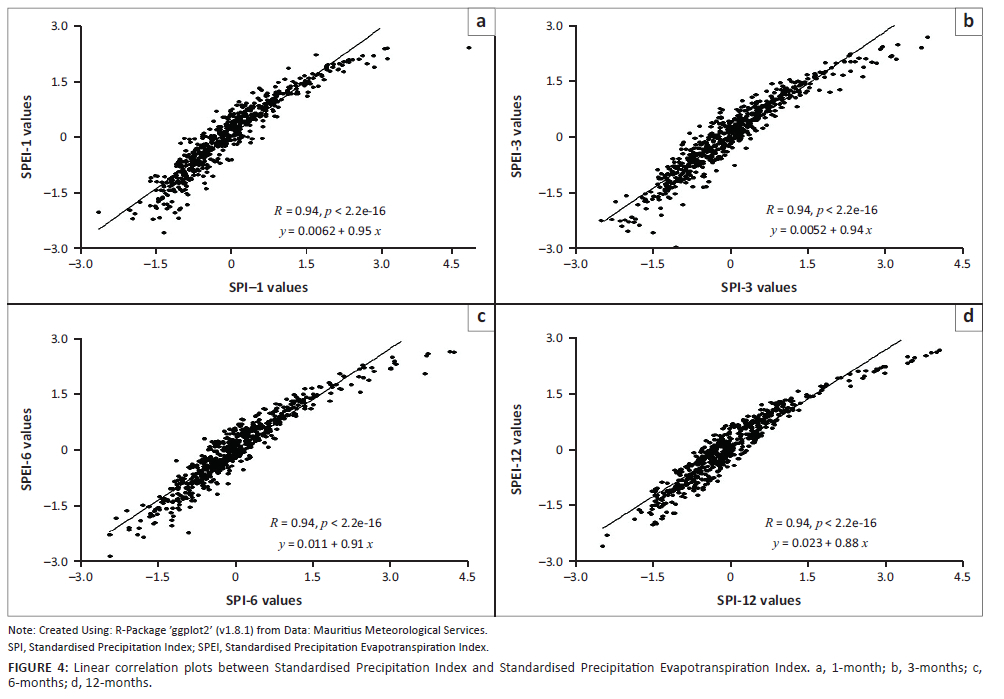
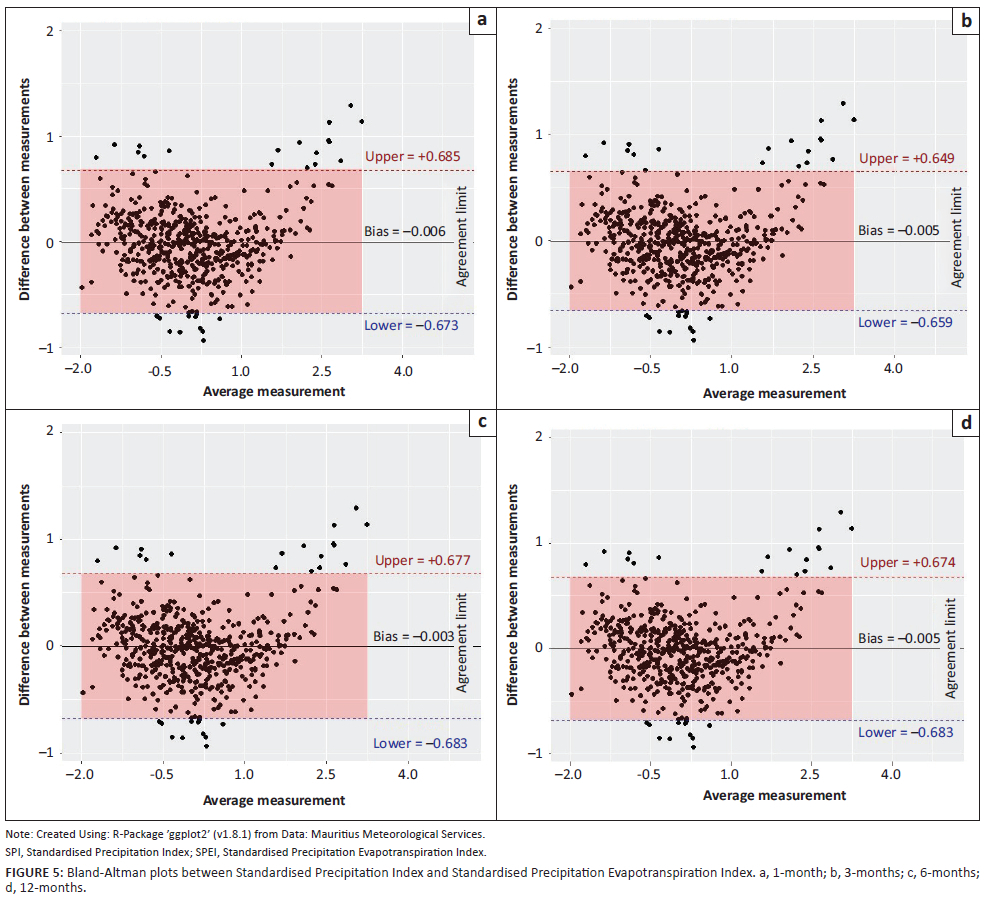
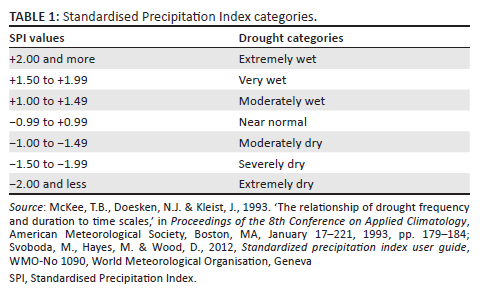
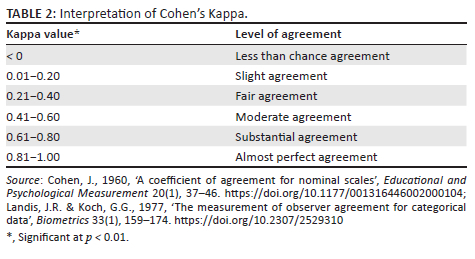
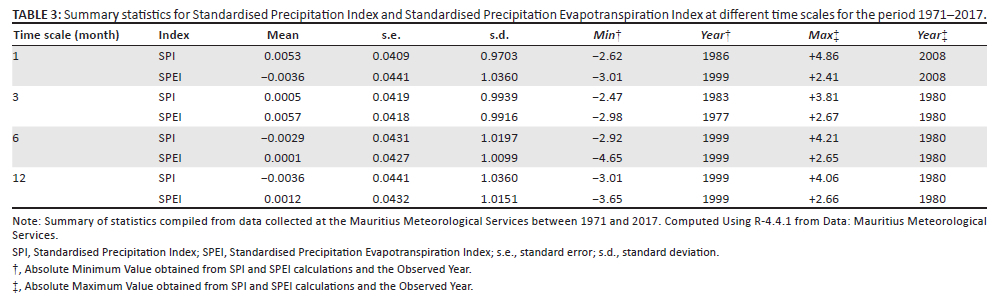
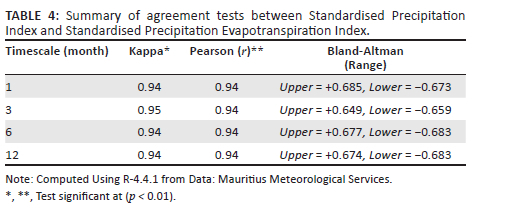
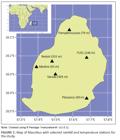
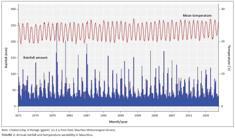
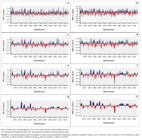
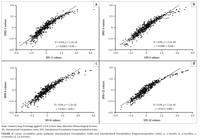
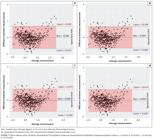
Drought is a global issue affecting many countries, including Mauritius, which is vulnerable to this natural hazard. This study compares two robust drought indices: the Standardised Precipitation Index (SPI) and its variant the Standardised Precipitation Evapotranspiration Index (SPEI) using statistical techniques, to determine the most appropriate drought assessment tool for Mauritius, as a Small Island Developing State (SIDS). The study utilised monthly averaged rainfall, maximum and minimum temperature data from six meteorological stations spanning 1971-2017. Standardised Precipitation Index and SPEI values were computed at 1, 3, 6 and 12-month timescales using the SPEI package in R−Programming. Three statistical tests: Pearson's Correlation, Cohen Kappa's Statistics and Bland-Altman were applied to assess the relationship between these indices. Strong correlations were observed with Pearson's correlation showing (r > 0.9, p < 0.01), Cohen's Kappa test revealed 'almost perfect agreement' with values reaching +0.95 at 3-month timescale and +0.94 for the remaining timescales, finally Bland-Altman plots further confirmed acceptable agreement. This study concluded that both SPI and SPEI could effectively assess drought in Mauritius. CONTRIBUTION: Mauritius as a SIDS could consider the application of the SPI as a drought assessment tool for drought monitoring and disaster risk reduction, in the absence of temperature data for SPEI computations.
drought; SPI; SPEI; global warming; R-programming; Pearson Correlation; Cohen's Kappa statistics; Bland-Altman plots; Mauritius
 Thumbnail
 Thumbnail
 Thumbnail
 Thumbnail
 Thumbnail