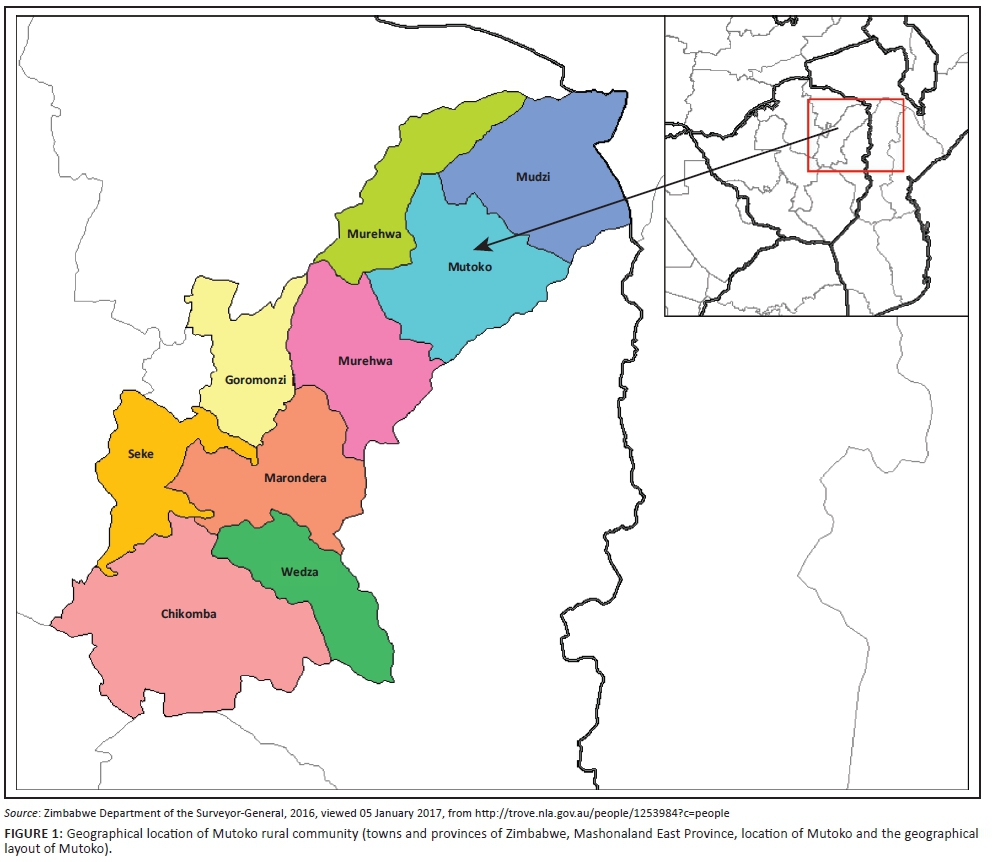
Adaptation measures to sustain indigenous practices and the use of indigenous knowledge systems to adapt to climate change in Mutoko rural district of Zimbabwe
Abstract
This article examines adaptation measures used to sustain indigenous practices and the use of indigenous knowledge systems (IKS) to adapt to climate change in Mutoko rural district of Zimbabwe. Community-based adaptation is able to reduce the vulnerability as well as improve the resilience of the local people to climatic variability and change. Subsistence farmers have always adopted adaptive strategies to some of these changes over the years. As such, the adoption of indigenous practices will significantly help rural community members to adapt to climate change. This study employed a qualitative method and an exploratory design, and the results are derived from 30 purposively selected in-depth interviews. The study discovered that there are numerous measures used to adapt to climate change and subsequently to sustain indigenous practices. The study also found that the community no longer grows maize in large quantities, having shifted to millet and sorghum in order to adapt to climate change. The community also provided various strategies to adapt to climate change. These strategies include mulching, creating large storage houses for produce and creating temporary walls on riverbanks in order to store water when the rivers dry up. This study concludes that climate change adaptation measures employed by the community have significantly helped them to sustain their indigenous practices in many ways. Also, the use of IKS, through activities such as crop type change from maize to traditional millet and sorghum (which facilitates traditional lifestyle and activities), re-establishes the community's indigenous practices since they are made to observe the practices of yesteryear.
 Thumbnail