Urban fire risk control: House design, upgrading and replanning
Abstract
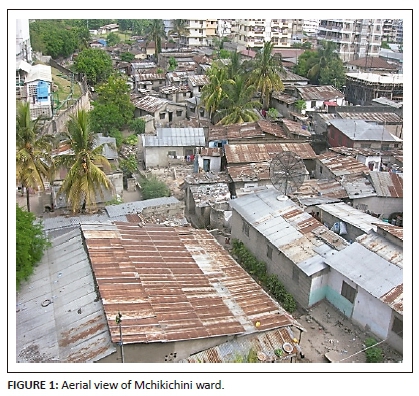
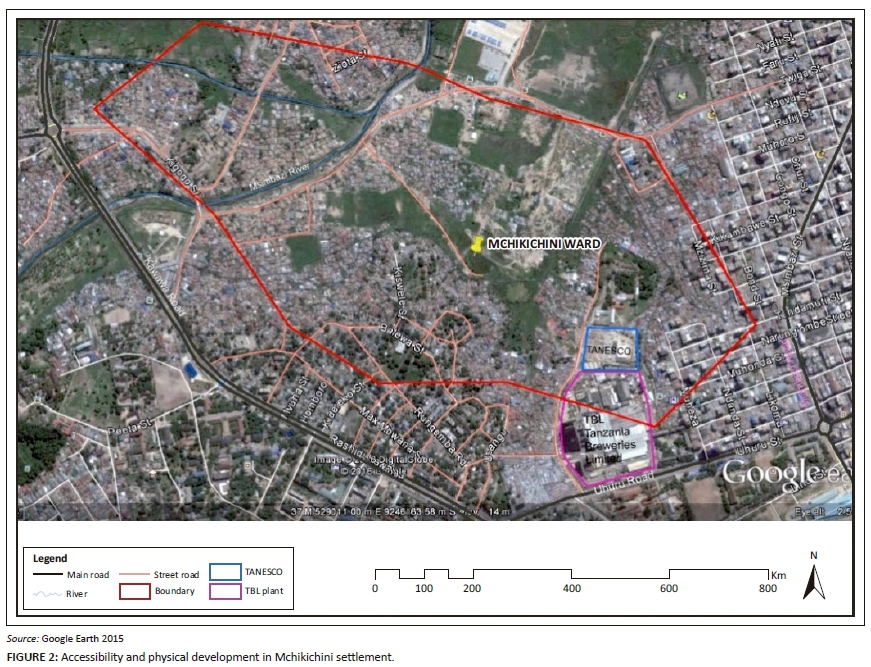
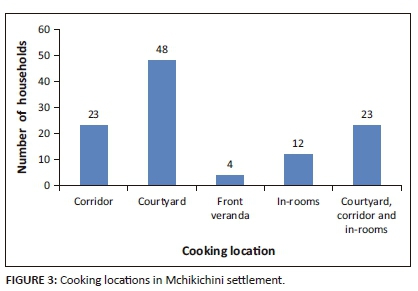
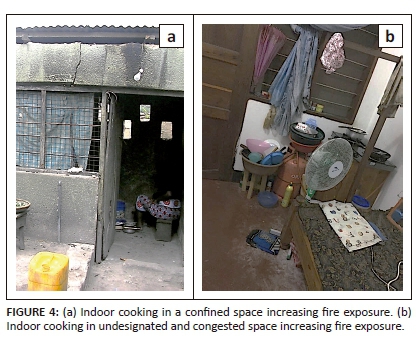
Urbanisation leads to house densification, a phenomenon experienced in both planned and unplanned settlements in cities in developing countries. Such densification limits fire brigade access into settlements, thereby aggravating fire disaster risks. In this article, we assess the fire exposure and risks in residences in informal areas of Mchikichini ward, in Dar es Salaam City, Tanzania. We rely on interviews of residents and government officials to obtain background on the occurrence and causes of fire accidents, policy provisions and regulations, and experiences with fire outbreaks and coping strategies, as well as on observations and measurements of house transformations, spatial quality and indoor real life. Our findings suggest that fire risks arise from both inappropriate structural characteristics and unsound behavioural practices. This includes unsafe electric practices by residents, poor capacity of residents to fight fires once started, limited access to structures by firefighting equipment because of flouting of planning regulations and inadequate awareness of local government leaders of the magnitude of fire risks. Potential changes to reduce fire risks in the settlement include the installation of firefighting systems, restriction of cooking to designated spaces, use of safer cooking energy sources and lighting means, improvements of vehicle access routes to neighbourhoods, capacity building at the grass root level and the establishment of community-based fire risk management.
 Thumbnail
 Thumbnail
 Thumbnail
 Thumbnail
 Thumbnail
 Thumbnail
 Thumbnail