Determinants of WASH programmes adoption in flood-prone Tsholotsho District, Zimbabwe
Abstract
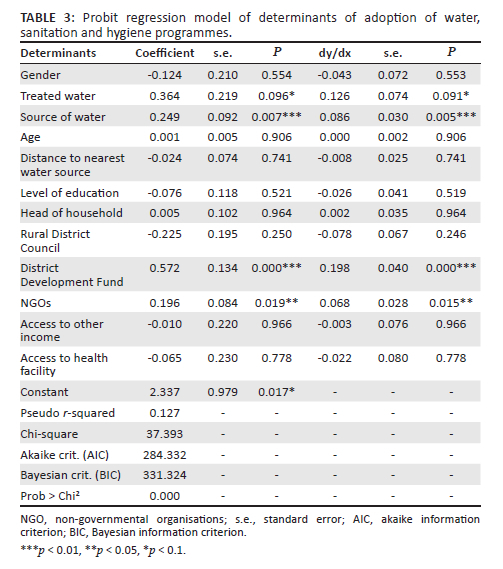
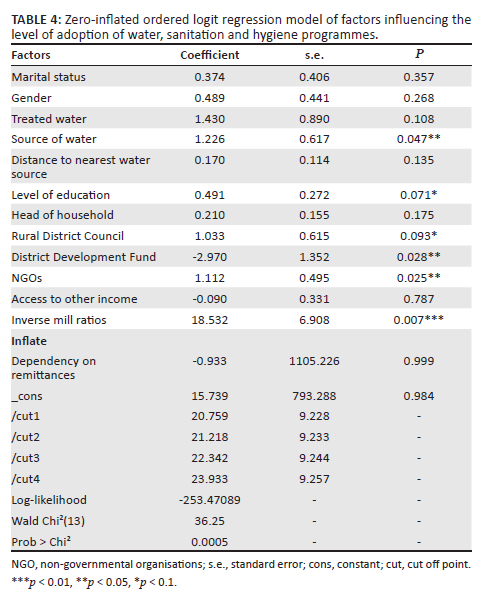
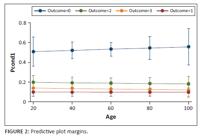
There is an increased frequency of floods in different parts of the world due to Climate Change and many countries in Sub-Saharan Africa face WASH challenges which have worsened during flood and drought incidences. Tsholotsho District has been experiencing an increased frequency of floods over the years and WASH situation has continuously deteriorated. To build the resilience of communities, there are so many programmes that have been introduced toaddress WASH challenges. The paper aimed at assessing the various determinants influencing the adoption of WASH programmes in flood prone Tsholotsho District. A quantitative approach was used to collect data from Household heads in wards 5, 6, 7, and 8 using Questionnaires. A total of 218 Questionnaires were administered in all four wards. A Probit regression analysis and Zero-inflated ordered logit regression analysis were then done using Statistical Package for Social Sciences (SPSS). This study revealed that the coefficient of access to treated water, gender, source of water, level of education, and marital status is positive and statistically significant with the adoption of WASH programmes by the household head in the study area. These factors were also revealed to influence the level of adoption of WASH programmes. CONTRIBUTION: There is a positive and significant relationship between access to safe water, source of water, level of education, gender, age and marital status and WASH programmes. Therefore, there is a need to consider the determinants of the adoption of WASH programmes to effectively build the resilience of communities.
water; sanitation and hygiene; resilience; flood hazard; probit regression; logit regression
 Thumbnail
 Thumbnail