Participatory approach to flood disaster management in Thohoyandou
Abstract
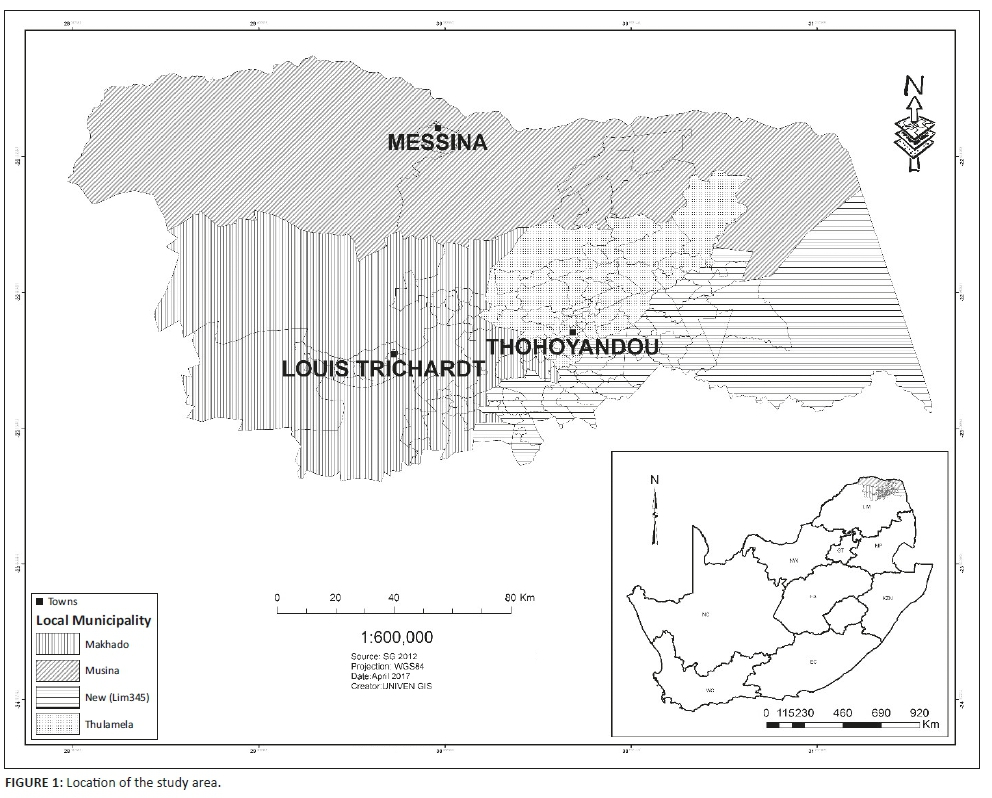
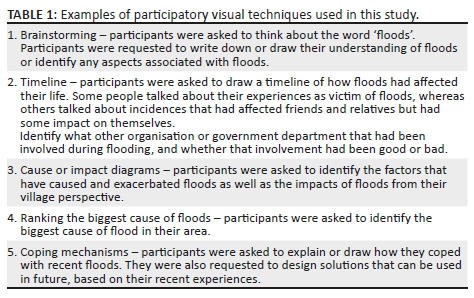
In recent years, there has been a paradigm shift in research from 'top-down' directives to 'bottom-up' planning. Thus, there has been a change from imposing strategies to a participatory approach by indigenous people. This study uses the participatory approach to flood disaster management in Thohoyandou and its environs. The aim of this study is twofold: first, to understand the perception of communities towards floods hazards; and second, to probe how communities respond to flood hazards and how this knowledge can be used in the planning and management of future disasters. In order to achieve these objectives, participatory rural appraisal (PRA), interviews and observation were used as data collection techniques. The study found that there was consensus among the participants that flooding is a natural process, but human activities enhance the risks of flooding. Human activities that were found to be the causes of flood included clearance of vegetation, cultivation in steep slope areas, the effect of relief, urbanisation, poor designs and maintenance of drainage system and settlement in inadequate areas. The study found that local communities did not cope when there was flooding. However, they suggested strategies that should be used to cope with future flood hazards.
Participatory Rural Appraisal; Participatory Approach; Disaster Management; Floods; Communities
 Thumbnail